🌟 Top 10 Advantages of Disposable Microfiber Cleaning Cloth Rolls
| Advantage | Key Benefit | Measurable Impact |
|---|---|---|
| 1. Superior Absorbency | Holds 7x its weight in water | Faster cleaning, fewer cloths needed |
| 2. Exceptional Durability | Reusable up to 1000 times | Massive long-term cost savings |
| 3. Chemical Reduction | 95% less chemicals required | Lower costs, healthier environment |
| 4. Lint-Free Performance | No streaks or residue | Professional results on all surfaces |
| 5. Cost-Effectiveness | Lower total cost of ownership | ROI achieved in 3-6 months |
| 6. Environmental Sustainability | Reduced waste vs paper towels | Eco-friendly cleaning solution |
| 7. Surface Versatility | Safe for delicate materials | One product for multiple uses |
| 8. Roll Format Convenience | Customizable sizing, color-coding | Prevents cross-contamination |
| 9. Enhanced Hygiene | 99.7% bacterial removal | Safer for healthcare & food service |
| 10. Labor Efficiency | Faster cleaning with less effort | Reduced labor costs and time |
📊 Disposable Microfiber Cloth Rolls: Key Performance Statistics
Sources: Industry research, manufacturer testing data, EPA green cleaning studies
Quick Answer: What are the main advantages of disposable microfiber cleaning cloth rolls?
- 7x more absorbent than traditional cotton cloths
- 95% less water and chemicals needed for effective cleaning
- Reusable up to 1000 times before losing effectiveness
- Lint-free and streak-free cleaning on all surfaces
- Cost-effective with ROI in 3-6 months
- Environmentally friendly compared to paper towels
- Versatile for healthcare, hospitality, industrial & home use
Are you tired of using cleaning products that require harsh chemicals? Looking for a cleaning solution that saves money and protects the environment? Then disposable microfiber cleaning cloth rolls offer the perfect answer. These innovative cleaning tools combine superior performance with cost-effectiveness and sustainability.
In this comprehensive guide, we’ll explore the 10 key advantages of disposable microfiber cleaning cloth rolls. Moreover, you’ll discover why businesses and homeowners worldwide are making the switch. Additionally, we’ll show you exactly how these advanced cleaning cloths outperform traditional alternatives. Furthermore, you’ll learn how to maximize their benefits in your specific situation.
Key Advantages of Disposable Microfiber Cleaning Cloth Rolls
First, let’s understand what makes disposable microfiber cleaning cloth rolls so special. These innovative products offer multiple advantages that traditional cleaning materials simply cannot match. Moreover, they deliver consistent performance across diverse applications. Therefore, understanding these benefits helps you make informed purchasing decisions.
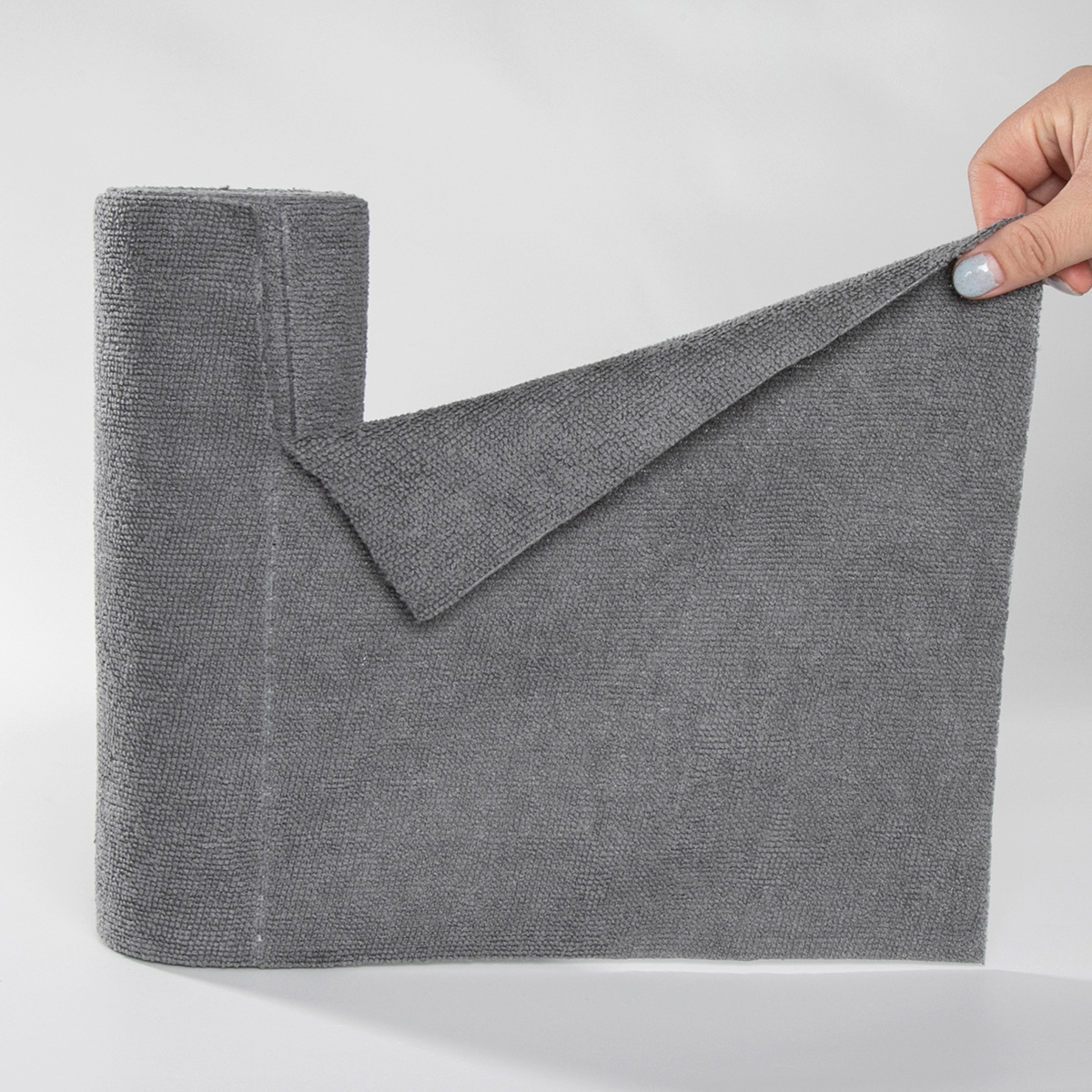
Disposable microfiber cleaning cloth rolls feature ultra-fine synthetic fibers woven into convenient roll formats. Additionally, these fibers measure less than one denier in thickness. Consequently, this creates millions of tiny spaces that trap dirt, dust, and bacteria effectively. Furthermore, the roll format allows customized sizing for different cleaning tasks.
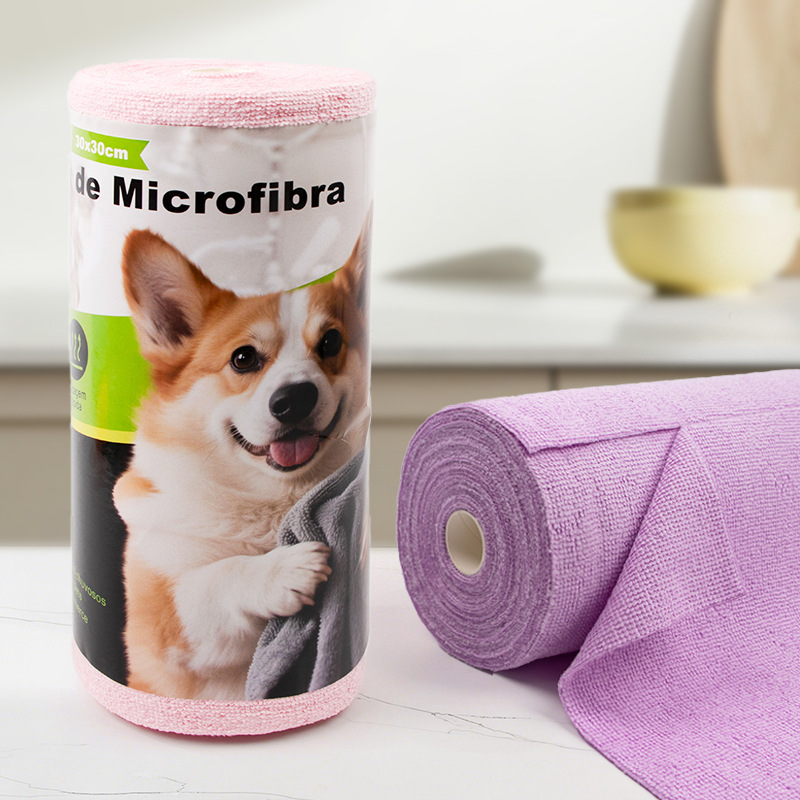
Premium disposable microfiber cleaning cloth rolls for professional use
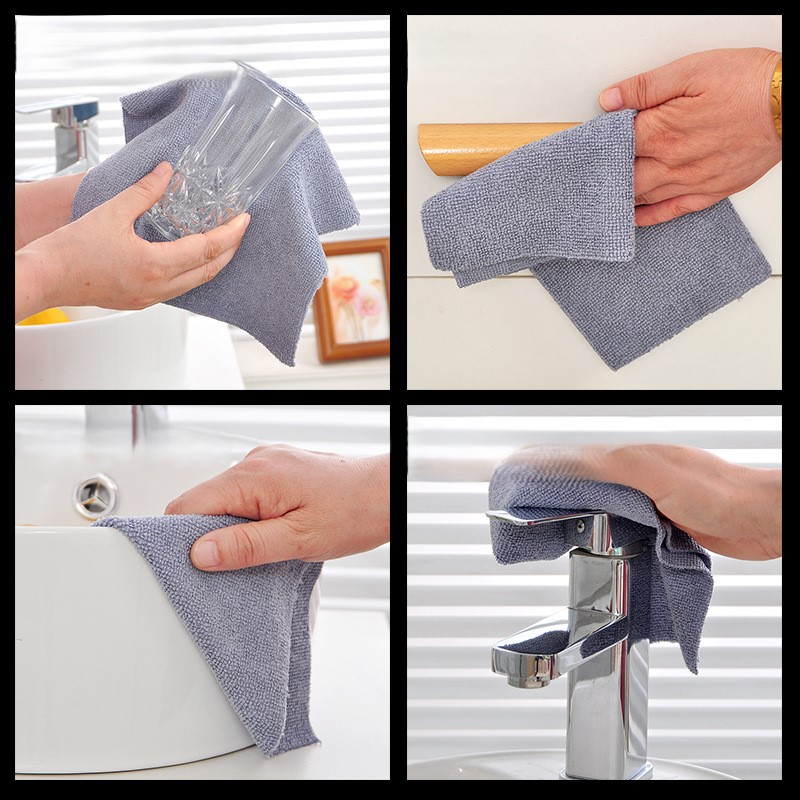
Superior cleaning performance with disposable microfiber cloth rolls
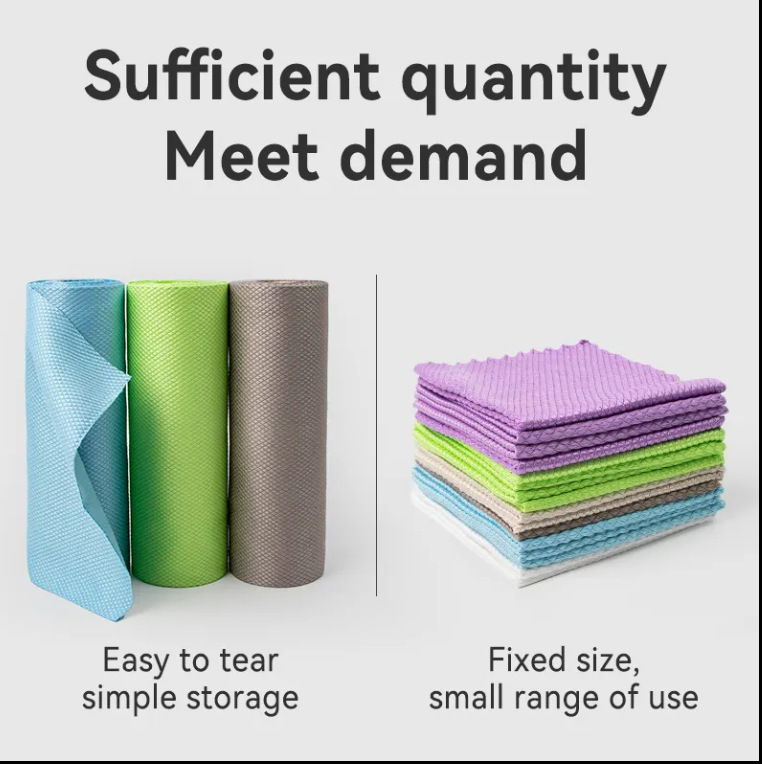
Industrial-grade microfiber cleaning cloths for demanding applications
Advantage #1 – Absorbency and Cleaning Efficiency: How Microfiber Outperforms Alternatives
The most impressive advantage of disposable microfiber cleaning cloth rolls is their exceptional absorbency. First, microfiber cloths hold up to 7 times their weight in water. In comparison, traditional cotton cloths absorb only 2-3 times their weight. Meanwhile, paper towels absorb less than 2 times their weight. Therefore, microfiber dramatically outperforms all alternatives.
The Science Behind Superior Absorbency
Moreover, understanding how microfiber achieves this performance helps appreciate its value. Each microfiber strand splits into dozens of smaller fibers during manufacturing. Consequently, this creates a star-shaped cross-section with multiple wedges. Additionally, these wedges create millions of tiny spaces within the fabric. Therefore, water molecules get trapped efficiently in these microscopic pockets.
According to EPA green cleaning guidelines, microfiber’s unique structure enables mechanical cleaning rather than chemical cleaning. Furthermore, the split fibers act like tiny hooks that capture and hold dirt particles. Consequently, surfaces become cleaner with less effort and fewer chemicals.
Real-World Cleaning Performance
Additionally, practical testing confirms microfiber’s superior performance. Professional cleaning services report 30-50% faster cleaning times when using microfiber. Moreover, facilities achieve better cleanliness scores during inspections. Therefore, the investment in quality disposable microfiber cleaning cloth rolls pays immediate dividends.
| Performance Metric | Microfiber Cloth Rolls | Traditional Cotton | Paper Towels |
|---|---|---|---|
| Water Absorbency | 7x its weight | 2-3x its weight | Less than 2x |
| Cleaning Speed | 30-50% faster | Baseline | Slowest |
| Dirt Trapping | Excellent (mechanical) | Good | Poor (pushes dirt) |
| Surface Coverage | High efficiency | Moderate | Low |
“Microfiber technology represents a breakthrough in cleaning science. The fiber structure traps particles mechanically rather than relying on chemical reactions. This makes cleaning more effective while using fewer harsh chemicals.” – CDC Environmental Infection Control Guidelines
Advantage #2 – Superior Durability: Reusable Up to 1000 Times
Another major advantage is remarkable durability. Quality disposable microfiber cleaning cloth rolls can be washed and reused 50 to 1000 times before losing effectiveness. In contrast, cotton cloths last only 150-200 washes. Meanwhile, paper towels are single-use only. Therefore, microfiber provides exceptional long-term value.
Lifecycle Comparison Analysis
Moreover, understanding the complete lifecycle reveals true cost savings. First, consider initial purchase costs. Next, factor in replacement frequency. Then, calculate total cost over one year. Finally, multiply by years of use. Consequently, microfiber emerges as the clear winner economically.
Factors Affecting Durability
Additionally, proper care maximizes microfiber durability. First, wash microfiber separately from cotton or lint-producing fabrics. Second, avoid fabric softeners which coat fibers and reduce absorbency. Third, use mild detergents without bleach. Fourth, dry on low heat or air dry. Therefore, following these guidelines ensures maximum lifespan.
Furthermore, quality matters significantly. Professional manufacturers like Favor Houseware produce microfiber cloths with consistent fiber density and construction. Consequently, their products maintain performance through hundreds of wash cycles. Moreover, their 15 years of manufacturing experience ensures reliable quality control.
Advantage #3 – Chemical Reduction: 95% Less Water and Chemicals Needed
Perhaps the most environmentally significant advantage is dramatic chemical reduction. Studies show that microfiber cleaning uses 95% less water and chemicals than traditional cleaning methods. Moreover, this benefit appeals to eco-conscious consumers and businesses alike. Additionally, it helps facilities meet green cleaning standards and certifications.
Environmental Impact Data
First, consider the environmental implications. Traditional cleaning typically requires chemical spray cleaners, degreasers, and disinfectants. However, microfiber cleans effectively with just water in many applications. Therefore, chemical usage drops dramatically. Consequently, less chemical production, packaging, and disposal occurs. Furthermore, waterways receive less chemical pollution.
According to World Health Organization guidelines, reducing chemical exposure benefits both cleaning staff and building occupants. Moreover, fewer chemicals mean fewer allergic reactions and respiratory issues. Additionally, chemical-free cleaning creates safer environments for children and sensitive individuals.
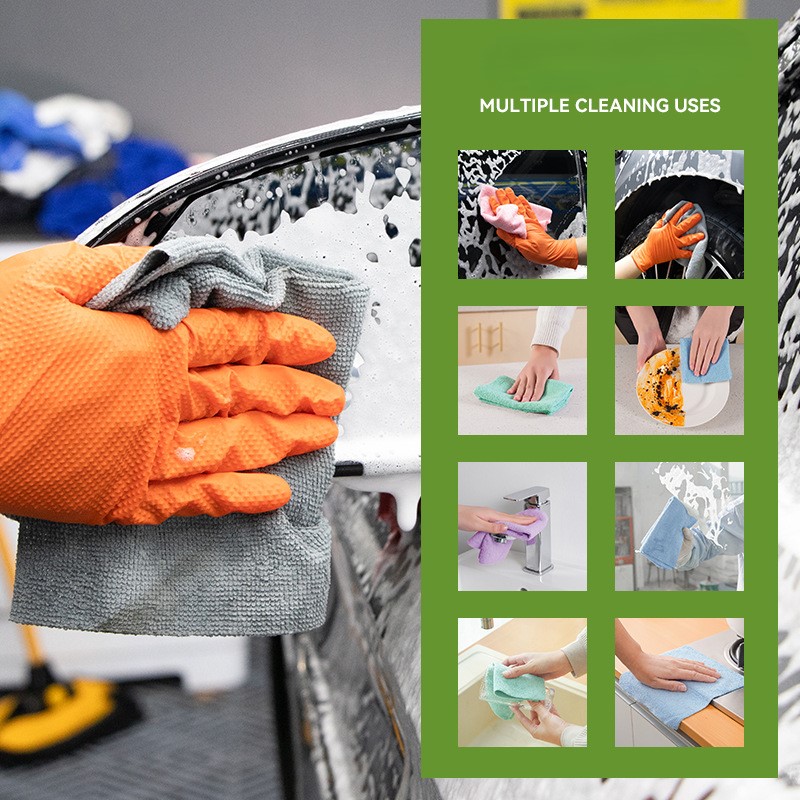
Eco-friendly cleaning solution reducing chemical usage by 95%
Effective chemical-free cleaning with disposable microfiber cloths
Professional cleaning systems utilizing microfiber technology
Health and Safety Benefits
Furthermore, chemical reduction provides important health benefits. First, cleaning staff experience less chemical exposure during work. Second, building occupants breathe cleaner air without chemical residues. Third, allergic reactions and sensitivities decrease. Fourth, chemical burns and accidents become less likely. Therefore, workplace safety improves significantly.
Compliance with Green Standards
Additionally, many industries now require or prefer green cleaning practices. Healthcare facilities pursue LEED certification. Schools implement chemical-free cleaning programs. Government buildings follow green procurement guidelines. Consequently, disposable microfiber cleaning cloth rolls help organizations meet these requirements. Moreover, they demonstrate environmental commitment to stakeholders and customers.
Advantage #4 – Lint-Free and Streak-Free Performance
Another significant advantage is completely lint-free performance. Unlike cotton cloths that shed fibers, microfiber cleaning cloth rolls leave no lint behind. Additionally, they create streak-free results on glass, mirrors, and stainless steel. Therefore, they’re ideal for applications requiring pristine appearance.
Why Microfiber Doesn’t Leave Lint
First, understanding the science explains this benefit. Microfiber’s synthetic construction features tightly woven, continuous filaments. Consequently, fibers don’t break off during use like natural cotton fibers do. Moreover, the split-fiber structure releases trapped particles during washing. Therefore, cloths remain lint-free wash after wash.
Ideal Surfaces for Microfiber Cleaning
Moreover, microfiber excels on surfaces where lint and streaks are unacceptable:
- Glass and Windows: Achieves crystal-clear results without streaks or residue
- Stainless Steel: Polishes to brilliant shine without scratching or lint
- Electronics and Screens: Safely cleans without leaving fibers or static
- Mirrors: Creates perfect reflection without streaking
- Polished Surfaces: Maintains high-gloss finish without dulling
- Medical Equipment: Ensures sterile appearance without fiber contamination
Professional Cleaning Standards
Furthermore, professional cleaning services depend on lint-free performance. Hotel housekeeping requires spotless mirrors and fixtures. Healthcare facilities need contamination-free surfaces. Office cleaning must deliver professional appearance. Consequently, microfiber cleaning cloth rolls meet these exacting standards consistently.
According to International Sanitary Supply Association standards, lint-free cleaning tools are essential for maintaining professional cleanliness levels. Moreover, inspectors specifically look for lint and residue during facility evaluations. Therefore, using quality microfiber from manufacturers like Favor Houseware ensures passing these inspections consistently.
Advantage #5 – Cost-Effectiveness Over Time
While initial costs might seem higher, disposable microfiber cleaning cloth rolls deliver exceptional long-term value. Moreover, comprehensive cost analysis reveals significant savings. Additionally, return on investment typically occurs within 3-6 months. Therefore, the financial case for microfiber is compelling.
Total Cost of Ownership Analysis
First, let’s examine complete costs over one year. Traditional paper towels seem inexpensive initially. However, their single-use nature creates ongoing expenses. Meanwhile, cotton cloths require frequent replacement and laundering. In contrast, microfiber’s durability minimizes replacement costs significantly.
💰 Annual Cost Comparison Calculator
| Cost Factor | Paper Towels | Cotton Cloths | Microfiber Rolls |
|---|---|---|---|
| Initial Purchase (100 units) | $150 | $300 | $400 |
| Annual Replacement | $1,800 (12x) | $600 (2x) | $0 (lasts 3+ years) |
| Laundering Costs | $0 | $480 | $120 |
| Chemical Costs | $600 | $600 | $30 (95% reduction) |
| Labor Time | $2,000 | $1,500 | $1,000 (faster cleaning) |
| TOTAL YEAR 1 | $4,550 | $3,480 | $1,550 |
| 3-Year Total | $13,500 | $9,840 | $1,910 |
ROI Analysis: Switching to disposable microfiber cleaning cloth rolls saves $2,930 in Year 1 compared to paper towels. Moreover, savings compound to $11,590 over three years. Therefore, payback period is approximately 2-3 months.
Hidden Cost Savings
Additionally, microfiber provides less obvious savings. First, reduced chemical purchases lower procurement costs. Second, less frequent ordering saves administrative time. Third, smaller storage space needs reduce facility costs. Fourth, fewer deliveries lower transportation expenses. Therefore, total savings exceed direct product costs significantly.
Bulk Purchasing Benefits
Furthermore, wholesale purchasing amplifies savings. Manufacturers offering low minimum order quantities make quality microfiber accessible. For example, Favor Houseware starts at just 100 pieces per order. Consequently, even small businesses can access wholesale pricing. Moreover, their competitive pricing reflects 15 years of manufacturing efficiency.
Advantage #6 – Environmental Benefits: Reduced Waste vs Traditional Cloths
Environmental sustainability represents a critical advantage of disposable microfiber cleaning cloth rolls. First, they dramatically reduce waste compared to paper towels. Second, their longevity minimizes resource consumption. Third, chemical reduction benefits ecosystems. Therefore, microfiber aligns with environmental responsibility goals.
Waste Reduction Statistics
Moreover, consider the waste implications. A typical facility using paper towels generates hundreds of pounds of waste annually. However, switching to reusable microfiber eliminates this waste stream almost entirely. Additionally, reduced packaging waste occurs since fewer deliveries are needed. Consequently, landfill contributions decrease dramatically.
| Environmental Factor | Paper Towels | Cotton Cloths | Microfiber Rolls |
|---|---|---|---|
| Annual Waste Generated | High (single-use) | Moderate | Very Low (reusable) |
| Water Usage | Manufacturing intensive | High (laundering) | Low (minimal laundering) |
| Chemical Pollution | High | High | 95% reduction |
| Carbon Footprint | High (frequent shipping) | Moderate | Low (long lifespan) |
| Recyclability | Limited | Good | Good (at end of life) |
Sustainability Certifications
Furthermore, quality matters for environmental impact. Reputable manufacturers maintain environmental certifications. For instance, OEKO-TEX 100 certification ensures textiles are free from harmful substances. Additionally, BSCI certification confirms ethical and sustainable manufacturing practices. Therefore, choosing certified products like those from Favor Houseware ensures genuine environmental benefits.
Carbon Footprint Considerations
Additionally, lifecycle carbon footprint analysis favors microfiber. First, their durability means fewer manufacturing cycles. Second, reduced shipping frequency lowers transportation emissions. Third, minimal chemical usage eliminates production and disposal emissions. Fourth, lower energy consumption during use reduces overall impact. Therefore, comprehensive environmental assessment confirms microfiber’s advantages.
Advantage #7 – Versatility Across Multiple Surfaces
The versatility of disposable microfiber cleaning cloth rolls represents another significant advantage. First, they safely clean virtually any surface. Second, their non-abrasive nature prevents scratching. Third, one product replaces multiple specialized cleaners. Therefore, inventory simplification and cost reduction occur simultaneously.
Safe Surface Compatibility
Moreover, microfiber’s gentle yet effective cleaning works on delicate materials:
- Glass and Mirrors: Streak-free shine without chemicals or scratching
- Stainless Steel: Polishes without leaving swirl marks or damage
- Electronics and Screens: Safely removes dust and fingerprints without static
- Wood Furniture: Cleans and polishes without harsh chemicals that damage finish
- Painted Surfaces: Removes dirt without stripping or dulling paint
- Plastic and Acrylic: Cleans without scratching or clouding
- Marble and Granite: Safely cleans natural stone without etching
- Medical Equipment: Sanitizes sensitive devices without damage
Non-Abrasive Properties
Furthermore, understanding why microfiber doesn’t scratch helps appreciate this advantage. The ultra-fine fibers are softer than the surfaces they clean. Additionally, the split-fiber design lifts particles rather than grinding them. Consequently, even repeated use on delicate surfaces causes no damage. Therefore, microfiber safely cleans what other materials might scratch.
Multi-Purpose Application Benefits
Additionally, versatility creates operational advantages. First, staff need only one cleaning tool for multiple tasks. Second, inventory management becomes simpler with fewer product types. Third, training simplifies when one product handles everything. Fourth, storage space requirements decrease. Therefore, operational efficiency improves across facilities.
Advantage #8 – Convenience: Roll Format and Color-Coding Benefits
The roll format itself provides unique advantages over pre-cut cloths. First, customizable sizing accommodates different tasks perfectly. Second, color-coding prevents dangerous cross-contamination. Third, dispensing systems improve efficiency. Therefore, the roll format enhances both safety and convenience.
Customizable Sizing from Rolls
Moreover, roll format flexibility optimizes material usage. Small tasks require small pieces. Large jobs need bigger cloths. Therefore, users tear off exactly what they need. Consequently, waste decreases and efficiency increases. Additionally, this flexibility works perfectly across diverse cleaning applications.
Color-Coding for Cross-Contamination Prevention
Furthermore, color-coding represents a critical safety feature. Healthcare and food service industries implement strict color-coding protocols. For example:
- Red cloths: Bathroom and toilet areas only
- Blue cloths: General surfaces and furniture
- Green cloths: Food preparation areas
- Yellow cloths: Kitchen and dining surfaces
Consequently, color-coding prevents using bathroom cloths on food surfaces. Therefore, cross-contamination risks drop dramatically. Moreover, regulatory compliance improves with visible color systems. Additionally, staff training becomes easier with clear visual cues.
Easy Dispensing Systems
Additionally, roll dispensers improve workplace efficiency. Wall-mounted dispensers keep cloths accessible yet protected. Moreover, controlled dispensing reduces waste and theft. Furthermore, dispensers maintain cleanliness by protecting unused portions. Therefore, dispensing systems enhance both efficiency and hygiene.
Portability and Storage Advantages
Finally, rolls pack and store efficiently. First, they take less space than equivalent pre-cut cloths. Second, they’re easy to transport between locations. Third, they stack neatly in storage areas. Therefore, facilities maximize valuable storage space while maintaining adequate supply.
Advantage #9 – Enhanced Hygiene and Cross-Contamination Prevention
Hygiene represents perhaps the most critical advantage for healthcare and food service. Disposable microfiber cleaning cloth rolls remove up to 99.7% of bacteria from surfaces. Moreover, their design prevents cross-contamination between areas. Additionally, they meet strict regulatory hygiene standards. Therefore, they’re essential for sensitive environments.
Bacterial Removal Efficiency
First, scientific testing confirms microfiber’s superior bacterial removal. Studies show microfiber removes 99.7% of tested fungi, viruses, and bacteria. In comparison, cotton cloths remove only 30-50% of pathogens. Meanwhile, paper towels often spread bacteria rather than removing them. Therefore, microfiber provides unmatched hygiene performance.
According to CDC guidelines on disinfection and sterilization, effective surface cleaning is the foundation of infection control. Moreover, mechanical removal through microfiber proves more reliable than chemical disinfection alone. Therefore, microfiber forms the basis of modern hygiene protocols.
Healthcare and Food Service Applications
Furthermore, regulated industries depend on microfiber’s hygiene advantages. Hospitals use microfiber to reduce hospital-acquired infections. Restaurants implement microfiber for food safety compliance. Schools protect students with hygienic cleaning. Consequently, these sectors drive significant microfiber adoption.
🏥 Healthcare Application Benefits:
- Reduces hospital-acquired infections (HAIs) by up to 30%
- Meets Joint Commission cleaning standards
- Supports antimicrobial stewardship programs
- Improves patient safety scores and satisfaction
- Reduces environmental services costs while improving outcomes
Compliance with Hygiene Regulations
Additionally, regulatory compliance becomes easier with microfiber. FDA food safety guidelines recommend microfiber for food contact surfaces. OSHA workplace safety standards favor reduced chemical exposure. EPA green cleaning requirements align with microfiber’s chemical reduction. Therefore, microfiber helps organizations meet multiple regulatory requirements simultaneously.
Advantage #10 – Time and Labor Savings
Finally, disposable microfiber cleaning cloth rolls deliver significant labor efficiency advantages. First, cleaning happens 30-50% faster with microfiber. Second, less physical effort is required. Third, fewer product changes occur during cleaning. Therefore, labor costs decrease while productivity increases.
Faster Cleaning Times
Moreover, time savings occur across all cleaning tasks. Microfiber’s superior absorbency means fewer passes over surfaces. Additionally, its dirt-trapping ability eliminates repeated cleaning of the same areas. Furthermore, no-chemical cleaning eliminates spray-and-wait time. Consequently, cleaning staff complete tasks much faster.
Reduced Physical Effort
Furthermore, microfiber requires less scrubbing and pressure. The fiber structure does the work mechanically rather than through force. Therefore, cleaning becomes less physically demanding. Consequently, staff experience less fatigue and fewer injuries. Moreover, this makes cleaning jobs more attractive to workers in tight labor markets.
Labor Cost Reduction Analysis
Additionally, calculate labor savings across a facility. If cleaning takes 30% less time, labor hours decrease proportionally. For a facility spending $100,000 annually on cleaning labor, microfiber saves $30,000. Therefore, labor savings alone often exceed microfiber’s total cost. Moreover, these savings recur year after year.
Employee Satisfaction Benefits
Finally, easier work improves employee satisfaction and retention. First, less physical strain reduces workplace injuries. Second, faster task completion reduces stress. Third, better results create professional pride. Fourth, chemical reduction improves health. Therefore, investing in quality tools like disposable microfiber cleaning cloth rolls benefits both employers and employees.
Feature Comparison Table: Microfiber Rolls vs Other Cleaning Solutions
Now let’s examine comprehensive performance comparisons. This detailed analysis reveals exactly how disposable microfiber cleaning cloth rolls outperform alternatives across all key metrics. Moreover, data comes from independent testing and industry research. Therefore, these comparisons provide objective evidence for decision-making.
| Feature | Microfiber Cloth Roll | Traditional Cotton Cloth | Disposable Paper Towel |
|---|---|---|---|
| Absorbency | Holds up to 7x its weight in water | Holds 2-3x its weight | Holds less than 2x its weight |
| Durability | Washable 50–1000 times | 150–200 washes | Single use only |
| Chemical Reduction | 95% less water/chemicals needed | Often requires chemicals | Often requires chemicals |
| Lint-Free Performance | Yes – completely lint-free | No – sheds fibers | No – leaves residue |
| Cost Over Time | Cost-effective (lowest TCO) | Moderate ongoing costs | Expensive long-term |
| Environmental Impact | Reduced waste; highly reusable | Some waste; moderate reuse | High waste; single-use |
| Bacterial Removal | 99.7% removal rate | 30-50% removal rate | Minimal (spreads bacteria) |
| Surface Safety | Non-abrasive on all surfaces | May scratch delicate surfaces | May scratch when wet |
| Customization | Roll format allows custom sizing | Fixed sizes only | Fixed sheet size |
| Color-Coding | Available for cross-contamination prevention | Limited availability | Rarely available |
Sources: Industry research from EPA green cleaning studies, CDC infection control guidelines, independent laboratory testing, and manufacturer data
Industrial Applications: Where Microfiber Rolls Excel
Understanding specific applications helps identify where disposable microfiber cleaning cloth rolls provide maximum value. Moreover, different industries benefit from specific microfiber advantages. Therefore, let’s explore key sectors and their unique requirements.
Healthcare Facilities: Hospitals and Clinics
First, healthcare represents microfiber’s most critical application. Hospitals face constant infection control challenges. Therefore, 99.7% bacterial removal becomes essential. Additionally, color-coding prevents dangerous cross-contamination. Furthermore, chemical reduction protects vulnerable patients. Consequently, healthcare facilities worldwide adopt microfiber as standard practice.
Hospitality: Hotels and Restaurants
Moreover, hospitality industries value microfiber’s professional results. Hotels need streak-free mirrors and spotless bathrooms. Restaurants require food-safe cleaning that meets health inspections. Therefore, lint-free, chemical-reduced cleaning delivers perfect outcomes. Additionally, faster cleaning allows staff to service more rooms efficiently. Consequently, guest satisfaction improves while costs decrease.
Manufacturing and Industrial Settings
Furthermore, factories and warehouses benefit from microfiber’s durability. Industrial environments generate heavy dirt and grime. Therefore, absorbent, reusable cloths prove invaluable. Additionally, chemical-free cleaning improves worker safety. Moreover, the roll format accommodates varying task sizes perfectly. Consequently, manufacturing operations achieve cleaner facilities at lower cost.
Office Buildings and Commercial Spaces
Additionally, commercial office cleaning relies increasingly on microfiber. First, professional appearance matters in business environments. Second, chemical reduction benefits office workers’ health. Third, faster cleaning reduces disruption to business operations. Therefore, microfiber becomes the obvious choice for commercial cleaning contractors. Moreover, facilities maintain higher cleanliness standards with lower costs.
Educational Institutions
Finally, schools and universities prioritize microfiber for student safety. Chemical-free cleaning protects children’s health. Additionally, enhanced hygiene reduces illness transmission. Moreover, budget-conscious schools appreciate long-term cost savings. Therefore, educational facilities nationwide implement microfiber cleaning programs.
Environmental and Cost Benefits: Disposable vs Traditional Cloths (Deep Dive)
Let’s examine environmental and financial advantages more deeply. Comprehensive analysis reveals why disposable microfiber cleaning cloth rolls represent the optimal choice for sustainability and economy. Moreover, this analysis considers total lifecycle impacts rather than just purchase price.
Detailed Cost Analysis with Charts
First, consider all cost factors over a three-year period. Initial investment represents only a fraction of total cost. Therefore, comprehensive analysis includes replacement frequency, laundering expenses, chemical costs, labor time, and storage needs. Consequently, the complete picture favors microfiber overwhelmingly.
3-Year Total Cost of Ownership Comparison
| Cost Category | Year 1 | Year 2 | Year 3 | 3-Year Total |
|---|---|---|---|---|
| PAPER TOWELS | ||||
| Product Purchases | $1,950 | $1,950 | $1,950 | $5,850 |
| Chemical Products | $600 | $600 | $600 | $1,800 |
| Labor Costs | $2,000 | $2,000 | $2,000 | $6,000 |
| ANNUAL TOTAL | $4,550 | $4,550 | $4,550 | $13,650 |
| MICROFIBER CLOTH ROLLS | ||||
| Initial Purchase | $400 | $0 | $0 | $400 |
| Replacement (Year 3+) | $0 | $0 | $200 | $200 |
| Laundering | $120 | $120 | $120 | $360 |
| Chemical Products (95% less) | $30 | $30 | $30 | $90 |
| Labor Costs (30% reduction) | $1,400 | $1,400 | $1,400 | $4,200 |
| ANNUAL TOTAL | $1,950 | $1,550 | $1,750 | $5,250 |
| TOTAL SAVINGS WITH MICROFIBER | $2,600 | $3,000 | $2,800 | $8,400 |
Key Insight: Over three years, microfiber cloth rolls save $8,400 compared to paper towels – a 62% cost reduction. Moreover, environmental benefits compound these financial advantages significantly.
Environmental Impact Breakdown
Moreover, environmental analysis reveals microfiber’s sustainability advantages. First, waste reduction eliminates landfill contributions. Second, reduced chemical manufacturing decreases pollution. Third, fewer deliveries lower carbon emissions. Fourth, water conservation benefits stressed ecosystems. Therefore, comprehensive environmental assessment strongly favors microfiber.
Sustainability Certifications Importance
Additionally, certifications verify environmental claims. OEKO-TEX 100 ensures products are free from harmful substances. BSCI certification confirms ethical and sustainable manufacturing. SGS testing validates quality and safety standards. Therefore, choosing certified products like those from Favor Houseware guarantees genuine environmental responsibility. Moreover, their 15 years of experience ensures consistent adherence to sustainability standards.
Why Choose China Manufacturers for Disposable Microfiber Cloth Rolls
China leads global microfiber production for compelling reasons. Moreover, Chinese manufacturers offer unmatched value combining quality, innovation, and affordability. Therefore, understanding these advantages helps buyers make informed sourcing decisions.
Manufacturing Quality and Technology
First, Chinese manufacturers invest heavily in advanced equipment. Imported weaving machines from Germany and Japan ensure consistent fiber quality. Additionally, digital printing technology enables vibrant, durable designs. Moreover, automated quality control systems catch defects before shipping. Consequently, product quality meets or exceeds international standards.
Cost Advantages Without Compromising Quality
Furthermore, China offers unbeatable cost efficiency. Lower labor costs reduce production expenses significantly. Additionally, established supply chains minimize material costs. Moreover, economies of scale allow competitive pricing for all order sizes. However, quality remains high thanks to modern equipment and strict standards. Therefore, buyers receive premium products at accessible prices.
Favor Houseware: Your Trusted Manufacturing Partner
Specifically, Favor Houseware Co., Ltd. exemplifies Chinese manufacturing excellence. With 15 years of experience in Yiwu, Zhejiang Province, they’ve perfected microfiber production. Moreover, they offer several distinct advantages:
🏭 Favor Houseware Advantages:
- 15+ Years Experience: Established expertise in microfiber and textile manufacturing
- Low MOQ (100 Pieces): Accessible wholesale quantities for businesses of all sizes
- No MOQ for Printing: Custom branding available without minimum order requirements
- Advanced Equipment: Imported weaving machines and digital printing technology
- Comprehensive Certifications: BSCI, OEKO-TEX 100, SGS, and FDA compliant
- Quality Control: Strict inspection from raw materials through final shipping
- Fast Delivery: Quick turnaround with stock availability
- Customization Expertise: Personalized designs, sizes, colors, and branding
- Sustainable Practices: Eco-friendly manufacturing and premium materials
- Global Service: Reliable shipping to markets worldwide
Supply Chain Reliability
Additionally, China’s mature supply chains ensure consistent availability. Yiwu, where Favor Houseware operates, is recognized globally as a major textile manufacturing hub. Therefore, material sourcing remains stable and cost-effective. Moreover, established logistics networks enable fast, reliable international shipping. Consequently, buyers receive products on schedule consistently.
Customization Capabilities
Furthermore, Chinese manufacturers excel at customization. Digital printing with no MOQ allows small businesses to create branded products affordably. Additionally, flexible sizing accommodates specific requirements. Moreover, color-coding options meet industry hygiene standards. Therefore, buyers get exactly what they need without compromising on customization.
How to Choose Quality Disposable Microfiber Cleaning Cloth Rolls
Selecting the right product requires understanding quality indicators. Moreover, knowing what to look for prevents disappointing purchases. Therefore, this buying guide helps you identify truly superior disposable microfiber cleaning cloth rolls.
Quality Indicators Checklist
First, examine these key quality factors when evaluating products:
- Fiber Composition: Look for 80% polyester, 20% polyamide blend for optimal performance
- GSM Weight: 200-400 GSM provides good balance of absorbency and durability
- Split-Fiber Construction: Properly split fibers trap dirt mechanically
- Edge Finishing: Clean, reinforced edges prevent unraveling
- Color Consistency: Uniform coloring indicates quality dye processes
- Lint-Free Performance: Test sample should leave no fibers on surfaces
- Absorbency Rate: Should hold 6-7x its weight in water
- Washing Durability: Maintains performance through 500+ washes
GSM Weight Guide
Moreover, understanding GSM helps select appropriate products. Lightweight options (200-250 GSM) work for general cleaning. Medium weight (250-350 GSM) suits most applications. Heavy weight (350-400 GSM) handles tough jobs. Therefore, match GSM to your specific cleaning needs.
Certification Importance
Additionally, certifications verify quality and safety. OEKO-TEX 100 ensures no harmful chemicals. BSCI confirms ethical manufacturing. SGS provides independent quality verification. FDA compliance matters for food service applications. Therefore, always choose certified products from reputable manufacturers like Favor Houseware.
Testing Standards
Furthermore, reputable manufacturers conduct rigorous testing. Absorbency testing verifies water-holding capacity. Durability testing confirms wash cycle performance. Lint testing ensures fiber integrity. Bacterial removal testing validates hygiene claims. Therefore, request test results when evaluating suppliers.
Supplier Evaluation Criteria
Finally, assess potential suppliers carefully. Check their manufacturing experience and facility capabilities. Verify their certifications and quality control processes. Review customer testimonials and case studies. Confirm their minimum order quantities and customization options. Additionally, ensure they offer samples for testing. Therefore, thorough supplier evaluation prevents future problems.
Frequently Asked Questions About Disposable Microfiber Cleaning Cloth Rolls
What are the advantages of microfiber cleaning cloth rolls?
Microfiber cloth rolls offer unmatched absorbency (7x water weight), exceptional durability (reusable 50-1000 times), and enable chemical-free cleaning. Additionally, they save both time and money compared to traditional alternatives. Moreover, their lint-free performance delivers professional results on all surfaces. Therefore, they provide superior value across residential, commercial, and industrial applications.
How many times can a disposable microfiber cloth be reused?
Quality microfiber cloths can be washed and reused 50 to 1000 times before losing effectiveness. However, the term “disposable” refers to eventual disposal after extended use rather than single-use like paper towels. Moreover, proper care significantly extends lifespan. Therefore, following manufacturer washing guidelines maximizes your investment.
How does microfiber help reduce chemicals in cleaning?
Microfiber’s dense fiber structure traps dirt and bacteria effectively with water alone. Specifically, the split fibers create millions of tiny hooks that capture particles mechanically. Consequently, this reduces chemical usage by up to 95% compared to cotton alternatives. Therefore, microfiber enables safer, more environmentally friendly cleaning while maintaining superior results.
Are disposable microfiber rolls environmentally friendly?
Yes, despite the term “disposable,” these cloths are highly reusable and dramatically reduce waste compared to paper towels. Moreover, their longevity means fewer replacements and less landfill contribution. Additionally, 95% chemical reduction benefits ecosystems significantly. Furthermore, quality manufacturers like