👨🍳 Aprons at a Glance: Quick Comparison Guide
| Type | Material | Best For | Durability | Price Range | Care Level |
|---|---|---|---|---|---|
| Bib Apron | Cotton/Poly blend | Kitchens, cafes, general use | 300-400 uses | $8-$25 | Easy |
| Waist Apron | Cotton/Canvas | Servers, bartenders, retail | 250-350 uses | $5-$15 | Easy |
| Cross-Back | Denim/Canvas | Chefs, baristas, comfort | 400-500 uses | $15-$35 | Moderate |
| Chef Apron | Heavy cotton | Professional kitchens | 300-400 uses | $12-$30 | Easy |
| PVC-Coated | Polyester + PVC | Industrial, wet environments | 200-300 uses | $10-$20 | Very Easy |
| Canvas/Work | Heavy canvas | Workshops, crafts, gardening | 400-500 uses | $15-$40 | Moderate |
📊 Apron Market Snapshot 2025
Sources: Grand View Research, Market Research Future, Global Industry Insights 2025
Are you looking for the perfect apron for your kitchen, restaurant, or workshop? Wondering which material works best? Then you’re in the right place. In this complete guide, we’ll show you everything about choosing quality aprons for home and commercial use.
Whether you’re a home baker, professional chef, restaurant owner, or workshop manager, the right apron makes all the difference. Moreover, we’ll explain which styles work best for different tasks. Additionally, you’ll learn about materials, customization options, and wholesale purchasing. Furthermore, we’ll share expert insights from manufacturers with 15 years of experience.
What is an Apron? A Quick Overview of Types and Uses
First, let’s start with the basics. An apron is a protective garment worn over the front of clothing. Traditionally, aprons protect clothes from stains, spills, and dirt during cooking or working. However, modern aprons serve multiple purposes beyond just protection.
Quick Answer: What is an apron used for?
- ✓ Protecting clothing from stains and spills
- ✓ Providing convenient storage (pockets for tools and utensils)
- ✓ Creating a hygiene barrier in food preparation
- ✓ Serving as professional uniform and brand identity
- ✓ Offering safety protection in workshops and industrial settings
- ✓ Providing heat protection when handling hot items
Brief History and Evolution
Moreover, aprons have a fascinating history dating back thousands of years. Ancient Egyptians wore apron-like garments as symbols of status. Additionally, medieval craftsmen used leather aprons for protection. Furthermore, the Industrial Revolution made aprons essential workwear across industries.
Today, aprons have evolved significantly. Modern designs incorporate ergonomic features, stylish aesthetics, and functional innovations. Consequently, aprons now serve fashion, function, and branding purposes simultaneously. According to Smithsonian Magazine, the apron has transformed from purely utilitarian to a cultural and fashion statement.
Why Aprons Matter Today
Additionally, quality aprons matter more than ever in today’s world. First, food safety regulations require protective garments in commercial kitchens. Moreover, workplace safety standards mandate proper protective equipment. Furthermore, brand identity through customized aprons creates professional appearance and marketing value.
Therefore, choosing the right apron impacts hygiene, safety, comfort, and professional image. Consequently, understanding apron types, materials, and features becomes essential for making informed decisions.
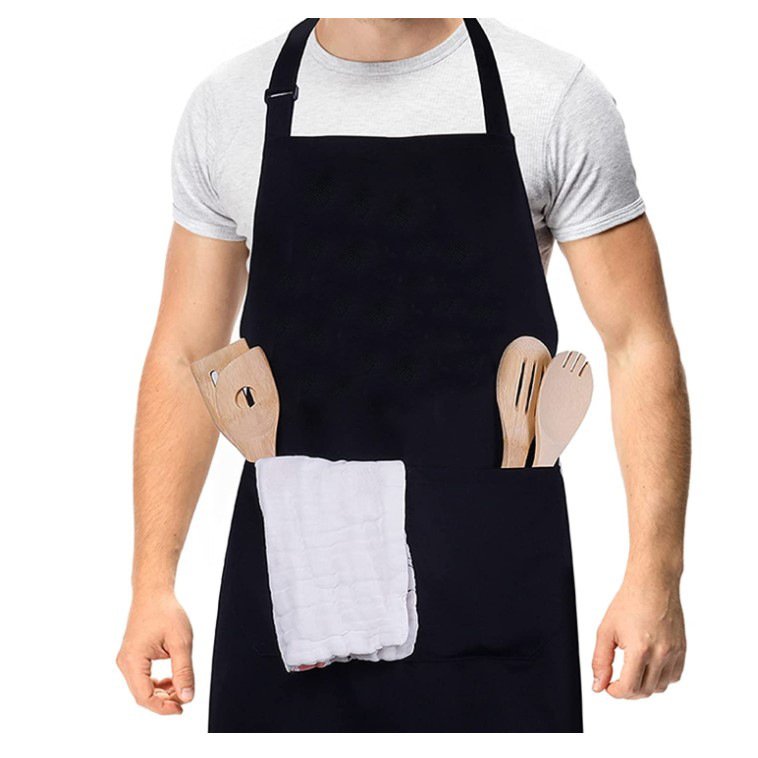
Premium quality kitchen aprons with adjustable straps and multiple pockets
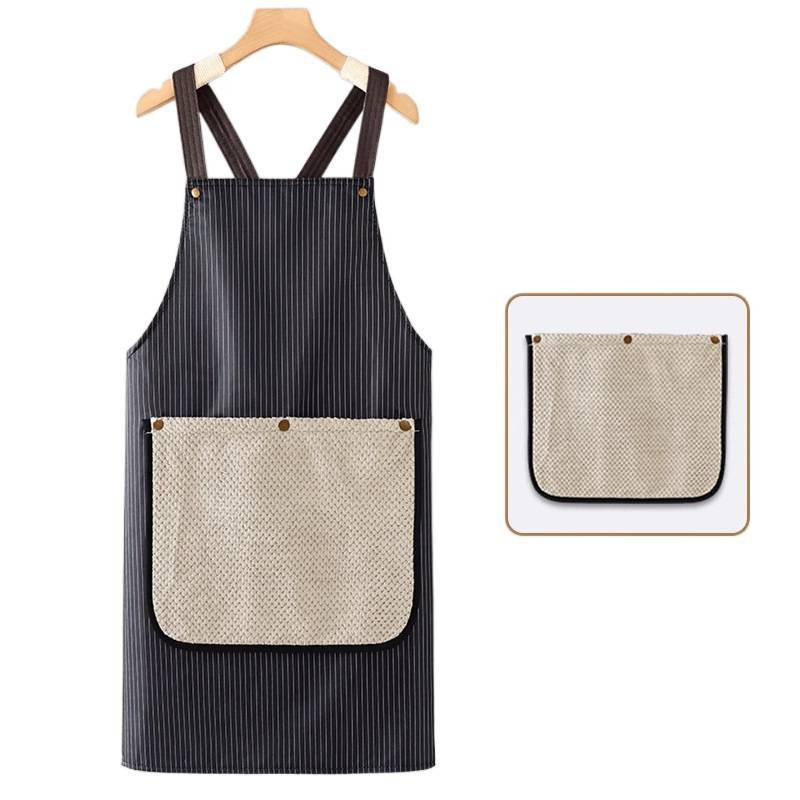
Wipeable PVC-coated aprons perfect for wet environments and easy cleaning
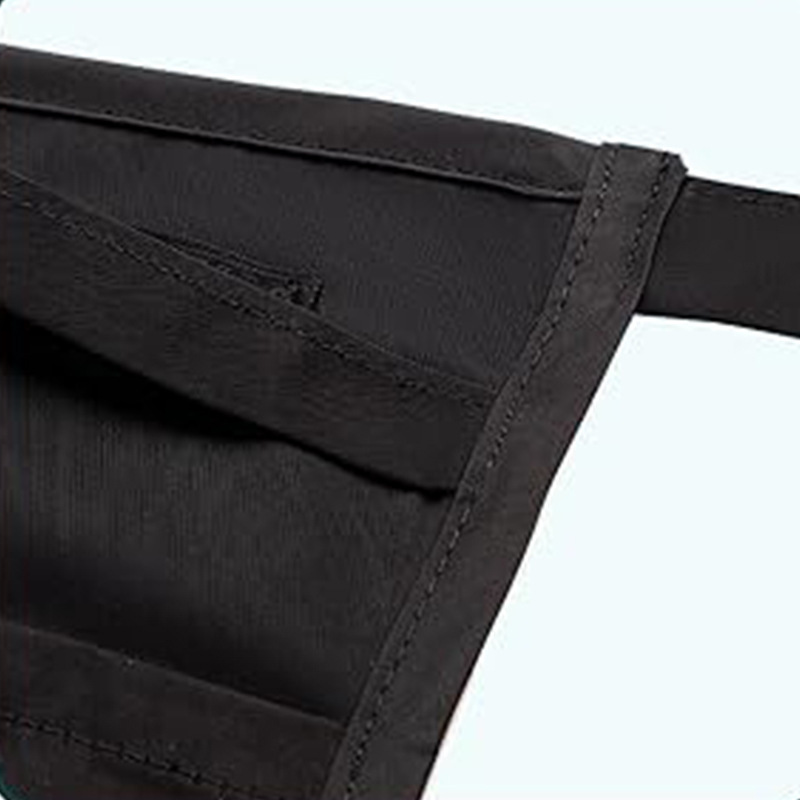
Comfortable cross-back design aprons ideal for long shifts in professional kitchens
The Apron Market in 2025: Trends and Growth Drivers
Understanding the apron market helps businesses and buyers make informed decisions. Let’s explore current market conditions, growth trends, and what’s driving demand globally.
Global Market Size and Projections
First, the global apron market reached approximately $3.8 billion in 2024. Moreover, experts project growth at a compound annual growth rate (CAGR) of 6.4% through 2033. Therefore, the market should exceed $6.5 billion by 2033. This substantial growth reflects increasing demand across multiple sectors.
Additionally, regional markets show different growth patterns. North America and Europe represent mature markets with steady demand. Meanwhile, Asia-Pacific shows the fastest growth due to expanding hospitality and manufacturing sectors. Furthermore, emerging markets in Latin America and Africa present new opportunities.
Key Growth Drivers
Moreover, several factors drive apron market growth:
1. Hygiene and Safety Regulations
First, stricter food safety regulations worldwide mandate protective clothing. Organizations like the FDA and WHO emphasize hygiene standards. Consequently, restaurants, hotels, and food processors invest heavily in quality aprons. Therefore, compliance requirements boost consistent demand.
2. Growth in Hospitality Industry
Additionally, the global hospitality sector continues expanding. More restaurants, cafes, and hotels open worldwide. Moreover, these establishments require staff uniforms including aprons. Therefore, hospitality growth directly drives apron sales.
3. Rising Home Cooking Trends
Furthermore, home cooking surged during recent years. Consequently, consumers invest in quality kitchen equipment including aprons. Moreover, cooking shows and social media influencers popularize stylish aprons. Therefore, the retail consumer market grows significantly.
4. Sustainability Movement
Additionally, environmental consciousness drives demand for sustainable aprons. Consumers prefer organic cotton, recycled materials, and eco-friendly production. Moreover, businesses seek sustainable uniforms to enhance corporate responsibility. Consequently, manufacturers like Favor Houseware emphasize eco-friendly practices.
5. Customization and Branding
Finally, businesses increasingly use branded aprons for marketing. Custom logos and designs transform aprons into advertising tools. Moreover, promotional aprons create brand visibility and professional image. Therefore, customization services become essential market drivers.
Regional Demand by Sector
| Region | Market Size 2024 | Leading Sectors | Growth Rate | Key Trends |
|---|---|---|---|---|
| North America | $1.4B | Hospitality, retail | 4.8% | Premium quality, sustainability |
| Europe | $1.1B | Food service, industrial | 5.2% | Organic materials, fair trade |
| Asia-Pacific | $950M | Manufacturing, hospitality | 8.9% | Rapid expansion, customization |
| Latin America | $220M | Food service, retail | 7.1% | Emerging market growth |
| Middle East & Africa | $130M | Hospitality, industrial | 6.8% | Tourism-driven demand |
Industry Trends Shaping Apron Design
Moreover, several trends influence apron design and features:
- Smart fabrics: Water-resistant, stain-resistant, and antimicrobial treatments
- Ergonomic designs: Cross-back styles that reduce neck strain
- Minimalist aesthetics: Clean, modern designs for contemporary kitchens
- Multi-functional pockets: Specialized compartments for phones, tablets, tools
- Adjustable sizing: One-size-fits-most with extensive adjustment
- Gender-inclusive designs: Unisex styles that work for all body types
- Bold colors and patterns: Moving beyond traditional black and white
“The apron market is evolving from purely functional to fashion-forward. Consumers now demand aprons that perform excellently while looking stylish. This shift creates opportunities for innovative manufacturers.” – Grand View Research Market Analysis
Key Materials for Aprons: Fabrics, Coatings & Certifications
Choosing the right material for your apron is crucial. Different fabrics offer distinct advantages depending on use case. Let’s explore the main materials and their properties in detail.
Cotton Aprons
First, cotton remains the most popular apron material. Cotton is a natural fiber that’s breathable, comfortable, and absorbent. Moreover, 100% cotton aprons work excellently for home kitchens and light commercial use. Additionally, cotton accepts dyes well, allowing vibrant colors and patterns.
Furthermore, cotton aprons improve with washing—they become softer over time. However, pure cotton wrinkles easily and may shrink 3-5% initially. Therefore, many manufacturers pre-shrink cotton or blend it with synthetics. According to Cotton Incorporated research, cotton’s natural properties make it ideal for food service applications.
Cotton Advantages:
- Breathable and comfortable for long wear
- Absorbent for managing spills
- Durable with proper care (300-400 uses)
- Easy to wash and maintain
- Accepts custom printing and embroidery well
- Affordable for bulk purchasing
Polyester and Poly-Cotton Blends
Next, polyester and poly-cotton blend aprons offer balanced performance. Common blends include 65/35 (poly/cotton) or 50/50 ratios. These blends combine cotton’s comfort with polyester’s durability. Moreover, they resist wrinkles better than pure cotton. Additionally, they dry faster and maintain shape longer.
Furthermore, poly-cotton blends cost less than pure cotton while offering superior longevity. Therefore, they’re popular for high-volume commercial use. Professional manufacturers like Favor Houseware specialize in quality blend aprons with consistent performance.
Denim and Canvas Aprons
Additionally, denim and canvas aprons provide maximum durability. These heavy-weight materials resist tears, punctures, and abrasion. Moreover, they offer excellent protection in workshops and industrial settings. Furthermore, denim and canvas develop attractive patina with age and use.
However, these materials are heavier and less breathable than cotton. Therefore, they’re better for craft work, woodworking, and gardening rather than hot kitchens. Consequently, choose based on your specific work environment and needs.
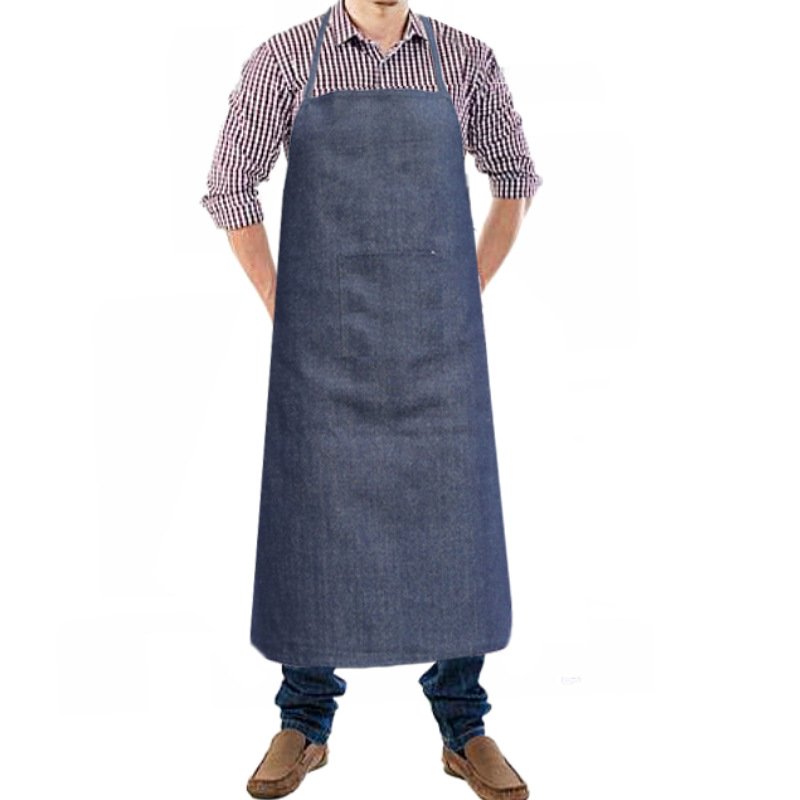
Heavy-duty canvas aprons perfect for workshops, crafts, and industrial use

Professional-grade bib aprons with reinforced stitching and adjustable straps
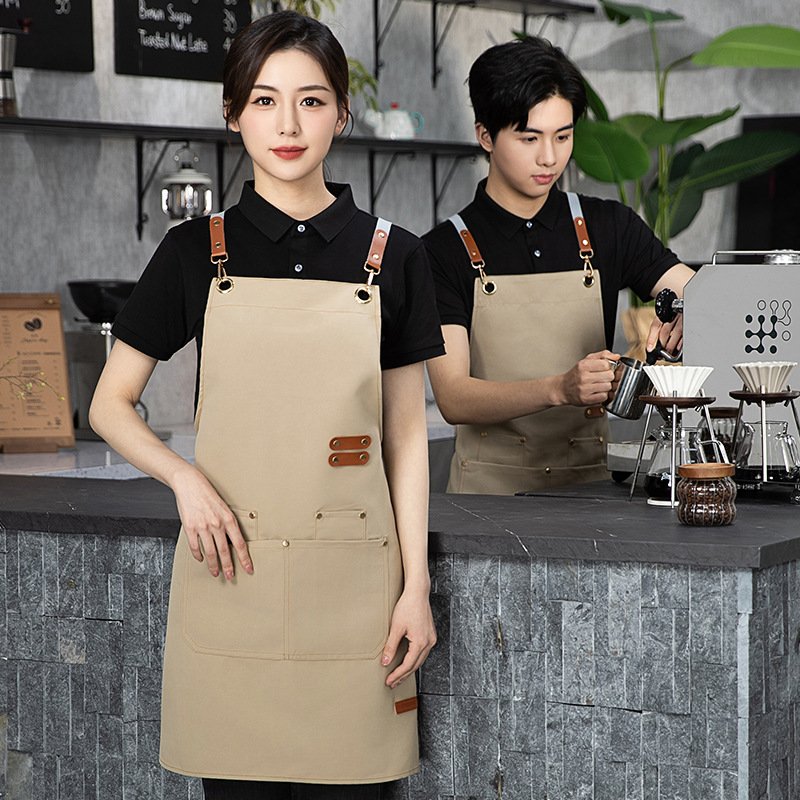
Custom printed aprons with vibrant logos perfect for restaurant branding
PVC/PU-Coated Waterproof Aprons
Moreover, PVC or PU-coated aprons offer complete waterproofing. These aprons feature polyester fabric coated with vinyl or polyurethane. Consequently, they repel liquids entirely, making them perfect for wet environments. Additionally, they’re extremely easy to clean—just wipe down with a damp cloth.
Furthermore, coated aprons work excellently for:
- Dishwashing stations
- Fish and meat processing
- Chemical handling
- Laboratory work
- Janitorial services
However, coated aprons aren’t breathable. Therefore, they can feel hot during extended wear. Moreover, they’re less comfortable than fabric aprons. Consequently, use them for specific wet-work tasks rather than all-day wear.
Linen Aprons
Additionally, linen aprons offer premium quality and style. Linen comes from flax plants and provides excellent durability. Moreover, linen is naturally antimicrobial and odor-resistant. Furthermore, it dries quickly and maintains a crisp appearance.
However, linen costs more than cotton. Additionally, it wrinkles easily, though many consider this part of its charm. Therefore, linen aprons work best for upscale restaurants, artisan bakeries, and style-conscious home cooks.
Material Comparison Table
| Material | Durability (Uses) | Care Ease | Water Resistance | Breathability | Cost | Best For |
|---|---|---|---|---|---|---|
| 100% Cotton | 300-400 | Easy | Low (absorbent) | Excellent | $$ | Home kitchens, comfortable wear |
| Poly-Cotton Blend | 400-500 | Very Easy | Moderate | Good | $ | Restaurants, high-volume use |
| Denim/Canvas | 500-600 | Moderate | Low | Moderate | $$$ | Workshops, crafts, gardening |
| PVC/PU-Coated | 200-300 | Very Easy (wipe clean) | Excellent (waterproof) | Poor | $$ | Wet work, industrial, dishwashing |
| Linen | 400-500 | Moderate | Low | Excellent | $$$$ | Upscale restaurants, artisan bakeries |
| Leather | 600-800 | Difficult | Good | Poor | $$$$$ | Welding, blacksmithing, BBQ |
Material Certifications
Furthermore, quality aprons should carry relevant certifications. These certifications ensure safety, quality, and ethical production. Look for these important standards:
OEKO-TEX Standard 100
First, OEKO-TEX certification ensures textiles are free from harmful substances. This matters especially for food-contact aprons. Moreover, certified products meet strict safety requirements. Therefore, look for OEKO-TEX certification when purchasing aprons for food service.
BSCI (Business Social Compliance Initiative)
Additionally, BSCI certification confirms ethical manufacturing practices. This includes fair wages, safe working conditions, and environmental responsibility. Moreover, socially responsible buyers increasingly require BSCI certification. Manufacturers like Favor Houseware maintain BSCI certification, ensuring ethical production.
Views: 4