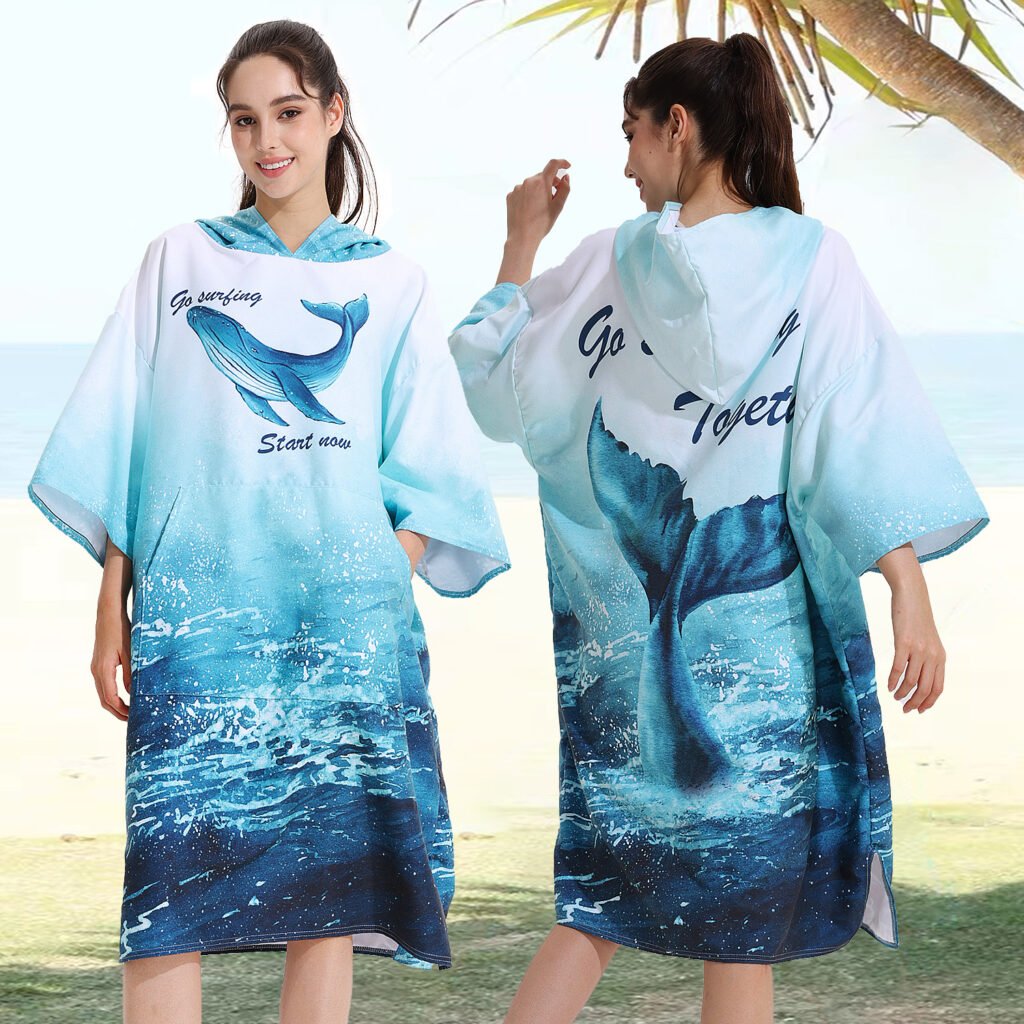
How to Wash and Care for Your Surf Poncho Towel
So you finally got a surf poncho you love. Smart move. But here is the thing — how you wash and care for your surf poncho towel makes a huge difference. It can mean the difference between a poncho that lasts 3 years and one that falls apart after just a few months.
In this guide, we cover everything you need to know. You will find washing steps, drying tips, hygiene facts, and a simple checklist. Moreover, we back it all up with real data and expert guidance so you can make confident decisions.
⚡ Quick Key Takeaways — Surf Poncho Care at a Glance
- ✅ Wash frequency: Every 3–4 uses, or sooner if damp or smelly
- ✅ Cotton ponchos: Cold water, gentle cycle, mild detergent
- ✅ Microfiber ponchos: 30–40 °C max, mild low-suds detergent
- ✅ Drying: Air-dry in sunlight whenever possible
- ✅ Always avoid: Bleach, fabric softener, and hot cycles
- ✅ Storage: Completely dry first, then fold in a cool, dark place
- ✅ Replace when: Fabric thins, odor persists, or absorbency drops noticeably



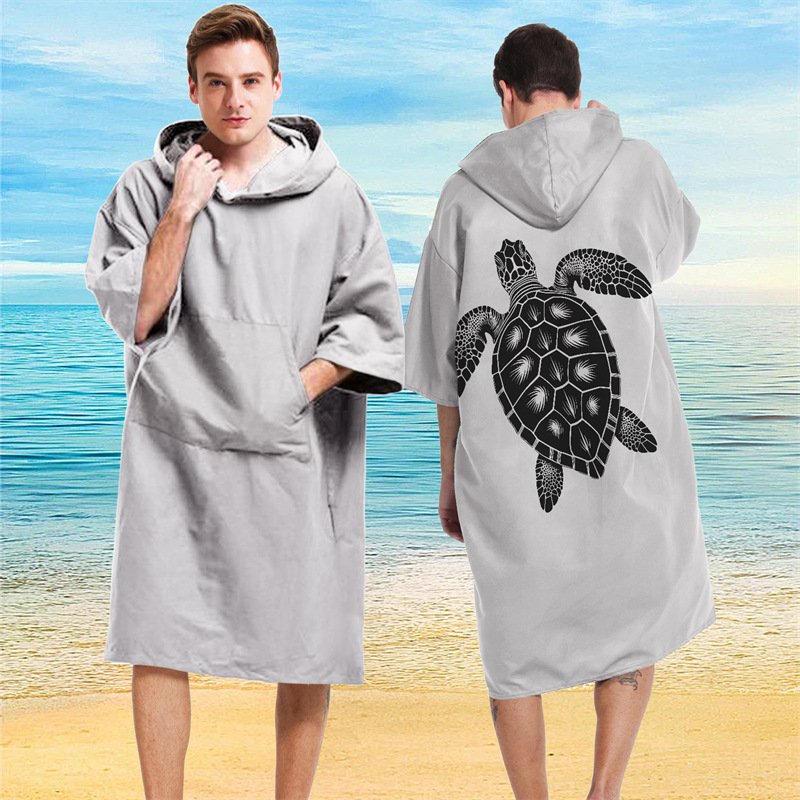
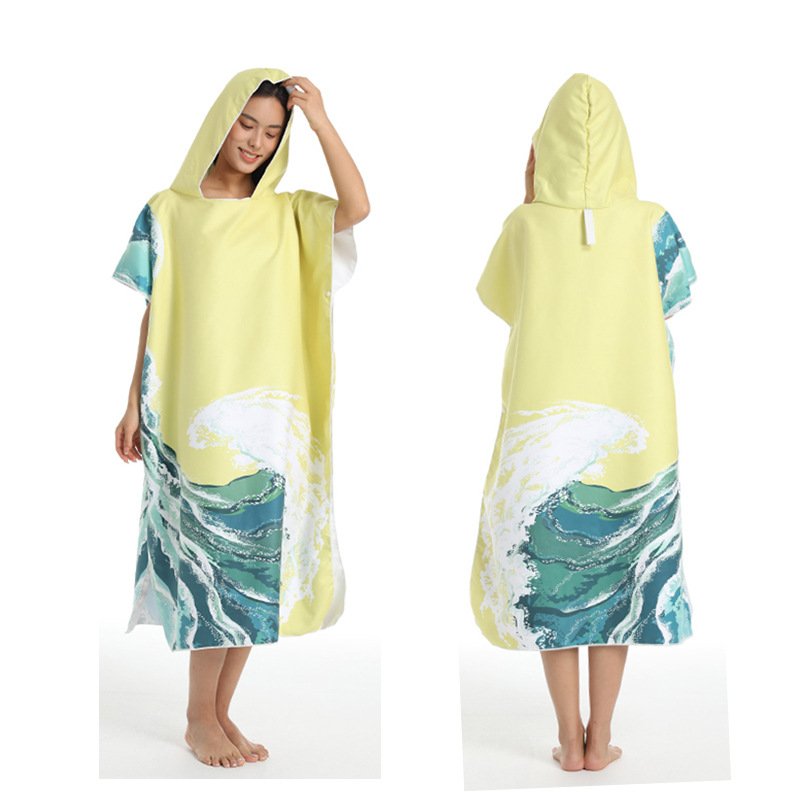
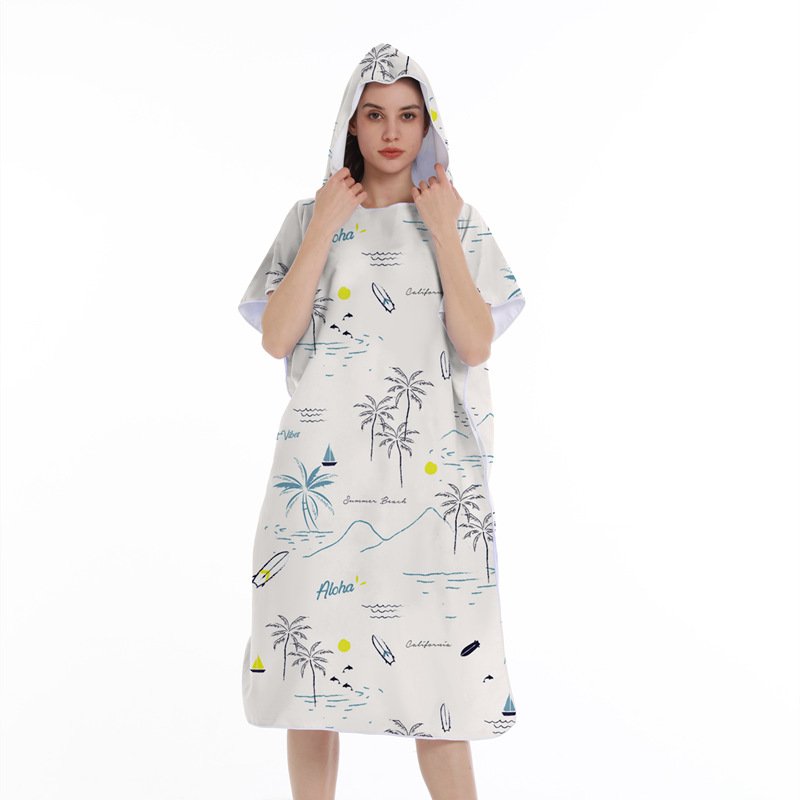
1. Why Surf Poncho Care Really Matters
Many surfers think washing a poncho is simple. Toss it in the machine and you are done, right? Actually, there is a lot more to it. First, let’s look at what happens to your poncho after every session in the water.
After each surf, your poncho picks up salt, sand, and organic residues. Over time, these materials slowly break down the fibers. As a result, your poncho gets rougher, loses its shape, and stops absorbing water as well as it used to.
What Happens If You Don’t Wash It?
Beyond fiber damage, there is a more serious issue — bacteria. A damp, salty towel left in your car or beach bag becomes a perfect breeding ground for harmful microbes.
“Towels left damp become breeding grounds for bacteria — including common species like E. coli, staphylococci, and environmental bacteria from sand and water.”
— Microbiologists studying household towel hygiene
Furthermore, this is not just a mild concern. Real lab tests on household towels found that infrequently washed towels were “teeming with bacteria too numerous to count.” That is alarming, especially when you press that poncho against your face and body after every surf session.
| Source | Common Microbes Identified |
|---|---|
| Beach towels (skin contact) | Staphylococci, micrococci, diphtheroids |
| Beach sand and water | E. coli, Salmonella, Campylobacter, MRSA |
The Hidden Hygiene Risk Most Surfers Ignore
Here is a fact that surprises many people. Under ideal lab conditions, E. coli can double in population every 20 minutes. So a slightly contaminated, damp poncho left overnight can carry millions of bacteria by morning. Therefore, proper washing and drying is not just about keeping your poncho soft — it is about keeping you healthy.
For a deeper look at certified safe and tested surf towel materials, explore the Favor Houseware surf poncho towel range — all products comply with OEKO-TEX 100 and SGS standards.
2. How Often Should You Wash a Surf Poncho Towel?
You do not need to wash your surf poncho after every single session. However, you should never leave it weeks between washes either. The sweet spot depends on how and where you use it.
Washing Frequency by Use Type
| Use Condition | Recommended Wash Frequency |
|---|---|
| Regular saltwater surfing (fully dried between uses) | Every 3–4 uses |
| Poncho stays damp between sessions | Wash immediately |
| Used in lake, river, or pool water | Wash immediately after use |
| Smells musty or feels stiff | Wash immediately |
| Used in very hot or humid weather | Every 2–3 uses |
Additionally, research published by hygiene scientists showed that people who washed towels only every 3–4 weeks had counts that were “too numerous to count.” Meanwhile, those who washed every 3–4 days had significantly lower microbial loads. Consistent washing is therefore one of the simplest ways to protect your health.
3. Step-by-Step: How to Wash a Surf Poncho Towel
Before you start, check the care label on your poncho. Most surf ponchos are made from either cotton terry or microfiber. Each one needs slightly different treatment. Fortunately, both are straightforward once you know what to do.
Cotton Surf Poncho Washing Guide
Cotton is durable and forgiving, but it still needs the right care to stay soft and colorful for years. Follow these steps every wash:
- Shake out sand — Do this outside before you put the poncho near your machine. Sand is abrasive and damages drum seals over time.
- Turn it inside out — This protects printed designs, logos, and the outer color from fading in the wash.
- Close all zippers and Velcro — Open fasteners can snag and tear the fabric of the poncho or other items in the load.
- Select a gentle cycle — Use cold water and a gentle/delicate cycle setting on your machine.
- Add a mild detergent — Use a gentle, standard liquid detergent. Avoid anything with bleach or harsh chemicals.
- Skip fabric softener — Fabric softener coats the fibers and reduces absorbency. It also traps bacteria residue. So skip it every time.
- Run the wash — Let the machine complete its cycle fully before removing the poncho.
Microfiber Surf Poncho Washing Guide
Microfiber ponchos are popular because they dry faster and feel incredibly soft. However, they are also more sensitive to heat and certain products. Here is how to wash them correctly:
- Shake out sand and debris — Grit damages microfiber strands more easily than cotton.
- Wash separately or with similar items — Never wash microfiber with heavy cotton items or clothes that shed lint. Lint clogs microfiber loops and kills absorbency.
- Set temperature to 30–40 °C (86–104 °F) maximum — Industrial microfiber care guides warn that temperatures near 60 °C (140 °F) approach the melting point of microfiber strands, permanently damaging them.
- Use a mild, low-suds detergent only — Standard detergents leave soap residue in microfiber loops. Use a detergent with no fragrances, dyes, or bleach.
- Select gentle or delicate cycle — Strong agitation breaks down microfiber faster.
- No fabric softener — ever — This is the number one microfiber mistake. Softeners block the microfiber channels that make these towels so absorbent.
| Material Type | Max Wash Temp | Detergent Type | Avoid |
|---|---|---|---|
| Cotton surf poncho | Cold (up to 30 °C / 86 °F) | Mild, standard liquid detergent | Bleach, harsh detergents, hot water |
| Microfiber surf poncho | 30–40 °C (86–104 °F) | Mild, low-suds, fragrance-free | Fabric softener, bleach, hot water above 60 °C |
4. Best Drying Practices to Extend Poncho Lifespan
Washing your surf poncho correctly is only half the job. How you dry it matters just as much. In fact, improper drying is one of the top reasons ponchos develop persistent odors and deteriorate faster than they should.
Air Dry vs. Tumble Dry — Which Is Better?
Air drying is almost always the better choice for surf ponchos. It is gentler on fibers, uses no energy, and preserves your poncho’s shape and color much longer. However, tumble drying on a low heat setting is acceptable occasionally if you are in a hurry.
- Air dry: Hang in a well-ventilated area or ideally outdoors in sunlight. Shake the poncho out first to restore fluffiness in the fibers.
- Tumble dry: If needed, use the lowest heat setting only. Remove promptly when dry to avoid over-drying, which damages both cotton and microfiber.
- Never wring microfiber: Wringing twists and breaks the ultra-fine strands inside microfiber fabric. Instead, gently squeeze excess water out.
- Avoid high heat in the dryer: High temperatures break down fibers quickly, fade colors, and reduce absorbency — especially for microfiber ponchos.
Bathroom vs. Sunlight Drying — What the Data Shows
You might be tempted to hang your poncho in the bathroom after surfing. However, the data tells a very different story about this habit.
An experiment comparing towels dried in a bathroom versus in direct sunlight found around 600 bacterial colonies after 24 hours when dried indoors — versus roughly 300 bacterial colonies when sun-dried. That is about half the bacteria just by drying outside.
| Habit / Condition | Observed Result |
|---|---|
| Washed every 3–4 weeks | Towel “teeming with bacteria” — too numerous to count |
| Washed every 3–4 days of use | Significantly lower microbial count |
| Dried in a humid bathroom (24 hours) | ~600 bacterial colonies found |
| Dried in direct sunlight (24 hours) | ~300 bacterial colonies found |
Therefore, the simple habit of drying your surf poncho in sunlight instead of in a humid bathroom can cut your bacterial exposure roughly in half. That is a powerful reason to let the sun do the work.
For surf brands and retailers sourcing wholesale ponchos, our custom surf poncho towels are tested under repeated cold-wash and sun-dry cycles at our facility. Learn more about our manufacturing process and quality standards.
5. Common Washing Mistakes That Damage Surf Ponchos
Even careful people make these mistakes. Avoiding them is the single fastest way to extend your surf poncho’s life.
- Using hot wash cycles: Heat breaks down both cotton and microfiber fibers quickly. It also sets stains instead of removing them. Always use cold or warm water only.
- Adding fabric softener: This is probably the most common mistake. Fabric softener leaves a waxy residue that blocks fibers — especially in microfiber ponchos — making them less absorbent with every wash.
- Bleaching the fabric: Bleach destroys color and weakens cotton fibers rapidly. It is especially damaging when combined with the UV exposure your poncho already receives at the beach.
- Tumble drying on high heat: High heat in the dryer is as damaging as a hot wash cycle. It also causes cotton ponchos to shrink and microfiber to lose its texture.
- Leaving it bunched in a wet bag: Piling a wet poncho in a sealed bag or car trunk for hours — or days — creates the perfect breeding ground for bacteria and mold. Always hang it to dry as soon as possible.
- Washing with lint-heavy clothes: Jeans, fleeces, and heavy cotton items shed lint that clogs microfiber loops permanently. Wash your poncho with similar towel-type items only.
- Skipping the care label: Every quality poncho has a care label for a reason. Always check it first, especially if your poncho has a custom print or special lining.
6. Quick Care Checklist After Every Surf Session
You do not need to wash your poncho after every single surf. However, there are a few quick steps you should do every time to keep it clean and ready for next time. Think of this as your post-surf routine.
- Shake out all sand vigorously — Do this while the poncho is still dry or slightly damp. Sand is abrasive and speeds up fiber wear.
- Rinse with fresh water — If the poncho was heavily exposed to saltwater or sand, a quick freshwater rinse before hanging removes the worst of the residue.
- Hang in a ventilated spot or in sunlight — Never crumple it into a bag or leave it in a hot car trunk.
- Check if it is fully dry before your next session — If it is still damp, that is your cue to wash it before using it again.
- Smell test — A musty smell means bacteria are already active. Wash immediately before your next use.
- Check for sand in pockets or the hood — These areas trap sand and debris that can transfer to your skin or the washing machine drum.
7. Hygiene and Health: What Lives in a Neglected Surf Towel?
This section might surprise you. Most surfers focus on performance and feel when it comes to their ponchos. However, the hygiene side is just as important — and frankly, a little alarming when you dig into the numbers.
Beach environments are full of microbes. When you wrap a surf poncho around your body after a session, it picks up bacteria from your skin, the sand, and the seawater. Then, if it stays damp, those bacteria multiply fast.
Under ideal conditions, E. coli populations can double every 20 minutes. So a mildly contaminated, damp poncho left overnight could theoretically carry millions of bacteria by morning.
Furthermore, real-world towel hygiene studies reinforce this concern. Researchers found that towels washed infrequently — only once every few weeks — were often “too numerous to count” in bacterial colony tests. In contrast, towels washed every few days showed significantly lower microbial loads.
Some of the bacteria found on beach towels and in beach sand are not just unpleasant. They include pathogens like:
- Staphylococcus aureus (including MRSA — a drug-resistant strain)
- E. coli — causes gastrointestinal illness
- Salmonella spp. — food poisoning risk if transferred to hands
- Campylobacter — a leading cause of bacterial food poisoning
For further reading on towel hygiene research, you can explore studies published via resources like the National Center for Biotechnology Information (NCBI) or general hygiene guidelines from the CDC’s personal hygiene resource center.
The good news is simple. Regular washing plus proper drying dramatically reduces this risk. As we covered above, drying in sunlight alone cuts bacterial colonies by roughly half compared to drying in a bathroom. So the solution is straightforward — just follow the steps in this guide.
8. Eco-Friendly Washing Tips for Surf Ponchos
Surfers care about the ocean. So it makes sense to wash your surf gear in ways that do not harm the environment. Fortunately, eco-friendly surf poncho care and good hygiene actually go hand in hand.
- Wash only when needed: You do not need to wash after every use. Following the 3–4 use guideline already reduces water and energy consumption compared to daily washing.
- Always use cold or cool water: Cold-water cycles use significantly less energy than warm or hot cycles. Plus, as we showed above, cold water is actually better for your poncho’s fibers.
- Choose eco-certified detergents: Look for detergents that are free from phosphates, synthetic fragrances, artificial dyes, and bleach. These are better for your poncho and for the marine environment you love.
- Use a microplastic filtration bag or ball: If your poncho has a synthetic outer shell or is microfiber-based, washing it inside a Guppyfriend bag or using a Cora Ball helps catch microplastic fibers before they reach waterways. Several surf brand care guides recommend this practice.
- Use a delicate cycle: Shorter, gentler cycles release fewer microfibers into wastewater — a win for both your poncho and the ocean.
- Air dry instead of tumble dry: Air drying uses zero electricity and is better for the poncho. It is the most eco-friendly drying option available.
9. How to Store Surf Ponchos Between Seasons
When surf season ends, a lot of ponchos get shoved in a closet or drawer without much thought. However, how you store your poncho matters more than most people realize. Poor storage leads to mildew, persistent odors, and premature fiber breakdown.
Follow these simple storage tips and your poncho will come out fresh and ready at the start of next season:
- Wash it before storing — Never store a dirty or used poncho. Even if it looks clean, residual salt and bacteria will cause fiber damage and odors during storage.
- Make sure it is completely dry — Any trace of moisture inside a sealed or folded poncho will cause mold and mildew. Air dry fully in the sun before folding.
- Fold loosely and store in a cool, dry place — Avoid tight compression, which can crease fibers permanently over months of storage.
- Avoid sealed plastic bags — If there is any residual moisture, a sealed bag traps it in and leads to mildew. Use a breathable cotton bag or an open shelf instead.
- Keep away from direct sunlight during storage — UV light fades colors over time, even indoors. A dark cupboard or drawer works best.
- Do a pre-season refresh wash — At the start of the new season, give your poncho a quick cold wash before using it again. This removes any dust or storage odors that built up.
10. When Should You Replace Your Surf Poncho?
Even with perfect care, every surf poncho eventually reaches the end of its useful life. The good news is that with proper washing and drying, a quality poncho can last 1–3 years for frequent surfers — and even longer for those who use it more occasionally.
Signs It’s Time for a New One
- 🔴 Persistent odor even after washing: This usually means bacteria have formed deep biofilms in the fibers that normal washing can no longer remove.
- 🔴 Loss of absorbency: If your poncho no longer soaks up water efficiently and just pushes water around, the fibers are degraded.
- 🔴 Thinning fabric or bald patches: Especially on high-friction areas like the hood and hem — thinning means the structural integrity of the fabric is compromised.
- 🔴 Visible damage: Holes, frayed seams, or tears that cannot be repaired are clear signs it is time for a replacement.
- 🔴 Stiff or rough texture that won’t improve: If the poncho feels scratchy and rough even after a fresh cold wash, the fibers have likely broken down permanently.
How Long Do Surf Ponchos Last?
| Usage Frequency | Expected Lifespan (with proper care) | Key Factor |
|---|---|---|
| Heavy use (4–7 sessions/week) | 1–2 years | Washing discipline and drying habits |
| Moderate use (1–3 sessions/week) | 2–3 years | Avoid softener, bleach, and hot cycles |
| Occasional use (a few times/month) | 3–5 years | Proper storage between sessions |
When you are ready to replace your poncho, it is a great opportunity to upgrade. Consider choosing a product that is made to higher standards from the start. Browse the Favor Houseware surf poncho collection or explore our surf change robe options — all built to last and easy to care for.
11. FAQ — People Also Ask About Surf Poncho Care
Here are the most common questions surfers ask about washing and caring for their ponchos. We have also included a concise answer for each to help you find what you need fast.
How do you wash a surf poncho?
Machine-wash on a gentle cycle in cold water with a mild detergent. Turn it inside out, close any Velcro or zippers, and avoid bleach and fabric softeners. After washing, air-dry in a well-ventilated area or in direct sunlight for best results.
Can you put a surf poncho in the dryer?
Most brands recommend air-drying to protect the fibers and maintain shape. However, if you must use a dryer, choose the lowest heat setting and remove the poncho promptly once dry. High temperatures damage both cotton and microfiber fibers and reduce absorbency over time.
How often should I wash my surf poncho towel?
For most surfers, washing every 3–4 uses is the ideal balance between hygiene and longevity. However, you should wash it immediately if it stays damp, smells musty, or was used in lake, river, or pool water. Hygiene research shows that washing every 3–4 days of use keeps bacterial counts significantly lower than washing every few weeks.
Can I wash my surf poncho with other clothes?
It is better to wash your surf poncho separately or with similar towel-type items. Mixing it with heavy cotton garments or fleeces risks lint transfer, which can clog microfiber loops permanently. Microfiber care guides specifically recommend washing by item category.
Why does my surf poncho smell even after washing?
Persistent odor usually means bacteria have formed biofilms in the fibers. This typically happens when the poncho is not dried fully between uses, or when it is washed too infrequently. More frequent washing, proper air drying in sunlight, and avoiding fabric softeners will help eliminate and prevent this problem.
Do I need a special detergent for microfiber surf ponchos?
Yes. A mild, low-suds detergent without fragrances, dyes, bleach, or fabric softeners is strongly recommended for microfiber ponchos. Standard household detergents can leave residue in the microfiber loops, reducing absorbency over time.
Is cold water enough to clean a surf poncho?
Yes, for lightly to moderately soiled ponchos, cold water with a good mild detergent is fully adequate. In fact, cold water is directly recommended by most surf poncho brands. For heavily soiled items, warm water (not hot) within microfiber temperature limits is acceptable.
How do I remove sand from a surf poncho towel?
Shake the poncho vigorously while it is still dry or only slightly damp — sand releases much more easily when dry. Then brush off remaining grains before putting the poncho in the wash. A quick freshwater rinse before the main wash also helps remove salt and fine sand that can irritate skin and gradually wear down fibers.
Can I use fabric softener on surf ponchos?
No. Multiple microfiber care guides and surf poncho brand care pages explicitly warn against fabric softeners. They leave a waxy residue that blocks fibers — particularly microfiber loops — and significantly reduces absorbency. Avoid fabric softener every time, for both cotton and microfiber ponchos.
How do I care for a waterproof or lined changing robe?
Wash a waterproof or lined surf changing robe only when necessary, on a delicate cycle in cold water. Always follow the manufacturer’s care label instructions. For synthetic outer shells, consider using a microplastic filtration bag during the wash to reduce environmental impact. Never tumble dry on high heat.
12. Why the Quality of Your Poncho Affects How Easy It Is to Maintain
Here is something that does not get talked about enough. The easier your surf poncho is to care for, the more it comes down to how well it was made in the first place.
A higher-quality surf poncho — one made with properly selected GSM, good yarn quality, and correct finishing — does several things better right out of the box:
- It resists pilling and fiber breakdown under repeated cold-wash cycles
- It maintains color fastness better after repeated washing and UV exposure
- It dries faster, which reduces bacterial growth between sessions
- It absorbs more effectively because the fiber structure is intact from the start
This is where choosing the right manufacturer matters. Poorly made ponchos — even if washed perfectly — will deteriorate much faster than a well-constructed product. That is why, at Favor Houseware, we invest heavily in raw material selection, precise weaving, and strict quality inspection before any product leaves our factory.
🏭 Favor Houseware Co., Ltd. is a certified beach towel manufacturer based in Yiwu, Zhejiang Province, China — with over 15 years of experience. We specialize in custom and wholesale surf ponchos, surf changing robes, microfiber towels, and a full range of custom beach towels.
All products are certified under OEKO-TEX 100, BSCI, SGS, and FDA standards. We offer low MOQ starting from 100 pieces, free samples (you only pay freight), digital custom printing with no MOQ, and fast delivery from our Yiwu factory.
➡️ Contact us today for a free quote | Browse surf ponchos | Read more care guides
Conclusion: Take Care of Your Surf Poncho and It Will Take Care of You
Caring for your surf poncho towel does not have to be complicated. As this guide shows, a few consistent habits make all the difference.
To quickly recap the most important points: wash your poncho every 3–4 uses in cold or warm water on a gentle cycle. Use a mild detergent and skip the fabric softener and bleach — every time, for both cotton and microfiber. Dry it in sunlight whenever possible, and store it fully dry in a breathable, cool place between seasons.
Furthermore, keep an eye on the signs of wear — persistent odor, thinning fabric, and reduced absorbency are your signals that it is time for a replacement. With the right care routine, a quality surf poncho can easily last 2–3 years or more.
Finally, remember that care starts before you even buy. A well-made poncho with quality materials is simply easier to maintain and lasts significantly longer than a cheap alternative.
🏄 Ready to Upgrade Your Surf Poncho?
Whether you are a surfer looking for a personal upgrade, a surf school stocking up, or a brand building a custom product line — Favor Houseware has you covered. 15 years of manufacturing experience, OEKO-TEX certified materials, MOQ from just 100 pieces, and free samples available.
🏄 Shop Surf Ponchos ✉️ Get a Free Quote 🧥 Browse Change RobesViews: 0