🔥 Oven Mitt Quick Comparison
| Material Type | Heat Resistance | Best For | Key Advantage |
|---|---|---|---|
| Silicone | Up to 450°F (232°C) | Quick tasks, grilling | Waterproof & easy to clean |
| Fabric (Cotton/Aramid) | Up to 500°F (260°C) | Baking, roasting | Comfortable & flexible |
| Hybrid | Up to 480°F (249°C) | All-purpose cooking | Combines best features |
The Complete Guide to Oven Mitts: Materials, Safety, and Buying Tips
Whether you’re baking cookies or grilling steaks, an oven mitt is your kitchen’s most important safety tool. In fact, kitchen burns account for over 550,000 injuries annually in the United States alone. Therefore, choosing the right oven mitt can make a huge difference in your cooking safety.
In this comprehensive guide, we’ll explore everything you need to know about oven mitts. Additionally, we’ll cover materials, safety tips, and buying advice to help you make the best choice.
Table of Contents
- What is an Oven Mitt? Understanding the Basics
- Oven Mitt Materials: A Complete Comparison
- Heat Resistance Ratings Explained
- Safety Tips: Using Your Oven Mitt Correctly
- Choosing the Right Size and Fit
- Beyond the Oven: Other Uses for Your Mitt
- Care and Maintenance Guide
- Design Features That Matter
- Oven Mitt Market Trends and Insights
- Customization and Branding Opportunities
- Sustainability in Oven Mitt Manufacturing
- Buying Guide: How to Choose the Best Oven Mitt
- Frequently Asked Questions
- Conclusion: Finding Your Perfect Oven Mitt
What is an Oven Mitt? Understanding the Basics
An oven mitt is a protective glove specifically designed for handling hot cookware and bakeware. Unlike regular gloves, oven mitts feature heat-resistant materials that shield your hands from extreme temperatures. Moreover, they provide a secure grip on slippery pots and pans.
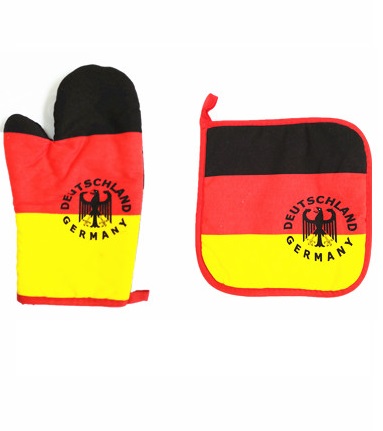
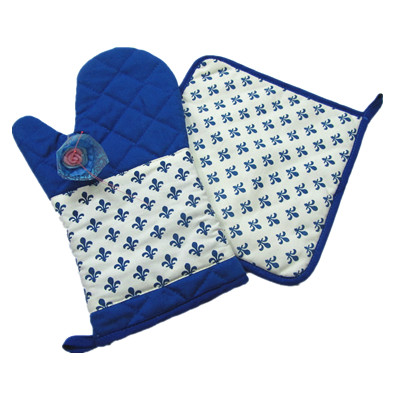
Oven Mitt vs Potholder: What’s the Difference?
Many people wonder about the difference between oven mitts and potholders. While both protect against heat, they serve different purposes:
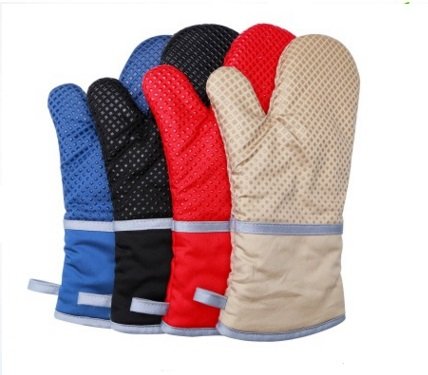
- Oven Mitts: Cover your entire hand and wrist, providing full protection. They’re ideal for reaching into ovens and handling large items.
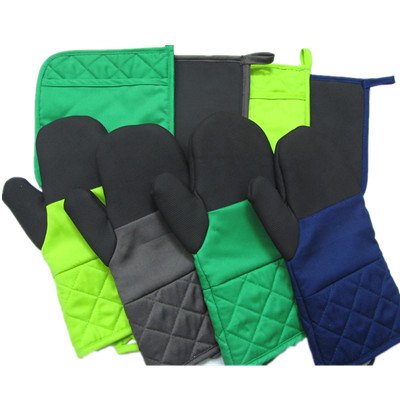
- Potholders: Flat, square pads that protect your hands when grabbing pot handles. However, they offer less coverage than mitts.
- Coverage: Mitts typically extend 7-12 inches up your forearm, while potholders are usually 7×7 inches square.
- Flexibility: Mitts allow better grip and movement, whereas potholders work best for stationary items.
“The best kitchen safety strategy includes both oven mitts and potholders. Together, they provide complete protection for all your cooking needs.” – Serious Eats Kitchen Safety Guide
How Oven Mitts Protect Your Hands
Oven mitts work through several protective layers. First, the outer layer resists heat transfer. Then, the middle insulation layer traps heat. Finally, the inner lining provides comfort against your skin. As a result, your hands stay safe even when handling items at 400°F or higher.
Oven Mitt Materials: A Complete Comparison
The material of your oven mitt determines its heat resistance, comfort, and durability. Therefore, understanding different materials helps you choose wisely. Let’s explore the most common options available today.
Silicone Oven Mitts: Pros and Cons
Silicone oven mitts have become increasingly popular in modern kitchens. Furthermore, they offer unique advantages that traditional fabric mitts don’t provide.
Advantages of Silicone Oven Mitts:
- Waterproof Protection: Unlike fabric mitts, silicone repels water and steam completely.
- Easy to Clean: Simply rinse with soap and water or toss in the dishwasher.
- Non-Slip Grip: Textured surfaces provide excellent grip on smooth cookware.
- Long-Lasting: Silicone doesn’t wear out or lose its heat resistance over time.
- Stain-Resistant: Food stains wipe off easily without leaving marks.
Disadvantages of Silicone Oven Mitts:
- Less Flexible: Silicone mitts can feel stiff, making delicate tasks harder.
- Bulky Design: Thicker than fabric options, reducing dexterity.
- Heat Retention: Can get uncomfortably hot during extended use.
- Limited Breathability: Your hands may sweat during longer cooking sessions.

Fabric Oven Mitts: Cotton, Aramid, and Blends
Fabric oven mitts remain the traditional choice for many home cooks. In addition, they offer excellent comfort and flexibility for detailed kitchen work.
Cotton Oven Mitts:
- Soft and comfortable against your skin
- Highly flexible for delicate tasks
- Breathable material prevents sweating
- Available in countless colors and patterns
- Requires multiple layers for adequate heat protection
Aramid Fiber Mitts (Kevlar/Nomex):
- Superior heat resistance up to 500°F (260°C)
- Lightweight yet extremely protective
- Used in professional and industrial kitchens
- More expensive than standard cotton mitts
- Exceptional durability and cut resistance
Blended Fabric Mitts:
- Combine cotton comfort with synthetic strength
- Balance between cost and performance
- Often include polyester for added durability
- Good middle-ground option for home kitchens
Many professional kitchens prefer fabric mitts because they provide better feel and control. According to Cook’s Illustrated testing, fabric mitts with aramid fibers score highest for both safety and usability.
Neoprene and Hybrid Oven Mitts
Hybrid oven mitts combine the best features of different materials. Consequently, they’re becoming increasingly popular among serious home cooks.
Neoprene Layer Benefits:
- Excellent insulation properties
- Water-resistant but more flexible than silicone
- Comfortable grip without excessive bulk
- Good for both wet and dry cooking tasks
Hybrid Construction Features:
- Silicone outer layer for grip and cleaning ease
- Fabric inner layer for comfort and flexibility
- Neoprene middle layer for maximum heat protection
- Combines advantages while minimizing drawbacks
| Material | Heat Resistance | Comfort | Durability | Care | Price Range |
|---|---|---|---|---|---|
| Silicone | Up to 450°F | Moderate | Excellent | Very Easy | $15-$30 |
| Cotton | Up to 400°F | Excellent | Good | Machine Wash | $8-$20 |
| Aramid | Up to 500°F | Very Good | Excellent | Machine Wash | $25-$50 |
| Neoprene | Up to 475°F | Good | Very Good | Hand Wash | $18-$35 |
| Hybrid | Up to 480°F | Very Good | Excellent | Easy | $20-$40 |
Which Material is Right for You?
Choosing the right material depends on your specific cooking needs. Therefore, consider these factors:
- For Baking: Choose fabric mitts with good flexibility for handling delicate items.
- For Grilling: Select silicone or hybrid mitts that resist moisture and outdoor conditions.
- For Professional Use: Invest in aramid fiber mitts for maximum protection and durability.
- For Budget-Conscious: Cotton mitts offer good protection at affordable prices.
- For Easy Maintenance: Silicone mitts require minimal cleaning effort.
Heat Resistance Ratings Explained
Understanding heat resistance ratings helps you choose oven mitts that truly protect your hands. Moreover, knowing these ratings prevents dangerous situations in your kitchen.
Understanding Temperature Ranges
Oven mitt manufacturers rate their products based on maximum heat exposure. However, these ratings can be confusing without proper context.
- 350°F (177°C): Standard baking temperature for cookies and cakes
- 400°F (204°C): Roasting vegetables and meats
- 450°F (232°C): Pizza stones and high-heat baking
- 500°F (260°C): Broiling and searing operations
- 550°F+ (288°C+): Professional grills and pizza ovens
Most home cooking happens between 350°F and 450°F. Therefore, an oven mitt rated for 450°F provides adequate protection for typical kitchen tasks. However, if you frequently grill or use high-heat techniques, consider mitts rated for 500°F or higher.
How Heat Resistance is Tested
Professional testing facilities evaluate oven mitts using standardized methods. Additionally, these tests ensure consumer safety and product reliability.
Standard Testing Procedures:
- Contact Heat Test: Mitts are placed against heated metal plates at various temperatures.
- Duration Testing: Measures how long mitts maintain protection at specific temperatures.
- Heat Transfer Rate: Calculates how quickly heat passes through to the hand.
- Thermal Imaging: Advanced cameras identify hot spots and weak areas.
- Burn-Through Testing: Determines the maximum temperature before material fails.
According to ASTM International standards, protective mitts must prevent second-degree burns during typical exposure times. Furthermore, manufacturers must clearly display maximum safe temperatures on product packaging.
What Temperature Rating Do You Actually Need?
Choosing the right temperature rating depends on your cooking style. Consequently, assess your typical kitchen activities before making a purchase.
| Cooking Activity | Typical Temperature | Recommended Mitt Rating | Exposure Time |
|---|---|---|---|
| Baking Cookies/Cakes | 325-375°F | 400°F minimum | 5-10 seconds |
| Roasting Meats | 375-425°F | 450°F recommended | 10-15 seconds |
| Grilling/BBQ | 400-500°F | 500°F minimum | 5-8 seconds |
| Broiling | 500-550°F | 550°F recommended | 3-5 seconds |
| Pizza Ovens | 500-700°F | 600°F+ required | 2-4 seconds |
Safety Margin Recommendation: Always choose mitts rated at least 50°F higher than your maximum cooking temperature. This safety buffer accounts for hot spots and unexpected temperature spikes.
Safety Tips: Using Your Oven Mitt Correctly
Even the best oven mitt can’t protect you if used incorrectly. Therefore, following proper safety procedures is essential for preventing kitchen burns and accidents.
Essential Safety Rules for Oven Mitt Use:
- Always Check for Moisture: Wet or damp mitts conduct heat rapidly and can cause steam burns.
- Inspect Before Each Use: Look for holes, tears, or worn spots that reduce protection.
- Use Both Hands: When handling heavy or large items, use two mitts for better control.
- Keep Mitts Away from Flames: Even heat-resistant materials can catch fire with direct flame contact.
- Work Quickly: No mitt provides unlimited protection; minimize contact time with hot surfaces.
- Maintain Firm Grip: Ensure pots and pans are secure before lifting or moving them.
- Create Clear Pathways: Plan where you’ll place hot items before removing them from the oven.
- Store Properly: Hang mitts in a dry, easily accessible location near your oven.
Common Mistakes to Avoid
Many kitchen burns happen because of preventable mistakes. Understanding these common errors helps you stay safe while cooking.
Top Mistakes That Cause Burns:
- Using Wet Mitts: Water dramatically increases heat transfer, causing instant burns even through thick mitts.
- Grabbing Steam Vents: Steam escaping from cookware is much hotter than the surface temperature.
- Insufficient Coverage: Exposed wrists and forearms are vulnerable to oven rack burns.
- Worn-Out Mitts: Thin spots develop over time, creating dangerous weak points.
- Wrong Material Choice: Using fabric mitts for wet tasks reduces their effectiveness significantly.
- Multitasking: Trying to open doors or adjust dials while holding hot items increases accident risk.
- Poor Grip: Losing grip on hot cookware causes dangerous spills and burns.
“The majority of kitchen burns occur not from touching hot surfaces, but from dropping hot items due to inadequate grip or protection.” – National Fire Protection Association
When to Replace Your Oven Mitt
Knowing when to replace your oven mitt is crucial for maintaining kitchen safety. Furthermore, regular replacement prevents unexpected failures during critical moments.
Warning Signs That Indicate Replacement:
- Visible Holes or Tears: Even small holes compromise heat protection significantly.
- Thinning Fabric: If you can see light through the mitt, it’s too thin for safe use.
- Lost Insulation: Compressed or flattened padding no longer insulates effectively.
- Worn Grip Surface: Smooth areas on silicone mitts reduce holding power dangerously.
- Persistent Odors: Burnt smells indicate heat damage to the protective materials.
- Stiffness or Cracking: Brittle materials have lost their protective properties.
- Stain Buildup: Heavy staining may indicate grease absorption, which increases fire risk.
Choosing the Right Size and Fit
Proper fit is just as important as material quality when selecting oven mitts. Moreover, ill-fitting mitts can slip off or restrict movement, creating dangerous situations.
Adult vs Kids Oven Mitts
Adult and children’s mitts differ significantly in size and design. Therefore, always choose age-appropriate protection for family members who help in the kitchen.
Adult Oven Mitt Specifications:
- Length: Typically 11-13 inches from fingertip to cuff
- Hand Opening: 4-5 inches wide to accommodate most adult hands
- Cuff Extension: 3-4 inches beyond wrist for forearm protection
- Thumb Design: Separate thumb pocket for better dexterity
Children’s Oven Mitt Features:
- Shorter Length: Usually 8-10 inches total
- Narrower Opening: 3-3.5 inches to fit smaller hands
- Extra Padding: Additional insulation compensates for smaller size
- Bright Colors: Easy visibility helps adults supervise young cooks
- Simplified Design: Often mitt-style without separate thumb for easier use
Teaching children kitchen safety starts with proper equipment. According to KidsHealth.org, children should always use appropriately sized protective gear and work under adult supervision.
How to Measure for the Perfect Fit
Finding the right fit ensures maximum protection and comfort. Additionally, proper measurement helps you shop online with confidence.
Step-by-Step Measuring Guide:
- Hand Length: Measure from wrist crease to tip of middle finger
- Hand Width: Measure across palm at widest point (usually below fingers)
- Wrist to Elbow: Measure forearm length to determine needed cuff extension
- Thumb Length: Measure from base to tip for mitts with thumb pockets
| Size Category | Hand Length | Hand Width | Best For |
|---|---|---|---|
| Small Adult | 6.5-7 inches | 3-3.5 inches | Petite hands, teens |
| Medium Adult | 7-8 inches | 3.5-4 inches | Average adult hands |
| Large Adult | 8-9 inches | 4-4.5 inches | Large hands, tall people |
| Children (8-12 years) | 5-6 inches | 2.5-3 inches | School-age children |
Ready to Find Your Perfect Oven Mitt?
Explore our full range of professional-grade kitchen textiles manufactured with 15+ years of expertise.
Browse Our CollectionViews: 1