⚡ Quick Answer: Top Microfiber Towel Mistakes to Avoid
- Using fabric softener or dryer sheets – These coat fibers and destroy absorbency permanently
- Washing in hot water or drying on high heat – Heat melts synthetic fibers, causing shrinkage and damage
- Mixing with cotton laundry – Lint sticks to microfiber and clogs the cleaning ability
- Not washing separately by task – Cross-contamination spreads grease, chemicals, and dirt between towels
The good news? With proper care, your microfiber towels can last for hundreds of washes. Therefore, keep reading to learn exactly how to use, wash, and maintain them correctly!
Microfiber Towel Dos and Don’ts (Quick Reference)
| ✓ DO THIS | ✗ DON’T DO THIS | Why It Matters |
|---|---|---|
| Wash in cool or warm water (not hot) | Use hot water or high heat drying | Hot temperatures melt and shrink synthetic fibers, reducing performance |
| Use fragrance-free detergent (1-2 teaspoons) | Add fabric softener or dryer sheets | Softeners coat fibers with residue that blocks water absorption |
| Wash microfiber separately from cotton | Mix with regular laundry or linty fabrics | Cotton lint clings to microfiber and clogs the split fibers |
| Dry on low heat or air-dry | Use high heat or leave in dryer too long | Excessive heat damages fiber structure and causes stiffness |
| Use different towels for different tasks | Use the same towel for kitchen, bathroom, and car | Cross-contamination spreads bacteria, grease, and chemicals |
| Store completely dry in clean space | Store damp or in dusty areas | Damp storage causes mildew and bad odors; dust clogs fibers |
Complete Guide to Microfiber Towels: Avoid These Mistakes & Care Tips (2025)
Microfiber towels have revolutionized the way we clean everything from cars to kitchen counters. However, many people unknowingly ruin their microfiber towels within just a few washes. In fact, simple mistakes like using fabric softener or washing in hot water can permanently damage these high-performance cleaning tools.
As a leading towel manufacturer in China, we’ve seen countless customers struggle with towel care. Therefore, we created this comprehensive guide to help you get the most out of your microfiber investment. By following these proven care tips, your towels will last for hundreds of wash cycles while maintaining peak cleaning performance.
Whether you’re cleaning your home, detailing your car, or running a professional cleaning business, this guide covers everything you need to know. Moreover, you’ll learn how to choose the right towel, use it correctly, and maintain it properly for long-lasting results.
What Is a Microfiber Towel and Why It’s Different
Before diving into care tips and common mistakes, let’s first understand what makes microfiber towels special. A microfiber towel is made from extremely fine synthetic fibers, typically a blend of polyester and polyamide (nylon). In fact, each square inch contains approximately 200,000 tiny fibers – that’s why these towels clean so effectively!
The secret lies in the “split-fiber” technology. During manufacturing, these ultra-fine fibers are split to create microscopic hooks and channels. As a result, microfiber can grab and trap dirt, dust, oils, and even bacteria without needing harsh chemicals. Additionally, the split fibers create capillary action that pulls water into the towel, making it highly absorbent.
Microfiber vs. Cotton: The Key Differences
| Feature | Microfiber Towel | Cotton Towel |
|---|---|---|
| Fiber Count | ~200,000 fibers per square inch | ~500-1,000 fibers per square inch |
| Absorbency | Can hold 7-8 times its weight in water | Holds 2-3 times its weight in water |
| Cleaning Power | Removes 99% of bacteria with just water | Requires cleaning solutions for bacteria |
| Drying Speed | Dries quickly (1-3 hours air dry) | Takes longer to dry (4-8 hours) |
| Durability | Lasts hundreds of washes with proper care | Breaks down faster, typically 50-100 washes |
| Lint Production | Virtually lint-free when clean | Produces significant lint |
According to EPA studies on safer cleaning, microfiber technology can reduce the need for chemical cleaners by up to 95%. Consequently, switching to quality microfiber towels benefits both your cleaning results and the environment.
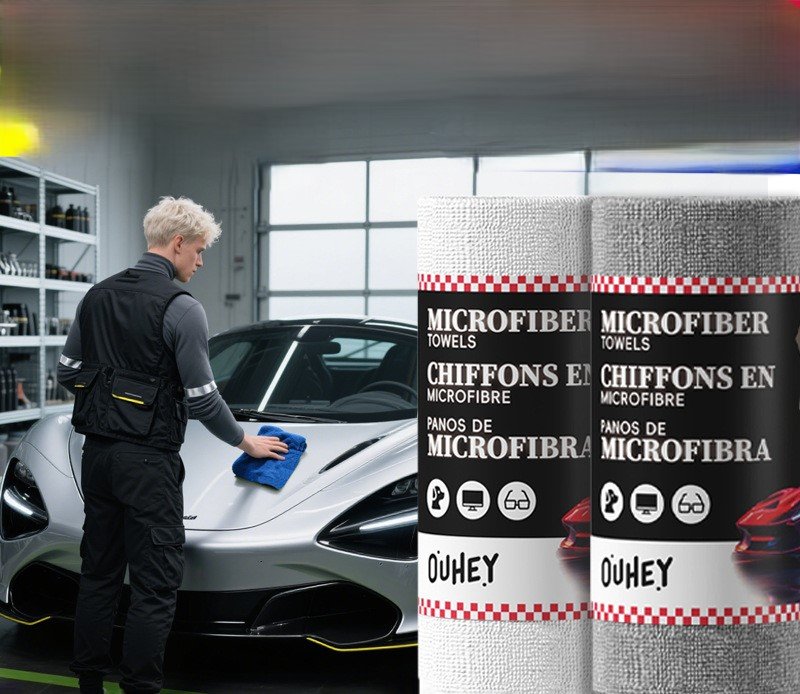
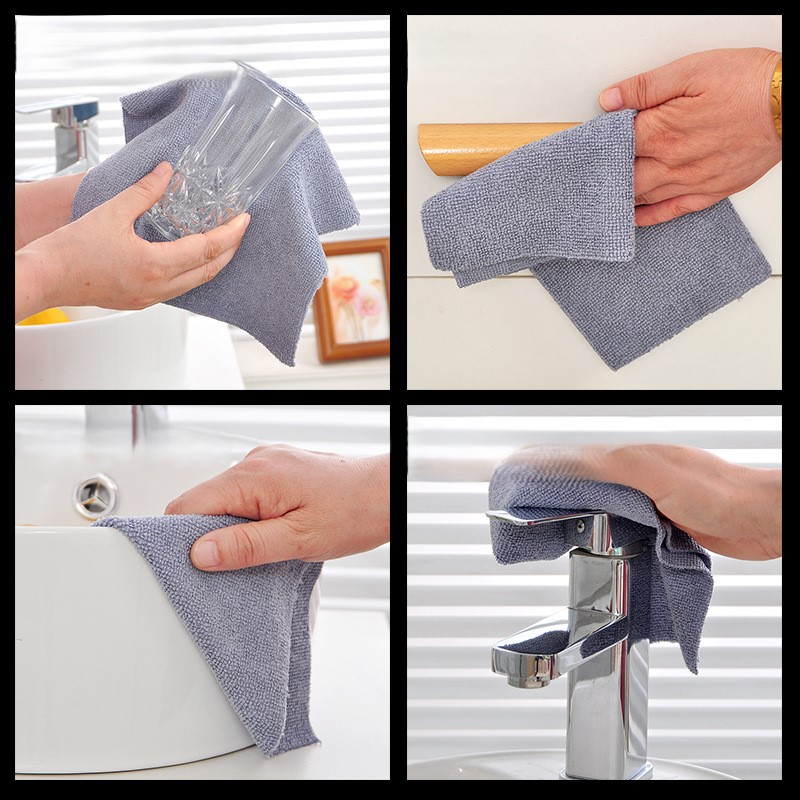
Common Microfiber Towel Mistakes That Ruin Performance
Now that you understand what makes microfiber special, let’s explore the most common mistakes that destroy these powerful cleaning tools. Even small errors can significantly reduce your towel’s effectiveness. Therefore, learning what NOT to do is just as important as proper care techniques.
Mistake #1 – Using Fabric Softener or Dryer Sheets
This is hands-down the number one mistake that ruins microfiber towels permanently. Fabric softeners and dryer sheets work by coating fabrics with waxy chemicals and silicones. While this makes regular clothes feel soft, it’s absolutely terrible for microfiber.
Here’s what happens: The softening agents fill in the microscopic gaps between split fibers and coat the fiber surfaces. As a result, the towel loses its ability to absorb water and grab dirt. Additionally, these chemicals create a water-repellent barrier, turning your absorbent towel into something that just pushes water around instead of soaking it up.
Professional detailers and cleaning experts universally agree on this point. According to Consumer Reports’ cleaning guidelines, fabric softener residue is the leading cause of microfiber towel failure. Furthermore, even dryer sheets leave behind similar residues that dramatically reduce cleaning performance.
Mistake #2 – Washing in Hot Water or High Heat Drying
Microfiber towels are made from synthetic polymers (polyester and polyamide). These materials have a relatively low melting point compared to natural fibers like cotton. Consequently, washing in hot water or drying on high heat can literally melt and deform the fibers.
When exposed to high temperatures, several problems occur. First, the fibers can shrink unevenly, causing the towel to warp and lose its shape. Second, the split fibers can partially melt together, eliminating the cleaning channels that make microfiber effective. Finally, heat damage makes towels feel stiff and scratchy instead of soft and plush.
| Item | Recommended Value | Reason |
|---|---|---|
| Wash Cycle | Gentle/Delicate | Reduces mechanical damage to fine fibers |
| Water Temp (Light Soil) | Cool (60-80°F) | Protects fibers and prevents shrinkage |
| Water Temp (Heavy Soil) | Warm, not hot (90-105°F) | Helps release oils without melting fibers |
| Drying Method | Low heat or air-dry | High heat can melt and stiffen microfibers |
| Maximum Dryer Temp | 140°F or less | Prevents fiber damage and maintains softness |
Research from Whirlpool’s laundry science team shows that washing microfiber in cool water with a gentle cycle can extend towel lifespan by 300% or more. Moreover, air-drying is always the safest option when you have time.
Mistake #3 – Mixing Microfiber with Cotton Laundry
Cotton towels, clothes, and fabrics naturally shed lint during washing. This lint becomes a serious problem when mixed with microfiber because the electrostatic properties of microfiber attract and trap lint like a magnet. Once cotton lint embeds itself between the split fibers, it’s extremely difficult to remove.
The result? Your microfiber towels become less effective at cleaning and may even leave behind streaks or lint on surfaces. Additionally, this cross-contamination can make your towels feel rough and scratchy. For this reason, professional cleaners always wash microfiber completely separately from other fabrics.
“In our 15 years as a specialized towel manufacturer, we’ve tested thousands of wash cycles. Microfiber washed separately maintains 95% of its cleaning power after 500 washes. However, microfiber washed with cotton loses 40% effectiveness after just 100 washes.” – Quality Control Team, Favor-Houseware
Mistake #4 – Using the Wrong Towel for the Wrong Job
Not all microfiber towels are created equal, and using the wrong type for a specific task can damage both the towel and the surface you’re cleaning. Furthermore, cross-contamination between different cleaning tasks is a serious hygiene and performance issue.
For example, using a towel that cleaned your car wheels on your car paint will scratch the paint with embedded brake dust particles. Similarly, using a bathroom towel in the kitchen spreads bacteria and chemicals. Therefore, implementing a color-coding system prevents these problems.
Mistake #5 – Improper Storage (Damp or Dusty)
How you store your microfiber towels between uses matters just as much as how you wash them. Storing towels while still damp creates the perfect environment for mildew, mold, and musty odors. Moreover, once these odors set in, they’re incredibly difficult to remove completely.
Additionally, storing towels in open, dusty areas allows particles to settle into the fibers. Since microfiber’s job is to trap dust and dirt, it does this even when sitting in storage. Consequently, the next time you use the towel, you’re actually spreading that dust around rather than cleaning.
How to Use Microfiber Towels for Best Cleaning Results
Understanding proper usage techniques is essential for getting the most out of your microfiber investment. Unlike regular towels, microfiber requires specific handling methods to maximize its cleaning power. Therefore, let’s explore the right way to use these remarkable cleaning tools.
Choosing the Right Microfiber Towel for Each Task
Microfiber towels are measured by GSM (grams per square meter), which indicates thickness and absorbency. Choosing the correct GSM for your specific task ensures optimal results and prevents damage to both the towel and the surface you’re cleaning.
| GSM Range | Towel Type | Best Uses | Recommended Products |
|---|---|---|---|
| 200-300 GSM | Lightweight, flat-weave | Glass cleaning, mirrors, light dusting, electronics | Disposable microfiber rolls |
| 300-400 GSM | Medium weight, general purpose | Kitchen counters, bathroom surfaces, general household cleaning | Kitchen cleaning towels |
| 400-500 GSM | Plush, waffle-weave | Car washing, drying large surfaces, absorbing spills | Professional automotive towels |
| 500-600 GSM | Ultra-plush, deep pile | Car drying, wax buffing, delicate paint finishes, polishing | Premium detailing towels |
| 600+ GSM | Extra thick, luxury | Showroom finishes, luxury vehicle care, sensitive surfaces | Specialty professional-grade towels |
Research from the International Sanitary Supply Association (ISSA) confirms that using the appropriate GSM for each task improves cleaning efficiency by up to 60%. Moreover, it significantly reduces the risk of surface scratches or damage.
The Quarter-Fold Technique (Step-by-Step)
Professional cleaners and detailers use the quarter-fold technique to maximize the usable cleaning surfaces on each towel. This method is incredibly simple, yet it dramatically improves cleaning results and prevents scratches. Furthermore, it gives you eight clean surfaces from a single towel!
1 Start with a clean, dry or damp towel laid flat on a clean surface. Make sure no dirt or debris is present on the towel before you begin folding.
2 Fold the towel in half to create a rectangle shape. Ensure the edges align evenly for consistent thickness throughout.
3 Fold in half again to create a square or smaller rectangle. You now have four layers of microfiber stacked together.
4 Begin cleaning with one side of the folded towel. Use smooth, overlapping strokes rather than circular motions.
5 When one side gets dirty, flip to the opposite side for a fresh cleaning surface. You’ve now used two surfaces.
6 Unfold once and refold to expose two more clean surfaces. This gives you four total usable sides.
7 After using all four sides, flip the entire towel over and repeat the process. This provides four additional clean surfaces.
8 Total result: Eight clean surfaces from one towel, maximizing efficiency and reducing the need for multiple towels per cleaning session.
Dry vs. Damp: When to Use Each Method
One of the most common questions about microfiber towels is whether to use them dry or damp. The answer depends entirely on what you’re cleaning. However, understanding when to use each method will dramatically improve your cleaning results.
Use DRY microfiber towels when:
- Dusting surfaces: Dry microfiber creates static electricity that attracts and traps dust particles. Therefore, it’s perfect for furniture, shelves, electronics, and blinds.
- Polishing and buffing: After applying wax or polish to car paint, use a dry, high-GSM towel to buff to a shine. The dry fibers pick up excess product without leaving residue.
- Drying surfaces: Whether it’s your car after washing or dishes after rinsing, dry microfiber absorbs water much faster than cotton towels.
- Glass finishing: After cleaning glass with a damp towel, use a dry one for a streak-free final wipe.
Use DAMP microfiber towels when:
- Removing stuck-on grime: Slightly damp microfiber is much more effective at loosening dried food, grease, or dirt from surfaces.
- Cleaning floors and baseboards: A damp towel picks up dirt that a dry towel would just push around. However, make sure it’s wrung out well, not soaking wet.
- Kitchen and bathroom cleaning: Damp microfiber combined with its natural antibacterial properties can clean most surfaces without any chemical cleaners.
- Window and glass cleaning: A damp towel removes fingerprints, smudges, and grime from glass surfaces more effectively than dry towels.
- Car interior cleaning: Dashboard, console, and door panels clean best with slightly damp microfiber that lifts dirt without over-wetting surfaces.
Proper Wiping Techniques for Different Surfaces
How you wipe matters just as much as what you wipe with. Different surfaces require different techniques to achieve optimal results without causing damage. Therefore, mastering these techniques will make your cleaning faster and more effective.
For Glass and Windows: Use overlapping horizontal strokes, working from top to bottom. Avoid circular motions which can create streaks. Additionally, finish with a dry towel using the same pattern for a crystal-clear, streak-free shine.
For Car Paint and Delicate Surfaces: Always use straight-line motions in one direction rather than circles. This prevents swirl marks that appear under direct light. Moreover, use minimal pressure – let the towel do the work, not your arm strength!
For Kitchen Counters and Tables: Use an S-pattern or Z-pattern motion to ensure you cover every inch without missing spots. Furthermore, work from cleanest areas to dirtiest areas to prevent spreading grime.
For Floors and Large Areas: Use long, sweeping motions in straight lines with slight overlap. Flip or refold the towel frequently to always use a clean surface. Consequently, you’ll pick up more dirt in less time.
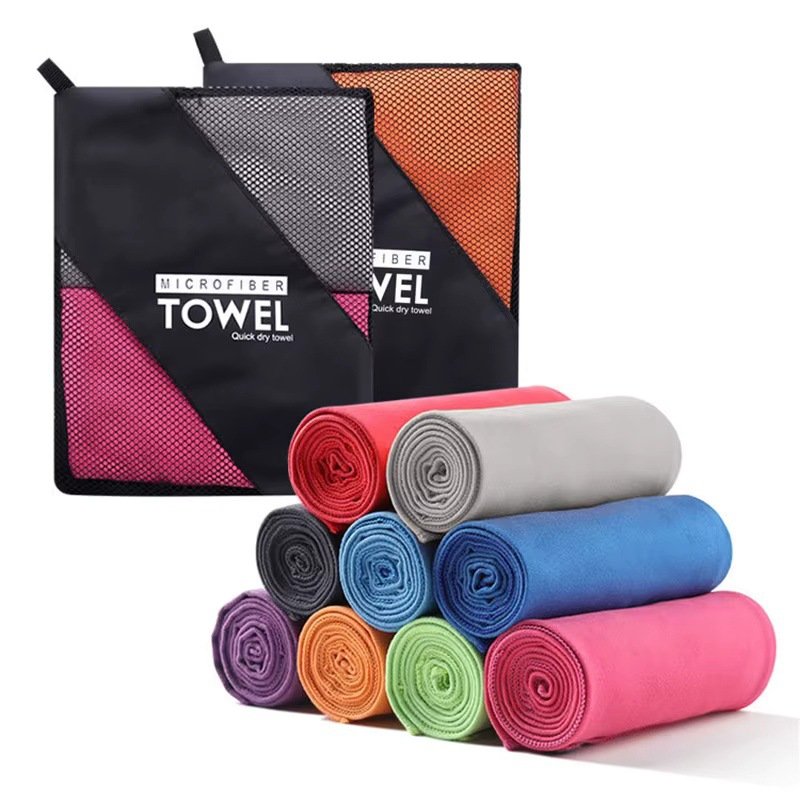
Step-by-Step: How to Wash Microfiber Towels
Washing microfiber towels correctly is absolutely crucial for maintaining their performance and longevity. Follow these detailed steps to ensure your towels stay in peak condition wash after wash. Moreover, proper washing techniques can extend towel life from dozens of uses to hundreds!
Pre-Wash Preparation
Proper preparation before washing makes a huge difference in cleaning results. Therefore, never skip these important pre-wash steps, especially for heavily soiled towels.
Step 1: Shake Out Debris – Take each towel outside or over a trash can and shake vigorously to remove loose dirt, dust, and particles. This prevents your washing machine from getting clogged and ensures better cleaning results.
Step 2: Check for Heavy Stains – Inspect towels for grease, wax, or chemical residues. These require pre-treatment before washing, otherwise they’ll just spread to other towels in the load.
Step 3: Separate by Color and Soil Level – Sort towels into categories: light colors, dark colors, heavily soiled, and lightly soiled. Never wash white towels with dark ones, as color bleeding can occur. Additionally, heavily soiled towels need stronger washing than lightly dusty ones.
Step 4: Pre-Soak If Needed – For towels with heavy grease, wax, or chemical buildup, pre-soaking is essential. Fill a bucket with warm water and add 1-2 tablespoons of microfiber-safe detergent. Let towels soak for 15-20 minutes, then proceed to machine washing.
Washing Machine Settings and Detergent
Using the correct washer settings and detergent type is critical for microfiber care. Furthermore, these recommendations come from years of testing by both manufacturers and professional cleaning organizations.
| Setting | Recommendation | Why It Matters |
|---|---|---|
| Wash Cycle | Gentle or Delicate cycle | Reduces mechanical stress on fine synthetic fibers |
| Water Temperature (Light Soil) | Cool (60-80°F) | Protects fiber integrity and prevents shrinkage |
| Water Temperature (Heavy Soil) | Warm, never hot (90-105°F) | Breaks down oils and grease without damaging fibers |
| Spin Speed | Medium to high spin | Removes more water, reducing drying time |
| Extra Rinse | Yes, always add extra rinse | Removes all detergent residue that can coat fibers |
| Load Size | Small to medium loads only | Allows proper water circulation and better cleaning |
Detergent Selection and Amount: Use only 1-2 teaspoons of liquid detergent per load – yes, that small amount is enough! Microfiber doesn’t need much soap because the mechanical action of the fibers does most of the cleaning work. Additionally, excess detergent leaves residue that coats fibers and reduces absorbency.
Choose a fragrance-free, dye-free liquid detergent without fabric softeners or additives. Powdered detergents can leave mineral deposits in the fibers. Moreover, specialized microfiber detergents work even better because they’re formulated to break down waxes, oils, and polishes that regular detergents may leave behind.
| Product / Practice | Recommended? | Effect on Microfiber |
|---|---|---|
| Standard liquid detergent (no softener) | ✓ Yes | Cleans oils and dirt effectively without coating |
| Microfiber-specific detergent | ✓ Ideal | Better at breaking down waxes, polishes, and oils |
| Fabric softener (liquid) | ✗ Never | Coats fibers permanently, destroys absorbency |
| Dryer sheets | ✗ Never | Leaves waxy residue, increases streaking |
| Bleach (chlorine) | ✗ No | Breaks down synthetic fibers, causes yellowing |
| White vinegar in rinse | ✓ Yes | Removes odors, breaks down residues, restores absorption |
| Baking soda | ✓ Occasional | Deep cleans and deodorizes, use sparingly |
The White Vinegar Trick for Better Results
Professional cleaners swear by this simple trick: adding white vinegar to your microfiber wash cycle. White vinegar is a natural cleaning booster that helps remove residues, eliminate odors, and restore absorbency without damaging fibers. Furthermore, it’s completely safe for both your towels and your washing machine.
How to Use Vinegar in Your Wash:
- Add 1/4 to 1/2 cup of white vinegar to the fabric softener dispenser (or during the rinse cycle if adding manually)
- The vinegar helps break down detergent buildup, oils, waxes, and mineral deposits
- It neutralizes odors naturally without leaving any vinegar smell after drying
- Use this method every 3-5 washes for regular maintenance, or every wash for heavily soiled towels
According to cleaning science research from Good Housekeeping Institute, the acetic acid in vinegar effectively removes buildup without harming synthetic fibers. Moreover, it’s environmentally friendly and costs pennies per load.
Drying Microfiber Towels Without Damaging the Fibers
Proper drying is just as important as proper washing when it comes to maintaining microfiber towels. In fact, more towels are damaged during drying than washing because people underestimate the impact of heat. Therefore, follow these guidelines carefully to preserve your investment.
Air-Drying: The Safest Method
Air-drying is always the best option for microfiber towels when you have the time. This method eliminates all heat-related risks and helps towels maintain their softness and absorbency longer. Additionally, it saves energy and extends towel lifespan significantly.
How to air-dry properly: Shake out each towel to fluff the fibers and remove wrinkles. Then hang on a clothesline, drying rack, or over a shower rod with good air circulation. Avoid direct sunlight, which can fade colors over time. Most microfiber towels will air-dry completely within 1-3 hours depending on thickness and humidity.
Machine Drying: Low Heat Only
If you need to use a dryer, always select the lowest heat setting or the air-fluff/no-heat option. Modern dryers often have a “delicates” or “athletic wear” setting that works perfectly for microfiber. Moreover, never leave towels in the dryer longer than necessary.
✓ Dryer Best Practices Checklist:
- Clean the lint trap completely before starting (critical for maintaining dryer efficiency)
- Use low heat or air-dry setting only – never use medium or high heat
- Dry microfiber towels separately from other fabrics to prevent lint transfer
- Remove towels as soon as the cycle finishes to prevent static buildup
- If towels feel warm to the touch after drying, the heat was too high
- Never add dryer sheets or dryer balls with fabric softener
- Shake towels out before placing in dryer to prevent tangling
Research from appliance manufacturer Whirlpool’s drying guidelines shows that microfiber dried on high heat loses up to 50% of its absorbency after just 20 cycles. In contrast, towels dried on low heat or air-dried can maintain over 90% of their original performance even after 500 washes.
How to Restore “Dead” Microfiber Towels
Have microfiber towels that don’t absorb water anymore or feel stiff and scratchy? Don’t throw them away yet! In many cases, you can restore towels that seem beyond repair. However, success depends on the type and severity of damage.
Signs Your Microfiber Needs Restoration
Before attempting restoration, identify what’s wrong with your towels. Different problems require different solutions. Therefore, accurate diagnosis is the first step to successful restoration.
Loss of Absorbency: Water beads up on the towel surface instead of soaking in. This usually indicates coating from fabric softener, detergent buildup, or wax residue. Restoration success rate: 70-80%.
Stiff or Scratchy Texture: Towel feels rough instead of soft. This often results from heat damage, hard water minerals, or heavy detergent buildup. Restoration success rate: 50-60%.
Persistent Odors: Towel smells musty or sour even after washing. This indicates bacterial growth or mildew in the fibers. Restoration success rate: 80-90%.
Streaking or Lint: Towel leaves behind streaks or picks up lint easily. This suggests coating issues or fiber damage from improper washing. Restoration success rate: 60-70%.
The Deep-Clean Revival Method
This intensive cleaning process can revive many damaged microfiber towels. However, severely heat-damaged towels with melted fibers cannot be fully restored. Therefore, manage your expectations and consider downgrading heavily damaged towels to utility duty.
1 Pre-Soak in Hot Water and Vinegar: Fill a bucket with the hottest water you can safely handle (not boiling). Add 1 cup of white vinegar per gallon of water. Submerge towels and soak for 30-60 minutes. The combination of heat and acid helps break down stubborn residues.
2 Add Baking Soda (Optional for Severe Cases): After the vinegar soak, add 2 tablespoons of baking soda directly to the wash water. The chemical reaction between vinegar residue and baking soda creates extra cleaning power. However, rinse extremely thoroughly afterward.
3 Wash on Hot with Minimal Detergent: This is the ONLY time you should use hot water for microfiber. Wash on a regular cycle (not delicate) with just 1 teaspoon of detergent. The aggressive wash helps strip away built-up residues.
4 Run Multiple Extra Rinses: Run 2-3 extra rinse cycles to ensure every trace of detergent, vinegar, and baking soda is removed. Residue is what got you here in the first place!
5 Air-Dry or Low Heat: After this intense cleaning, return to proper care methods. Air-dry if possible, or use the lowest heat setting if you must machine dry.
6 Test and Repeat if Necessary: After drying, test the towel’s absorbency with water. If it’s improved but not perfect, repeat the process once more. However, if there’s no improvement after two attempts, the damage is likely permanent.
How Often Should You Replace Microfiber Towels?
One of the best things about quality microfiber towels is their incredible longevity. Unlike cotton towels that break down after dozens of washes, properly cared microfiber can last for hundreds of wash cycles. However, knowing when to replace or downgrade towels is important for maintaining cleaning effectiveness.
Expected Lifespan with Proper Care
According to industry standards and our own manufacturing experience, high-quality microfiber towels should last approximately 300-500 wash cycles when cared for correctly. Some premium towels can even exceed 500 washes while maintaining acceptable performance. Therefore, a good microfiber towel represents excellent long-term value.
“We regularly test our premium microfiber products for durability. Towels washed in cool water, dried on low heat, and never exposed to fabric softener consistently maintain over 80% of their original absorbency after 400 washes. This longevity makes them far more cost-effective than disposable alternatives.” – Quality Assurance Team, Favor-Houseware
Signs It’s Time to Replace or Downgrade
Rather than disposing of worn microfiber towels, consider a downgrade strategy. This approach maximizes your investment while ensuring optimal cleaning results for important tasks. Furthermore, it’s more environmentally responsible than premature disposal.
Downgrade Strategy:
- Stage 1 (New): Premium Tasks – Car paint, glass, polishing, buffing delicate surfaces
- Stage 2 (Good): General Cleaning – Kitchen counters, bathroom surfaces, general household dusting
- Stage 3 (Fair): Heavy-Duty Tasks – Car wheels, engine bays, garage floors, outdoor furniture
- Stage 4 (Poor): Utility/Disposal – Shop rags, paint projects, or finally dispose when completely worn out
Replace completely when:
- Fibers are visibly frayed, torn, or falling apart
- Towel has permanent stains that won’t come out even with intensive cleaning
- Absorbency remains poor even after multiple restoration attempts
- Towel feels abrasive enough to potentially scratch surfaces
- Odors persist despite proper washing and drying techniques
Microfiber Towel Care Checklist for Home and Car Use
To make proper microfiber care simple and actionable, we’ve created this comprehensive checklist. Print it out and keep it near your laundry area for easy reference. Moreover, share it with family members or employees to ensure everyone follows the same best practices.
✓ Before Washing Checklist:
- Shake out all loose dirt, dust, and debris from each towel
- Separate microfiber towels from all other laundry types
- Sort by color (light vs. dark) to prevent color bleeding
- Sort by soil level (light dusting vs. heavy cleaning vs. grease/wax)
- Check for heavy stains that need pre-treatment or pre-soaking
- Remove any attached tags or labels that might snag fibers
- Ensure no fabric softener residue exists in washing machine from previous loads
✓ During Washing Checklist:
- Select gentle or delicate wash cycle
- Use cool water for light soil, warm (not hot) for heavy soil
- Add only 1-2 teaspoons of fragrance-free liquid detergent
- Add 1/4 cup white vinegar to rinse cycle for freshness and residue removal
- Never add fabric softener, bleach, or other additives
- Run at least one extra rinse cycle
- Wash small to medium loads only – don’t overfill machine
✓ Drying Checklist:
- Clean lint trap thoroughly before starting dryer
- Select low heat or air-dry setting only
- Never add dryer sheets or fabric softener products
- Remove towels promptly when cycle finishes
- Air-dry whenever possible for maximum towel longevity
- Ensure towels are 100% dry before storage
- Shake out each towel after drying to fluff fibers
✓ Storage Checklist:
- Verify all towels are completely dry (no damp spots)
- Fold or roll towels neatly to prevent crushing fibers
- Store in enclosed cabinet or drawer away from dust
- Keep away from direct sunlight which can fade colors
- Separate towels by task/color for easy identification
- Store away from chemicals, solvents, or automotive products
- Maintain good air circulation in storage area
📥 Download Our Free Printable Care Guide!
Want a convenient reference for microfiber care? Visit our blog to download a free, printable PDF version of this complete care checklist. Hang it in your laundry room or share it with your team!
Is Microfiber Eco-Friendly Compared to Cotton?
As consumers become more environmentally conscious, the sustainability of cleaning products matters more than ever. Microfiber towels present a complex environmental picture with both significant benefits and important concerns. Therefore, let’s examine both sides honestly.
Environmental Benefits of Microfiber
Water Conservation: Microfiber cleaning requires significantly less water than traditional cotton towel cleaning. In fact, many surfaces can be cleaned with just a damp microfiber towel and no additional water. According to EPA water conservation studies, switching to microfiber can reduce household cleaning water usage by 30-50%.
Chemical Reduction: Because microfiber’s mechanical action removes dirt so effectively, you can eliminate or drastically reduce cleaning chemical usage. This means fewer harsh chemicals entering water systems through drains. Moreover, reducing chemical products also reduces the environmental impact of manufacturing and transporting those products.
Longevity Reduces Waste: A single microfiber towel lasting 400+ washes replaces hundreds of paper towels or dozens of short-lived cotton towels. This dramatic reduction in consumption translates to less manufacturing impact, less packaging waste, and less landfill burden.
Energy Efficiency: Microfiber towels require less energy to wash (cool water vs. hot) and can air-dry quickly. Additionally, their cleaning efficiency means spending less time and energy on cleaning tasks overall.
Environmental Concerns About Microfiber
Microplastic Shedding: This is the primary environmental concern with microfiber towels. When washed, synthetic fibers shed tiny plastic particles called microplastics. These particles can pass through wastewater treatment systems and enter oceans and waterways. According to research published in Marine Pollution Bulletin, synthetic textiles contribute significantly to microplastic pollution.
Petroleum-Based Materials: Microfiber is made from polyester and polyamide, both derived from petroleum – a non-renewable resource. However, manufacturing technology continues improving, and some companies now produce microfiber from recycled plastics, reducing the need for virgin petroleum.
Non-Biodegradable: Unlike cotton which eventually breaks down naturally, microfiber towels persist in landfills for hundreds of years if disposed of improperly.
Making Microfiber More Sustainable
You can minimize environmental impact while enjoying microfiber’s benefits by following these practices:
- Invest in quality towels that last longer, reducing replacement frequency. Our recycled microfiber options offer excellent performance with reduced environmental impact.
- Wash less frequently by spot-cleaning towels between uses when appropriate
- Use a laundry bag designed to catch microplastics during washing cycles
- Choose products made from recycled materials when available
- Properly care for towels to maximize their lifespan and reduce replacement needs
- Dispose responsibly by repurposing old towels for heavy-duty tasks before final disposal
| Environmental Factor | Microfiber Towels | Cotton Towels | Paper Towels |
|---|---|---|---|
| Water Usage (per year) | Low – uses less water for cleaning and washing | High – cotton cultivation and hot water washing | Very High – manufacturing requires 20L per roll |
| Chemical Usage | Minimal – cleans effectively with water only | Moderate – often needs cleaning solutions | High – requires chemicals in manufacturing |
| Lifespan | 400-500+ uses with proper care | 50-100 uses before breakdown | Single use only |
| Biodegradability | No – petroleum-based synthetic | Yes – natural fiber breaks down | Yes – but contributes to deforestation |
| Microplastic Pollution | Yes – sheds microplastics when washed | No – natural fiber doesn’t create microplastics | No – cellulose-based |
| Overall Environmental Impact | Moderate – best when properly cared and long-lasting | Moderate – natural but resource-intensive | High – single-use creates massive waste |
“At Favor-Houseware, we’re committed to reducing environmental impact throughout our manufacturing process. We’ve invested in recycled material sourcing, energy-efficient production methods, and quality standards that ensure our towels last as long as possible. When customers properly care for our products, they’re making a positive environmental choice compared to disposable alternatives.” – Sustainability Team, Favor-Houseware
FAQ: Your Microfiber Towel Questions Answered
Q: Can you put microfiber towels in the dryer?
A: Yes, microfiber towels can go in the dryer, but only on low heat or an air-dry/air-fluff setting. High heat can melt synthetic fibers, causing shrinkage and permanent damage to absorbency. Moreover, avoid dryer sheets completely, as their softening agents coat fibers and drastically reduce cleaning performance. Air-drying is always the safest option when you have time.
Q: Why are my microfiber towels not absorbing water anymore?
A: Loss of absorbency usually results from fabric softeners, dryer sheets, or high heat exposure. These substances coat the fibers with residues that repel water instead of absorbing it. Additionally, heavy detergent buildup or wax residues from cleaning products can cause the same problem. Try the deep-clean revival method with vinegar and hot water to restore absorbency. If this doesn’t work after two attempts, the damage may be permanent.
Q: Should microfiber towels be washed separately?
A: Yes, absolutely! Microfiber should always be washed separately from cotton and other lint-producing fabrics. Cotton lint clings to microfiber’s electrostatic fibers like a magnet, clogging the split-fiber structure and reducing cleaning effectiveness. Furthermore, separate heavily soiled microfiber (like towels used for wheels or bathrooms) from lightly soiled towels to prevent cross-contamination of grease, chemicals, and bacteria.
Q: Do you need detergent with microfiber towels?
A: For light cleaning tasks, microfiber can effectively clean surfaces with just water because the split fibers mechanically grab and trap dirt. However, detergent is useful when dealing with heavy grease, wax, oils, or automotive residues. When you do use detergent, only use 1-2 teaspoons of fragrance-free liquid detergent – excess soap leaves residue. Never use fabric softeners or products with softening additives.
Q: Can you use microfiber towels on cars and glass?
A: Yes! Microfiber towels are actually the preferred choice for automotive care and glass cleaning. Their fine synthetic fibers are soft and much less likely to scratch paint or glass when used correctly with proper technique. For glass cleaning, use a low-pile or waffle-weave microfiber that’s clean and lint-free. For car paint, use high-GSM plush towels (500-600 GSM) with light pressure and straight-line wiping motions to avoid swirl marks.
Q: How do I remove musty smells from microfiber towels?
A: Musty odors indicate bacterial growth or mildew, usually from storing towels while damp. Wash towels with 1/2 cup white vinegar added to the rinse cycle, using warm water and minimal detergent. For stubborn odors, pre-soak towels in a solution of warm water and vinegar for 30 minutes before washing. Always ensure towels are completely dry before storage to prevent odors from returning.
Q: What’s the difference between GSM ratings in microfiber towels?
A: GSM (grams per square meter) measures towel thickness and absorbency. Lower GSM (200-300) means thinner towels perfect for glass and dusting. Medium GSM (350-500) works well for general household cleaning. Higher GSM (500-600+) provides maximum absorbency for car drying, wax buffing, and delicate polishing tasks. Therefore, choosing the right GSM for your specific task ensures optimal results and prevents surface damage.
Conclusion: Master Microfiber Care for Long-Lasting Performance
Microfiber towels represent one of the most versatile and effective cleaning tools available today. However, as we’ve explored throughout this comprehensive guide, their performance and longevity depend entirely on proper care and usage. By avoiding common mistakes like fabric softeners, hot water washing, and improper storage, you can extend your towels’ lifespan from dozens of uses to hundreds of wash cycles.
Remember the key principles we’ve covered:
- Always wash separately from cotton and other lint-producing fabrics using cool or warm water
- Never use fabric softener, dryer sheets, or high heat – these are the primary killers of microfiber performance
- Choose the right towel for each task based on GSM rating and use proper folding and wiping techniques
- Dry on low heat or air-dry whenever possible to maintain fiber integrity
- Store completely dry in clean, enclosed spaces away from dust and chemicals
Moreover, implementing a color-coding system prevents cross-contamination, while the quarter-fold technique maximizes cleaning surfaces and protects delicate finishes. When towels do lose performance, the vinegar revival method can often restore them to near-original condition.
As a professional towel manufacturer with years of experience, we’ve seen firsthand how proper care transforms good towels into exceptional, long-lasting cleaning tools. The small investment of time in correct washing and storage pays enormous dividends in performance, longevity, and cost savings.
Ready to Experience Premium Microfiber Quality?
At Favor-Houseware, we manufacture professional-grade microfiber towels designed for maximum performance and durability. Whether you need towels for home cleaning, automotive detailing, or commercial applications, we have the perfect solution.
Looking for other premium towel products? Explore our complete range:
- Kitchen Towels – Durable, absorbent, and food-safe
- Beach Towels – Quick-dry and sand-resistant options
- Recycled Towels – Eco-friendly without compromising quality
- Turkish Hammam Towels – Lightweight and ultra-absorbent
- Surf Ponchos – Perfect for beach and water sports
Need Custom Manufacturing Solutions?
As a leading China-based towel manufacturer, we offer custom production, private labeling, and bulk ordering for businesses worldwide. From design to delivery, we ensure quality at every step.
📧 Contact Us for Custom Orders 📚 Read More Cleaning TipsShare Your Experience!
Have questions about microfiber towel care? Found a tip that worked great for you? We’d love to hear from you! Connect with us on social media or reach out through our contact page. Your feedback helps us create better content and products for the cleaning community.
Related Articles You Might Enjoy:
- Complete Guide to Professional Kitchen Aprons
- How to Choose the Perfect Surf Change Robe
- Understanding Turkish Towel Manufacturing Quality
Views: 79