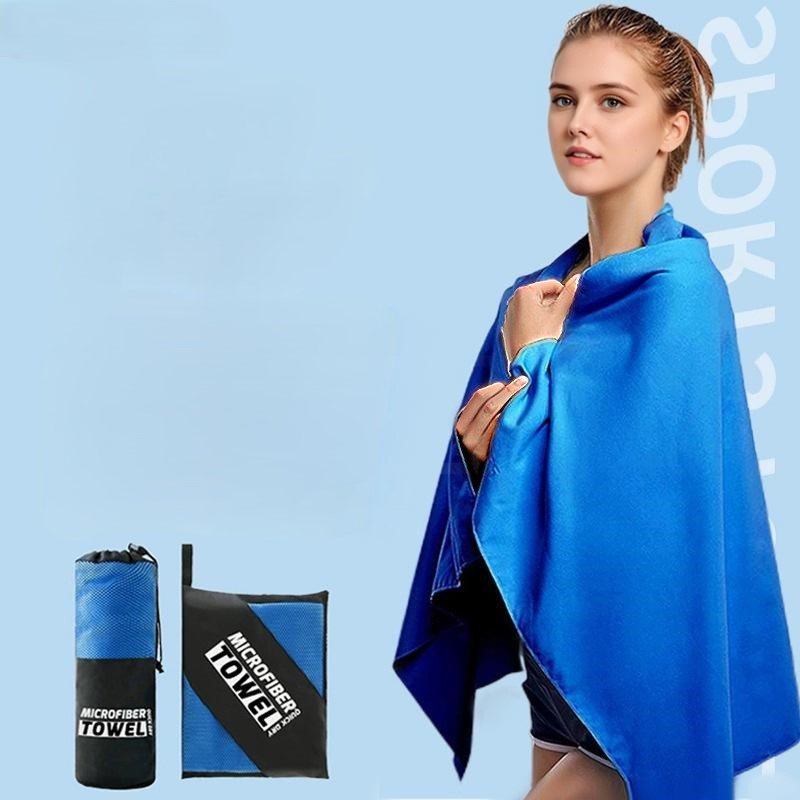
Bulk Microfiber Towels at a Glance
| Category | Budget | Mid-Range | Hotel-Grade | Premium |
|---|---|---|---|---|
| Green | General surfaces | Furniture, countertops, general cleaning | ||
| Yellow | Kitchen areas | Food prep surfaces, kitchen equipment |
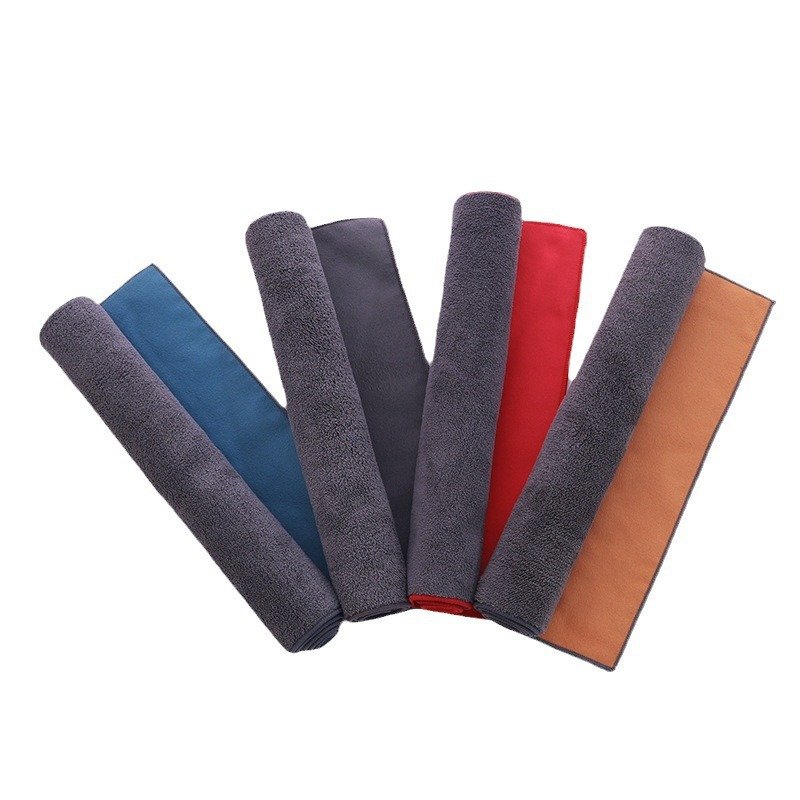
Many hotels also add additional colors for specialized areas. For example, white towels often designate spa areas, while orange works well for maintenance departments. The key is maintaining consistency throughout your property.
Implementing Your Color-Coding Strategy
Successfully implementing a color-coding system requires proper staff training and clear procedures. Start by creating visual guides for your housekeeping staff. Additionally, post color charts in storage areas and cleaning closets.
Purchase adequate quantities of each color to prevent mixing. Furthermore, consider using disposable microfiber options for high-risk areas. This extra precaution further reduces contamination risks.
Train all housekeeping staff on proper usage during orientation. Moreover, conduct refresher training quarterly to maintain standards. Finally, perform regular audits to ensure compliance with your color-coding system.
Gold Standard Checklist: What to Look For in Hotel-Grade Towels
When evaluating wholesale microfiber towels for your hotel, certain quality indicators separate excellent products from mediocre ones. Use this comprehensive checklist to assess potential suppliers.
Essential Quality Checklist for Bulk Microfiber Towels
- ☑ Fiber composition: 80/20 polyester/polyamide blend verified by supplier documentation
- ☑ GSM rating: 400-550 GSM for standard hotel operations (verify with actual weight tests)
- ☑ Edge construction: Double-stitched or overlock edges with no loose threads
- ☑ Abrasion resistance: Minimum 50,000 rubs on Martindale test
- ☑ Colorfast dyes: Solution-dyed fibers that won’t fade after 300+ washes
- ☑ Size consistency: Less than 2% variation across entire order
- ☑ Absorbency rate: Absorbs at least 6 times its weight in water
- ☑ Quick-dry capability: Fully dries within 60 minutes at room temperature
- ☑ Lint-free performance: No fiber shedding during cleaning tests
- ☑ Chemical compatibility: Withstands hotel-grade cleaning solutions without degradation
Request sample towels from potential suppliers before placing large orders. Test these samples in your actual operations for at least two weeks. Furthermore, wash them multiple times to verify durability claims. Only after thorough testing should you commit to bulk purchases.
Microfiber Towels by Hotel Department
Different departments in your hotel have unique towel requirements. Understanding these specific needs helps you select the right microfiber towels for hotels across all operations.
Guest Rooms: Balancing Comfort and Practicality
Guest room cleaning requires towels that are both effective and presentable. Generally, 400-450 GSM towels work perfectly for standard rooms. However, luxury suites benefit from 500-600 GSM options that feel more premium.
Consider your hotel’s star rating when selecting guest room towels. Three-star hotels typically use mid-range towels, while four and five-star properties invest in premium options. Additionally, coordinate towel colors with your hotel’s overall aesthetic for a polished look.
Many upscale hotels complement their microfiber cleaning towels with luxury beach towels for guests. This combination provides excellent functionality while maintaining a high-end image.
Housekeeping Operations: Efficiency and Durability
Your housekeeping department needs towels that withstand daily intensive use. Hotel-grade towels (400-500 GSM) deliver the best performance for routine cleaning tasks. Moreover, these towels maintain their effectiveness through hundreds of wash cycles.
Implement the color-coding system discussed earlier for housekeeping operations. This visual system helps staff work quickly without sacrificing hygiene standards. Furthermore, provide adequate quantities so staff never run short during peak periods.
Track towel usage by department to identify replacement needs early. Many hotels assign specific towel counts to each housekeeping cart. This accountability system prevents losses and ensures consistent inventory levels.
Spa and Pool Areas: Absorbency Requirements
Spa and pool environments demand towels with exceptional absorbency. Therefore, select towels in the 500-600 GSM range for these wet areas. Additionally, choose towels with waffle weave patterns that enhance water absorption.
Guest satisfaction in spa areas depends heavily on towel quality. Consequently, invest in premium options that feel luxurious while performing excellently. Many high-end spas also offer eco-friendly recycled towels that appeal to environmentally conscious guests.
Pool areas require larger towel inventories because guests use multiple towels per visit. Plan for at least 2-3 towels per guest for poolside amenities. Moreover, implement a towel card system to manage inventory and prevent excessive usage.
Gym and Fitness Centers: Quick-Dry Solutions
Fitness center towels must dry quickly between uses while remaining absorbent. Medium-weight towels (350-400 GSM) strike the perfect balance. These towels feel substantial without being too heavy when wet.
Guests appreciate towels that don’t stay damp after use. Therefore, microfiber’s quick-dry properties make it ideal for gym environments. Additionally, the antimicrobial properties of quality microfiber reduce odor concerns in fitness areas.
Care and Maintenance Best Practices
Proper care extends the life of your bulk microfiber towels and maintains their performance. Follow these proven maintenance practices to maximize your investment.
Step-by-Step Washing Instructions
Correct washing procedures are crucial for maintaining towel quality. Follow these steps to ensure your microfiber towels last through hundreds of wash cycles.
Professional Microfiber Towel Washing Guide
- Separate towels by color and use type to prevent dye transfer and maintain hygiene standards
- Shake out debris before washing to prevent dirt from embedding in fibers during the wash cycle
- Use warm water (140°F/60°C maximum) as hot water can damage microfiber and reduce lifespan
- Choose mild, bleach-free detergent specifically designed for microfiber or use standard detergent at half strength
- Skip the fabric softener completely because it coats fibers and destroys absorbency permanently
- Run an extra rinse cycle to remove all detergent residue that reduces cleaning effectiveness
- Tumble dry on low heat or air dry since high heat melts synthetic fibers and causes permanent damage
- Avoid dryer sheets as they leave residue that blocks the microfiber’s cleaning capabilities
- Remove promptly when dry to prevent wrinkles and maintain the towel’s structure
- Never iron microfiber towels because heat permanently damages the split-fiber technology
Commercial laundry operations should program washing machines with these specific settings. Moreover, train all laundry staff on proper microfiber care procedures. According to textile rental services associations, proper care extends towel life by 40-60%.
What Never to Do with Microfiber Towels
Certain practices will quickly ruin your microfiber towels. Avoid these common mistakes to protect your investment:
- Never use chlorine bleach: It breaks down polyamide fibers and causes permanent damage
- Never wash with cotton items: Cotton lint embeds in microfiber and reduces cleaning effectiveness
- Never use high heat: Temperatures above 140°F melt synthetic fibers
- Never leave wet towels sitting: This promotes mildew growth and creates odor problems
- Never use fabric softener or dryer sheets: These coat fibers and eliminate absorbency
Additionally, avoid washing heavily soiled towels with lightly soiled ones. This practice spreads contamination and reduces overall cleanliness. Instead, pre-treat heavily soiled towels before adding them to regular washing cycles.
Laundry Facility Compatibility Requirements
Your commercial laundry equipment must accommodate microfiber’s specific needs. Most modern commercial washers work perfectly with microfiber. However, verify that your equipment meets these requirements:
First, ensure your washers have adjustable temperature controls. Microfiber requires lower temperatures than cotton linens. Second, verify that your machines offer extra rinse cycles. Complete detergent removal is essential for maintaining towel performance.
Front-loading washers generally work better than top-loaders for microfiber. The gentler agitation protects fiber integrity. Moreover, front-loaders use less water, which reduces operational costs significantly.
If you outsource laundry services, provide detailed care instructions to your vendor. Furthermore, inspect returned towels regularly to ensure proper care procedures are followed. Many hotels find that managing microfiber laundry in-house provides better quality control.
Cost Analysis: Microfiber vs. Cotton for Hotels
Understanding the true cost of ownership helps justify the investment in quality wholesale microfiber towels. Let’s examine the complete financial picture over a three-year period.
| Cost Factor | Microfiber Towels | Cotton Towels | Difference |
|---|---|---|---|
| Initial cost per towel | $2.50 | $2.00 | +$0.50 |
| Expected lifespan (washes) | 400 cycles | 150 cycles | +167% |
| Laundering cost per cycle | $0.15 | $0.25 | -40% |
| Total laundering cost (lifetime) | $60.00 | $37.50 | +$22.50 |
| Replacement frequency (36 months) | 1 time | 3 times | -67% |
| 3-year cost per towel | $62.50 | $106.00 | -$43.50 (-41%) |
| Cost per use | $0.156 | $0.707 | -78% savings |
Cost-Per-Use Calculation Example
Scenario: 100-room hotel with 1,200 microfiber towels
- Initial investment: 1,200 towels × $2.50 = $3,000
- 3-year laundering: 1,200 × $60 = $72,000
- Replacements (25% annually): 300 × $2.50 × 3 years = $2,250
- 3-year total cost: $77,250
- Total uses (400 cycles × 1,200 towels): 480,000 uses
- Cost per use: $77,250 ÷ 480,000 = $0.161 per use
Comparable cotton scenario: $0.707 per use
3-year savings with microfiber: $262,080
Why Wholesale Pricing Makes the Difference
Purchasing directly from manufacturers dramatically reduces costs. Wholesale prices can be 30-50% lower than retail suppliers. Moreover, direct relationships with manufacturers like Favor Houseware provide additional benefits beyond pricing.
Buying in bulk also reduces per-unit shipping costs. Furthermore, you can negotiate better terms on large orders. Many manufacturers offer volume discounts starting at 1,000 units. Therefore, combining orders with other hotels or purchasing for multiple properties increases savings.
Hidden Savings: Energy and Water Reduction
The cost analysis above doesn’t even include hidden operational savings. Microfiber towels reduce water consumption by up to 60% because they require less rinsing. Additionally, lower drying temperatures cut energy costs by 35-40%.
These environmental benefits also support sustainability initiatives. Many guests increasingly prefer hotels with eco-friendly practices. Therefore, switching to microfiber supports both financial goals and marketing objectives.
Performance vs. Price: Understanding Total Cost of Ownership
The cheapest towel isn’t always the most economical choice. Understanding total cost of ownership helps you make smart purchasing decisions that benefit your bottom line.
Premium bulk microfiber towels cost more upfront but deliver superior value over time. For instance, a $4 premium towel lasting 500 washes costs $0.008 per use. Meanwhile, a $1 budget towel lasting 150 washes costs $0.0067 per use initially but requires more frequent replacement.
Consider performance factors beyond basic costs. Premium towels clean more effectively, reducing labor time. Additionally, they maintain their appearance longer, protecting your hotel’s professional image. These intangible benefits contribute significantly to guest satisfaction and repeat business.
Calculate your break-even point when comparing options. Most hotels find that premium towels pay for themselves within 12-18 months. After that, the superior durability translates into pure savings.
Bulk Buying Strategies for Hotels
Strategic purchasing of wholesale microfiber towels maximizes value while ensuring adequate inventory. Let’s explore proven strategies that successful hotels use.
Understanding Wholesale Pricing Tiers
Manufacturers typically offer volume-based pricing tiers. Generally, prices decrease as order quantities increase. Understanding these tiers helps you optimize order sizes for maximum savings.
| Order Quantity | Price Per Towel | Savings vs. Retail |
|---|---|---|
| 100-499 units | $3.00 | 25% |
| 500-999 units | $2.50 | 38% |
| 1,000-2,499 units | $2.00 | 50% |
| 2,500+ units | $1.75 | 56% |
Consider combining purchases across multiple properties to reach higher volume tiers. Additionally, coordinating with other local hotels for group purchases increases negotiating power. Some purchasing cooperatives specifically help independent hotels access wholesale pricing.
How to Compare Supplier Quotes Effectively
When evaluating quotes from multiple suppliers, look beyond the unit price. Create a comprehensive comparison that includes all relevant factors.
- Unit price: Base cost per towel at your desired quantity
- Shipping costs: International freight can add 15-25% to total cost
- Payment terms: Deposit requirements and payment schedules
- Lead time: Production and shipping duration from order to delivery
- Minimum order quantity: Smallest order the supplier will accept
- Customization options: Logo embroidery, custom colors, special sizing
- Quality certifications: ISO, Oeko-Tex, and other relevant standards
- Warranty coverage: Defect replacement policies and guarantees
- Sample availability: Free samples for testing before bulk orders
Always request samples before committing to large orders. Test these samples thoroughly in your actual operations. Furthermore, verify that bulk production matches sample quality by inspecting initial shipments carefully.
Minimum Order Quantities: What to Expect
Most manufacturers have minimum order quantities (MOQs) for wholesale pricing. Typically, MOQs range from 500 to 2,000 units depending on customization requirements.
Standard products usually have lower MOQs because manufacturers keep them in stock. However, custom colors or logo embroidery often require higher minimums. For instance, standard white towels might have a 500-unit MOQ, while custom-colored towels require 1,000+ units.
Plan your orders to meet MOQs while avoiding excessive inventory. Consider splitting orders between multiple colors or sizes to reach minimum quantities. Additionally, factor storage space into your ordering decisions.
Lead Times and Supply Chain Planning
International wholesale orders require careful timing. Standard lead times from China manufacturers typically include:
- Production time: 3-6 weeks depending on order size and customization
- Quality inspection: 3-5 days for third-party verification (recommended)
- Shipping time: 3-5 weeks for sea freight, 5-7 days for air freight
- Customs clearance: 3-7 days depending on your location
- Total lead time: 7-12 weeks for sea freight, 5-7 weeks for air freight
Plan orders 3-4 months ahead of when you need the towels. This buffer prevents rushed shipments and expensive air freight charges. Moreover, early ordering allows time to address any quality issues before your inventory runs low.
Establish relationships with reliable freight forwarders who specialize in textile imports. They can help navigate customs requirements and minimize delays. According to supply chain experts, working with experienced logistics partners reduces import complications by 60%.
Why Choose a China-Based Towel Manufacturer
China dominates global textile manufacturing for good reasons. Understanding these advantages helps you make informed sourcing decisions for your bulk microfiber towels.
Manufacturing Cost Advantages
Chinese manufacturers offer significant cost advantages due to established infrastructure and economies of scale. The textile industry in China benefits from:
First, integrated supply chains where raw materials, production facilities, and finishing services are geographically concentrated. This proximity reduces transportation costs and speeds up production. Second, specialized manufacturing clusters where workers have generations of textile expertise.
Additionally, modern Chinese factories use cutting-edge equipment that matches or exceeds Western manufacturing capabilities. Many facilities have invested heavily in automation and quality control systems. Therefore, you get advanced manufacturing at competitive prices.
Quality Control in Chinese Factories
Modern Chinese textile manufacturers maintain rigorous quality standards. Reputable suppliers implement multiple quality checkpoints throughout production. These include raw material inspection, in-process monitoring, and final product testing.
Many Chinese manufacturers hold international certifications that verify their quality systems. Look for ISO 9001 certification for quality management and ISO 14001 for environmental standards. Additionally, Oeko-Tex Standard 100 certification ensures textiles are free from harmful substances.
Consider hiring third-party inspection companies for large orders. These independent inspectors verify product quality before shipment. Furthermore, they provide detailed reports that help identify and resolve issues early.
Production Capacity for Large Hotel Chains
Chinese manufacturers can handle orders of virtually any size. Whether you need 1,000 towels or 100,000, established factories have the capacity to fulfill your requirements. Moreover, they can scale production quickly to meet seasonal demands.
Large-scale production capability ensures consistent supply even during peak seasons. Additionally, manufacturers can maintain dedicated production lines for major clients. This arrangement guarantees priority service and consistent quality.
Export Expertise and International Shipping
Experienced Chinese manufacturers understand international trade requirements thoroughly. They handle export documentation, customs compliance, and shipping logistics efficiently. Furthermore, established suppliers have relationships with reliable freight forwarders.
Many manufacturers offer flexible shipping terms including FOB (Free on Board) and CIF (Cost, Insurance, and Freight). Understanding these terms helps you manage costs and responsibilities clearly. Additionally, experienced suppliers can recommend the most cost-effective shipping methods for your location.
Working with an established manufacturer like Favor Houseware simplifies international purchasing. Their expertise in export procedures reduces your administrative burden significantly.
Evaluating Supplier Certifications and Quality Standards
Quality certifications provide objective evidence of a manufacturer’s capabilities and standards. Understanding these certifications helps you select reliable suppliers for your wholesale microfiber towels.
ISO Certifications Explained
ISO (International Organization for Standardization) certifications demonstrate a manufacturer’s commitment to systematic quality management. The most relevant certifications for textile manufacturers include:
ISO 9001 covers quality management systems. This certification means the manufacturer has documented processes for maintaining consistent quality. Moreover, they conduct regular internal audits and pursue continuous improvement.
ISO 14001 addresses environmental management. Certified manufacturers minimize environmental impact through controlled waste management and resource efficiency. This certification particularly matters if your hotel emphasizes sustainability.
ISO 45001 focuses on occupational health and safety. This certification ensures workers operate in safe conditions, which reflects the manufacturer’s overall professionalism and ethics.
Oeko-Tex Standard 100: What It Means
Oeko-Tex Standard 100 is the world’s leading textile certification for harmful substances. This testing system screens for over 300 potentially harmful chemicals. Certified products are safe for human use and suitable for sensitive skin.
The certification includes four product classes based on intended use. Class I covers baby products with the strictest requirements. Class II includes textiles with direct skin contact. Class III covers products without skin contact. Class IV includes furnishing materials.
For microfiber towels for hotels, look for Class II certification. This level ensures towels are safe for guest use and meet international health standards. Furthermore, Oeko-Tex certification must be renewed annually, ensuring ongoing compliance.
Environmental and Safety Standards
Beyond basic certifications, consider additional environmental and safety credentials. These standards reflect a manufacturer’s commitment to responsible production:
- GOTS (Global Organic Textile Standard): Covers organic fiber processing and environmental criteria
- BSCI (Business Social Compliance Initiative): Ensures ethical labor practices and working conditions
- WRAP (Worldwide Responsible Accredited Production): Verifies lawful, humane, and ethical manufacturing
- Sedex: Provides transparency on labor standards, health and safety, environment, and business ethics
These certifications particularly matter if your hotel brand emphasizes corporate social responsibility. Additionally, many guests increasingly prefer hotels that source ethically produced products.
Quality Assurance Testing You Should Request
Beyond certifications, request specific test reports for your towel orders. Reputable manufacturers routinely conduct these tests and should provide documentation willingly:
Essential Quality Tests Checklist
- ☑ Fiber composition analysis: Verifies the actual polyester/polyamide ratio
- ☑ GSM weight test: Confirms advertised weight specifications
- ☑ Colorfastness testing: Measures resistance to fading after washing
- ☑ Abrasion resistance (Martindale test): Predicts durability under friction
- ☑ Absorbency rate testing: Quantifies water absorption capacity
- ☑ Dimensional stability: Measures shrinkage after washing
- ☑ Lint test: Verifies no fiber shedding during use
- ☑ pH testing: Ensures skin-safe pH levels
Customization Options for Hotel Towels
Custom branding transforms ordinary towels into marketing tools while preventing theft. Understanding available customization options helps you create a distinctive look for your property.
Logo Embroidery and Brand Integration
Embroidered logos add a professional touch to your microfiber towels for hotels. High-quality embroidery withstands hundreds of wash cycles without fading or deteriorating. Moreover, embroidery doesn’t affect the towel’s absorbency or cleaning performance.
Position logos strategically for maximum visibility. Common placements include corners, centers, or borders. Additionally, consider embroidery color carefully—contrasting colors ensure your logo stands out without overwhelming the design.
Embroidery typically adds $0.50-$2.00 per towel depending on logo complexity. Simple one-color logos cost less than multi-color designs. Furthermore, larger orders usually receive better per-unit embroidery pricing.
Custom Color Matching
Custom colors align your towels with your hotel’s brand identity. Manufacturers can match virtually any color using Pantone or similar color systems. However, custom colors typically require higher minimum order quantities (1,000-2,000 units).
Consider ordering multiple colors to enhance your color-coding system while maintaining brand consistency. For example, use variations of your brand colors for different departments. This approach combines functionality with aesthetic appeal.
Request color samples before placing large orders. Screen colors differ from physical samples, so always verify the actual fabric color. Additionally, understand that slight batch-to-batch variation is normal in textile manufacturing.
Size Variations for Specific Needs
While standard sizes work for most applications, custom sizing optimizes specific uses. Common microfiber towel sizes include:
- 12″ x 12″ – Compact size for detail cleaning and glass
- 16″ x 16″ – Most popular general-purpose size
- 16″ x 24″ – Larger format for faster cleaning coverage
- 20″ x 40″ – Guest amenity size for gyms and pools
Custom sizes allow you to optimize towel usage for specific tasks. For instance, larger towels cover more area in guest rooms, while smaller towels work better for detail work. Furthermore, unusual sizes can deter theft since they’re less useful outside hotel settings.
MOQ for Custom Orders
Understanding minimum order quantities for customization helps you plan budgets and timelines effectively. Generally, customization increases MOQs compared to standard products:
| Customization Type | Typical MOQ | Lead Time Addition |
|---|---|---|
| Standard colors (white, blue, etc.) | 500 units | 0 weeks |
| Custom Pantone colors | 1,000-2,000 units | +1-2 weeks |
| Logo embroidery | 500-1,000 units | +1 week |
| Custom sizing | 1,000-2,500 units | +2-3 weeks |
| Multiple customizations combined | 2,000+ units | +3-4 weeks |
Environmental Benefits of Microfiber in Hotels
Sustainability increasingly influences hotel operations and guest preferences. Fortunately, bulk microfiber towels offer significant environmental advantages over traditional alternatives.
Water Savings: Up to 95% Less Water Required
Microfiber’s superior cleaning ability means you need less water for effective results. In fact, microfiber towels can clean effectively with just water, eliminating the need for cleaning solutions in many applications. Moreover, the reduced rinse requirements during laundering save thousands of gallons annually.
A typical 200-room hotel using microfiber towels can save approximately 50,000-75,000 gallons of water per year. This reduction comes from both cleaning efficiency and laundering requirements. Additionally, some hotels promote these water savings to environmentally conscious guests.
Chemical Reduction: Cleaning Without Harsh Products
Microfiber’s split-fiber technology removes dirt and bacteria without chemical cleaners. This capability dramatically reduces your hotel’s chemical usage and environmental impact. Furthermore, fewer chemicals mean safer conditions for housekeeping staff.
Many hotels eliminate up to 70% of their cleaning chemical usage after switching to microfiber. According to EPA guidelines, reducing chemical usage protects waterways and reduces hazardous waste disposal costs. Additionally, guests with chemical sensitivities appreciate rooms cleaned with minimal products.
Waste Reduction Through Extended Lifespan
The exceptional durability of quality microfiber towels keeps textile waste out of landfills. While cotton towels might last 150-200 washes, microfiber towels endure 300-500+ cycles. Consequently, you’re replacing towels half as often or even less frequently.
Consider a hotel using 2,000 towels. With cotton towels replaced twice yearly, that’s 4,000 towels discarded annually. Switching to microfiber potentially reduces this to 500-1,000 towels per year. That’s a 75-88% reduction in textile waste.
Many hotels donate retired microfiber towels to animal shelters or charitable organizations. Even after 500 wash cycles, these towels remain useful for non-commercial applications. Therefore, you can extend the towels’ useful life beyond hotel operations.
Lifecycle Considerations and Disposal
Understanding the complete lifecycle helps evaluate environmental impact accurately. Microfiber production uses petroleum-based materials, which has environmental costs. However, the extended lifespan and reduced resource consumption during use often offset initial production impacts.
Recent innovations include microfiber made from recycled materials. Some manufacturers now offer recycled microfiber options that reduce virgin material usage. These eco-friendly alternatives appeal to sustainability-focused hotels and guests.
At end-of-life, explore recycling programs for synthetic textiles. Several companies now accept used microfiber for recycling into new products. Additionally, research textile-to-textile recycling options in your region.
| Environmental Factor | Microfiber Impact | Cotton Impact |
|---|---|---|
| Water usage (cleaning) | Minimal water needed | Significant water required |
| Chemical usage | 70% reduction possible | Standard chemical use |
| Laundering energy | 35-40% less energy | Higher energy requirements |
| Replacement frequency | Every 2-3 years | Every 6-12 months |
| Textile waste generated | 75-88% less waste | Significantly higher waste |
Packaging and Logistics for Hotel Supply Chains
Efficient packaging and logistics streamline receiving and distribution throughout your hotel. Understanding these operational details helps you plan storage and implementation effectively.
Case Pack Sizes and Labeling
Manufacturers typically pack wholesale microfiber towels in case quantities for efficient handling. Standard case packs contain 25, 50, or 100 towels depending on towel size and weight. Larger towels usually come in smaller case quantities due to weight constraints.
Clear labeling simplifies inventory management significantly. Request labels that include product specifications, color codes, quantities, and manufacturing dates. Additionally, cases should identify any customization features like logo embroidery or special sizing.
Consider requesting individual poly bags for towels going directly to guest areas. This extra packaging protects towels during storage and distribution. Moreover, individually wrapped towels appear more premium when presented to guests.
Delivery Scheduling for Minimal Disruption
Coordinate delivery timing to minimize operational disruption. Large shipments require adequate receiving staff and storage preparation. Therefore, schedule deliveries during slower periods when possible.
Communicate with your manufacturer about split shipments if storage space is limited. Many suppliers can divide large orders into multiple deliveries. This approach spreads out receiving work and reduces storage requirements. However, split shipments may increase overall shipping costs.
Ensure your receiving area can accommodate palletized freight. International shipments typically arrive on pallets for efficient unloading. Additionally, verify that your loading dock or receiving area has adequate equipment for handling heavy deliveries.
Storage Recommendations for Bulk Orders
Proper storage protects your investment and maintains towel quality. Store towels in cool, dry environments away from direct sunlight. Moreover, elevate cases off floors to prevent moisture absorption and pest access.
Organize storage by color and application to simplify inventory rotation. Use the first-in, first-out (FIFO) method to ensure even usage. Additionally, maintain adequate spacing between cases for air circulation.
Climate-controlled storage is ideal but not always necessary. However, avoid areas with extreme temperature fluctuations or high humidity. These conditions can promote mildew growth or cause packaging deterioration.
Inventory Management Systems Integration
Integrate towel inventory into your existing property management systems. Track usage by department to identify patterns and optimize ordering. Furthermore, set reorder points based on typical lead times and usage rates.
Many hotels use barcode systems for towel tracking. This technology simplifies inventory counts and helps prevent losses. Additionally, automated systems can alert you when stock reaches reorder thresholds.
Consider implementing RFID chips for high-value premium towels. While more expensive initially, RFID tracking prevents theft and improves inventory accuracy. Several major hotel chains report 30-40% reduction in towel losses after implementing RFID systems.
Frequently Asked Questions
What are the benefits of microfiber towels for hotels?
Microfiber towels offer hotels exceptional durability lasting 300-500 wash cycles, superior cleaning that removes 99% of bacteria without chemicals, and 40% lower laundry costs. Additionally, they dry quickly, reducing energy consumption, and their lint-free performance ensures streak-free surfaces. The long-term cost savings and improved hygiene make microfiber the smart choice for hotel operations.
How long do microfiber towels last in hotel use?
Quality hotel-grade microfiber towels typically last 300-500 wash cycles when properly maintained. This translates to approximately 18-30 months of service in typical hotel operations. In contrast, cotton towels usually last only 150-200 cycles or about 6-12 months. The superior durability of microfiber significantly reduces replacement frequency and long-term costs.
Are microfiber towels better than cotton towels for hospitality?
Yes, microfiber towels outperform cotton in most hospitality applications. They absorb 7 times their weight in water compared to cotton’s 3-4 times, dry in 30-60 minutes versus 2-4 hours for cotton, and last 2-3 times longer. Furthermore, microfiber removes bacteria without chemicals and reduces laundering costs by 35-40%. However, some luxury hotels use both, choosing microfiber for operations and cotton for premium guest amenities.
How should bulk microfiber towels be washed and maintained in hotel laundry?
Wash microfiber towels in warm water (140°F/60°C maximum) using mild, bleach-free detergent. Never use fabric softener as it destroys absorbency. Separate towels by color and avoid washing with cotton items that shed lint. Tumble dry on low heat or air dry, and remove promptly when dry. Additionally, run an extra rinse cycle to ensure complete detergent removal for optimal cleaning performance.
What GSM and fiber composition are best for hotel towels?
Hotel-grade microfiber towels should be 400-550 GSM with an 80/20 polyester/polyamide blend. This combination provides optimal durability, absorbency, and cleaning performance for daily hotel operations. Lower GSM (300-400) works for light cleaning, while higher GSM (600+) suits luxury guest amenities and spa applications. Always verify the fiber composition matches the 80/20 standard for best results.
Can microfiber towels be customized with logos or colors for hotels?
Absolutely. Manufacturers offer logo embroidery, custom Pantone color matching, and special sizing options. Logo embroidery typically adds $0.50-$2.00 per towel depending on complexity. Custom colors usually require minimum orders of 1,000-2,000 units. Additionally, you can combine multiple customizations to create branded towels that reflect your hotel’s identity while deterring theft.
What is the typical lead time for wholesale microfiber towel orders?
Standard lead times from China manufacturers range from 7-12 weeks for sea freight or 5-7 weeks for air freight. This includes 3-6 weeks production time, 3-5 days for quality inspection, shipping time, and customs clearance. Custom orders with special colors or embroidery may add 1-3 weeks. Therefore, plan orders 3-4 months ahead of when you need the towels to avoid rush charges.
How do color-coding systems help with hotel housekeeping?
Color-coding prevents cross-contamination by designating specific towel colors for different cleaning areas. For example, red for bathrooms, blue for glass, green for general surfaces, and yellow for kitchens. This visual system reduces contamination incidents by up to 60% because staff immediately know which towel to use where. Moreover, color-coding improves training efficiency and maintains consistent hygiene standards.
Are microfiber towels more cost-effective in the long run than disposable wipes?
Yes, significantly. While disposable wipes cost $0.10-$0.25 per use, reusable microfiber towels cost only $0.15-$0.16 per use over their 400-cycle lifespan. A 200-room hotel using microfiber instead of disposables can save $15,000-$30,000 annually. Additionally, microfiber reduces waste and environmental impact while delivering superior cleaning performance.
How should hotels handle replacements and inventory management for towels?
Implement a 3-par or 4-par system with one set in use, one in laundry, one clean and ready, plus backup inventory. Replace 25-30% of towels annually or when they reach 300-400 wash cycles. Track usage by department using barcoding or RFID systems. Set reorder points at 60-90 days before depletion considering your supplier’s lead time. Furthermore, conduct quarterly inventory audits to maintain accurate counts.
Making the Right Choice for Your Hotel
Selecting the right bulk microfiber towels requires balancing quality, cost, and operational needs. Throughout this guide, we’ve explored every aspect of microfiber towels for hospitality operations—from understanding specifications to implementing color-coding systems.
The evidence is clear: quality microfiber towels deliver exceptional value for hotels. They last 2-3 times longer than cotton alternatives, reduce laundering costs by 35-40%, and improve cleaning effectiveness. Moreover, the environmental benefits align with modern sustainability goals that increasingly matter to guests.
When choosing a supplier, prioritize manufacturers with proven quality certifications like ISO and Oeko-Tex. Additionally, request samples and test them thoroughly in your actual operations before committing to large orders. The right supplier becomes a long-term partner in your operational success.
Remember that the cheapest option rarely provides the best value. Instead, focus on total cost of ownership including durability, performance, and replacement frequency. Premium hotel-grade towels costing $2-4 each often prove more economical than budget options at $1-2 when you calculate cost per use.
Why Choose Favor Houseware for Your Bulk Microfiber Towels?
At Favor Houseware, we specialize in manufacturing premium wholesale microfiber towels specifically designed for hotel operations. With over a decade of experience serving the hospitality industry, we understand exactly what hotels need.
Our Competitive Advantages:
- ✓ ISO 9001 and Oeko-Tex certified facilities ensuring consistent quality and safety
- ✓ Flexible minimum order quantities starting from 500 units
- ✓ Full customization capabilities including logo embroidery, custom colors, and special sizing
- ✓ Competitive wholesale pricing with volume discounts for large hotel chains
- ✓ Reliable delivery schedules with experienced export logistics team
- ✓ Comprehensive product range from 300-600+ GSM options for all hotel applications
- ✓ Free samples available so you can test quality before ordering
- ✓ Dedicated account management providing personalized service and support
We don’t just sell towels—we partner with hotels to optimize their linen operations. Our technical team can help you calculate exact quantities, design effective color-coding systems, and select the perfect specifications for your property.
Furthermore, our vertically integrated manufacturing process ensures quality control at every step. From raw material selection through final packaging, we maintain rigorous standards. This attention to detail means you receive consistent, high-quality microfiber towels for hotels with every order.
Ready to Transform Your Hotel Operations?
Don’t settle for substandard cleaning towels that cost you money through frequent replacements and poor performance. Upgrade to professional-grade microfiber towels that deliver measurable results and long-term savings.
Take Action Today:
Contact Favor Houseware now to receive a customized quote based on your specific requirements. Our team will work with you to determine the optimal towel specifications, quantities, and customization options for your property.
Request free samples to evaluate our quality firsthand. We’ll send you representative samples from our hotel-grade line so you can test them in your actual operations.
Visit our website at favor-houseware.com to explore our complete product range, including specialized microfiber options, kitchen towels, and more hospitality textile solutions.
Join hundreds of successful hotels worldwide that have already made the switch to premium microfiber towels. Experience the difference that quality makes in your daily operations, guest satisfaction, and bottom line.
The choice is clear. The time is now. Contact Favor Houseware today and discover why we’re the preferred supplier for hotels seeking exceptional bulk microfiber towels at competitive wholesale prices.
Get Your Custom Quote Today!
Email: info@favor-houseware.com
Visit: www.favor-houseware.com
Transform your hotel operations with premium microfiber towels from China’s leading manufacturer.
Favor Houseware – Your Trusted Partner for Premium Hotel Textiles Since 2010
px solid #ddd;”>GSM Range