Quick Comparison: Microfiber vs. Cotton Towels
| Feature | Microfiber Towels | Cotton Towels |
|---|---|---|
| Absorbency | Up to 7x its weight in water | 2-3x its weight |
| Drying Time | 3-5x faster (1-2 hours) | 4-8 hours |
| Weight | 50-70% lighter | Heavier, bulkier |
| Lint Production | Minimal to none | Moderate to high |
| Durability | 500+ wash cycles | 200-300 wash cycles |
| Pack Size | Folds to 1/3 the size | Standard folding size |
📊 Global Microfiber Towel Market Snapshot
- 💰 Market Size (2024): Estimated at $2.8-3.2 billion USD
- 📈 Growth Rate: 6-8% CAGR through 2030
- 🏭 China’s Production Share: 50-60% of global supply
- 🌍 Fastest Growing Region: Asia-Pacific market
Source: Industry market research reports and trade data analysis
“Microfiber towels are revolutionizing industries from hospitality to automotive detailing. Moreover, their superior performance and sustainability features are driving rapid global adoption.”
What is a Microfiber Towel and How is it Made?
A microfiber towel is a specialized cleaning and drying tool made from ultra-fine synthetic fibers. In addition, these fibers are much thinner than human hair—typically measuring less than one denier in diameter. Furthermore, this unique construction creates millions of tiny loops and hooks that trap water, dirt, and particles effectively.
Unlike traditional cotton towels, microfiber towels consist of a blend of polyester and polyamide (nylon). Specifically, the most common blend ratio is 80% polyester and 20% polyamide. Meanwhile, this combination delivers the perfect balance of durability, absorbency, and cleaning power.
🔍 Key Takeaway:
Microfiber towels contain fibers that are 100 times finer than human hair. Consequently, this creates a massive surface area that can absorb up to seven times their weight in water.
Equipment and Technology Assessment
Modern equipment indicates investment in quality and efficiency. Specifically, ask about machinery age and capabilities. Additionally, inquire about maintenance programs and upgrade plans.
Our facility features imported weaving machines, digital printing technology, and automated sewing equipment. Moreover, we continuously invest in upgrades to maintain competitive advantages. Visit our about page to learn more about our capabilities.
How Long Do Microfiber Towels Last?
Lifespan varies based on quality, usage, and care. However, premium microfiber towels typically last 500+ wash cycles. Consequently, this translates to 2-3 years with regular use. Moreover, proper maintenance extends lifespan significantly.
Factors Affecting Durability
Several elements influence how long microfiber towels perform optimally. Therefore, understanding these factors helps buyers set appropriate expectations. Additionally, proper care maximizes investment value.
- Initial Quality: Higher GSM and better construction last longer
- Washing Frequency: Daily use shortens lifespan vs. occasional use
- Care Methods: Proper washing extends life; harsh treatment reduces it
- Chemical Exposure: Strong cleaners or bleach damage fibers
- Drying Method: Air drying or low heat preserves fibers; high heat degrades them
- Storage Conditions: Dry, clean storage prevents mildew and odors
Are Microfiber Towels Machine-Wash Safe?
Yes, microfiber towels are machine-washable and designed for regular laundering. However, specific care instructions optimize performance and longevity. Therefore, follow these guidelines for best results.
🧼 Proper Care Instructions:
Washing:
- Use warm water (40-60°C / 104-140°F) for best cleaning
- Avoid fabric softener – it clogs microfiber structure
- Use mild, liquid detergent without additives
- Wash microfiber separately or with similar fabrics
- Don’t overload the washing machine
Drying:
- Air drying is ideal for maximum lifespan
- If using a dryer, select low heat settings
- Never use high heat – it melts synthetic fibers
- Remove promptly to prevent wrinkles
- Avoid dryer sheets (like fabric softener, they reduce absorbency)
What to Avoid:
- ❌ Fabric softener or dryer sheets
- ❌ Bleach or harsh chemicals
- ❌ High heat in washing or drying
- ❌ Ironing (unnecessary and potentially damaging)
- ❌ Washing with cotton towels (lint transfer)
“Following proper care instructions increased our microfiber towel lifespan by over 50%. Furthermore, the towels maintain their softness and absorbency much longer.” – Hospitality Laundry Manager
Frequently Asked Questions About Microfiber Towels
What is a microfiber towel and how is it made?
A microfiber towel is made from ultra-fine synthetic fibers (polyester and polyamide) that are 100 times finer than human hair. These fibers are created through melt spinning, then woven or knitted into fabric, split to create the characteristic structure, and finished with treatments for enhanced performance.
What are the main benefits of microfiber towels over cotton towels?
Microfiber towels absorb up to 7x their weight in water (vs. 2-3x for cotton), dry 3-5x faster, weigh 50-70% less, produce minimal lint, last 500+ wash cycles (vs. 200-300 for cotton), and fold to 1/3 the size for compact storage.
What does OEM/ODM mean in microfiber towel manufacturing?
OEM (Original Equipment Manufacturer) means the factory produces towels according to your exact specifications and designs with your branding. ODM (Original Design Manufacturer) means the factory offers existing designs that you can customize and brand as your own.
What GSM ranges are typical for microfiber towels, and why does weight matter?
Common GSM ranges include 200-300 (lightweight cleaning), 300-400 (balanced sports/hair towels), 400-500 (premium beach/bath towels), and 500-600 (ultra-plush luxury towels). Higher GSM means thicker, more absorbent towels, but the ideal weight depends on your specific application.
How long do microfiber towels last with regular use?
Quality microfiber towels last 500+ wash cycles, which translates to 2-3 years of regular use. However, lifespan depends on quality, usage frequency, and care methods. Proper washing without fabric softener and avoiding high heat significantly extends durability.
Are microfiber towels machine-wash safe, and how should they be cared for?
Yes, microfiber towels are machine-washable. Wash in warm water with mild liquid detergent, avoid fabric softener and bleach, use low heat or air dry, and never use high heat. These practices maintain absorbency and extend lifespan significantly.
What certifications should buyers look for in microfiber towel suppliers?
Essential certifications include OEKO-TEX Standard 100 (product safety), BSCI (ethical manufacturing), SGS (quality verification), FDA compliance (for food-contact towels), and ISO 9001 (quality management system). These ensure safety, quality, and ethical production standards.
Where are microfiber towel factories located in China, and what are their capabilities?
Major microfiber towel factories cluster in coastal provinces like Zhejiang (including Yiwu), Jiangsu, and Guangdong. These regions offer complete supply chains, skilled labor, advanced equipment, and excellent export infrastructure. Capabilities range from basic production to full OEM/ODM services with digital printing and custom packaging.
How do I evaluate a microfiber towel supplier’s reliability?
Evaluate suppliers by verifying certifications, requesting samples, checking production capacity, reviewing client references, assessing communication quality, confirming lead times, and if possible, conducting factory visits or third-party audits. Start with small orders to test reliability before committing to larger volumes.
What are common challenges in microfiber towel production?
Common challenges include microfiber shedding during washing, maintaining consistent colorfastness, preventing lint production, ensuring edge durability, balancing absorbency with quick-drying properties, and meeting environmental standards. Quality manufacturers address these through advanced fiber bonding, proper finishing treatments, and strict quality control.
Success Stories from Our Microfiber Towel Manufacturing Partners
Real-world results demonstrate our capabilities and commitment. Moreover, these success stories illustrate how we solve diverse client challenges. Therefore, consider how similar solutions might benefit your business.
Case Study 1: E-Commerce Startup’s Custom Beach Towel Line
Challenge:
A new online retailer wanted to launch custom-designed beach towels but had limited capital. Traditional manufacturers required 5,000-piece minimums for custom printing, making market testing impossible.
Solution:
Our no-MOQ digital printing allowed them to order just 200 pieces across 5 designs. Additionally, we provided design consultation and fast 12-day turnaround. Furthermore, competitive pricing maintained healthy margins.
Results:
- ✅ Successfully tested market with minimal investment
- ✅ Identified best-selling designs before scaling up
- ✅ Now ordering 2,000+ pieces monthly
- ✅ Expanded to additional product categories
Case Study 2: Hotel Chain’s Sustainability Initiative
Challenge:
A mid-sized hotel chain sought to reduce environmental impact while cutting laundry costs. Traditional cotton towels consumed excessive energy for drying and required frequent replacement.
Solution:
We supplied recycled-polyester microfiber towels with custom branding. Specifically, the 400 GSM towels offered luxury feel while drying 4x faster than cotton. Moreover, OEKO-TEX certification met their safety standards.
Results:
- ✅ Reduced laundry energy costs by 35%
- ✅ Extended towel replacement cycle from 8 to 24 months
- ✅ Achieved sustainability goals with recycled materials
- ✅ Received positive guest feedback on towel quality
Case Study 3: Automotive Detailing Brand Expansion
Challenge:
A professional detailing products company needed to expand their microfiber towel line with various GSM options and custom sizes for different applications.
Solution:
We developed a comprehensive range including 300 GSM glass towels, 400 GSM general-purpose cloths, and 500 GSM drying towels. Additionally, custom packaging with usage instructions enhanced retail presentation.
Results:
- ✅ Launched complete towel system for professional detailers
- ✅ Differentiated from competitors with optimized specifications
- ✅ Achieved 40% profit margins with premium positioning
- ✅ Established ongoing partnership with quarterly orders
These success stories demonstrate our commitment to client success across diverse applications. Similarly, we can tailor solutions for your specific requirements. Visit our blog for more insights and case studies.
Partner with an Experienced Microfiber Towel Manufacturer
Selecting the right microfiber towel manufacturer determines your product quality, profitability, and market success. Throughout this guide, we’ve explored production processes, quality standards, customization options, and market dynamics. Now, it’s time to take action.
Why Choose Favor Houseware Co., Ltd.
With 15 years of experience in towel manufacturing, we’ve built our reputation on quality, flexibility, and customer service. Moreover, our location in Yiwu, Zhejiang Province positions us in China’s textile manufacturing heartland. Consequently, we deliver competitive pricing without compromising standards.
🌟 Your Microfiber Towel Manufacturing Partner
✓ 15 Years Experience
Proven expertise in towel manufacturing and international trade
✓ No MOQ Digital Printing
Revolutionary flexibility for custom designs without large commitments
✓ Low 100-Piece Minimum
Accessible for businesses of all sizes, from startups to enterprises
✓ Full Certifications
BSCI, OEKO-TEX 100, SGS, FDA – meeting international standards
✓ Fast Turnaround
3-7 days for stock items, 15-25 days for custom orders
✓ Sustainable Options
Recycled materials and eco-friendly manufacturing practices
Our Comprehensive Product Range
Beyond microfiber towels, we offer diverse products for various markets:
- Beach Towels: Standard, Turkish, sand-free, and round options
- Microfiber Towels: Sports, cleaning, bath, and specialized applications
- Cleaning Cloth Rolls: Disposable options for commercial use
- Turkish Hammam Towels: Traditional designs with modern materials
- Surf Ponchos & Changing Robes: Specialized outdoor products
- Kitchen Towels: FDA-compliant for food service
- Recycled Towels: Eco-friendly options meeting sustainability goals
Take the Next Step Today
Whether you’re launching a new product line, seeking a reliable supplier, or exploring customization options, we’re ready to help. Moreover, our team provides expert guidance throughout the process. Therefore, contact us today to discuss your requirements.
🚀 Ready to Start Your Project?
Get free samples, custom quotations, and expert consultation
✉️ Contact Favor Houseware Co., Ltd.
Website: favor-houseware.com
Location: Yiwu, Jinhua, Zhejiang Province, China
Free Samples: Available (pay freight only)
MOQ: Starting from 100 pieces
What You Can Expect
Quick Response
Our team responds to inquiries within 24 hours with detailed information
Free Samples
Evaluate quality firsthand – you only pay shipping costs
Custom Solutions
Tailored recommendations based on your specific requirements
Transparent Pricing
Clear quotations with no hidden fees or surprise charges
Join Our Growing Network of Satisfied Clients
Over 15 years, we’ve partnered with businesses across 50+ countries. Moreover, many clients have grown from small startups to established brands with our support. Similarly, we can help your business succeed in competitive markets.
“Favor Houseware transformed our business. Their no-MOQ printing allowed us to test designs without risk. Now, we’re ordering thousands monthly and expanding into new markets. The quality, service, and reliability are exceptional.” – Sarah M., E-Commerce Business Owner
Your Success is Our Mission
We don’t just manufacture towels – we partner with businesses to achieve their goals. Therefore, our team provides ongoing support, from initial consultation through production and delivery. Moreover, we’re invested in your long-term success and growth.
Whether you need 100 pieces or 100,000, standard products or fully customized designs, we have the expertise and capacity to deliver. Furthermore, our commitment to quality, sustainability, and customer service sets us apart in the competitive microfiber towel factory landscape.
🌐 Explore Our Complete Capabilities
Visit our website to browse our full product range, read more case studies, and learn about our manufacturing process:
Ready to experience the Favor Houseware difference?
Contact us today for free samples, expert consultation, and competitive pricing.
Your next successful product line starts here.
Keywords: microfiber towel manufacturer, microfiber towel factory, microfiber towel production, China towel supplier, custom microfiber manufacturing, wholesale microfiber towels, OEM microfiber products, sustainable towel manufacturing, beach towel factory, cleaning cloth manufacturer
© 2025 Favor Houseware Co., Ltd. | Yiwu, Zhejiang Province, China | All Rights Reserved
The production of microfiber towels involves several sophisticated steps. First, manufacturers create the ultra-fine fibers through a process called melt spinning. Then, these fibers are woven or knitted into fabric. Subsequently, the fabric undergoes finishing treatments to enhance performance.
Here’s how a professional microfiber towel manufacturer transforms raw materials into high-quality products:
- Fiber Production: Creating the polyester and polyamide blend through extrusion
- Yarn Texturing: Processing fibers into workable yarn with specific characteristics
- Weaving/Knitting: Forming the fabric structure using specialized machines
- Splitting Process: Breaking down fibers to create the characteristic “split” microfiber structure
- Dyeing: Adding color using environmentally-friendly dye processes
- Finishing: Applying treatments for softness, absorbency, or antimicrobial properties
Materials, Fibers, and Finishes: The Science Behind Superior Performance
Understanding microfiber materials helps buyers make informed decisions. Therefore, let’s break down the key components that make these towels perform exceptionally well.
Fiber Composition Explained
Professional microfiber towel production relies on precise fiber engineering. Additionally, the quality of raw materials directly impacts the final product’s performance. Furthermore, reputable manufacturers carefully select materials that meet international standards.
Common Microfiber Blend Ratios:
- 80/20 Polyester/Polyamide: Standard blend offering excellent absorbency and durability
- 85/15 Blend: Enhanced durability for heavy-use applications like automotive detailing
- 70/30 Blend: Superior absorbency for bath and spa applications
- 100% Recycled Polyester: Eco-friendly option with comparable performance to virgin materials
Understanding GSM (Grams per Square Meter)
GSM is a critical specification in microfiber towel manufacturing. Essentially, it measures the fabric’s weight and density. Consequently, higher GSM typically indicates thicker, more absorbent towels. However, the ideal GSM depends on the intended application.
| GSM Range | Characteristics | Best Applications |
|---|---|---|
| 200-300 GSM | Lightweight, quick-drying, less absorbent | Cleaning cloths, glass cleaning, light dusting |
| 300-400 GSM | Balanced weight, good absorbency | Sports towels, hair towels, general cleaning |
| 400-500 GSM | Thicker, highly absorbent, plush feel | Beach towels, bath towels, car wash |
| 500-600 GSM | Ultra-plush, maximum absorbency, premium feel | Luxury bath towels, spa towels, premium products |
For more information about beach towel manufacturing with optimal GSM specifications, professional manufacturers can provide detailed guidance.
How Microfiber Towels Are Made: Factory to Finished Product
Understanding the manufacturing process helps buyers appreciate quality differences. Moreover, transparency in production builds trust between manufacturers and clients. Therefore, let’s explore each stage in detail.
⏱️ Production Timeline: From Yarn to Finished Towel
Step 1: Yarn Preparation (1-2 days)
Raw polyester and polyamide fibers are processed into yarn. Additionally, quality testing ensures fiber consistency and strength.
Step 2: Weaving/Knitting (2-3 days)
Specialized looms create the fabric structure. Furthermore, tension and density are carefully controlled for consistent quality.
Step 3: Splitting & Finishing (1-2 days)
Fibers undergo chemical or mechanical splitting to create the characteristic microfiber structure. Then, finishing treatments enhance softness and performance.
Step 4: Dyeing & Printing (2-3 days)
Fabric is dyed or printed according to specifications. Meanwhile, colorfast testing ensures colors won’t bleed or fade.
Step 5: Cutting & Sewing (1-2 days)
Automated cutting machines ensure precise dimensions. Subsequently, industrial sewing machines create clean, durable edges.
Step 6: Quality Inspection (1 day)
Each towel undergoes visual and functional inspection. In addition, random sampling tests absorbency, colorfastness, and durability.
Step 7: Packaging & Shipping (1-2 days)
Towels are folded, packed, and prepared for shipment. Finally, proper packaging ensures products arrive in perfect condition.
📦 Total Lead Time: 15-25 days for custom orders | 3-7 days for stock items
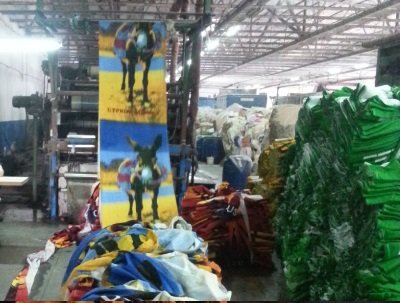
Professional drying equipment ensures consistent quality in microfiber towel production
Inside a Microfiber Towel Factory: Production Capabilities
A modern microfiber towel factory requires substantial investment in equipment and technology. Similarly, skilled workers and quality control systems are essential. Therefore, evaluating a factory’s capabilities is crucial when selecting a supplier.
Essential Equipment and Technology
Leading manufacturers invest in state-of-the-art machinery. For instance, imported weaving machines from Germany or Japan ensure superior fabric quality. Additionally, computerized systems monitor production parameters in real-time.
- High-speed weaving looms: Producing consistent fabric with precise specifications
- Digital printing machines: Enabling full-color custom designs without minimum order quantities
- Automatic cutting systems: Ensuring accurate dimensions and minimizing waste
- Industrial sewing equipment: Creating durable, professional edge finishes
- Dyeing and finishing machinery: Providing vibrant, long-lasting colors
- Quality testing equipment: Measuring absorbency, colorfastness, and durability
According to Textile World, advanced manufacturing technology can improve production efficiency by up to 40% while maintaining consistent quality standards.
Our Manufacturing Facilities
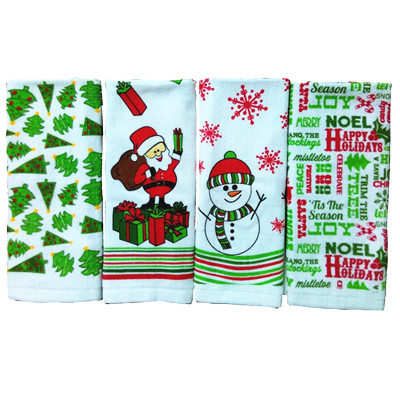
State-of-the-art production line for microfiber manufacturing
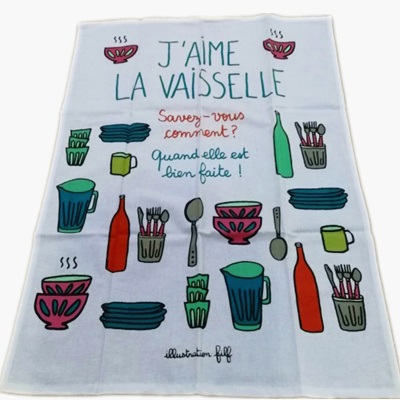
Full-color digital printing capabilities for custom designs
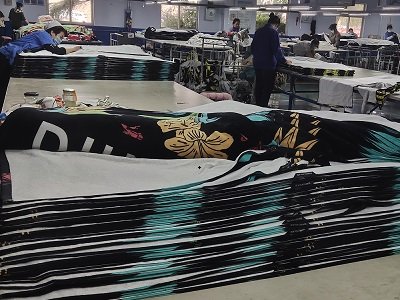
Professional packaging ensuring safe delivery worldwide
Why China Leads Global Microfiber Towel Production
China has become the world’s leading microfiber towel manufacturer for several compelling reasons. In fact, the country produces 50-60% of the global supply. Moreover, Chinese factories offer unmatched combinations of quality, capacity, and cost-effectiveness.
The Manufacturing Ecosystem Advantage
China’s textile manufacturing ecosystem has developed over decades. Consequently, suppliers benefit from integrated supply chains, skilled labor, and advanced infrastructure. Furthermore, clusters like Yiwu in Zhejiang Province specialize in towel production.
🌏 China’s Microfiber Manufacturing Advantages:
- Complete supply chain: From raw materials to finished products in one region
- Skilled workforce: Generations of textile manufacturing expertise
- Scale economies: Large production volumes reducing per-unit costs
- Technology investment: Continuous upgrades to manufacturing equipment
- Export infrastructure: Efficient shipping from major ports like Shanghai and Ningbo
- Quality certifications: International standards like OEKO-TEX and BSCI
Based in Yiwu, Jinhua, Zhejiang Province, our company benefits from this robust ecosystem. Additionally, we’ve served international clients for 15 years, understanding global market requirements.
Regional Production Capacity
China’s coastal provinces dominate microfiber towel production. Specifically, Zhejiang, Jiangsu, and Guangdong provinces contain the majority of factories. Meanwhile, these regions offer excellent logistics access for international shipping.
“China’s textile manufacturing infrastructure is unmatched globally. Furthermore, the combination of scale, technology, and expertise makes it the ideal sourcing destination for microfiber towels.” – International Textile Manufacturers Federation
Cost Drivers in Microfiber Towel Manufacturing
Understanding cost factors helps buyers make informed sourcing decisions. Therefore, let’s examine the main components that influence microfiber towel pricing.
Raw Material Costs
Polyester and polyamide prices fluctuate based on petroleum markets. However, China’s massive purchasing power helps stabilize costs. Additionally, direct relationships with fiber producers reduce intermediary markups.
💰 Typical Cost Breakdown for Microfiber Towels:
- Raw materials: 40-50% of total cost
- Labor and manufacturing: 25-35%
- Energy and utilities: 8-12%
- Quality control and testing: 3-5%
- Packaging and shipping: 10-15%
Labor and Manufacturing Efficiency
Chinese manufacturers leverage automation to control labor costs. Moreover, skilled workers ensure high productivity and consistent quality. Consequently, the combination delivers competitive pricing without compromising standards.
Energy and Utilities
Modern factories invest in energy-efficient equipment. For example, LED lighting and optimized HVAC systems reduce operational costs. Similarly, water recycling systems minimize both environmental impact and expenses.
Learn more about sustainable manufacturing practices from the Sustainable Manufacturing Alliance.
Quality Benchmarks and Testing Standards
Quality control separates professional manufacturers from basic suppliers. Moreover, international buyers require verifiable certifications and testing. Therefore, understanding quality benchmarks is essential for procurement decisions.
Essential Certifications for Microfiber Towel Manufacturers
Reputable factories maintain multiple international certifications. In addition, these credentials demonstrate commitment to quality, safety, and ethical manufacturing. Furthermore, they provide buyers with confidence and risk mitigation.
| Certification | Purpose | Why It Matters |
|---|---|---|
| OEKO-TEX Standard 100 | Product safety certification | Ensures no harmful chemicals; safe for skin contact |
| BSCI | Social compliance audit | Verifies ethical manufacturing and worker welfare |
| SGS Inspection | International quality verification | Third-party testing confirms product specifications |
| FDA Compliance | Food-contact safety | Required for kitchen towels and food-service applications |
| ISO 9001 | Quality management system | Demonstrates systematic quality control processes |
Our microfiber cleaning cloths and all towel products maintain these essential certifications. Consequently, clients can confidently specify our products for any market.
Performance Testing Procedures
Professional manufacturers conduct comprehensive testing throughout production. Additionally, these tests verify that products meet specifications and performance claims. Furthermore, documented test results provide accountability.
🔬 Standard Quality Tests for Microfiber Towels:
- Absorbency Testing: Measuring water absorption rate and capacity
- Colorfastness Tests: Checking resistance to washing, sunlight, and rubbing
- Durability Assessment: Wash cycle testing (typically 500+ cycles)
- Lint Production: Verifying minimal fiber shedding during use
- Dimensional Stability: Ensuring towels maintain size after washing
- Edge Integrity: Testing stitch strength and seam durability
- GSM Verification: Confirming fabric weight matches specifications
- Chemical Safety: Testing for harmful substances per OEKO-TEX standards
What 500+ Wash Cycles Really Means
Quality microfiber towels maintain performance through hundreds of wash cycles. In fact, this translates to 2-3 years of regular use for most applications. Moreover, proper care extends lifespan even further. Therefore, initial investment in quality pays off through longevity.
Sustainable Manufacturing: Addressing Microfiber Shedding
Environmental responsibility is increasingly important in textile manufacturing. However, microfiber towels present unique sustainability challenges. Specifically, microfiber shedding during washing raises environmental concerns. Nevertheless, responsible manufacturers are addressing these issues proactively.
Understanding Microfiber Shedding
When washed, microfiber towels can release tiny plastic fibers into wastewater. Subsequently, these particles may enter aquatic ecosystems. Therefore, minimizing shedding is a priority for ethical manufacturers.
⚠️ Environmental Considerations:
- Standard microfiber towels may shed thousands of fibers per wash
- However, high-quality construction significantly reduces shedding
- Additionally, proper manufacturing techniques create more stable fiber structures
- Furthermore, finishing treatments can minimize particle release
Eco-Friendly Manufacturing Practices
Forward-thinking microfiber towel factories implement sustainable practices. For instance, water recycling systems reduce environmental impact. Similarly, energy-efficient equipment lowers carbon footprints.
Sustainable manufacturing practices in modern microfiber towel production
Our recycled beach towels demonstrate commitment to sustainability. Specifically, these products use post-consumer recycled polyester, reducing environmental impact while maintaining quality.
Eco-Friendly Options and Certifications
- Recycled Polyester Options: Using post-consumer plastic bottles reduces virgin material demand
- Low-Shed Construction: Advanced fiber bonding techniques minimize particle release
- Eco-Friendly Dyes: Water-based, non-toxic colorants meeting environmental standards
- Biodegradable Packaging: Reducing plastic waste in product packaging
- Energy-Efficient Production: Modern equipment reducing carbon emissions
- Water Conservation: Recycling systems in dyeing and finishing processes
According to the Environmental Protection Agency, sustainable manufacturing practices can reduce environmental impact by up to 50% compared to conventional methods.
Microfiber Towel Applications Across Industries
Microfiber towels serve diverse markets and applications. Moreover, understanding specific use cases helps buyers select appropriate specifications. Therefore, let’s explore major industry applications and requirements.
Home and Personal Use
Consumer markets drive significant demand for microfiber towels. Additionally, homeowners appreciate the superior performance and convenience. Furthermore, the variety of available products suits different household needs.
🏠 Home Applications:
- Bath Towels: Quick-drying, compact storage, ideal for small bathrooms
- Beach Towels: Lightweight, sand-resistant, fast-drying for travel
- Hair Towels: Gentle on hair, reduces frizz, speeds drying time
- Kitchen Towels: Lint-free cleaning, excellent absorbency, food-safe options
- Cleaning Cloths: Effective dirt removal, reusable, chemical-free cleaning possible
Hospitality Sector
Hotels, resorts, and spas increasingly adopt microfiber towels. Consequently, laundry costs decrease due to faster drying times. Additionally, durability reduces replacement frequency.
“Switching to microfiber towels reduced our laundry energy costs by 35% while improving guest satisfaction. Moreover, the towels maintain quality after hundreds of washes.” – Leading Hotel Chain Procurement Manager
Automotive Detailing
Professional car wash and detailing businesses rely on microfiber towels. In fact, the lint-free performance prevents scratching delicate surfaces. Furthermore, superior absorbency speeds drying processes.
Healthcare and Medical Facilities
Medical environments require hygienic, effective cleaning solutions. Therefore, microfiber towels meet stringent cleanliness standards. Additionally, antimicrobial treatments enhance infection control.
Industrial and Commercial Cleaning
Janitorial services and commercial cleaners prefer microfiber for efficiency. Specifically, the towels clean effectively with less chemical usage. Moreover, this reduces both costs and environmental impact.
OEM and ODM Capabilities: Private Label Manufacturing
Many buyers seek customized products with their own branding. Therefore, understanding OEM and ODM services is essential. Moreover, these options enable businesses to create unique product offerings.
What Does OEM/ODM Mean?
OEM and ODM are common terms in manufacturing partnerships. However, they represent different service levels. Specifically, the distinction matters when planning product development.
📚 Quick Definitions:
OEM (Original Equipment Manufacturer): The manufacturer produces towels according to your exact specifications and designs. Essentially, you provide the blueprint, and they manufacture it with your branding.
ODM (Original Design Manufacturer): The manufacturer offers existing designs that you can customize and brand. In other words, they handle design and development, and you select from available options.
Our OEM/ODM Service Capabilities
With 15 years of experience, we offer comprehensive customization services. Additionally, our flexible approach accommodates businesses of all sizes. Furthermore, we support clients from initial concept through final production.
| Service Aspect | Our Capability | Lead Time |
|---|---|---|
| Minimum Order Quantity | 100 pieces (stock colors) | No MOQ for digital printing | Immediate – 15 days |
| Custom Sizes | Any dimension from 30x30cm to 100x200cm | 15-20 days |
| Digital Printing | Full-color, photographic quality, no MOQ | 10-15 days |
| Logo Embroidery | Single or multi-color embroidered logos | 15-20 days |
| Custom Packaging | Retail-ready boxes, polybags, hang tags, inserts | 10-15 days |
| Material Options | Standard, premium, recycled polyester blends | 15-25 days |
| Sample Development | Physical samples with your specifications | 3-5 days |
| Quality Certifications | BSCI, OEKO-TEX 100, SGS, FDA compliant | Documentation provided |
Customization Options: Tailoring Towels to Your Brand
Customization differentiates your products in competitive markets. Moreover, our flexible manufacturing capabilities support unique requirements. Therefore, buyers can create truly distinctive offerings.
Size and Dimension Customization
We manufacture towels in virtually any size. Specifically, dimensions range from small cleaning cloths to oversized beach towels. Additionally, custom sizes help brands serve niche markets effectively.
Cleaning Cloths
30x30cm to 40x40cm
Perfect for household and automotive cleaning
Hand & Face Towels
30x50cm to 40x70cm
Ideal for gym, travel, and personal care
Bath Towels
70x140cm to 80x160cm
Standard sizes for home and hospitality
Beach Towels
80x160cm to 100x200cm
Oversized comfort for beach and pool
Color and Design Options
Our digital printing technology revolutionizes customization. Specifically, we offer full-color printing with no minimum order quantity. Consequently, small businesses can afford custom designs previously accessible only to large brands.
Additionally, we offer various printing methods:
- Sublimation Printing: Vibrant, long-lasting colors that penetrate fibers
- Reactive Printing: Excellent colorfastness for solid colors and patterns
- Digital Direct Printing: Photographic quality with unlimited color options
- Screen Printing: Cost-effective for simple designs and large quantities
Branding and Packaging
Professional presentation enhances perceived value. Therefore, we offer comprehensive branding solutions. Moreover, retail-ready packaging supports immediate shelf placement.
Explore our range including Turkish hammam towels, surf poncho towels, and surf changing robes for specialized markets.
Global Demand Trends: Where Microfiber Towels Are Growing
Understanding market dynamics helps buyers make strategic decisions. Moreover, regional trends reveal opportunities for product positioning. Therefore, let’s examine current demand patterns and future projections.
Market Size and Growth Projections
The global microfiber towels market shows robust growth. Specifically, market research indicates a compound annual growth rate (CAGR) of 6-8% through 2030. Additionally, several factors drive this expansion.
📊 Global Market Statistics
$2.8-3.2B
Market Size 2024
6-8%
Annual Growth Rate
$4.5-5.2B
Projected 2030
Source: Industry market research reports and trade analysis
Regional Market Dynamics
Different regions show varying demand patterns. Consequently, buyers should consider regional preferences when developing products. Furthermore, understanding these dynamics informs market entry strategies.
🌍 Regional Market Characteristics:
North America: Strong demand in hospitality and automotive sectors. Additionally, eco-conscious consumers drive sustainable product interest. Moreover, premium quality commands higher price points.
Europe: Environmental regulations influence product specifications. Furthermore, OEKO-TEX and similar certifications are essential. Additionally, sustainable materials gain market share rapidly.
Asia-Pacific: Fastest-growing region with expanding middle class. Moreover, domestic consumption increases alongside production capacity. Therefore, both B2B and B2C opportunities exist.
Middle East: Hospitality sector drives significant demand. Additionally, beach and pool applications show strong growth. Furthermore, premium positioning succeeds in affluent markets.
Latin America: Growing market with price sensitivity. However, quality awareness increases steadily. Therefore, mid-range products perform well.
Key Growth Drivers
Several factors propel microfiber towel market expansion. Specifically, consumer awareness of performance benefits increases demand. Additionally, sustainability concerns influence purchasing decisions.
- Environmental consciousness: Reduced water and chemical usage in cleaning applications
- Hospitality growth: Expanding hotel and resort sectors worldwide
- Automotive market: Increasing car ownership and detailing services
- Healthcare standards: Enhanced cleaning requirements post-pandemic
- Sports and fitness: Growing gym memberships and active lifestyles
- E-commerce expansion: Online sales channels reaching new customers
For detailed market insights, refer to research from Grand View Research and Mordor Intelligence.
Supply Chain Considerations for International Buyers
Efficient supply chain management ensures product availability and cost control. Moreover, understanding logistics complexities helps buyers plan effectively. Therefore, let’s examine key supply chain considerations.
Sourcing Best Practices
Successful sourcing requires systematic supplier evaluation. Additionally, building relationships with reliable manufacturers reduces risk. Furthermore, diversification provides supply chain resilience.
💡 Sourcing Tips for Buyers:
- Request samples before committing to large orders
- Verify certifications with original documents
- Visit factories when possible or arrange third-party audits
- Start with smaller orders to test quality and reliability
- Establish clear communication protocols and contact points
- Define quality specifications in writing with acceptance criteria
- Plan lead times with buffer for potential delays
- Diversify suppliers for critical products to manage risk
Import Logistics and Lead Times
International shipping requires careful planning. Specifically, buyers must consider multiple transportation options. Additionally, customs clearance and documentation need attention.
Typical lead times from China:
- Air Freight: 5-10 days door-to-door (higher cost, faster delivery)
- Sea Freight (FCL): 20-35 days depending on destination port
- Sea Freight (LCL): 25-40 days for smaller quantities
- Express Courier: 3-7 days for samples and urgent shipments
Quality Control Across Borders
Maintaining quality standards requires proactive measures. Therefore, buyers should implement inspection protocols. Moreover, clear communication with manufacturers prevents misunderstandings.
“Pre-shipment inspections reduced our defect rate from 5% to less than 0.5%. Furthermore, the investment in quality control pays for itself through reduced returns and customer satisfaction.” – Import Manager, Major Retailer
How to Select the Right Microfiber Towel Manufacturer
Choosing the right manufacturing partner significantly impacts business success. Moreover, systematic evaluation reduces risk and ensures quality. Therefore, follow this comprehensive selection guide.
Essential Evaluation Criteria
When assessing potential suppliers, consider multiple factors. Additionally, prioritize criteria based on your specific needs. Furthermore, document your evaluation for comparison purposes.
✅ Manufacturer Evaluation Checklist:
1. Production Capacity
- Monthly output volume
- Equipment and technology level
- Scalability for growing orders
- Peak season capacity management
2. Quality Systems
- ISO 9001 or equivalent certification
- Quality control processes at each production stage
- Testing equipment and procedures
- Defect rate statistics and improvement initiatives
3. Certifications and Compliance
- OEKO-TEX Standard 100 for product safety
- BSCI for ethical manufacturing
- Relevant market-specific certifications (FDA, REACH, etc.)
- Environmental certifications if applicable
4. Customization Capabilities
- MOQ requirements for different specifications
- Design and development support
- Sample turnaround time
- Flexibility for special requests
5. Communication and Service
- English proficiency of sales team
- Response time to inquiries
- Willingness to provide references
- After-sales support commitment
6. Financial Stability
- Years in business
- Client portfolio and long-term partnerships
- Payment terms flexibility
- Trade assurance or escrow options
What to Request in a Supplier Proposal
Comprehensive proposals enable meaningful comparisons. Moreover, standardizing requests ensures you receive necessary information. Therefore, provide detailed specifications when soliciting quotes.
Information to Request
- Product Specifications: Confirm understanding of your requirements (size, GSM, material, color, etc.)
- Pricing Structure: Unit prices at various quantity levels, including volume discounts
- MOQ Requirements: Minimum order quantities for standard and custom products
- Lead Times: Production time, shipping time, and total delivery schedule
- Sample Policy: Sample costs, shipping charges, and whether costs are refundable
- Certification Copies: Current certificates for OEKO-TEX, BSCI, SGS, FDA, etc.
- Testing Reports: Recent third-party test results for similar products
- Payment Terms: Deposit requirements, payment methods, and schedules
- Warranty/Returns: Policies for defective products and quality disputes
- References: Contact information for current clients (with permission)
How to Evaluate Factory Capacity and Capabilities
Factory capabilities directly impact order fulfillment reliability. Therefore, thorough assessment prevents future problems. Moreover, understanding capacity helps plan growth strategies.
Production Capacity Indicators
Several metrics reveal a factory’s true capacity. Additionally, ask specific questions to verify claims. Furthermore, request documentation supporting capacity statements.
🏭 Key Capacity Questions:
- How many production lines operate simultaneously?
- What is monthly output in units for products similar to mine?
- What percentage of capacity is currently utilized?
- How do you handle peak season demand?
- What is your typical lead time during busy vs. slow seasons?
- Do you have backup suppliers for raw materials?
- How many employees work in production?
- What are your quality control staff numbers?
Views: 8