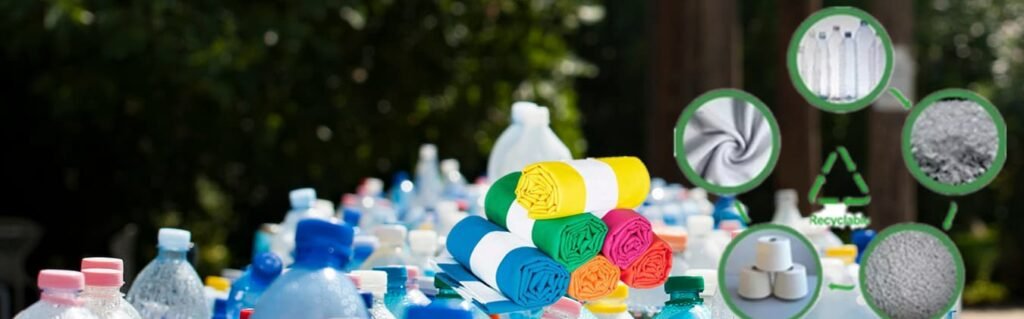
🌍 Quick Stats: Why Switch to Eco Friendly Microfiber Towels?
Are Microfiber Towels Eco Friendly?
Short Answer: Yes, eco friendly microfiber towels are significantly better for the environment than disposable options. Furthermore, they can be reused 300 to 500 times, which dramatically reduces waste. Additionally, microfiber towels clean effectively with just water, so you won’t need harsh chemicals. However, standard microfiber can shed tiny plastic fibers during washing, which is why choosing high-quality options with proper care is essential.
Making the switch to reusable cleaning towels is one of the smartest decisions for both your wallet and our planet. In fact, studies show that households using reusable cloths produce about 69% less solid waste compared to those relying on disposable wipes. Moreover, the carbon footprint drops significantly—from approximately 6.86 kg CO2e per month with paper towels to just 1.88 kg CO2e with reusable microfiber options.
As consumers become more environmentally conscious, the demand for sustainable cleaning cloths continues to grow. Therefore, understanding what makes these towels truly eco-friendly helps you make informed purchasing decisions.
Reusable Cleaning Towels vs Paper Towels: The Real Numbers
When comparing reusable cleaning towels to traditional paper towels, the environmental benefits become crystal clear. Consequently, let’s look at the actual data that proves why more households and businesses are making the switch.
Carbon Footprint & Waste Reduction Comparison
| Metric | Disposable Paper Towels | Reusable Cloths | Notes |
|---|---|---|---|
| Typical Usage | 10 rolls per month | 5 cloths per month | Based on average household consumption |
| Carbon Footprint | ~6.86 kg CO2e | ~1.88 kg CO2e | Includes production, use, and disposal |
| Solid Waste | Baseline (100%) | 69% less waste | Reusables dramatically cut landfill impact |
| Packaging Waste | Baseline (100%) | 76% less packaging | Industrial data from shop towel systems |
How Many Paper Towels Does One Cloth Replace?
| Product Type | Paper Towel Rolls Replaced | Estimated Lifespan |
|---|---|---|
| Standard Reusable Cloth | 17 rolls per cloth | 300+ wash cycles |
| Premium Eco Microfiber | 40+ rolls per 9-pack | 400+ wash cycles |
| Heavy-Duty Pressed Fiber | 70+ rolls per cloth | 500+ wash cycles |
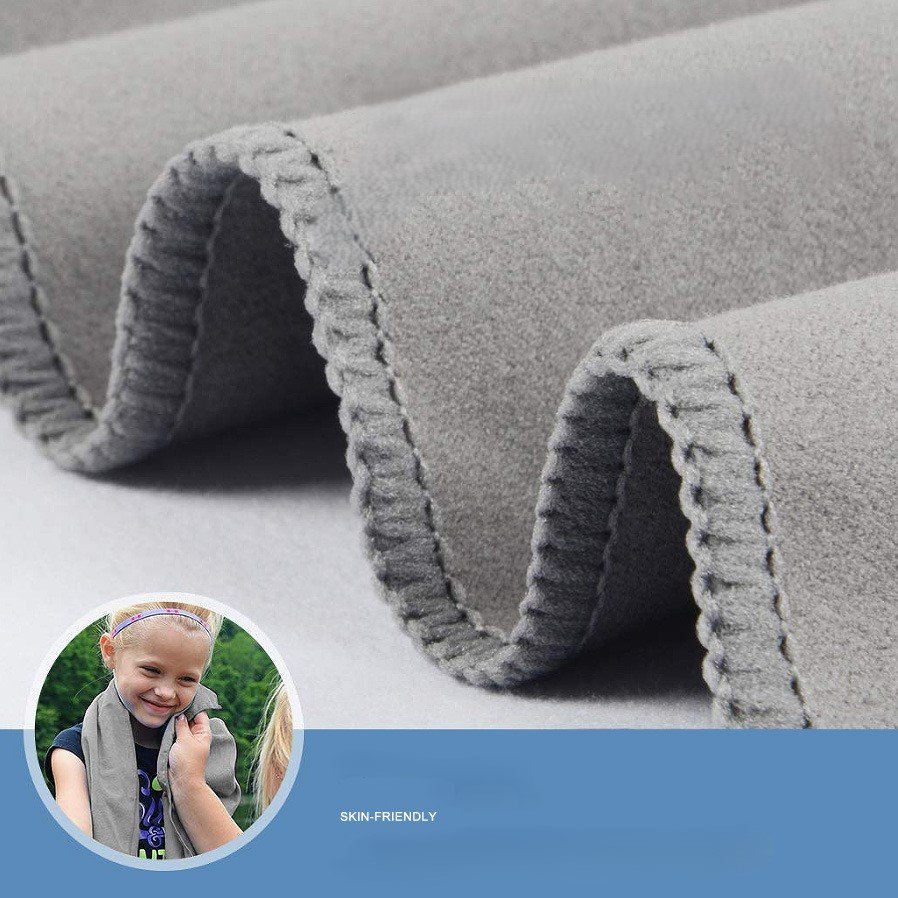
Premium microfiber towels designed for maximum durability and sustainability
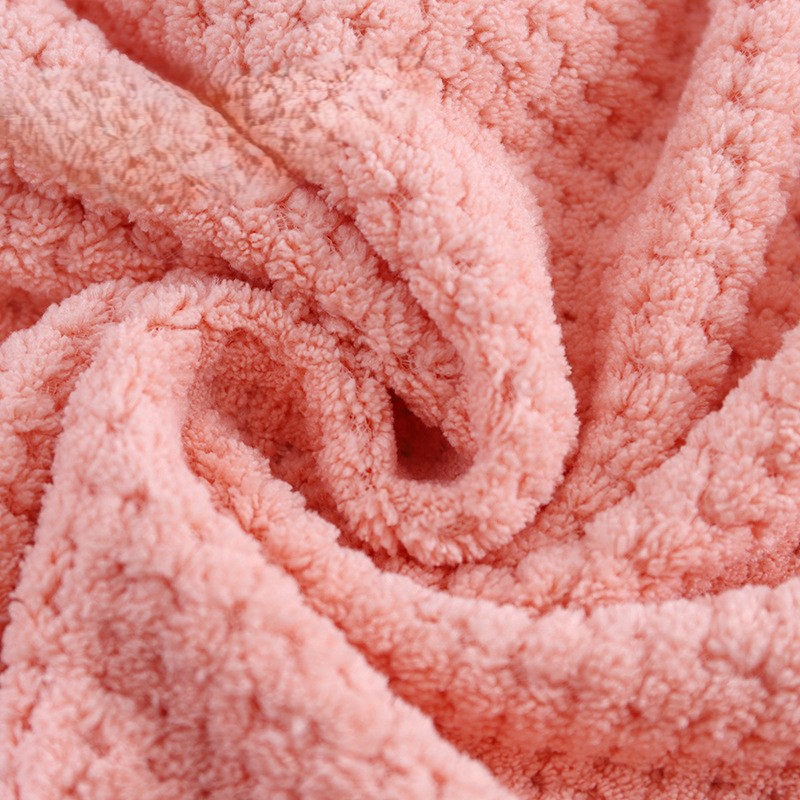
Versatile reusable cleaning cloths for home and commercial use
“A single 9-pack of quality reusable cloths can replace more than 40 rolls of paper towels over its lifetime. As a result, this creates massive savings for both your budget and the environment.” — Environmental Protection Agency Research
Additionally, eco friendly microfiber towels offer superior absorbency. In fact, they can hold up to 7 times their weight in water, which means you need fewer towels per cleaning task. Therefore, this efficiency translates into even greater resource savings over time.
What Makes a Microfiber Towel Truly Eco Friendly?
Not all microfiber towels are created equal. Consequently, understanding the key features that make a towel truly sustainable helps you choose products that deliver both performance and environmental benefits. Here are the essential characteristics to look for in sustainable cleaning cloths.
1. Recycled Polyester (rPET) Content
The best eco friendly microfiber towels incorporate recycled materials into their construction. Specifically, many premium brands now use up to 50% yarn made from recycled plastic bottles (rPET). As a result, this innovative approach gives new life to plastic waste that would otherwise end up in landfills or oceans.
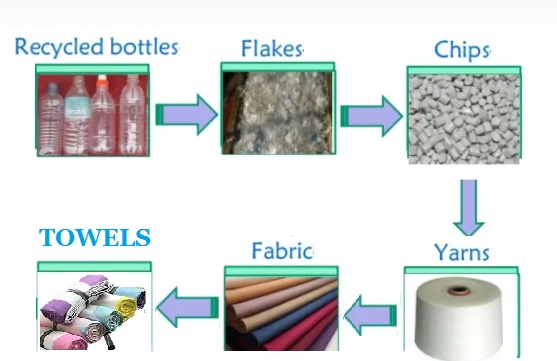
Manufacturing process showing how plastic bottles transform into premium microfiber towels
Advanced production facility ensuring quality and sustainability standards
At Favor Houseware, we specialize in manufacturing recycled towel products that meet the highest environmental standards. Moreover, our production processes minimize water usage and energy consumption throughout the manufacturing cycle.
2. Exceptional Longevity (300-500 Wash Cycles)
Professional-grade reusable cleaning towels should withstand approximately 300 to 500 wash cycles when properly maintained. In comparison, disposable options are used once and discarded. Therefore, this durability factor alone makes reusable towels exponentially more sustainable.
Longevity Math: If one microfiber towel lasts 400 washes and replaces 40 rolls of paper towels, that’s one wash replacing nearly one full roll. Furthermore, over a year, just 10 quality microfiber towels could eliminate the need for 400+ paper towel rolls in a busy household or small business.
3. Chemical-Free Cleaning Capability
One remarkable benefit of eco friendly microfiber towels is their ability to clean effectively using only water. Specifically, the ultra-fine fibers (typically 1/100th the diameter of a human hair) create a powerful cleaning action that traps dirt, grease, and bacteria without chemicals.
Consequently, this feature offers several advantages:
- Reduced chemical exposure: Better for your family’s health and indoor air quality
- Lower costs: No need to constantly purchase cleaning products
- Environmental protection: Fewer chemicals entering waterways and ecosystems
- Plastic bottle reduction: Eliminates the need for spray bottles and cleaner containers
For specialized cleaning tasks, our kitchen towel collection demonstrates how targeted design enhances chemical-free cleaning performance in specific applications.
Are Microfiber Towels Really Sustainable? The Honest Truth
While eco friendly microfiber towels offer significant environmental benefits, it’s important to address both the advantages and concerns honestly. Therefore, let’s examine the complete picture so you can make informed decisions about sustainable cleaning cloths.
Environmental Benefits
The Positive Impact:
- Dramatic waste reduction: One cloth prevents dozens of rolls of paper towels from entering landfills
- Lower carbon emissions: Production and use generate 73% less CO2 compared to disposables
- Reduced chemical dependency: Effective water-only cleaning protects waterways
- Resource efficiency: Superior absorbency means fewer materials needed per cleaning task
- Long service life: 300-500+ uses from a single towel maximizes resource investment
The Microplastic Concern
Important Consideration:
Because microfiber towels are made from synthetic materials (typically polyester and nylon), they do shed microscopic plastic fibers during washing. In fact, research shows that these microplastics can enter waterways and contribute to plastic pollution in aquatic environments. However, this challenge doesn’t negate the overall environmental benefits when compared to disposable alternatives.
According to Ocean Conservancy research, synthetic textile washing contributes to microplastic pollution. Nevertheless, several effective mitigation strategies exist.
How to Minimize Microfiber Shedding
Fortunately, you can significantly reduce microplastic release through these proven methods:
- Choose high-quality towels: Premium microfiber towels with tighter weaves shed fewer fibers
- Use washing bags: Specialized laundry bags capture up to 99% of released microfibers before they enter wastewater
- Install washing machine filters: Aftermarket filters trap microplastics during the drain cycle
- Wash less frequently: Rinse and hang-dry between uses to extend time between full washes
- Use cold water and gentle cycles: Lower temperatures and less agitation reduce fiber breakage
- Fill loads completely: Fuller loads create less friction per item
- Skip fabric softener: It coats fibers and can increase shedding over time
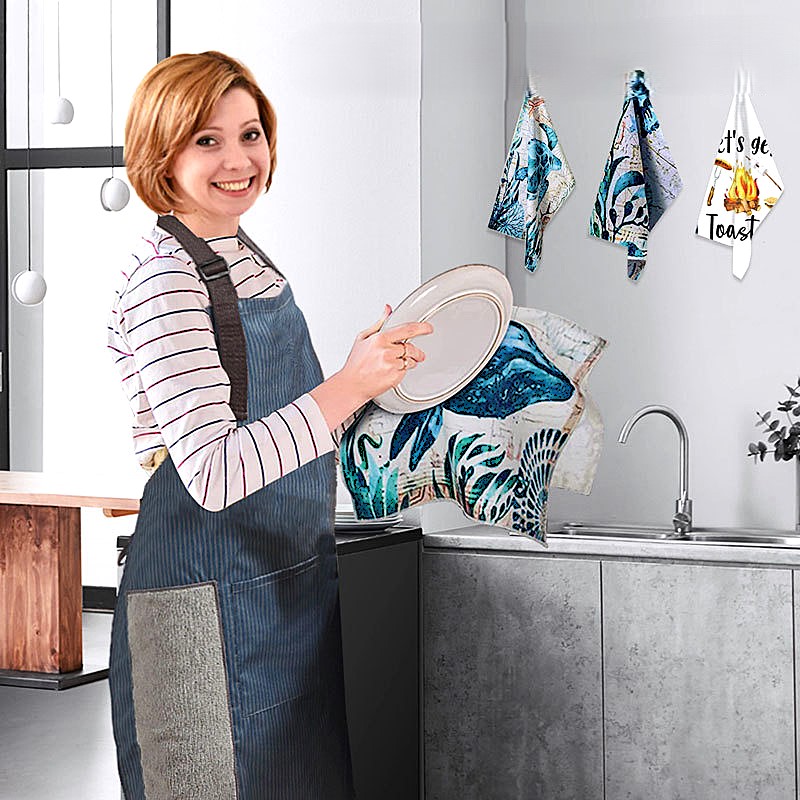
Professional-grade construction minimizes fiber shedding during use and washing
“While microfiber shedding is a legitimate concern, the overall environmental impact of reusable towels remains significantly lower than disposable alternatives. Moreover, with proper care and filtering technology, we can minimize microplastic release.” — Plastic Pollution Coalition
The Bottom Line on Sustainability
When weighing all factors, eco friendly microfiber towels represent a net positive for the environment. Specifically, they reduce solid waste by 69%, cut packaging waste by 76%, and dramatically lower carbon emissions. Furthermore, as manufacturing technology improves, newer products feature enhanced fiber retention and increased recycled content.
Therefore, the key is choosing quality products from responsible manufacturers who prioritize both performance and environmental stewardship. At Favor Houseware, we continuously invest in research and production methods that minimize environmental impact while maximizing product durability.
Choosing Sustainable Cleaning Cloth Materials: Complete Comparison
Understanding different materials helps you select the best sustainable cleaning cloths for your specific needs. Consequently, let’s compare the most popular eco-friendly options available today.
Material Performance Comparison
| Material Type | Absorbency | Durability | Eco Rating | Best Use Cases |
|---|---|---|---|---|
| Standard Microfiber | 7x weight in water | 300-500 washes | ⭐⭐⭐⭐ | All-purpose cleaning, dusting, polishing |
| Recycled Microfiber (rPET) | 7x weight in water | 300-500 washes | ⭐⭐⭐⭐⭐ | Same as standard, with recycled content |
| Cotton/Cellulose Blend | 4-5x weight | 150-200 washes | ⭐⭐⭐⭐⭐ | Biodegradable option, light cleaning |
| Bamboo Fiber | 3-4x weight | 100-150 washes | ⭐⭐⭐⭐ | Kitchen cleaning, gentle surfaces |
| Cotton Terry | 5-6x weight | 200-300 washes | ⭐⭐⭐ | Spills, general wiping, drying |
Detailed Material Breakdown
Microfiber (Polyester/Nylon Blend)
Eco friendly microfiber towels remain the gold standard for cleaning performance. Specifically, the ultra-fine synthetic fibers create millions of tiny hooks that effectively trap dirt, dust, bacteria, and even viruses. Moreover, quality microfiber can hold approximately 7 times its weight in liquid, which makes it incredibly efficient.
Advantages:
- Exceptional cleaning power with water alone
- Extremely durable (300-500+ wash cycles)
- Quick-drying properties prevent bacterial growth
- Lint-free finish ideal for glass and screens
- Available in various weights for different applications
Considerations:
- Synthetic material sheds microplastics (manageable with proper care)
- Not biodegradable at end of life
- Requires specific washing care (no softener, low heat)
Recycled Microfiber (rPET)
This innovative material combines microfiber’s superior performance with environmental responsibility. In fact, reusable cleaning towels made from recycled PET bottles offer identical cleaning power while giving new purpose to plastic waste.
Our recycled towel manufacturing process demonstrates how post-consumer plastic bottles transform into premium cleaning cloths. Furthermore, this process uses significantly less energy compared to virgin polyester production.
Why Choose Recycled Microfiber:
- Diverts plastic bottles from landfills and oceans
- Reduces petroleum dependency for virgin plastic production
- Identical performance to standard microfiber
- Lower carbon footprint in manufacturing
- Supports circular economy principles
Biobased Cloths (Cotton/Cellulose)
For those prioritizing complete biodegradability, cotton and cellulose blends offer an excellent alternative. Although they don’t match microfiber’s cleaning power, these sustainable cleaning cloths are 100% compostable at end of life.
Best Applications:
- Light kitchen cleaning and wiping
- Drying dishes and produce
- General household tasks
- Environments where biodegradability is essential
Additionally, our kitchen towel line includes natural fiber options for customers seeking fully biodegradable solutions.
Making the Right Choice for Your Needs
Decision Guide:
- For maximum cleaning power: Choose standard or recycled microfiber
- For environmental priority: Select recycled microfiber (rPET) options
- For biodegradability: Opt for cotton/cellulose blends
- For budget-conscious bulk buyers: Standard microfiber offers best value per use
- For specialized applications: Consider task-specific designs like our Turkish hammam towels
At Favor Houseware, we manufacture the complete range of these materials. Therefore, whether you need high-performance microfiber or biodegradable alternatives, we can supply sustainable cleaning cloths that meet your exact specifications.
Why Businesses Are Switching to Sustainable Cleaning Cloths
The market for eco friendly microfiber towels and reusable cleaning towels is experiencing unprecedented growth. Consequently, businesses that adopt these products now position themselves advantageously for the future. Let’s examine the compelling market data driving this transformation.
Global Market Growth Projections
| Market Segment | 2024 Value / Forecast | Growth Rate (CAGR) | Key Drivers |
|---|---|---|---|
| Global Cleaning Cloths Market | ~$2.1 billion (2024) | 7.5% through 2033 | Sustainability trends, reusable demand |
| Sustainable Cleaning Cloths | $10+ billion by 2028 | Strong double-digit growth | Washable, biodegradable, recycled materials |
| Microfiber Cleaning Cloth Market | ~$2.45 billion (2023) | 24% CAGR 2024-2030 | Chemical-free cleaning, commercial adoption |
| Expected Market Size (2030) | $11+ billion projected | Accelerating growth | Global sustainability regulations |
According to Markets and Markets research, the microfiber cleaning products sector represents one of the fastest-growing segments in the cleaning industry. Moreover, sustainability-focused products are capturing increasing market share across all regions.
Why B2B Buyers Are Making the Switch
1. Substantial Cost Savings
For commercial operations, reusable cleaning towels deliver impressive financial returns. Specifically, consider this cost comparison:
B2B Cost Analysis Example:
Medium-sized hotel (100 rooms):
- Annual disposable cost: $3,600 (assuming 10 rolls/day @ $1/roll)
- Reusable investment: $800 for 200 quality microfiber towels
- Annual washing cost: $400 (industrial laundry)
- First-year savings: $2,400
- Years 2-3 savings: $3,200/year (only washing costs)
- 3-year total savings: $8,800+
Furthermore, businesses report that eco friendly microfiber towels reduce labor time because they clean more efficiently. As a result, fewer passes are needed per surface, which improves productivity.
2. Meeting Corporate Sustainability Goals
Today’s businesses face increasing pressure to demonstrate environmental responsibility. In fact, corporate sustainability reporting has become standard practice, and switching to sustainable cleaning cloths provides measurable environmental metrics:
- Waste reduction: Quantifiable decrease in landfill contributions
- Carbon footprint: Lower emissions from reduced manufacturing and transportation
- Chemical reduction: Decreased hazardous material usage and disposal
- Water conservation: Less water needed for effective cleaning
Many companies in China’s manufacturing sector have successfully integrated sustainable cleaning solutions into their operations, demonstrating both environmental and economic benefits.
3. Industry Adoption Trends
Several sectors are leading the transition to reusable cleaning towels:
- Hospitality: Hotels and resorts reducing operational costs while promoting green credentials
- Healthcare: Hospitals adopting microfiber for superior infection control
- Food service: Restaurants using color-coded systems for food safety
- Commercial cleaning: Janitorial services upgrading to professional microfiber systems
- Automotive: Detailing businesses demanding lint-free, scratch-free performance
- Education: Schools and universities implementing sustainable cleaning programs
4. Regulatory and Certification Drivers
Increasingly, regulations favor sustainable products. Moreover, certifications like LEED (Leadership in Energy and Environmental Design) award points for using environmentally preferable cleaning products and methods. Therefore, businesses using eco friendly microfiber towels can achieve higher sustainability ratings.
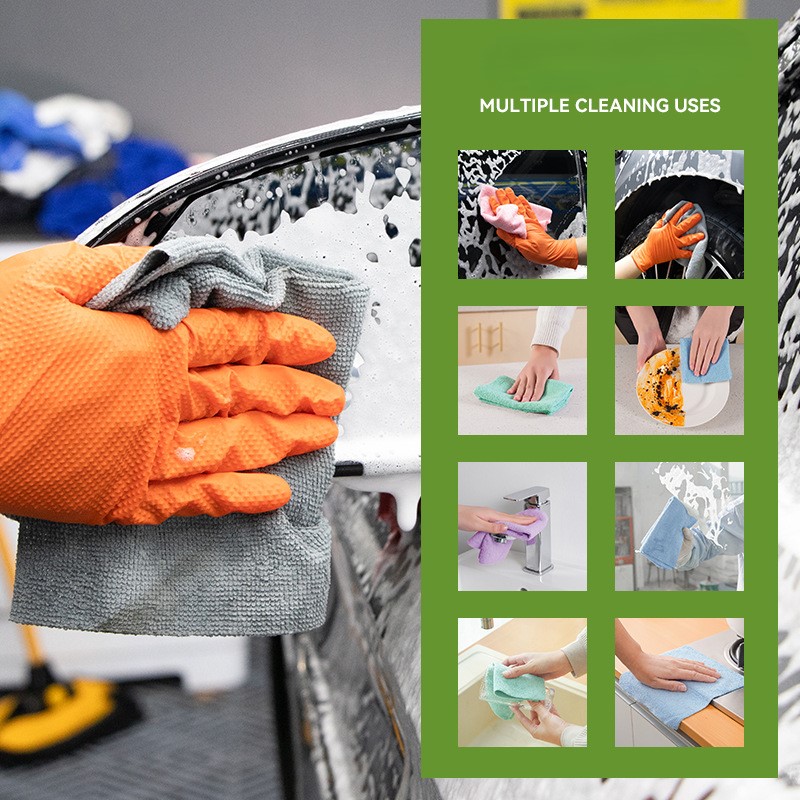
Professional cleaning applications demonstrating commercial-grade durability
Partner with a Manufacturing Leader
As a leading China towel manufacturer, Favor Houseware is positioned at the center of this market transformation. Specifically, we offer:
- Large-scale production capacity: Meeting bulk orders for commercial clients
- Custom manufacturing: OEM/ODM services for branded products
- Quality certifications: International standards compliance
- Sustainable options: Recycled content and eco-friendly production methods
- Competitive pricing: Direct manufacturer pricing without middlemen
Additionally, our diverse product line includes everything from beach towels to professional aprons, demonstrating our comprehensive textile manufacturing expertise.
How Long Do Eco Microfiber Towels Last? (Maximizing Your Investment)
Understanding the lifespan and proper care of eco friendly microfiber towels ensures you maximize both their performance and sustainability benefits. Therefore, let’s explore what determines longevity and how to extend the life of your reusable cleaning towels.
Expected Lifespan: 300-500 Wash Guarantee
Quality commercial microfiber cloths typically come with guarantees of approximately 300 to 500 wash cycles. However, actual lifespan depends on several factors:
- Initial quality: GSM (grams per square meter) and fiber construction
- Washing practices: Temperature, detergent type, and cycle selection
- Drying methods: Air-dry versus machine dry settings
- Usage intensity: Light household use versus heavy commercial applications
- Storage conditions: Clean, dry storage between uses
Cost Per Use Analysis:
A premium microfiber towel costing $4.00 that lasts 400 washes = $0.01 per use
Compare this to paper towels at approximately $0.02-0.05 per sheet, and the savings become dramatic. Furthermore, when factoring in superior cleaning performance, the value proposition is undeniable.
Proper Care Instructions for Maximum Longevity
Washing Guidelines
Following these best practices extends the life of your sustainable cleaning cloths significantly:
- Wash microfiber towels separately or with other lint-free items only
- Use cool to warm water (never hot) to prevent fiber damage
- Choose a gentle or normal cycle rather than heavy-duty settings
- Add mild liquid detergent—use half the amount you’d use for regular laundry
- Skip fabric softener entirely, as it coats fibers and ruins absorbency
- Avoid bleach, which breaks down synthetic fibers over time
- Don’t overload the washing machine—towels need space to agitate freely
- Consider using a washing bag to reduce microplastic shedding
Drying Best Practices
Proper drying is equally important for maintaining performance:
- Air-drying (preferred): Hang towels to dry naturally, which prevents heat damage and saves energy
- Low-heat tumble dry: If using a dryer, select the lowest heat setting
- Never use dryer sheets: They leave residue that destroys microfiber’s cleaning ability
- Remove promptly: Don’t leave towels sitting in the dryer, which can set wrinkles and odors
Between-Use Maintenance
Extending time between full washes helps your reusable cleaning towels last longer:
- Rinse thoroughly: After use, rinse out dirt and cleaning solution under running water
- Hang to dry: Proper air circulation prevents bacterial growth and odors
- Spot clean when possible: Address small stains immediately rather than washing the entire towel
- Rotate your towels: Using multiple towels in rotation reduces wear on any single cloth
When to Replace Your Microfiber Towels
Even with excellent care, eco friendly microfiber towels eventually need replacement. Watch for these signs:
- Reduced absorbency: Water beads on the surface instead of being absorbed
- Visible wear: Fraying edges, holes, or significantly thinned areas
- Persistent odors: Smells that don’t wash out indicate bacterial buildup in damaged fibers
- Lint production: Quality microfiber shouldn’t leave lint—if it does, fibers are breaking down
- Reduced cleaning power: Surfaces require multiple passes or additional cleaning products
“In our commercial cleaning operations, we’ve tracked microfiber towel performance over time. Towels that receive proper care consistently exceed the 400-wash mark while maintaining excellent cleaning performance. Conversely, towels washed with fabric softener fail after just 50-75 washes.” — Professional Cleaning Association Report
Disposal and End-of-Life Considerations
When your microfiber towels finally reach the end of their useful life, consider these options:
- Textile recycling programs: Some municipalities accept synthetic textiles for recycling
- Industrial recycling: Companies like TerraCycle offer specialized recycling for synthetic materials
- Repurposing: Use worn towels for heavy-duty tasks like garage cleaning or painting
- Donation: Animal shelters often accept used towels for pet bedding
At Favor Houseware, we’re actively researching end-of-life solutions for microfiber products, including potential take-back programs for commercial clients.
How to Use Eco Friendly Microfiber Towels for Greener Cleaning
Getting the most from your eco friendly microfiber towels requires understanding proper usage techniques. Consequently, these practical tips help you achieve superior cleaning results while maximizing environmental benefits.
Chemical-Free Cleaning Combinations
One major advantage of reusable cleaning towels is their effectiveness with natural cleaning solutions. Therefore, try these eco-friendly pairings:
Kitchen Cleaning
- White vinegar + water (1:1): Perfect for countertops, cutting through grease naturally
- Baking soda paste: Gentle abrasive for stubborn stains on sinks and stovetops
- Lemon juice: Natural degreaser and deodorizer for kitchen surfaces
- Castile soap solution: Mild, plant-based cleaner for general kitchen wiping
Our specialized kitchen towels are designed specifically for food preparation areas, offering both absorbency and durability.
Bathroom Applications
- Vinegar spray: Excellent for mirrors, faucets, and glass shower doors
- Baking soda + hydrogen peroxide: Effective grout cleaner without harsh chemicals
- Tea tree oil solution: Natural antimicrobial properties for toilet and sink areas
General Household Surfaces
- Plain water: Microfiber’s structure allows effective cleaning with just water for most surfaces
- Rubbing alcohol (70%): Disinfects electronics and glass without streaking
- Essential oil blends: Add pleasant scents while cleaning naturally
Color-Coding System for Maximum Hygiene
Professional cleaning operations use color-coded sustainable cleaning cloths to prevent cross-contamination. Similarly, you can implement this system:
| Color | Designated Area | Reason |
|---|---|---|
| Blue | General surfaces, windows | Low-risk areas, all-purpose cleaning |
| Green | Kitchen food prep areas | Prevent bathroom bacteria in food zones |
| Red | Bathroom toilets, high-risk areas | Contains bathroom-specific bacteria |
| Yellow | Bathroom sinks, showers | Medium-risk bathroom areas |
| White/Gray | Dusting, polishing | Dry cleaning tasks |
Application-Specific Techniques
Glass and Mirrors (Streak-Free Results)
- Spray surface lightly with water or vinegar solution
- Wipe in a figure-8 pattern using a damp microfiber cloth
- Follow immediately with a dry microfiber towel to buff
- Result: Crystal-clear, streak-free shine
Kitchen Countertops and Spills
- Use a damp microfiber towel to wipe up spills immediately
- For sticky residue, apply your chosen natural cleaner
- Let sit for 30 seconds to break down grime
- Wipe clean with a damp towel, then dry with a second towel
Dusting and Polishing
- Use a dry microfiber cloth for dusting—no sprays needed
- The electrostatic charge attracts and holds dust particles
- For wood furniture, lightly dampen the cloth if desired
- Buff to a natural shine without chemical polishes
Automotive Detailing
The automotive industry has long recognized microfiber’s superior performance. In fact, professional detailers exclusively use microfiber because it:
- Leaves no lint on glass or painted surfaces
- Prevents scratching during washing and drying
- Absorbs water quickly for spot-free drying
- Works perfectly for interior cleaning and dashboard polishing
For outdoor enthusiasts, our surf poncho towels demonstrate microfiber’s quick-dry capabilities in demanding environments.
Professional Tips for Best Results
Pro Cleaning Techniques:
- Fold into quarters: This gives you 8 clean surfaces per towel before washing
- Use gentle pressure: Microfiber works best with light to medium pressure, not scrubbing
- Work in sections: Clean small areas thoroughly rather than rushing over large spaces
- Keep towels slightly damp: Too wet reduces effectiveness; slightly damp is optimal
- Separate wet and dry tasks: Use different towels for cleaning versus drying
- Rinse frequently during use: This prevents redistributing dirt across surfaces
Storage and Organization
Proper storage extends the life of your reusable cleaning towels and keeps them ready for use:
- Store in a dry location: Moisture promotes bacterial growth and odors
- Keep separate from regular towels: Prevents lint transfer and cross-contamination
- Use bins or baskets: Organize by color code for easy identification
- Ensure complete drying: Never store damp towels, even temporarily
- Keep cleaning towels separate from drying towels: This maintains optimal performance for each type
What to Look for in Sustainable Cleaning Cloths (2026 Buyer’s Guide)
Choosing the right eco friendly microfiber towels ensures you get maximum performance, longevity, and environmental benefits. Therefore, use this comprehensive checklist when evaluating sustainable cleaning cloths for purchase.
10-Point Quality Checklist
- GSM Rating (Grams Per Square Meter): Look for 300-400 GSM for general cleaning, 400+ GSM for heavy-duty applications. Higher GSM indicates denser, more durable fabric.
- Fiber Composition: Quality microfiber uses an 80/20 blend (80% polyester, 20% polyamide/nylon). This ratio provides optimal cleaning power and durability.
- Recycled Content: Premium eco-friendly options contain 30-50% recycled polyester (rPET) from post-consumer plastic bottles, reducing environmental impact.
- Split Fiber Technology: During manufacturing, fibers should be “split” to create the microscopic wedge shape that traps dirt. Unsplit fibers perform poorly.
- Wash Cycle Guarantee: Reputable manufacturers guarantee 300-500 washes. Anything less suggests lower quality construction.
- Size Appropriateness: Standard 16″×16″ works for most tasks. Larger sizes (24″×24″+) suit automotive or commercial use. Smaller sizes (12″×12″) work for detailed cleaning.
- Edge Finishing: Sewn edges (not cut) prevent fraying and extend lifespan. Ultrasonic-cut edges on cheaper towels indicate lower quality.
- Absorbency Rating: Quality microfiber absorbs 6-7 times its weight in liquid. Test by dropping water on the towel—it should absorb immediately, not bead up.
- Lint-Free Performance: Premium microfiber leaves no lint or streaks. Lower-quality products shed fibers, defeating the purpose of microfiber cleaning.
- Certifications: Look for Oeko-Tex Standard 100 (no harmful substances), ISO 9001 (quality management), or third-party sustainability certifications.
Red Flags to Avoid
Warning Signs of Low-Quality Products:
- Extremely low prices: If prices seem too good to be true, the product likely uses unsplit fibers or very low GSM
- No wash-cycle guarantee: Manufacturers confident in their product always provide lifespan estimates
- Vague material descriptions: Terms like “microfiber-like” or unclear fiber content indicate inferior products
- Strong chemical smell: Quality microfiber shouldn’t have harsh odors from manufacturing
- Rough texture: Microfiber should feel soft and slightly plush, not rough or papery
- No care instructions: Professional products always include detailed washing guidelines
Understanding Certifications That Matter
Several certifications indicate quality and sustainability in reusable cleaning towels:
- Oeko-Tex Standard 100: Ensures no harmful chemicals in the final product, important for microfiber used in kitchens or around children
- GRS (Global Recycled Standard): Verifies recycled content claims and tracks materials through the supply chain
- ISO 9001: Demonstrates manufacturer’s commitment to quality management systems
- ISO 14001: Environmental management certification showing sustainable manufacturing practices
As an established China towel manufacturer, Favor Houseware maintains multiple international certifications, ensuring our products meet global quality and sustainability standards.
Bulk Purchasing Considerations for Businesses
Commercial buyers should additionally evaluate these factors:
Volume and Pricing
- Minimum order quantities (MOQ): Understand supplier requirements—typically 500-1,000 units for custom orders
- Tiered pricing: Bulk orders should offer significant per-unit cost reductions
- Sample availability: Reputable manufacturers provide samples for testing before large orders
Customization Options
For businesses creating branded sustainable cleaning cloths, consider:
- Custom sizing: Tailored dimensions for specific applications
- Color options: Beyond standard colors for specialized color-coding systems
- Logo printing/embroidery: Branding opportunities for resale or corporate identity
- Packaging customization: Private labeling for retail or promotional purposes
Our custom manufacturing services offer complete OEM/ODM capabilities for businesses requiring specialized eco friendly microfiber towels.
Price vs. Value Analysis
| Quality Level | Price Range (per towel) | Expected Lifespan | Best For |
|---|---|---|---|
| Budget/Economy | $1.00 – $2.00 | 50-150 washes | Light household use, trial purposes |
| Standard Quality | $2.50 – $4.00 | 200-300 washes | Regular household cleaning, small businesses |
| Premium/Commercial | $4.00 – $7.00 | 400-500+ washes | Commercial operations, heavy-duty use |
| Professional/Specialty | $7.00 – $12.00+ | 500+ washes | Automotive detailing, healthcare, specialized applications |
Value Calculation:
A $4.00 premium towel lasting 400 washes = $0.01 per use
A $1.50 budget towel lasting 100 washes = $0.015 per use
Additionally, premium towels clean better, requiring fewer passes and less time. Therefore, the true value extends beyond simple cost-per-use calculations.
Where to Buy Quality Sustainable Cleaning Cloths
Several purchasing channels exist, each with advantages:
- Direct from manufacturers: Best pricing for bulk orders, customization options available—contact us directly for wholesale inquiries
- Specialty cleaning supply distributors: Wide selection, often carry professional-grade products
- Eco-focused retailers: Curated selection of verified sustainable products
- Online marketplaces: Convenient, but verify seller credentials and read detailed reviews
For businesses seeking reliable supply chains, working directly with manufacturers like Favor Houseware ensures consistent quality, competitive pricing, and the ability to customize products for specific needs.
Frequently Asked Questions About Eco Friendly Microfiber Towels
Yes, microfiber towels are generally eco friendly because they can be reused hundreds of times and clean effectively with just water, significantly reducing waste from disposable paper towels and chemical cleaners. However, standard microfiber sheds tiny synthetic fibers during washing that contribute to microplastic pollution. Therefore, using high-quality cloths, washing bags or filters, and gentle wash cycles helps minimize this environmental concern. Overall, microfiber’s waste reduction benefits outweigh the microplastic issue when proper care is taken.
Depending on quality and care, one reusable cleaning cloth can replace 17 to 70+ rolls of paper towels over its lifetime. Some 9-packs are marketed as replacing more than 40 rolls total, which equals about 4-5 rolls per cloth. Premium heavy-duty options can replace even more. The exact number varies based on the towel’s durability (wash cycle rating), your usage patterns, and how well you maintain the cloth.
Commercial-quality eco friendly microfiber towels typically last 300 to 500 wash cycles when properly cared for. Some guidance suggests they can be reused up to 500 times with excellent maintenance. The key to longevity is washing without fabric softeners, using cool to warm water (never hot), avoiding high-heat drying, and storing towels clean and dry between uses. Budget options may only last 100-150 washes, while premium professional-grade towels can exceed 500 washes.
Compared to single-use paper towels and disposable wipes, reusable microfiber cloths create significantly less solid waste (69% reduction) and require less packaging (76% reduction), especially in commercial settings. Compared with cotton, microfiber is synthetic but reduces water usage and pesticide concerns associated with cotton farming. Moreover, microfiber often performs better with fewer chemicals. The trade-off is microfiber shedding, which can be managed with proper washing practices. Overall, reusable microfiber represents a net environmental positive compared to disposables.
Yes, like other synthetic textiles, microfiber towels do shed microscopic fibers during washing, which can enter waterways and contribute to microplastic pollution. However, several effective solutions exist: using washing machine filters, microplastic-capture laundry bags, improved wastewater treatment, choosing high-quality towels with tighter weaves, washing less frequently (rinse and hang-dry between uses), and using cold water with gentle cycles. These practices can reduce microfiber shedding by up to 99%, significantly minimizing environmental impact.
The “most sustainable” material depends on your priorities. Biodegradable cloths made from cotton and cellulose can be fully compostable and replace many rolls of paper towels, making them excellent for end-of-life environmental impact. Recycled-fiber microfiber (rPET), made partly from recycled plastic bottles, combines high performance with reduced virgin plastic use and is increasingly popular among eco-focused brands. For maximum cleaning performance with lowest waste, recycled microfiber offers the best balance of effectiveness, durability, and sustainability.
Reusable cloths dramatically reduce long-term costs because they can be washed and reused hundreds of times, eliminating the need for constantly purchasing paper towels and disposable wipes. Additionally, their high absorbency (up to 7 times their weight in liquid) means fewer cloths are needed per cleaning task, saving both materials and time. For example, a $4 microfiber towel lasting 400 washes costs just $0.01 per use, compared to paper towels at $0.02-0.05 per sheet. Over a year, this translates into hundreds of dollars in savings for households and thousands for commercial operations.
Wash microfiber towels in cool or warm water without fabric softener or bleach, as these products coat fibers and reduce absorbency and cleaning performance. Use a mild liquid detergent (half the normal amount), choose gentle or normal cycles, and avoid washing with lint-producing items like cotton towels. For drying, air-dry when possible or use low heat in the dryer—never use dryer sheets. Additionally, consider using washing bags or filters to capture microplastic shedding, and wash in full loads to reduce friction per item.
Yes, high-quality microfiber is highly hygienic and has been lab-tested to remove a significant percentage of bacteria and viruses from surfaces when used with water alone. The dense fiber structure and electrostatic effect trap and hold microorganisms rather than just spreading them around. Regular machine washing in warm or hot water and thorough drying keep reusable cloths hygienic for both home and professional use. Many commercial microfiber products are specifically designed for hot-water laundering in healthcare and food service environments where hygiene is critical.
Look for several key features: recycled content (30-50% rPET is ideal), high durability with wash-cycle guarantees of 300-500+, strong absorbency (6-7x weight in water), and the ability to clean with minimal or no chemicals. Additionally, check for quality indicators like GSM rating (300-400+ for good performance), 80/20 polyester/polyamide blend, split-fiber technology, and sewn (not cut) edges. Certifications such as Oeko-Tex Standard 100 and Global Recycled Standard (GRS) provide third-party verification of sustainability and safety claims. Clear care instructions also indicate a quality product.
Conclusion: Making the Switch to Sustainable Cleaning
The evidence is clear: eco friendly microfiber towels and reusable cleaning towels represent one of the simplest yet most impactful sustainability choices you can make. With the ability to replace 40 to 70+ rolls of paper towels, reduce solid waste by 69%, cut carbon emissions by 73%, and save substantial money over time, these products deliver measurable benefits for both the environment and your budget.
Moreover, as we’ve explored throughout this guide, modern sustainable cleaning cloths offer exceptional performance that actually surpasses disposable alternatives. When you clean with just water, avoid harsh chemicals, and maintain your towels properly, you create a cleaning system that’s healthier for your family and the planet.
Key Takeaways:
- Quality microfiber towels last 300-500+ wash cycles, dramatically reducing waste
- Recycled content options (rPET) give new life to plastic bottles while delivering premium performance
- The global market for sustainable cleaning products is booming, projected to exceed $10 billion by 2028
- Proper care and washing practices maximize longevity while minimizing microplastic shedding
- Businesses switching to reusable systems see significant cost savings and sustainability metric improvements
- Chemical-free cleaning protects both your health and the environment
- Color-coding systems enhance hygiene in professional and household settings
Whether you’re a household looking to reduce environmental impact, a business seeking cost-effective cleaning solutions, or a distributor wanting to offer sustainable products to your customers, eco friendly microfiber towels provide a proven, practical solution.
The transition to sustainable cleaning doesn’t require sacrifice—in fact, you’ll discover that reusable microfiber performs better than disposables while saving money. Furthermore, every towel you use represents dozens of paper towel rolls kept out of landfills and significant reductions in your carbon footprint.
For more insights on sustainable home products, explore our blog articles covering everything from traditional Turkish towels to modern quick-dry outdoor gear. Additionally, if you’re interested in other sustainable textile products, check out our complete range including specialized cleaning cloth rolls for commercial applications.
Partner with a Trusted Eco Friendly Towel Manufacturer
At Favor Houseware, we’ve been manufacturing premium textile products for years, serving clients worldwide with quality, sustainability, and innovation. As a leading manufacturer based in China, we combine traditional craftsmanship with modern sustainable production methods.
Why Choose Favor Houseware?
- Comprehensive Product Range: From eco friendly microfiber towels to premium beach towels, we manufacture it all
- Custom Manufacturing Excellence: Full OEM/ODM capabilities for your branded products with flexible design options
- Sustainable Focus: Recycled materials, eco-friendly production methods, and internationally recognized quality certifications
- Competitive Pricing: Direct manufacturer pricing without middlemen markups—significant savings for bulk orders
- Proven Quality: International certifications including ISO 9001, ISO 14001, and Oeko-Tex Standard 100
- Flexible MOQ: We work with businesses of all sizes, from startups to Fortune 500 companies
- Fast Turnaround: Efficient production systems ensure timely delivery for your projects
- Expert Support: Dedicated account managers help you select the perfect products for your needs
Our Product Expertise Includes:
Ready to discuss your sustainable cleaning cloth needs?
Whether you need 500 units or 50,000, we have the capacity and expertise to deliver exceptional quality at competitive prices.
Request a Free Quote Today
Questions about our products or capabilities?
Learn more about our company |
Browse our microfiber collection |
Read our blog
Join hundreds of satisfied clients worldwide who trust Favor Houseware for their sustainable textile needs. Let’s create a cleaner, greener future together.
About This Article
Last Updated: January 2026
Author: Favor Houseware Editorial Team
Related Topics: Eco friendly products, sustainable living, microfiber technology, green cleaning, reusable alternatives, zero waste lifestyle
This comprehensive guide is based on industry research, manufacturer expertise, and current market data. For the most current product information and specifications, please contact our team directly.
Views: 16