Quick Answer: What’s the Difference?
Microfiber towels are made from synthetic fibers (polyester and polyamide) that dry super fast and pack easily. Meanwhile, cotton towels use natural plant fibers that feel softer and absorb more water. Therefore, microfiber works best for travel and sports, while cotton is perfect for home bathrooms.
Key Takeaway: Microfiber vs Cotton Towels at a Glance
| Feature | Microfiber Towels | Cotton Towels |
|---|---|---|
| Water Absorption | Up to ~7× own weight, very fast | Up to ~27× own weight, slower |
| Bacteria Removal | Up to 95-98% with water only | Around 30-75% removal |
| Drying Speed | Very fast drying | Relatively slow drying |
| Feel & Comfort | Smooth and velvety | Plush, soft, and luxurious |
| Typical Price | About 30-55% higher | Lower average price |
| Best For | Travel, gym, sports, cleaning | Home bath, spas, sensitive skin |
✓ Choose Microfiber If…
- You need quick-drying towels
- You’re traveling or going to the gym
- You want lightweight, packable options
- You’re cleaning cars or glass surfaces
✓ Choose Cotton If…
- You want soft, plush bath towels
- You prefer natural materials
- You have sensitive or dry skin
- You’re buying for a hotel or spa
What Is the Difference Between Microfiber and Cotton Towels?
First of all, let’s understand what makes these two towel types different. Microfiber towels are made from synthetic fibers, usually polyester and polyamide. Moreover, manufacturers split these fibers to create ultra-fine filaments. In fact, microfiber typically has fiber diameters under 10 micrometers.
On the other hand, cotton towels use natural cellulose fibers from the cotton plant. As a result, they have a completely different structure. Additionally, the way these fibers work is quite unique.
Furthermore, microfiber’s tiny split fibers increase surface area dramatically. Therefore, they create tiny channels that trap water and dirt more effectively than standard cotton loops. Consequently, this structure makes microfiber towels perform differently in many situations.
“The secret of microfiber lies in its split fiber technology. Each fiber is thinner than a human hair, creating millions of tiny spaces that capture moisture and particles.”
Microfiber vs Cotton Towels: Performance Comparison
Absorbency and Drying Speed
Interestingly, tests and technical guides show that cotton can absorb up to about 27 times its weight in water. Meanwhile, microfiber can absorb roughly up to seven times its own weight. However, microfiber transfers moisture very quickly due to its structure.
In addition, many consumer and industry comparisons report that microfiber towels feel “super absorbent.” Similarly, they dry noticeably faster than cotton. As a result, they’re popular at pools, gyms, and for travel purposes.

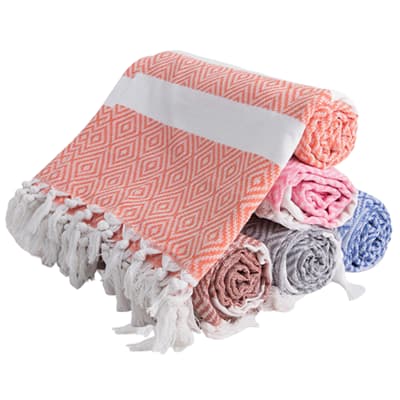
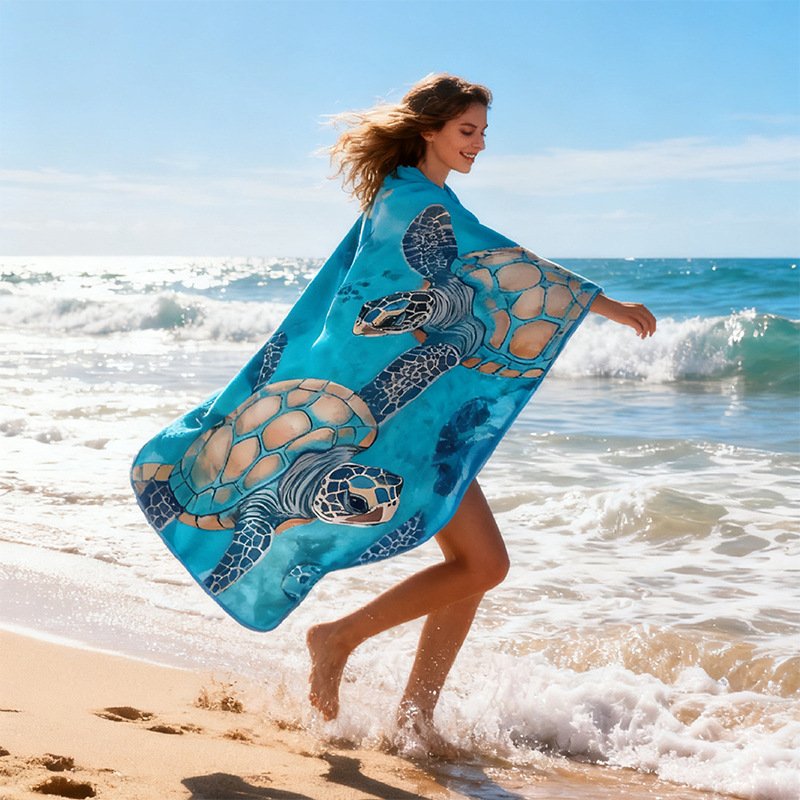
Therefore, if you need a towel that dries quickly between uses, microfiber is your best choice. Conversely, if you prefer maximum water absorption in one go, cotton wins. Nevertheless, both types work well for their intended purposes.
Cleaning Power and Bacteria Removal
Surprisingly, healthcare and lab studies report fascinating results. Specifically, high-quality microfiber can remove up to about 95-98% of bacteria from surfaces using only water. In contrast, traditional cotton cloths remove around 30-75% depending on the test.
Moreover, this superior decontamination performance explains why hospitals choose microfiber. Furthermore, laboratories increasingly specify microfiber systems for environmental cleaning. Instead of simple cotton rags, they rely on microfiber cleaning cloths for better hygiene.
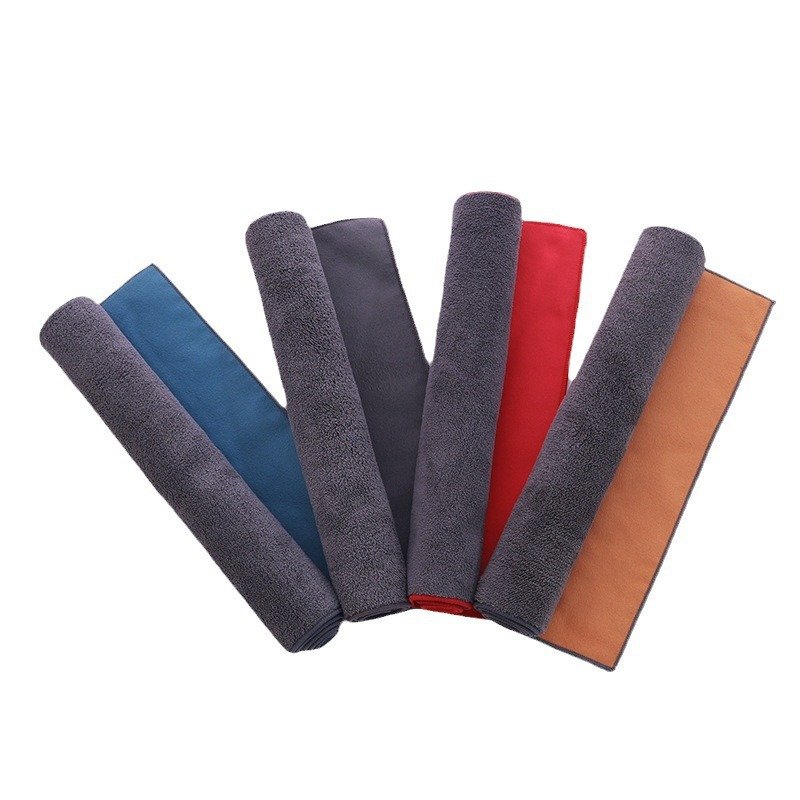
Additionally, research shows that microfiber can remove up to 93% of viruses in some tests. On the other hand, cotton rags only removed about 23% of viruses under similar conditions. Thus, the difference is quite significant for health-conscious users.
Softness and Comfort on Skin
When it comes to comfort, guides comparing bath linens consistently describe cotton as the winner. Particularly, long-staple or Egyptian cotton is considered the most comfortable option. In fact, many people call it the “spa-like” choice for everyday home use.
Nevertheless, microfiber can feel smooth and velvety to touch. However, it has a different sensation on wet skin. Consequently, some people love the slick performance feel. Conversely, others prefer the plush, natural hand of cotton towels.
Furthermore, for sensitive skin care, cotton generally gets recommended more often. Therefore, if skin comfort is your top priority, cotton might be your better choice.
Microfiber Towel Benefits: Why People Love Them
Now, let’s explore the specific advantages that make microfiber towels so popular. In fact, understanding these microfiber towel benefits helps you make a better buying decision.
Quick-Dry Advantage
First and foremost, microfiber towels dry incredibly fast. Therefore, you can use them multiple times per day. Additionally, they won’t develop that musty smell that damp cotton towels sometimes get. As a result, they’re perfect for humid environments or frequent use.
Lightweight and Packable
Moreover, microfiber towels are much lighter than cotton alternatives. Consequently, they’re ideal for travelers and backpackers. Furthermore, they compress easily into small spaces. Thus, you can fit more into your luggage or gym bag.
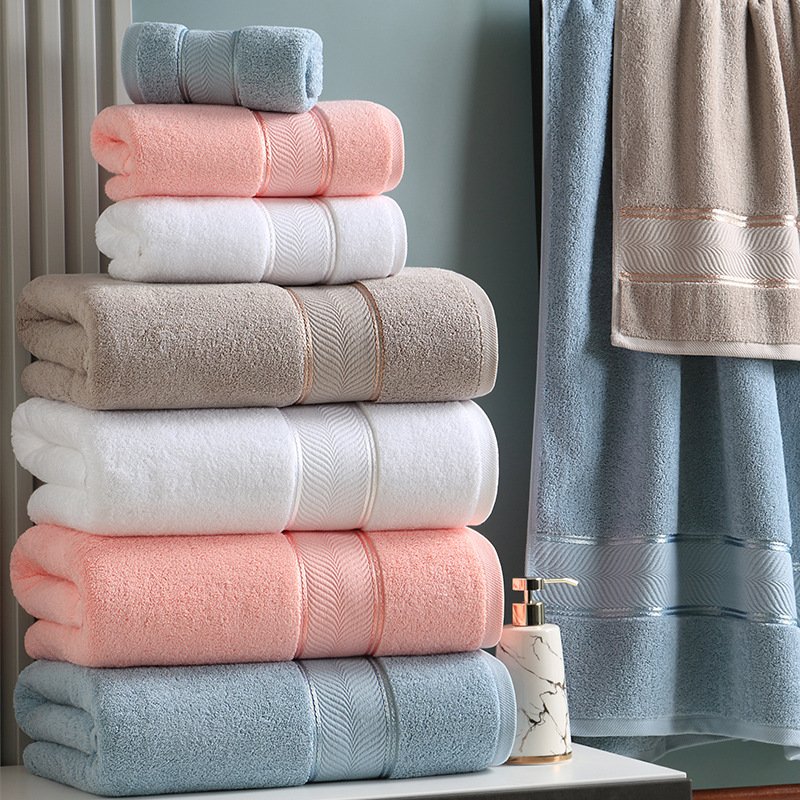
Superior Cleaning Performance
As mentioned earlier, microfiber excels at removing bacteria and dirt. In addition, it works wonderfully for cleaning cars, glass, and stainless steel. Therefore, many professional cleaners prefer microfiber over traditional cotton rags.
Long-Lasting Durability
Furthermore, quality microfiber towels can withstand hundreds of wash cycles. In fact, they maintain their performance when laundered correctly. However, you must wash them without fabric softener or high heat. Otherwise, the fibers can become damaged.
Cost-Per-Use Savings
Although microfiber towels cost more initially, they often save money over time. Specifically, they last longer than cotton towels. Additionally, they dry faster, which saves energy costs. Therefore, many commercial users find the lifetime cost competitive with cotton.
Cotton Towel Advantages: The Classic Choice
Despite microfiber’s many benefits, cotton towels remain incredibly popular. In fact, there are several good reasons why people continue choosing cotton vs microfiber for certain uses.
Natural, Breathable Comfort
First of all, cotton is a natural fiber that breathes beautifully. Therefore, it feels comfortable against your skin. Moreover, it doesn’t have the synthetic texture that some people dislike about microfiber.
Luxurious, Plush Feel
Additionally, high-quality cotton towels feel incredibly soft and plush. In fact, Turkish hammam towels and Egyptian cotton are famous for their luxury feel. Consequently, many hotels and spas choose cotton to create that premium experience.
Better for Sensitive Skin
Furthermore, cotton is generally gentler on sensitive or dry skin. Therefore, dermatologists often recommend cotton towels for people with skin conditions. In addition, cotton doesn’t cause the same friction as some microfiber varieties.
Traditional Spa Experience
Moreover, cotton towels deliver that classic, fluffy towel feeling we all know. Therefore, they’re perfect for creating a home spa atmosphere. Similarly, beach towels made from cotton feel more comfortable for lounging.
Practical Comparison: Which Towel for Which Situation?
Best Use Cases Table
| Use Case | Best Choice | Why? |
|---|---|---|
| Home Bathroom | Cotton | Soft, luxurious feel for daily comfort |
| Travel & Backpacking | Microfiber | Lightweight, quick-dry, compact |
| Gym & Sports | Microfiber | Fast drying between workouts |
| Car Cleaning | Microfiber | Streak-free, scratch-free finish |
| Baby & Kids | Cotton | Gentle, natural for sensitive skin |
| Beach & Pool | Both work | Cotton for comfort, microfiber for quick-dry |
| Kitchen Cleaning | Microfiber | Better bacteria removal, lint-free |
| Hotel & Spa | Cotton | Premium feel guests expect |
Weight and Packability (GSM Explained)
Now, let’s talk about GSM, which stands for “grams per square meter.” Essentially, this number tells you how thick and heavy a towel is. Therefore, understanding GSM helps you choose the right towel.
Specifically, cotton bath towels with higher GSM feel thicker and more luxurious. However, they become heavy and slow-drying. Moreover, this is especially problematic in humid climates or commercial laundry cycles.
On the other hand, microfiber towels reach high absorbency even at lower GSM. Consequently, they are thinner, lighter, and easier to pack. Therefore, they’re ideal for travel, gym, camping, or sports kits.
For instance, a typical cotton bath towel might be 500-700 GSM. Meanwhile, a microfiber towel might only be 200-400 GSM but still perform excellently. Thus, you get great performance without the extra weight.
Durability and Care Requirements
When comparing durability, both towel types have their strengths. First, cotton towels generally offer excellent longevity if washed correctly. However, they may shrink and gradually lose softness. Particularly, this happens if exposed to harsh detergents and overdrying.
In contrast, microfiber towels can withstand hundreds of wash cycles. Moreover, they keep their performance when laundered properly. However, they require more careful care. Specifically, you must avoid melting or clogging the fibers.
For microfiber care, follow these essential rules:
- Wash in warm water with mild detergent
- Never use fabric softener (it clogs the fibers)
- Avoid bleach and harsh chemicals
- Dry on low heat to prevent melting
- Don’t iron microfiber towels
Meanwhile, cotton towels are more forgiving:
- Can be washed in hot water
- Tolerate medium heat in the dryer
- Can handle fabric softener (though not always recommended)
- More resistant to high temperatures
Therefore, if you want easier care, cotton might be simpler. However, if you follow the care instructions, microfiber lasts a very long time.
Cost Comparison
Next, let’s discuss the price differences between microfiber vs cotton towels. Interestingly, the initial cost and long-term value tell different stories.
Specifically, some market guides note that large microfiber bath towels can be around 30-55% more expensive at retail. For example, a 30×60 inch microfiber towel might cost more than a comparable cotton piece. Therefore, the upfront investment is higher.
However, consider the lifetime cost per use. Since microfiber lasts longer and needs less energy to dry, many commercial users find it attractive. Additionally, in high-turnover environments like gyms, the durability pays off quickly.
Furthermore, consumer testing organizations note that quality matters more than price. Therefore, investing in good towels of either type saves money compared to buying cheap ones repeatedly.
Environmental Impact: Microfiber vs Cotton Towels
Nowadays, many people consider environmental impact when shopping. Therefore, understanding the cotton vs microfiber environmental story is important. However, the answer isn’t simple.
Cotton’s Environmental Footprint
First, cotton is a renewable natural fiber, which sounds great. However, conventional cotton farming can involve high water use. In addition, it may require significant pesticide inputs. Therefore, the environmental impact varies greatly.
Consequently, certified organic or Better Cotton Initiative (BCI) cotton is more attractive for eco-positioning. Moreover, recycled cotton towels offer another sustainable option. Therefore, sustainable cotton sourcing makes a big difference.
Microfiber’s Environmental Considerations
On the other hand, microfiber production relies on synthetic polymers. Therefore, it uses petroleum-based materials. Additionally, microfiber can shed microplastics during washing.
However, microfiber’s long service life is a plus. Furthermore, it requires lower chemical and water demand in cleaning. Therefore, when managed responsibly, some impacts get offset.
Moreover, using microplastic-catching laundry balls can help reduce shedding. Similarly, washing microfiber less frequently (since it stays fresher longer) also helps the environment.
The Balanced Perspective
Ultimately, both options have environmental trade-offs. Therefore, the best choice depends on your priorities. In fact, choosing quality towels that last longer is better than buying cheap ones frequently, regardless of material.
Buyer’s Guide: Choosing Between Cotton vs Microfiber
Now, let’s help different types of buyers make the best decision. Whether you’re buying for your business or personal use, this guide will help.
For Hotels and Hospitality
Hotels face a unique challenge when choosing towels. On one hand, guests expect thick, fluffy, natural-feeling bath linens. In fact, cotton towels signal luxury and comfort. Therefore, most hotels stick with cotton for guest rooms.
However, hotels also care about operational efficiency. Consequently, they often balance guest comfort with practical considerations. For instance, choosing cotton towels in the 500-600 GSM range provides good comfort without excessive laundry costs.
Meanwhile, some hotels use microfiber strategically. For example, they might use it for:
- Pool and beach towels (quick-drying)
- Gym and fitness center towels
- Housekeeping cleaning cloths
- Spa treatment sheets (when quick turnover is needed)
Therefore, a smart hospitality strategy often combines both towel types. Additionally, working with experienced manufacturers helps you choose the right specifications for each use.
For Gyms and Sports Facilities
Gyms and sports facilities have different priorities than hotels. Specifically, they need towels that can handle constant use. Moreover, quick drying is essential because members need fresh towels throughout the day.
Therefore, microfiber towels are often the best choice for gyms. In fact, they offer several advantages:
- Faster laundry turnover (dry quickly between loads)
- Lower energy costs (less drying time needed)
- Better bacteria removal (more hygienic)
- Longer lifespan (withstand frequent washing)
However, some premium gyms offer cotton towels to create a spa-like experience. Therefore, understanding your brand positioning helps guide the decision. Additionally, you might consider offering both options to members.
For Personal/Home Use
For personal use, the choice depends entirely on your lifestyle and preferences. Therefore, consider these questions:
Choose microfiber if you:
- Travel frequently and need packable towels
- Work out at the gym regularly
- Live in a humid climate where towels dry slowly
- Want towels that stay fresh between washes
- Need towels for cleaning cars or windows
Choose cotton if you:
- Want the softest, most comfortable bath towels
- Have sensitive or dry skin
- Prefer natural, breathable materials
- Want that luxury spa feeling at home
- Don’t mind the extra weight and drying time
Moreover, many people find that having both types works best. For example, use cotton towels in your bathroom but keep microfiber towels in your gym bag. Therefore, you get the best of both worlds.
Understanding GSM and Specifications
When shopping for towels, understanding specifications helps you make better choices. Therefore, let’s break down what to look for:
For Cotton Towels:
- 350-450 GSM: Lightweight, quick-drying, good for warm climates
- 450-600 GSM: Medium weight, balanced comfort and drying time
- 600-900 GSM: Luxury weight, very plush, slow-drying
For Microfiber Towels:
- 200-300 GSM: Ultralight for travel and sports
- 300-400 GSM: Standard weight for most uses
- 400+ GSM: Premium microfiber with extra softness
Additionally, fiber composition matters. For microfiber, look for blends around 80% polyester and 20% polyamide. Meanwhile, for cotton, long-staple varieties like Egyptian or Pima cotton offer superior softness.
At Favor Houseware, we manufacture towels in a wide range of specifications. Specifically, our microfiber towels range from 80-400 GSM. Meanwhile, our cotton towels range from 350-700 GSM. Therefore, we can meet virtually any requirement.
Frequently Asked Questions
Are microfiber towels better than cotton?
Microfiber towels are “better” when quick drying, compact size, and high cleaning performance matter most. For example, they excel for travel, gyms, and professional cleaning. However, cotton towels are usually better for everyday home use where softness and natural feel are priorities.
Do microfiber towels absorb more than cotton?
Cotton can hold more water overall (up to 27 times its weight versus microfiber’s 7 times). However, microfiber often feels more “efficient” because it pulls water off skin quickly. Additionally, microfiber dries faster, making it feel fresher between uses.
Are microfiber towels good for skin and hair?
Microfiber hair towels are widely promoted because the smooth, lightweight fabric reduces friction. Therefore, they help hair dry faster with less heat and breakage. However, for body towels, many people still prefer cotton’s plush comfort, especially for sensitive or dry skin.
Why do hotels still use cotton towels instead of microfiber?
Hotels typically choose cotton because guests expect thick, fluffy, natural-feeling bath linens that signal luxury. Moreover, this traditional choice creates comfort and familiarity. However, some hotels do use microfiber for pool towels, spa sheets, or back-of-house cleaning where quick drying is critical.
Do microfiber towels harbor bacteria?
Actually, high-quality microfiber towels remove very high percentages of bacteria from surfaces (up to 95-98%). However, if not washed and dried properly, any damp towel can become a breeding ground for microbes. Therefore, regular laundering without fabric softener and thorough drying are essential for all towels.
Are microfiber towels bad for the environment?
Microfiber towels shed synthetic microfibers during washing, which can contribute to microplastic pollution. However, they last a long time and reduce chemical use in cleaning. Therefore, their net environmental impact depends on design, washing practices, and proper waste management.
Which towel is best for travel: microfiber or cotton?
Travel experts almost always recommend microfiber towels for travel. Specifically, they are thinner, lighter, and quick-drying. Additionally, they pack easily in hostels, campsites, or humid climates. Meanwhile, cotton travel towels provide more familiar comfort but are bulkier and slow to dry.
Can I use microfiber towels to dry my car or clean glass?
Yes! In fact, microfiber towels are considered the best option for automotive detailing and glass cleaning. Moreover, they trap fine dirt, prevent scratches, and leave fewer streaks than cotton rags. Therefore, professional detailers prefer microfiber for paint, chrome, and mirrors.
How long do microfiber towels last compared with cotton?
Quality microfiber towels can withstand hundreds of wash cycles while keeping strong absorbency. Similarly, cotton towels are also durable but may gradually lose thickness and softness. However, proper care significantly affects lifespan for both types, so following washing instructions is crucial.
How should I wash microfiber and cotton towels?
Microfiber towels perform best when washed in warm water with mild detergent, without fabric softener or bleach. Additionally, dry them on low heat to avoid melting fibers. Meanwhile, cotton towels tolerate higher temperatures and can be washed hot and tumble-dried on medium, though over-drying reduces softness.
Microfiber vs Cotton Towels: Key Specs Table for Buyers
For businesses and bulk buyers, understanding detailed specifications is crucial. Therefore, we’ve created this comprehensive comparison table. Moreover, this information helps you make informed purchasing decisions.
| Specification | Microfiber Towels | Cotton Towels |
|---|---|---|
| Typical GSM Range | 80-400 GSM | 350-700 GSM |
| Fiber Composition | 80% polyester, 20% polyamide | 100% cotton (various grades) |
| Water Absorption Rate | ~7× own weight | ~27× own weight |
| Drying Time | 1-3 hours (air dry) | 4-8 hours (air dry) |
| Bacteria Removal | 95-98% (water only) | 30-75% (varies by weave) |
| Wash Cycle Durability | 300-500+ cycles | 200-400 cycles |
| Recommended Wash Temp | Warm (40-60°C) | Hot (60-90°C) |
| Fabric Softener | ❌ Never use | ✓ Can use (optional) |
| Price Range (30×60″) | $8-$25 | $5-$15 |
| Best Applications | Travel, sports, cleaning, automotive | Bath, spa, hospitality, home use |
At Favor Houseware, we can customize towels within these specification ranges. Moreover, our factory offers flexible MOQs for both microfiber and cotton production. Therefore, whether you need kitchen towels, surf ponchos, or change robes, we can help.
Conclusion: Making the Right Choice for Your Needs
After exploring all aspects of microfiber vs cotton towels, the answer is clear: there’s no single “best” choice. Instead, the right towel depends entirely on your specific needs and priorities.
To summarize, choose microfiber towels when you need:
- Quick-drying performance for travel or sports
- Lightweight, packable options
- Superior cleaning and bacteria removal
- Long-lasting durability with proper care
- Efficient laundry turnover for commercial use
Meanwhile, choose cotton towels when you want:
- Maximum softness and plush comfort
- Natural, breathable materials
- Traditional luxury spa feeling
- Best option for sensitive skin
- High water absorption capacity
Furthermore, many people and businesses benefit from having both types. For instance, use cotton in your bathroom and microfiber for your gym bag. Similarly, hotels might use cotton for guest rooms and microfiber for pool areas.
“The best towel isn’t about microfiber versus cotton—it’s about matching the right material to each specific use case.”
Ready to Source Premium Towels for Your Business?
At Favor Houseware, we’re a leading China towel manufacturer with over 15 years of experience. Moreover, we specialize in both microfiber and cotton towel production. Therefore, we can help you choose the perfect specifications for your brand.
Our manufacturing capabilities include:
- Microfiber towels: 80-400 GSM, multiple weave options
- Cotton towels: 350-700 GSM, including organic and BCI cotton
- Custom designs: Embroidery, printing, jacquard patterns
- Various products: Bath towels, beach towels, sports towels, cleaning cloths
- Quality certifications: ISO, OEKO-TEX, and more
Whether you’re launching a new hotel, expanding your gym, or building a retail towel brand, we offer:
- ✓ Flexible minimum order quantities
- ✓ Expert consultation on specifications
- ✓ Fast sampling and prototyping
- ✓ Competitive factory-direct pricing
- ✓ Reliable quality control and shipping
Take the next step: Visit our main website to explore our full product range. Additionally, check out our blog for more industry insights. Furthermore, if you need custom aprons or other textile products, we manufacture those too!
Get Your Custom Towel Quote Today
Contact our team to discuss your towel requirements. We’ll help you choose between microfiber and cotton, and create the perfect product for your brand.
Have questions about microfiber vs cotton towels? Our experienced team is here to help. Reach out today!
Views: 34