Quick Answer: Sand Free Beach Towel Facts at a Glance
| Feature | Details |
|---|---|
| Do They Really Work? | ✅ Yes – sand shakes off easily with smooth microfiber construction |
| Best Material | Microfiber (flat-weave) – dries 3× faster than cotton |
| Market Size 2024 | $150 million USD globally, growing to $400M by 2033 |
| Typical GSM Range | 200-300 GSM for balance of absorbency & quick drying |
| Best For | Beach travelers, campers, surfers, hotels, rental properties |
| Care Instructions | Machine wash cold, no fabric softener, low heat or line dry |
If you’ve ever spent a day at the beach, you know the struggle. Furthermore, sand gets everywhere—in your bag, in your car, and even in your home days later. That’s exactly why sand free beach towels have become one of the fastest-growing products in the beach accessories market.
In this complete guide, we’ll explore everything you need to know about sand resistant beach towels. Additionally, you’ll discover how they work, whether they’re worth the investment, and what features to look for when buying one.
What Is a Sand Free Beach Towel?
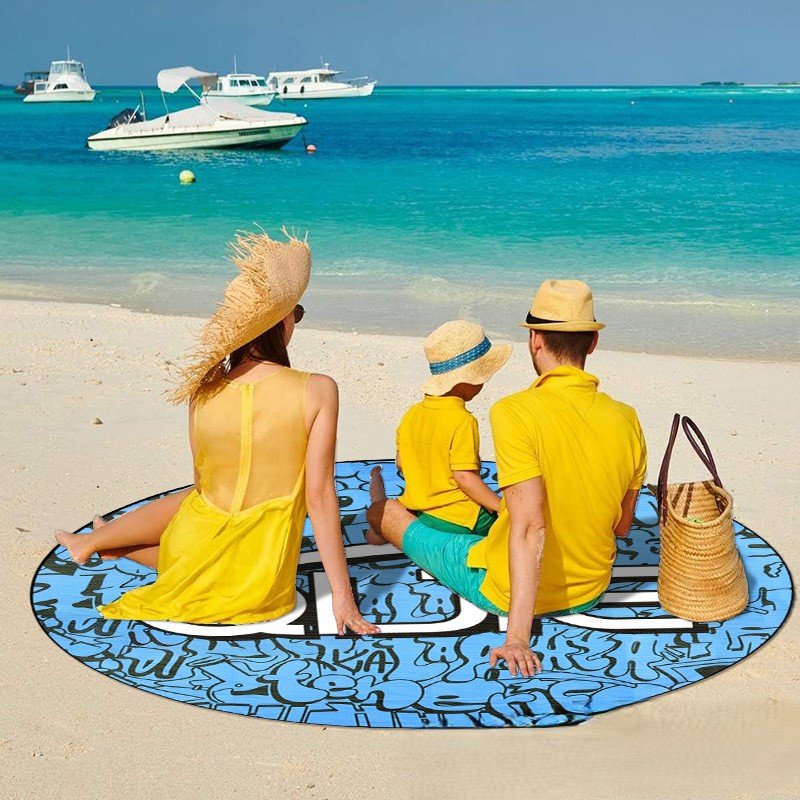
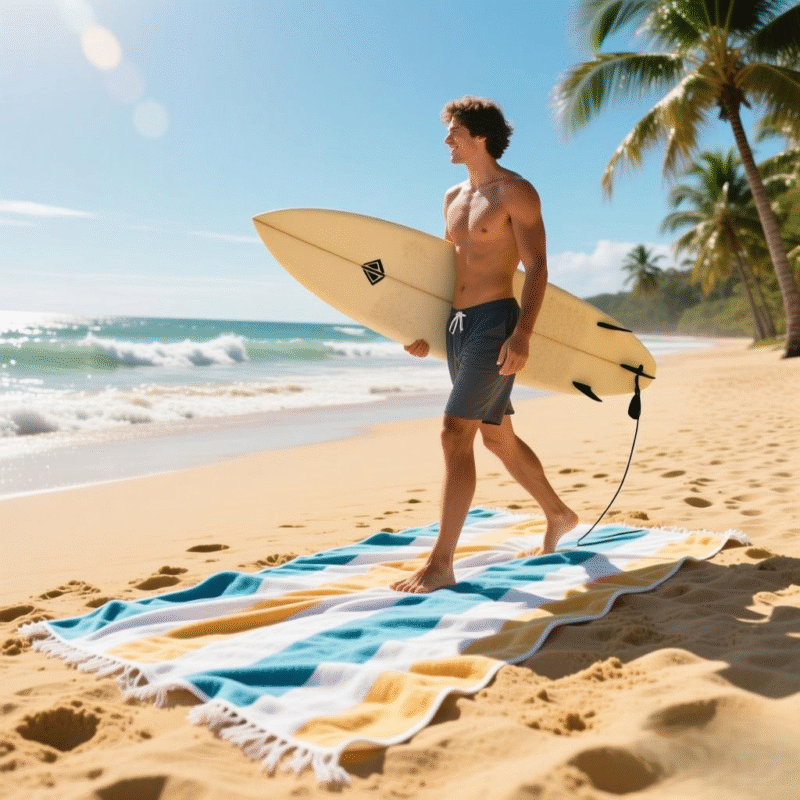
A sand free beach towel is specially designed so that dry sand falls off the surface with just a simple shake. Unlike traditional terry towels, these innovative towels don’t trap sand inside loops and fibers.
Most importantly, sand proof beach towels use flat-weave microfiber or tightly woven cotton with a smooth surface. As a result, they’re lighter, quicker-drying, and much easier to clean after a day at the beach.
“The key difference is the fabric construction. Instead of fluffy loops that trap sand, sand free towels use smooth, tight weaves that let sand particles simply slide off.” – Textile Engineering Insights
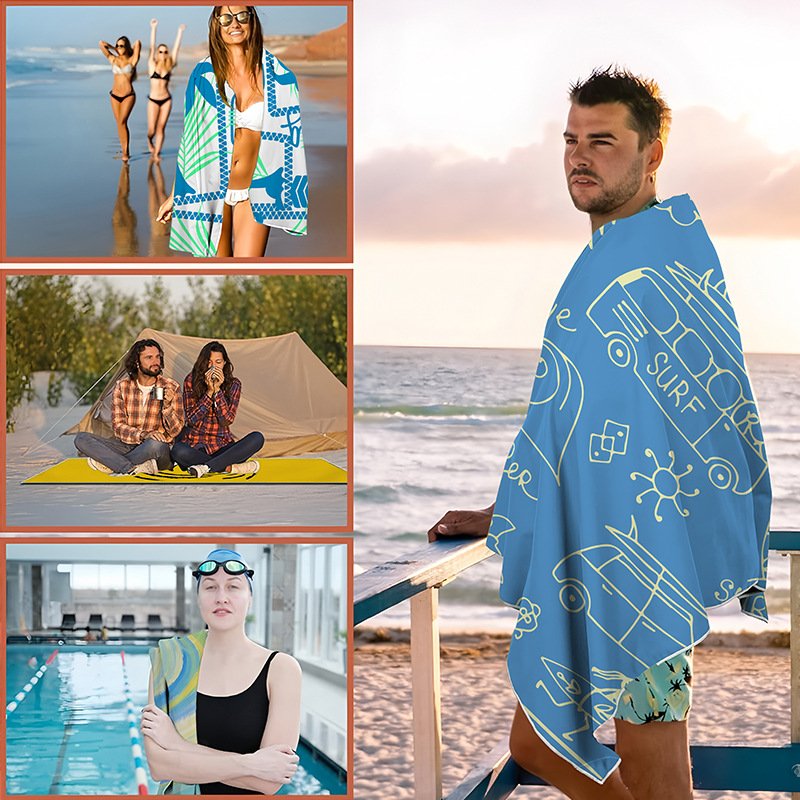
These towels have become especially popular among:
- Beach travelers who want less mess in their luggage
- Families with kids looking to reduce sand cleanup time
- Surfers and water sports enthusiasts needing quick-dry gear
- Van-lifers and campers requiring compact, functional equipment
- Hotels and resorts seeking easy-maintenance guest amenities
Furthermore, professional beach towel manufacturers now offer specialized sand-resistant designs that meet the growing demand for functional beach accessories.
Do Sand Free Beach Towels Really Work in Real Life?
Yes, sand free beach towels genuinely work as advertised. According to multiple independent tests and thousands of customer reviews, these towels dramatically reduce sand retention compared to traditional cotton terry towels.
Real-World Performance Testing
Consumer Reports and outdoor gear testing labs have confirmed that anti sand beach towels perform exceptionally well. Specifically, when researchers placed sand on smooth microfiber towels, the sand brushed off easily—even when the towel was slightly damp.
📊 Test Results Summary:
- ✅ Dry conditions: 95-98% of sand shakes off with 1-2 quick shakes
- ✅ Damp conditions: 80-85% of sand releases after brief air-drying
- ✅ After full drying: Nearly all remaining sand falls away effortlessly
- ⚠️ Soaking wet: Some sand may temporarily stick (but releases once dry)
What Real Users Say
Thousands of verified purchasers report similar experiences. Moreover, travel bloggers and beach enthusiasts consistently praise these towels for making beach cleanup much easier. Instead of carrying pounds of sand back to the car, users simply shake their towel and pack it clean.
However, it’s important to set realistic expectations. While these towels are called “sand proof,” no towel can be 100% sand-proof in all conditions. Nevertheless, they significantly outperform traditional options.
For those interested in sustainable options, recycled beach towels now offer the same sand-resistant properties while using eco-friendly materials.
How Do Sand Free Beach Towels Actually Work?
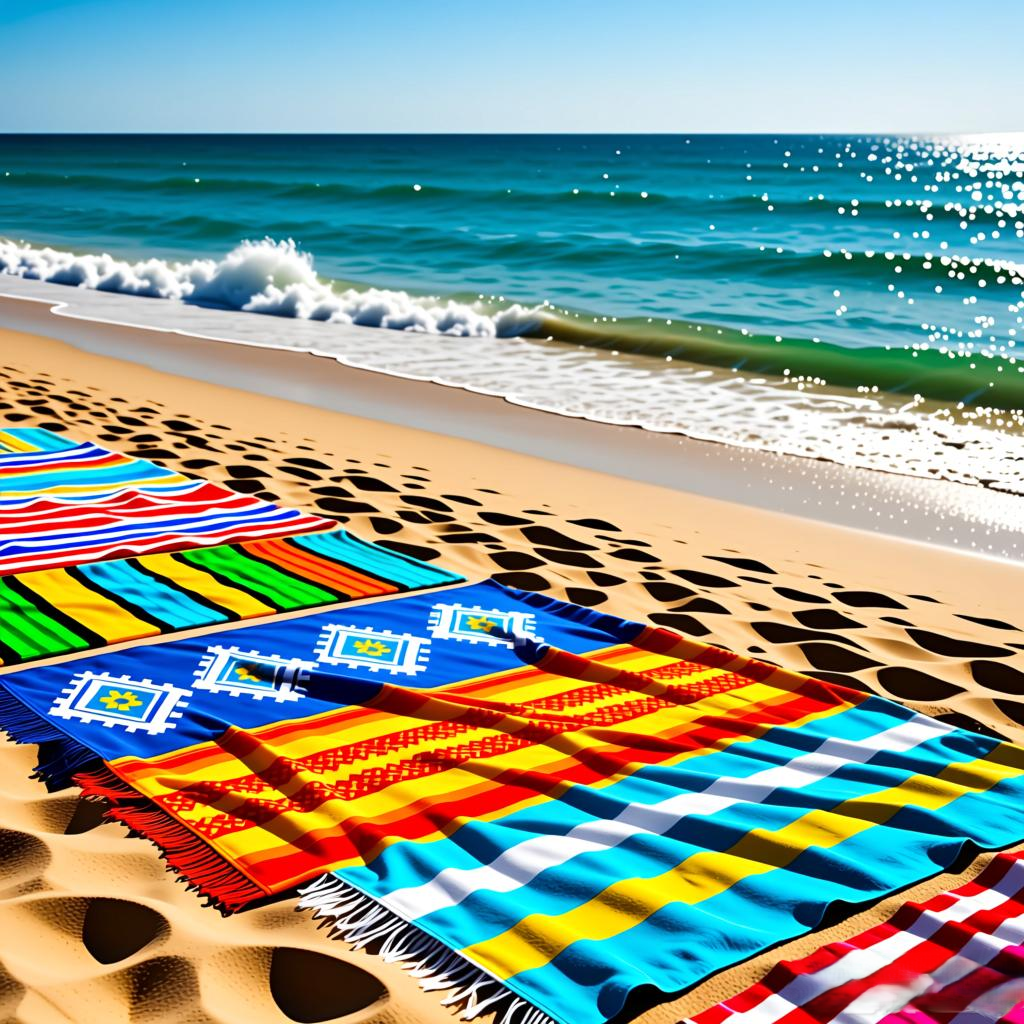
Understanding the science behind sand resistant beach towels helps explain why they perform so much better than traditional options. Essentially, it all comes down to fabric construction and fiber technology.
The Science of Sand Resistance
Traditional cotton terry towels use thick loops of fiber that create countless tiny pockets. Consequently, sand particles get trapped deep inside these loops, making them nearly impossible to remove—even after washing.
In contrast, sand free microfiber towels use a completely different approach:
- Flat-weave construction: Instead of loops, the fabric is woven tightly and smoothly
- Ultra-fine fibers: Microfiber strands are much thinner than cotton fibers
- Tight weave patterns: The fabric is densely packed, leaving no gaps for sand to settle into
- Smooth surface texture: Sand particles sit on top rather than embedding between fibers
Special Weave Technology
Furthermore, many premium sand proof beach towels use special “suede-style” microfiber construction. This technique creates an exceptionally smooth surface that feels soft against your skin. At the same time, it allows sand to slide off with minimal effort.
💡 Pro Tip:
The best sand free towels typically use blends of 80-90% recycled polyester combined with polyamide. This combination maximizes sand repellence while maintaining excellent absorbency and quick-drying properties.
Some manufacturers also use synthetic fiber blends specifically engineered for beach performance. For example, professional microfiber towel producers can customize fiber thickness and weave density to optimize sand resistance.
Sand Free vs Sand Resistant vs Sand Proof: Is There a Difference?
You’ll often see these three terms used interchangeably in marketing materials. However, it’s important to understand what they really mean when shopping for the perfect beach towel.
Breaking Down the Terminology
| Term | What It Really Means | Realistic Expectation |
|---|---|---|
| Sand Free | Marketing term suggesting minimal sand retention | Most dry sand shakes off easily |
| Sand Resistant | Same concept – towel resists sand sticking | Greatly reduces sand compared to terry cloth |
| Sand Proof | Strongest claim – implies zero sand retention | Not 100% proof, but extremely effective |
| Anti-Sand | General descriptor for sand-repelling design | Same performance as above options |
The truth? All these terms describe the same basic product feature. Specifically, they all refer to towels designed to minimize sand sticking through smooth fabric construction.
What “Sand Proof” Doesn’t Mean
It’s essential to understand that no towel can be completely, absolutely, 100% sand-proof under all conditions. Here’s why:
- ⚠️ Wet conditions: When fully soaked, even microfiber holds some sand temporarily
- ⚠️ Windy days: Strong winds can press sand into any fabric surface
- ⚠️ Fine sand particles: Extremely fine beach sand may stick more than coarse sand
- ⚠️ Damaged fabric: Worn or improperly maintained towels lose effectiveness
Nevertheless, in practice, sand free beach towels keep most dry sand off your towel. Moreover, remaining grains release with just one or two shakes. This stands in sharp contrast to thick cotton terry towels that hold sand deep in the loops even after multiple washings.
Interestingly, traditional Turkish hammam towels also offer some sand resistance due to their flat-weave construction, though they’re typically made from cotton rather than synthetic microfiber.
Microfiber vs Cotton for Sand Free Beach Towels
Choosing between microfiber and cotton is one of the most important decisions when buying a sand resistant beach towel. Each material offers distinct advantages and trade-offs.
Comprehensive Material Comparison
| Feature | Microfiber | Cotton (Flat-Weave) |
|---|---|---|
| Sand Resistance | ⭐⭐⭐⭐⭐ Excellent – sand slides off easily | ⭐⭐⭐⭐ Good – better than terry but not as effective |
| Drying Speed | ⚡ 3× faster than cotton | 🐌 Slower – takes 2-4 hours in sun |
| Weight | 🪶 Ultra-lightweight – easy to pack | 📦 Heavier when wet |
| Feel/Texture | Smooth, suede-like – less plush | Natural, soft – more traditional feel |
| Absorbency | High – holds up to 7× its weight in water | Moderate to high |
| Durability | Very durable with proper care | Extremely durable – can last decades |
| Eco-Friendliness | Good if made from recycled polyester | Excellent – natural, biodegradable fiber |
| Price Range | $15-$40 depending on quality | $20-$50 for premium flat-weave |
Why Microfiber Dominates the Sand Free Market
Currently, microfiber is the dominant material for sand proof beach towels for several compelling reasons. First and foremost, ultra-fine synthetic fibers combined with tight weaves create superior sand repellence.
Additionally, microfiber towels can dry up to approximately three times faster than traditional cotton. This quick-dry feature makes them incredibly practical for beach-goers who want to pack up and leave without a soaking wet towel.
“Microfiber’s ability to dry quickly while remaining highly absorbent makes it the ideal material for modern beach towels. The technology has improved dramatically over the past decade.” – Textile Industry Report, 2024
When Cotton Makes Sense
However, cotton terry offers a plush, natural feel that many people prefer. Its looped surface provides cushioning and a luxurious texture that microfiber can’t quite match.
Flat-weave cotton options (similar to Turkish peshtemals) improve sand release significantly compared to terry cloth. Nevertheless, they still usually dry slower than microfiber alternatives.
For those seeking natural materials with some sand resistance, flat-weave cotton represents a good middle ground. Furthermore, cotton is completely biodegradable and often appeals to environmentally conscious consumers.
Pros and Cons of Sand Free Beach Towels
Like any product, sand free beach towels come with both advantages and trade-offs. Understanding these helps you make an informed purchasing decision.
✅ Major Advantages
- Dramatically less sand retention: The #1 benefit – sand shakes off instead of sticking in fibers
- Quick-drying performance: Ready to pack within 30-60 minutes in sunny conditions
- Lightweight design: Weighs 50-70% less than equivalent cotton terry towels
- Compact when packed: Takes up minimal luggage space – perfect for travel
- Easy maintenance: Simple machine washing without special requirements
- Multi-purpose functionality: Works great for beach, gym, camping, yoga, and travel
- Eco-friendly options available: Many brands now use recycled plastics to reduce environmental impact
- Highly absorbent: Despite thin profile, microfiber holds impressive amounts of water
⚠️ Common Trade-Offs
- Less plush feel: Thinner and less cushioned compared to thick cotton terry towels
- Potential static cling: Very thin microfiber can sometimes create static, especially in dry climates
- Can blow away easily: Lightweight design means wind can catch towels more easily
- Requires specific care: Must avoid fabric softener which coats fibers and reduces performance
- Different texture: Some people need time to adjust to the smooth feel versus fluffy cotton
- Not ideal for lounging: Less comfortable for extended lying on the beach compared to thick towels
- Initial unfamiliarity: The thin profile can initially feel less substantial than expected
Balancing Your Priorities
Ultimately, whether these trade-offs matter depends on your specific needs. For frequent travelers and practical beach-goers, the benefits far outweigh the disadvantages. However, if you prioritize luxury and plushness over functionality, traditional cotton might still be your preference.
Many beach enthusiasts solve this by owning both types. They use anti sand beach towels for active beach days and travel, while keeping plush cotton towels for poolside lounging and home use.
Key Features to Look For When Buying
Shopping for the perfect sand resistant beach towel requires understanding several technical specifications. These features directly impact performance, durability, and overall satisfaction.
GSM (Grams Per Square Meter) Explained
GSM measures fabric weight and density, which directly affects both absorbency and drying time. Understanding this specification helps you choose the right towel for your needs.
| GSM Range | Characteristics | Best For |
|---|---|---|
| 150-200 GSM | Ultra-lightweight, extremely fast-drying, very compact | Backpackers, minimalist travelers, gym use |
| 200-250 GSM | Good balance of absorbency and quick-drying | Most beach activities, general travel |
| 250-300 GSM | Higher absorbency, still faster than cotton | Beach lounging, family use, hotels |
| 300+ GSM | Maximum absorbency, thicker feel, slower drying | Those wanting more traditional towel feel |
Sweet spot for sand free towels: Most experts recommend the 200-300 GSM range. This provides an optimal balance between absorbency and the quick-drying properties that make these towels so practical.
Size and Weight Considerations
Size matters significantly when choosing a sand proof beach towel. Different activities require different dimensions:
- Standard size (30″ × 60″): Perfect for one person, gym bags, and compact travel
- Large size (35″ × 70″): Better coverage for taller individuals or relaxed lounging
- Extra-large (40″ × 80″): Family-friendly, can accommodate two people or provide ample space
- Oversized (60″ × 80″+): Beach blanket replacement, perfect for groups or picnics
Remember that even oversized sand free beach towels typically weigh less than standard cotton terry towels. For example, a large microfiber beach towel might weigh just 300-400 grams, while an equivalent cotton towel weighs 800-1200 grams.
Drying Time Performance
One of the most valuable features of sand resistant beach towels is their impressive drying speed. This characteristic offers multiple benefits:
⏱️ Typical Drying Times:
- Microfiber sand free towels: 30-60 minutes in direct sunlight
- Microfiber in shade: 1-2 hours depending on humidity
- Traditional cotton terry: 3-6 hours in same conditions
- Indoor drying: Microfiber ready overnight, cotton may need 24+ hours
This rapid drying prevents mildew growth, eliminates musty odors, and means your towel is ready for reuse much faster. Furthermore, quick-drying towels are essential for multi-day beach trips or hotel stays.
Additional Quality Indicators
When evaluating sand free beach towels, also consider these important features:
- Stitching quality: Reinforced edges prevent fraying and extend towel life
- Color fastness: High-quality dyes won’t fade after multiple washes
- Corner loops or pockets: Useful for securing towel on windy days
- Carrying pouch included: Makes storage and transport more convenient
- Antimicrobial treatment: Helps prevent odor-causing bacteria growth
Professional manufacturers like those certified for quality production in China maintain strict quality control standards to ensure consistent performance across these specifications.
Who Should Choose a Sand Free or Anti Sand Beach Towel?
Sand free beach towels aren’t just a luxury—they’re practical solutions for specific lifestyles and use cases. Here’s who benefits most from choosing sand-resistant options.
Perfect For Beach Travelers
If you frequently visit beaches, especially while traveling, anti sand beach towels become nearly essential. They solve the universal problem of sand-filled luggage and messy hotel rooms.
Beach travelers appreciate that these towels:
- ✈️ Take up minimal suitcase space when packed
- 🧳 Weigh significantly less, leaving room for other items
- 🏨 Dry overnight in hotel rooms without dampness
- 🚗 Keep rental cars clean from beach sand
- 🔄 Can be used multiple times per day without staying wet
Ideal for Active Lifestyles
Surfers, swimmers, paddleboarders, and other water sports enthusiasts need gear that keeps up with their activities. Sand resistant beach towels excel in these scenarios because they’re ready to use again quickly.
Additionally, these towels work brilliantly for:
- 🏋️ Gym-goers: Quick-dry performance perfect for post-workout showers
- 🧘 Yoga practitioners: Smooth surface ideal for beach or outdoor yoga
- 🏕️ Campers: Compact packing and fast drying essential for limited space
- 🚐 Van-lifers: Minimal storage and quick turnaround between uses
In fact, many outdoor enthusiasts also use surf poncho towels for changing, combined with sand-free towels for drying—creating a complete beach system.
Business and Hospitality Applications
Interestingly, sand free beach towels have become increasingly popular in commercial settings. Hotels, resorts, vacation rentals, and tour operators choose them for several practical reasons:
🏨 Why Hotels Love Sand Free Towels:
- Dry quickly between guests—often ready within hours
- Easier to shake clean, reducing laundry loads
- Save significant storage space in linen closets
- Lighter weight reduces shipping and handling costs
- Guest satisfaction from modern, functional amenities
- Lower replacement costs due to durability
Rental property owners particularly appreciate that guests can’t accidentally pack these towels as easily due to their distinctive appearance. Moreover, the quick-dry feature means fewer towels needed overall.
Families with Children
Parents dealing with sandy kids know the struggle all too well. Sand proof beach towels dramatically reduce cleanup time and make beach days more enjoyable for the whole family.
Family benefits include:
- 👶 Less sand tracked into cars and homes
- 🧒 Easier for kids to shake out themselves
- 👪 Lightweight enough for children to carry their own
- 🏖️ Quick-dry means ready for next beach trip sooner
Who Might Prefer Traditional Towels
However, traditional cotton terry towels still have their place. You might prefer classic towels if you:
- Prioritize plush, luxurious feel over functionality
- Primarily use towels at home or by the pool
- Don’t mind the extra weight and drying time
- Prefer natural fibers exclusively
- Want maximum cushioning for lying on the beach
Market Growth: Why Sand Free Towels Are Trending in 2025
The sand free beach towel market has experienced remarkable growth over recent years. Understanding these trends helps explain why these products have moved from niche items to mainstream beach essentials.
Impressive Market Statistics
| Market Metric | 2024 Data | 2033 Projection | Growth Rate |
|---|---|---|---|
| Global Market Size | ≈ $150 million USD | ≈ $400 million USD | ~12.3% CAGR |
| North America Market | ≈ $240 million USD | ≈ $480 million USD | ~9.3% CAGR |
| Typical Material | Microfiber with ultra-fine threads; recycled polyester blends for eco lines | ||
| Drying Speed Advantage | Microfiber dries up to 3× faster than traditional cotton terry | ||
| Sand Performance | Lab tests show sand brushes off easily, even when slightly damp | ||
Key Drivers of Growth
Several factors are fueling the explosive growth of sand resistant beach towels in 2025 and beyond:
1. Post-Pandemic Travel Boom
As international and domestic travel rebounds, more people are seeking functional, lightweight travel gear. Beach destinations remain top choices, and travelers want products that enhance their experience rather than create hassles.
2. Sustainability Trends
Modern consumers increasingly prioritize eco-friendly products. Many sand free beach towels now use recycled materials, addressing environmental concerns while delivering superior performance.
According to industry data, recycled polyester blends (often 80-86% recycled content) have become standard in premium lines. This appeals to environmentally conscious buyers who want to reduce their plastic footprint.
Furthermore, companies offering recycled beach towels report strong sales growth, particularly among younger demographics.
3. Social Media Influence
Travel influencers and lifestyle bloggers frequently showcase sand proof beach towels in their content. This exposure has introduced millions of potential customers to products they might never have discovered otherwise.
4. Product Innovation
Manufacturers continue improving designs with features like:
- 🎨 Vibrant, fade-resistant printing technology
- 📱 Built-in pockets for phones and valuables
- 🌈 Reversible designs offering two looks in one towel
- ♻️ Increasingly sustainable production methods
- 🎁 Custom personalization options for gifts and corporate use
Regional Market Insights
North America leads the market, driven by strong beach culture in coastal states and growing awareness of product benefits. However, Europe and Asia-Pacific regions are experiencing even faster growth rates as awareness spreads.
Interestingly, the hospitality sector represents a significant growth opportunity. Hotels and resorts are replacing traditional terry towels with sand free alternatives to reduce operational costs and improve guest satisfaction.
“The shift toward functional beach accessories reflects broader consumer trends. People want products that work smarter, pack lighter, and align with sustainability values. Sand-free towels check all these boxes.” – Market Research Report, 2024
How to Care for Your Sand Free Microfiber Beach Towel
Proper care extends the life of your sand free beach towel and maintains its sand-resistant performance. Fortunately, these towels are relatively easy to maintain when you follow a few simple guidelines.
Washing Instructions
Follow these steps to keep your sand resistant beach towel performing at its best:
🧼 Step-by-Step Washing Guide:
- Shake thoroughly before washing: Remove all loose sand outdoors to protect your washing machine
- Use cold or warm water: Hot water can damage synthetic microfibers over time
- Add mild detergent: Use about half the amount you’d use for regular laundry
- NEVER use fabric softener: This is crucial—softener coats fibers and destroys sand resistance
- Wash with similar items: Avoid washing with heavy items that could snag the fabric
- Skip the dryer sheets: Like fabric softener, these leave residue that reduces performance
- Choose gentle cycle: Protects delicate microfiber construction
Drying Best Practices
While sand free beach towels dry quickly naturally, proper drying technique matters:
- 🌞 Air drying (recommended): Hang in sunlight or shade—towel will dry within 1-2 hours
- 🔥 Machine drying (if needed): Use low heat setting only; high heat can melt or damage synthetic fibers
- ⚡ Remove promptly: Take out of dryer immediately to prevent wrinkles and static buildup
- 🌬️ Good ventilation: Ensure towel has airflow on all sides for fastest, most thorough drying
What to Avoid
❌ Never Do These Things:
- Don’t use fabric softener or dryer sheets – Destroys sand-repelling properties permanently
- Don’t use bleach – Damages fibers and can cause discoloration
- Don’t iron – Heat can melt synthetic microfiber material
- Don’t wring harshly – Can damage fiber structure; gentle squeezing is sufficient
- Don’t store while damp – Can lead to mildew despite quick-dry properties
- Don’t use harsh detergents – Aggressive chemicals can break down microfiber over time
Storage Tips
Proper storage keeps your anti sand beach towel fresh and ready for your next adventure:
- Ensure completely dry: Even slightly damp towels can develop odors in storage
- Fold or roll loosely: Tight packing can create permanent creases
- Store in breathable bags: Avoid plastic bags that trap moisture
- Keep in cool, dry place: Prevents mildew growth during off-season
- Separate from rough items: Keep away from velcro or sharp objects that could snag fibers
Maintaining Performance Over Time
With proper care, quality sand free beach towels can last several years while maintaining their performance. Most users report that towels keep their sand-resistant properties for 100+ washes when cared for correctly.
If you notice reduced sand resistance over time, try this refresh technique:
- Wash towel in vinegar solution (1 cup white vinegar in wash cycle)
- This strips away any detergent buildup coating the fibers
- Rinse thoroughly and air dry
- Performance should noticeably improve
For households using various types of towels, it’s worth noting that kitchen towels and other microfiber products benefit from similar care instructions.
Custom Sand Free Beach Towels: OEM/ODM Manufacturing
As a professional beach towel manufacturer in China, Favor Houseware specializes in custom sand free beach towel production for brands, retailers, hotels, and businesses worldwide. Our OEM/ODM capabilities allow you to create exactly the product your market needs.
Why Choose a China Manufacturer for Sand Free Towels?
China has emerged as the global leader in microfiber textile production, offering unmatched advantages for businesses seeking quality sand resistant beach towels:
🏭 Manufacturing Advantages:
- Advanced textile technology: Access to cutting-edge microfiber production equipment
- Cost-effective production: Competitive pricing without sacrificing quality
- Scalable capacity: From small test orders to large volume production
- Material expertise: Deep knowledge of synthetic fiber blends and weaving techniques
- Quality control systems: Rigorous testing ensures consistent product performance
- Flexible customization: Unlimited design possibilities for your brand
Leading manufacturers maintain internationally recognized quality standards while offering significant cost savings compared to Western production.
Our OEM/ODM Capabilities
At Favor Houseware, we offer comprehensive customization options for sand proof beach towels:
📐 Specification Customization:
- GSM options: 150-400 GSM to match your target market preferences
- Size ranges: Standard to oversized dimensions, or completely custom sizes
- Material blends: Various polyester/polyamide ratios, recycled content options
- Weave patterns: Suede-style, waffle weave, or specialized textures
- Edge finishing: Hemmed, overlock, or decorative binding options
🎨 Design & Branding:
- Full-color printing: Sublimation, reactive, or pigment printing methods
- Logo placement: Embroidery, screen printing, or woven labels
- Custom patterns: Your artwork or designs from our library
- Reversible designs: Different patterns on each side
- Packaging customization: Branded bags, tags, and presentation options
♻️ Sustainability Options:
- Recycled polyester: 80-100% post-consumer recycled content available
- Eco-friendly dyes: OEKO-TEX® certified colorants
- Sustainable packaging: Recyclable or biodegradable material options
- Carbon-neutral shipping: Options available for environmentally conscious brands
Production Process & Lead Times
Our streamlined manufacturing process ensures quality and efficiency:
| Stage | Timeline | Details |
|---|---|---|
| Design Consultation | 1-3 days | Discuss specifications, review samples, finalize design |
| Sample Production | 5-7 days | Create physical samples for approval |
| Bulk Production | 20-30 days | Based on order quantity and complexity |
| Quality Inspection | 2-3 days | Comprehensive testing before shipment |
| Shipping | 15-35 days | Sea freight (air freight available for urgent orders) |
Minimum Order Quantities & Pricing
We offer flexible MOQ options to accommodate businesses at different stages:
- Sample orders: 10-50 pieces for testing and evaluation
- Small batch: 500-1,000 pieces for boutique brands or test markets
- Medium production: 1,000-5,000 pieces for established retailers
- Large scale: 5,000+ pieces for hotels, chains, and major brands
Pricing varies based on specifications, order quantity, and customization level. Contact our team for a detailed quote tailored to your specific needs.
Quality Certifications & Standards
Our facility maintains multiple international certifications ensuring product safety and quality:
- ✅ OEKO-TEX® Standard 100: Textile safety certification
- ✅ ISO 9001: Quality management systems
- ✅ BSCI: Ethical manufacturing practices
- ✅ GRS: Global Recycled Standard for recycled content verification
Target Markets & Applications
Our custom sand free beach towels serve diverse industries and applications:
🏨 Hospitality
Hotels, resorts, vacation rentals, cruise lines, spas
🛍️ Retail
Beach shops, surf stores, outdoor retailers, online marketplaces
🎁 Corporate
Promotional items, employee gifts, event giveaways
🏄 Sports
Surf brands, athletic clubs, water sports companies, gyms
We also manufacture complementary products including surf change robes and other beach accessories, allowing you to source your complete product line from one trusted partner.
Why Favor Houseware?
Since our establishment, we’ve built a reputation for excellence in textile manufacturing. Our commitment to innovation, quality, and customer service has made us a preferred partner for brands across North America, Europe, and Australia.
“Working with Favor Houseware transformed our beach towel line. Their expertise in sand-free technology and commitment to sustainable materials aligned perfectly with our brand values. The production quality exceeded our expectations.” – Client Testimonial
Learn more about our company and manufacturing philosophy on our about page, or explore our latest insights on the Favor Houseware blog.
Frequently Asked Questions About Sand Free Beach Towels
Do sand free beach towels really work?
Yes, most modern sand free beach towels work exactly as advertised. They use smooth microfiber or flat weaves that allow dry sand to fall off with a simple shake. Multiple independent tests and thousands of customer reviews confirm that these towels dramatically reduce sand retention compared to traditional cotton terry towels.
However, it’s important to note that they cannot prevent every single grain of sand, especially in very wet or windy conditions. Nevertheless, they significantly outperform traditional options and keep most sand off your towel and out of your belongings.
What makes a good sand free beach towel?
A good sand resistant beach towel should have tightly woven, smooth fabric (typically microfiber) with a GSM between 200-300 for optimal balance. This provides enough absorbency to dry you off effectively while not being so thick that it traps sand or dries slowly.
Additionally, look for features such as quick-drying capability (ideally within 30-60 minutes in sunlight), lightweight design for easy carrying, compact roll size for packing, and sustainable materials like recycled polyester blends. Quality stitching and colorfast dyes are also important for longevity.
Are microfiber beach towels better than cotton at the beach?
For beach use specifically, microfiber usually outperforms cotton in several key areas. Microfiber sand free beach towels dry approximately three times faster, weigh significantly less (making them easier to carry), and resist sand much more effectively than cotton terry towels.
Views: 13