So, your kitchen towels are piling up everywhere. Furthermore, you can never find a clean one when you really need it. Also, your towel drawer turns into a jumbled mess within days. Sound familiar? Then, you are absolutely in the right place.
In this complete guide, we cover everything about tea towel storage and kitchen towel organization. First, you will learn how to fold towels neatly and efficiently. Next, you will discover the best spots to keep them. Finally, you will pick up smart hygiene tips that keep your kitchen safe and clean every single day.
⚡ Key Takeaway — Tea Towel Storage at a Glance
| Storage Problem | Best Solution | Why It Works |
|---|---|---|
| Bulky, messy drawer | Fold towels into compact rectangles | Saves space and stacks neatly without shifting |
| Small open shelf | Roll towels and place in a basket | Easy to grab and looks visually tidy |
| Daily-use towels | Hang on hooks or the oven handle | Keeps them accessible and helps them dry faster |
| Mixed towel types | Color-code towels by task | Reduces confusion and improves kitchen hygiene |
| Damp or musty smell | Always dry towels fully before storing | Prevents mildew growth and bad odors |
🎯 Best Way to Organize Kitchen Towels — 5 Simple Steps
- Fold clean towels into compact rectangles for easy stacking.
- Store them vertically in a drawer, or in labeled baskets on a shelf.
- Keep daily-use towels on hooks near your prep and cleanup area.
- Separate towels by task using a color-coding system for better hygiene.
- Only store fully dry towels — never fold damp ones — to prevent odor and mildew.
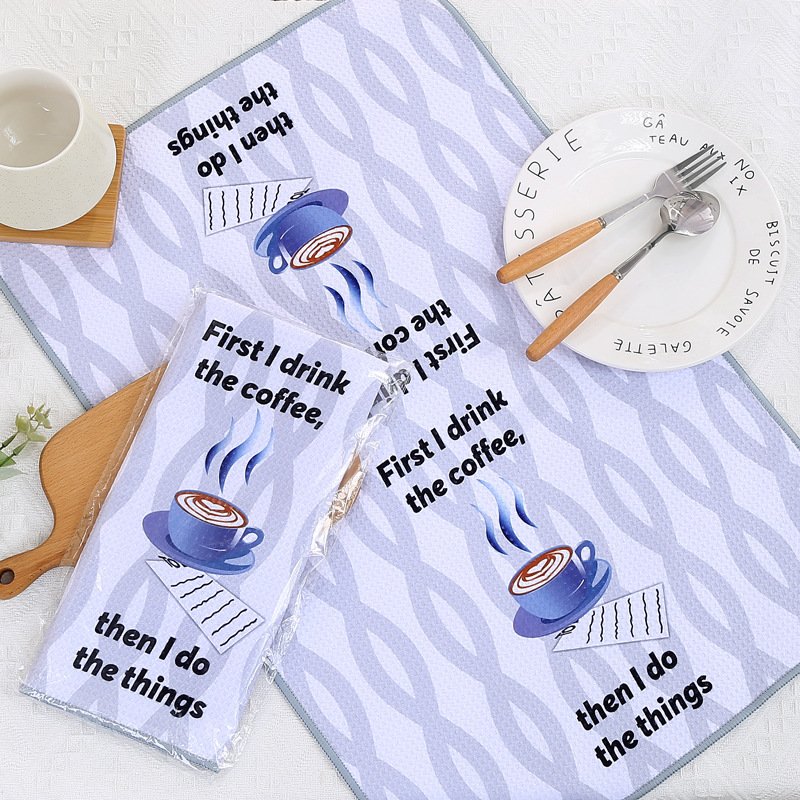
Why Tea Towel Storage Matters in a Tidy Kitchen
First of all, a clean kitchen begins with clean towels. Furthermore, the way you store them directly affects both your hygiene and your daily routine. Additionally, poor storage leads to bacteria growth, bad smells, and a cluttered drawer that nobody wants to deal with.
Besides hygiene, there is also a bigger trend happening around the world. More and more people are paying close attention to their home textile choices. As a result, the kitchen towel market is growing at a steady and impressive pace.
| Market Data Point | Value |
|---|---|
| Kitchen towel global market size (2025) | $2.55 billion |
| Projected global market size by 2030 | $3.27 billion |
| Market growth rate — CAGR (2025–2030) | 5.3% per year |
| Global home textile market value (2025) | USD 19.1 billion |
| Projected home textile growth rate (2026–2034) | 5.16% per year |
Clearly, kitchen towels are far more than just a small household item. They are a growing part of everyday home life around the globe. Therefore, organizing them well is completely worth your time and effort.
“A kitchen that runs smoothly starts with one simple habit — knowing exactly where your clean towel is.”
Planning Your Tea Towel Storage
How Many Kitchen Towels Do You Really Need?
First, let’s figure out how many towels your household actually needs. According to home organization experts, the recommended number is 7 to 14 kitchen towels per household.
- 🧺 7 towels — Works well for a lighter-use home or someone who cooks occasionally.
- 🧺 14 towels — Better for families who cook every single day of the week.
Additionally, having extra towels on hand means you can always switch to a fresh, clean one. Furthermore, you will always have enough clean towels ready between laundry days without running short.
How to Organize Kitchen Towels by Use
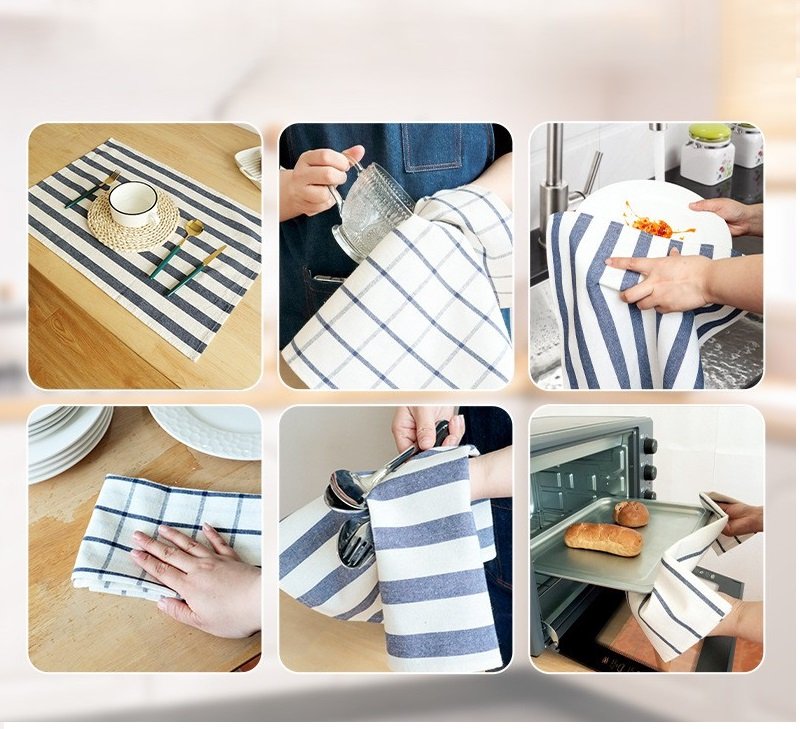
Next, it helps to think carefully about why you use each towel. Moreover, different kitchen tasks call for different types of towels. As a result, mixing all your towels together causes confusion and can spread harmful germs onto food and surfaces.
Here is a simple system to organize kitchen towels by use:
- 🍽️ Drying dishes and glassware — Use smooth, lint-free towels. These leave no residue on clean surfaces.
- 🙌 Drying hands — Keep a separate towel just for hand drying near the sink.
- 🧽 Wiping spills and countertops — Dedicate one type of towel purely for cleaning surfaces.
- 🥩 Food prep areas — Use a clearly labeled towel only near raw food surfaces to avoid cross-contamination.
Also, consider using purpose-built kitchen towels designed for specific tasks. In fact, towels made with different textures or weave patterns can perform much better for drying versus surface cleaning.
Color-Coding Kitchen Towels by Task
Once you have sorted your towels by use, color-coding makes the whole system even easier to follow. In fact, this is one of the smartest and most practical ways to organize kitchen towels in any home or professional kitchen.
| Towel Color | Assigned Task | Why This Color Works |
|---|---|---|
| White | Drying dishes and glassware | Easy to spot stains; signals “food-safe clean” |
| Blue | Drying hands near the sink | Cool, calm color that is easy to remember |
| Red | Wiping spills and countertops | Red clearly signals “cleaning use only” |
| Green | Food prep and raw ingredients | Naturally separate from dish and hand towels |
Furthermore, color-coding helps every family member follow the same system automatically. Therefore, there is far less chance of someone grabbing the wrong towel at the wrong moment.
Best Places to Store Kitchen Towels
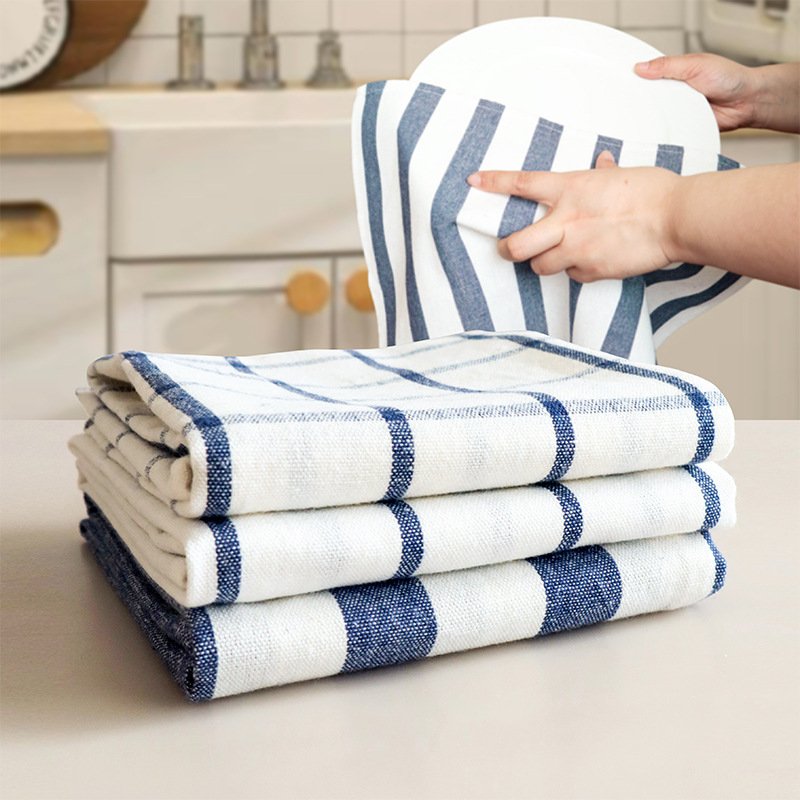
After sorting your towels, the next important step is choosing where to keep them. Moreover, the best storage spot depends entirely on your kitchen size, layout, and daily habits.
Here are the top places for tea towel storage in most kitchens:
- 🗄️ Drawer near the sink — The most popular option. Additionally, it keeps towels hidden and close to where you need them most.
- 🧺 Open basket on a shelf — Great for rolled towels. Furthermore, it looks decorative and stays easily accessible at all times.
- 🪝 Hook on the wall or cabinet — Perfect for daily-use towels. Also, hanging towels on hooks helps them dry faster between uses.
- 🚪 Cabinet-door rack — A smart space-saving solution. As a result, you can store more towels without using up drawer or counter space.
- 🍳 Oven door handle — A classic kitchen spot. However, only hang dry towels here and keep them away from heat when the oven is on.
Vertical vs. Horizontal Storage for Kitchen Towels
Choosing between vertical and horizontal storage is a very common question. Both methods work well, but each one has clear advantages depending on how much space you have.
| Storage Style | Best For | Main Benefit |
|---|---|---|
| Vertical — file-folder style | Drawers with dividers | See all towels at once; grab one without disturbing the rest |
| Horizontal — flat stack | Shelves and open baskets | Clean, minimal appearance; works beautifully with open shelving |
| Rolled — cylinder style | Baskets and countertops | Looks neat and spa-like; saves horizontal space efficiently |
| Hanging — hooks or handle | Wall mounts, oven handles | Fastest access; helps towels stay dry between uses |
For most kitchens, vertical drawer storage is the most practical and efficient choice. Also, it is the easiest long-term method to maintain a neat tea towel storage system without much effort.
Best Towel Folds and Storage for Small Kitchens
If your kitchen is small, then you need extra-smart storage solutions. Therefore, here are the best ways to organize kitchen towels when space is really tight:
- ✅ Use a narrow drawer divider to split one single drawer into clean sections.
- ✅ Install adhesive hooks inside a cabinet door for hanging towels out of sight.
- ✅ Use a compact countertop basket that holds just 2 to 3 rolled towels at a time.
- ✅ Mount a slim towel bar on the side panel of a lower cabinet for easy hanging access.
- ✅ Reduce your active towel count — keep only 3 to 5 towels in the kitchen and store the rest in a nearby closet or linen shelf.
How to Fold Tea Towels the Right Way
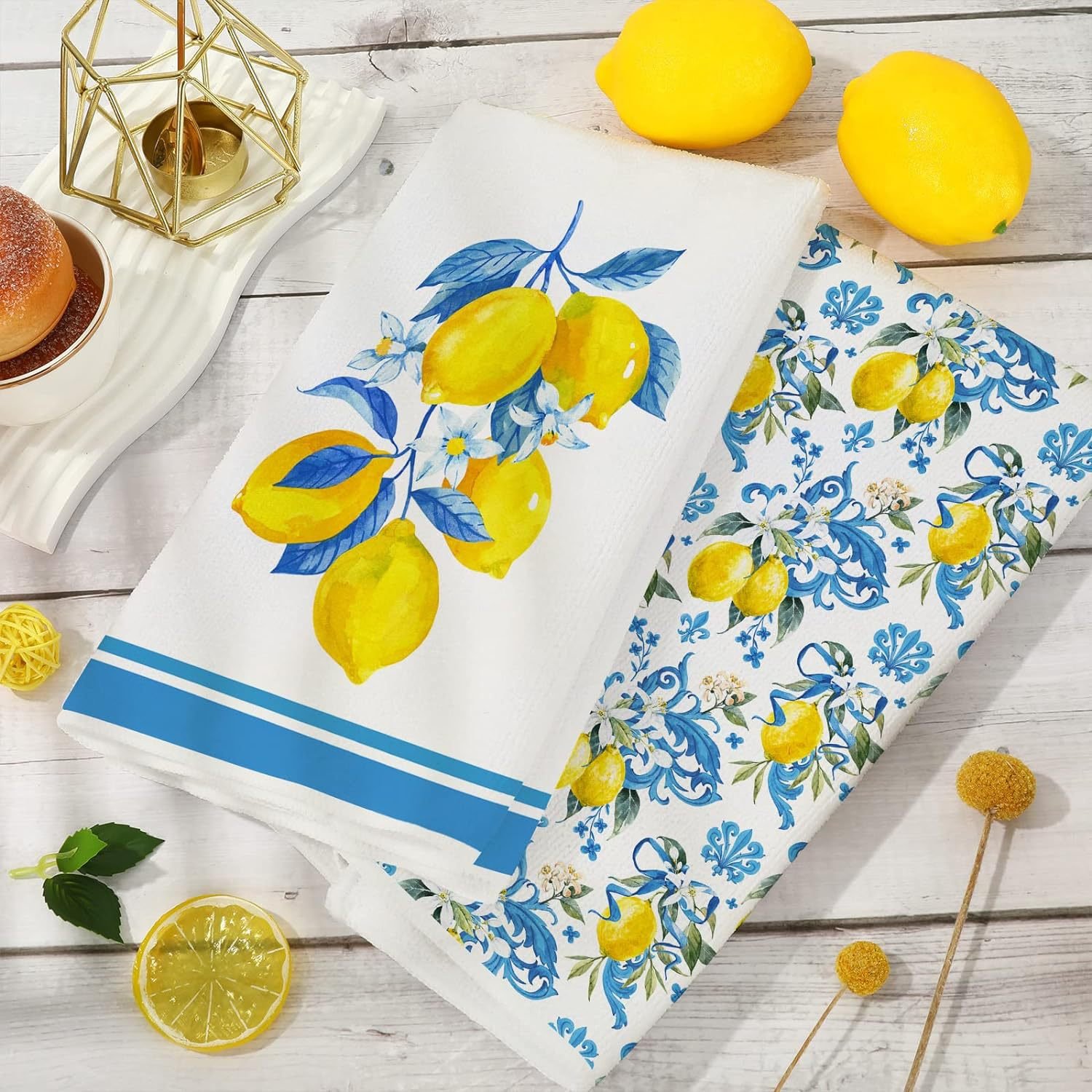
How to Fold Tea Towels for Drawers
First, folding your tea towels correctly is the single most impactful step in any kitchen towel organization system. Additionally, the right fold saves drawer space and keeps everything tidy all week long without constant re-organizing.
Here is the best step-by-step method to fold tea towels for drawers:
- Lay the towel flat on a clean, dry surface with the long side facing toward you.
- Fold lengthwise into thirds — bring one long edge to the center, then fold the other side over the top.
- Fold in half once by bringing the two short ends together evenly.
- Fold in half one more time to create a compact, uniform rectangle shape.
- Stand the folded towel upright in the drawer, like a file in a filing cabinet, with the open edge facing down.
📐 Quick Recap: How to Fold Tea Towels for Drawers
Fold the towel lengthwise into thirds. Then fold in half twice to make a compact rectangle. Finally, stand it upright in your drawer with the open edge at the bottom. This keeps every towel visible and easy to grab without disturbing the others.
Also, using high-quality, well-woven kitchen towels genuinely makes folding easier. Furthermore, a good-quality towel holds its fold shape better and stays neatly stacked far longer than thin, low-quality alternatives.
How to Fold Tea Towels for Shelves and Baskets
Next, if you are storing towels on an open shelf or inside a basket, then you have two excellent folding options to choose from.
Option 1 — Flat Stack Fold (for shelves):
- Fold the towel lengthwise into thirds, just like the drawer method above.
- Then fold it in half once — creating a longer, flatter rectangle shape.
- Stack towels neatly with all the folded edges pointing in the same direction.
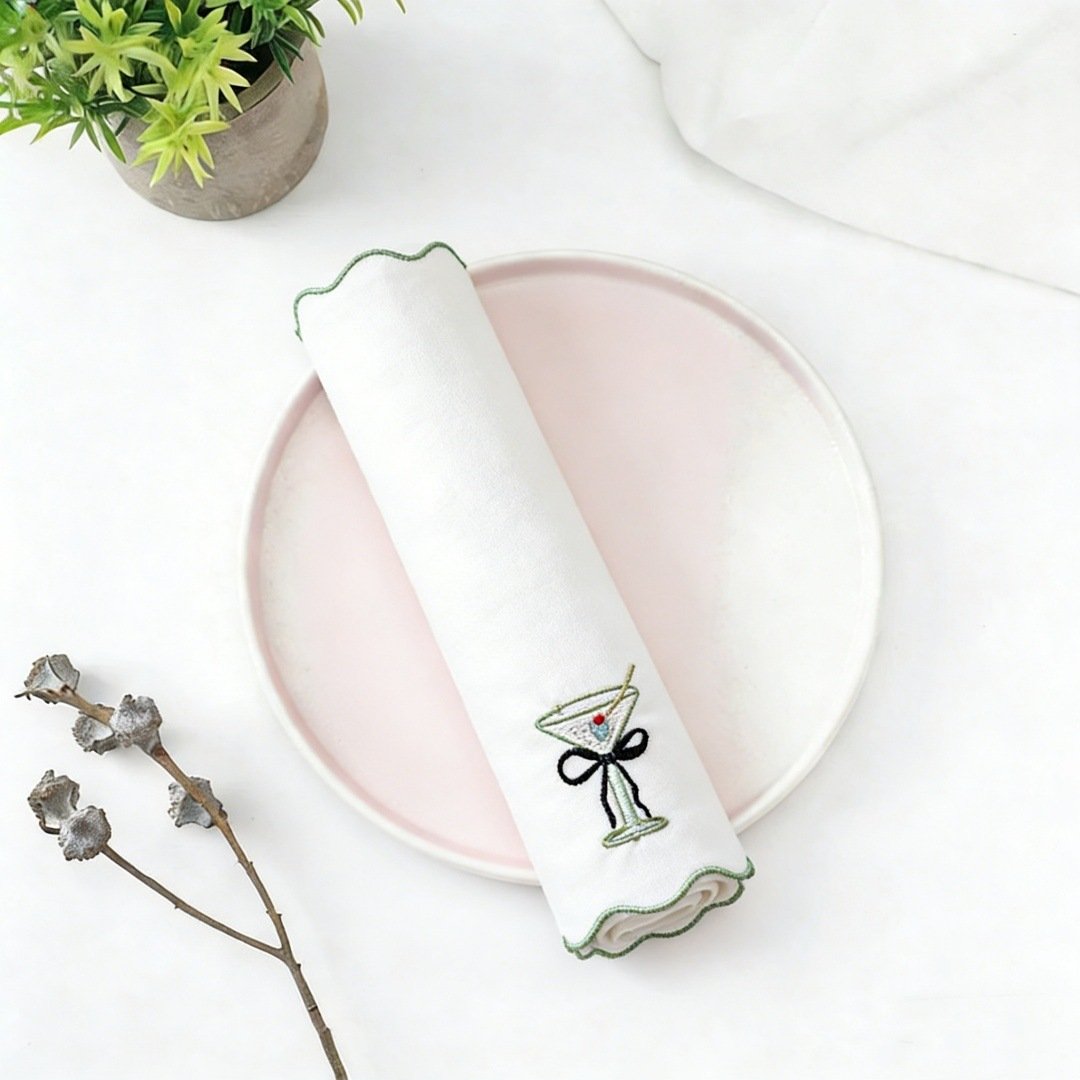
Option 2 — Roll Method (for baskets and countertops):
- First, fold the towel lengthwise into thirds as usual.
- Next, roll the folded strip tightly from one end all the way to the other.
- Then, stand the rolled towels upright in a basket or bin with the roll facing up.
Both methods look wonderful on open shelves. Moreover, the roll method is especially popular right now because it gives kitchens a clean, spa-like, well-organized feel. Additionally, a basket of rolled towels is much easier to grab quickly during busy cooking sessions.
Should Tea Towels Be Folded or Rolled?
The honest answer is: it depends on where you are storing them. Both methods are effective. However, each one works better in a different setting.
| Storage Method | Best Storage Location | Key Advantage |
|---|---|---|
| Folded into rectangles | Drawers and flat stacks on shelves | Fits more towels in less space; stays compact |
| Rolled into cylinders | Baskets, open shelves, countertop bins | Looks neat and decorative; very quick to grab |
Therefore, use folding for hidden or closed storage spaces and rolling for visible, open displays. Furthermore, mixing both methods in your kitchen at the same time is perfectly practical and actually a very common approach in well-organized homes.
Hygiene and Maintenance for Kitchen Towels
How to Separate Clean, Dry, and Dirty Towels
This is one of the most critical rules of safe tea towel storage. In fact, as mentioned earlier, research confirms that 16% of consumers had cloth-handling habits that allowed pathogens to contaminate, grow, and survive in their kitchen towels. As a result, those germs could easily spread to food, prep surfaces, or hands during cooking.
Therefore, always follow these three-zone separation rules in your kitchen:
- ✅ Zone 1 — Clean and dry: Store these in your organized drawer or basket, fully ready to use.
- ⚠️ Zone 2 — Used but not soiled: Hang these on a hook to air-dry fully before one more careful use.
- 🚫 Zone 3 — Dirty or damp: Place these directly into the laundry bin. Never fold or store these back with the clean ones under any circumstances.
How to Prevent Musty Smells and Mildew
Musty-smelling towels are one of the most common and frustrating kitchen problems. However, the fix is actually quite simple once you understand the root cause — it is almost always trapped moisture.
Here is exactly how to keep kitchen towels from developing musty smells:
- 🌬️ Always dry towels fully before folding or storing. A damp towel folded into a drawer is a mildew factory waiting to happen.
- 🪝 Hang used towels in an open, well-ventilated spot after each use. Airflow is the most natural and effective way to prevent bacteria and bad odors.
- 🧺 Wash towels regularly — never let used towels sit in a pile for more than 2 days before washing.
- ☀️ Air out your towel drawer once a week. Remove all towels, wipe the drawer surface, and leave it open briefly to ventilate.
- 🌿 Place a small sachet of baking soda or dried lavender in the drawer to naturally absorb odors between washes.
How Often Should You Wash and Replace Kitchen Towels?
First, your washing schedule should depend on how heavily you use your towels. However, there are clear and practical guidelines that work well for most households.
Recommended washing schedule by towel type:
- 🍽️ Dish-drying towels — Wash after every 3 to 5 uses, or immediately if they become damp or smelly.
- 🙌 Hand-drying towels — Wash every 1 to 2 days if multiple people use them regularly.
- 🧽 Spill-cleaning towels — Wash after every single use, especially after any contact with raw food surfaces.
Signs that it is time to replace your kitchen towels:
- The towel has a permanent musty smell even after washing multiple times.
- The fabric is fraying, thinning out, or visibly falling apart at the edges.
- Stains do not come out no matter how many times you wash the towel.
- The towel no longer absorbs water quickly or effectively during use.
For more guidance on choosing durable, long-lasting kitchen towels, visit Favor Houseware’s kitchen towel collection. Additionally, investing in quality towels from the start means you replace them far less often — which saves money in the long run.
Storage Mistakes That Make Towel Drawers Messy
Even with the best intentions, many people make small but impactful mistakes that ruin their kitchen towel organization system quickly. Therefore, here are the most common ones to recognize and avoid.
- ❌ Overstuffing the drawer — Too many towels means nothing stays neatly folded. As a result, the whole drawer collapses into chaos within days.
- ❌ Storing damp towels in closed spaces — This is the single biggest cause of musty smells and mildew in any kitchen towel drawer or cabinet.
- ❌ Mixing clean and dirty towels together — This creates cross-contamination risk and makes it impossible to quickly find a fresh, safe towel.
- ❌ Having no system at all — Without any plan, towel organization always falls apart within a week. However, even a very simple system makes a huge difference.
- ❌ Keeping worn-out old towels — Old, fraying towels waste space and perform poorly. Therefore, replace them regularly so your storage system keeps working well.
- ❌ Folding inconsistently across the household — If every person folds differently, the drawer stays messy. So, agree on one clear folding method as a shared household habit.
Quick Tidy Kitchen Tips for Towel Organization
Finally, here are the fastest and most practical tidy kitchen tips you can start using today — no big effort required.
- 🔄 Do a weekly towel reset — once a week, pull out all drawer towels, refold neatly, and put them back in one smooth go.
- 🏷️ Label your storage zones — a small sticky label inside the drawer or on the basket helps everyone in the family follow the same system.
- 📦 Use a drawer divider — these are inexpensive and immediately transform any messy towel drawer into an organized one.
- 🪣 Keep a small laundry bin nearby — so used towels go straight in rather than piling up on the nearest countertop.
- 🛒 Buy towels in matching sets — matching sets stack and fold far more uniformly, making the whole organization system much easier to maintain over time.
What to Look for in a Quality Kitchen Towel Today
Of course, the best storage system only works well when you start with quality kitchen towels in the first place. Therefore, here is what to look for when buying kitchen towels today, based on current market trends and real consumer preferences.
| Feature to Look For | Why It Matters | What to Check |
|---|---|---|
| High absorbency | Dries dishes and hands quickly every time | Look for cotton, linen, or waffle-weave fabric |
| Quick-drying performance | Reduces bacteria growth between uses | Microfiber towels dry up to 3× faster than standard cotton |
| Durable construction | Withstands frequent machine washing without falling apart | Tight weave, reinforced hemmed edges, quality yarn |
| Eco-friendly materials | Better for the planet and safer for food contact | Recycled or OEKO-TEX certified materials are ideal |
| Lint-free surface | Ideal for drying glassware without leaving residue | Linen blends and tightly woven cotton work best for this |
Furthermore, according to Textile World, the fastest-growing trends in kitchen textiles right now include sustainable production, custom brand designs, and multi-purpose functionality. Therefore, buyers today genuinely want more performance and more meaning from every kitchen towel they buy.
Eco-Friendly Ways to Reuse Old Tea Towels
Before throwing away worn-out kitchen towels, consider giving them a useful second life. Moreover, repurposing old towels is a wonderfully practical and eco-friendly choice that significantly reduces everyday household waste.
- 🌿 Cut into smaller cleaning cloths — perfect for dusting furniture or wiping surfaces throughout the house.
- 🛁 Repurpose as bathroom cleaning rags — dedicated bathroom rags keep your cleaning routine much more organized.
- 🎁 Use as eco-friendly gift wrap — the Japanese fabric-wrapping technique called furoshiki turns any old towel into beautiful, zero-waste gift wrapping.
- 🐾 Donate to local animal shelters — many shelters happily accept old towels for bedding, bathing animals, and general cleaning.
- 🌱 Repurpose in the garden — old towels work brilliantly for tying up climbing plants, wiping garden tools, or cleaning outdoor furniture.
Also, if you want to start with eco-conscious towels from day one, explore the recycled textile products from Favor Houseware. Additionally, sustainable materials mean your towels last longer and have a smaller environmental footprint throughout their entire lifespan.
About Favor Houseware: Your Trusted Kitchen Towel Manufacturer
Favor Houseware Co., Ltd. is a professional home and kitchen textile manufacturer based in Yiwu, Zhejiang Province, China. Furthermore, the company brings over 15 years of specialized manufacturing experience to every single product they produce for global markets.
They offer a wide range of high-quality home textile products, including:
- Kitchen towels and tea towels
- Microfiber cleaning towels — ideal for quick-drying performance
- Turkish hammam towels — beautifully woven and ultra-absorbent
- Oven mitts and kitchen protection accessories
- Custom kitchen aprons for home and professional use
Moreover, all Favor Houseware products carry BSCI, OEKO-TEX 100, SGS, and FDA certifications — giving you complete confidence in the quality and safety of every towel. Additionally, they offer custom designs with no minimum order quantity (MOQ) for printed products, which makes them perfect for small businesses and large-scale wholesale buyers alike.
✔ 15+ years of professional manufacturing experience
✔ Certified sustainable production (BSCI, OEKO-TEX 100, SGS, FDA)
✔ Low MOQ starting from just 100 pieces per order
✔ Free samples available — only pay shipping freight
✔ Fast delivery from their factory in Zhejiang Province, China
✔ Custom branding and printing with no MOQ restriction
Frequently Asked Questions About Tea Towel Storage
How do you store tea towels neatly?
First, fold them into compact rectangles. Then, store them vertically in a drawer, standing upright like files — this way you can see all of them at once. Also, rolling towels and placing them in an open basket is another excellent option for shelf storage. Both methods keep towels tidy and very easy to grab whenever you need one.
What is the best way to fold kitchen towels?
The best folding method is to fold the towel lengthwise into thirds, then fold in half twice to create a neat, compact rectangle. Additionally, this fold works perfectly for both drawers and flat shelf stacks. For basket storage, rolling is also an equally great alternative that looks clean and organized.
Should tea towels be folded or rolled?
Both methods work very well. However, the best choice depends entirely on your storage location. Folded towels are much better suited for drawers and flat shelf stacking. On the other hand, rolled towels work better in baskets or on open shelves where you want quick, easy, and decorative access.
Where should kitchen towels be stored?
The best spot is always close to your sink or main cleanup area — such as a nearby drawer, cabinet, or wall hook. Also, cabinet-door racks are an excellent and space-saving solution for many kitchens. Furthermore, hooks near the oven or prep zone keep frequently used towels within easy reach at all times during cooking.
How many kitchen towels should a household have?
Most households need between 7 and 14 kitchen towels in total. Specifically, a family that cooks every day may need closer to 14. On the other hand, a lighter-use home may do perfectly well with just 7. A helpful rule of thumb is to have at least 2 clean towels available for every day between laundry cycles.
How do you organize kitchen towels by type?
The most effective method is to assign each towel type a dedicated color. For example, white towels for dish drying, blue for hand drying, and red for cleaning spills. Furthermore, use separate storage zones or clearly labeled sections in your drawer to keep each towel type always in the right place.
How do you keep tea towels from smelling?
The most important key is to always dry towels completely before folding or storing them. Furthermore, hang used towels in a well-ventilated area after each use. Also, wash them regularly and never let damp towels pile up for more than 2 days. A small baking soda sachet placed in your towel drawer also helps absorb odors naturally and effectively.
How often should kitchen towels be washed?
It depends on how often you use them. Dish-drying towels should be washed every 3 to 5 uses. Hand towels used by multiple household members should be washed every 1 to 2 days. Additionally, any towel that touched raw meat or food prep surfaces should be washed immediately after every single use — no exceptions.
What is the most hygienic way to store dish towels?
The most hygienic approach is to always keep clean towels completely separate from used or dirty ones. Furthermore, color-coding by task and using dedicated storage zones for each towel type makes this much easier to maintain. As a result, you significantly reduce the risk of cross-contamination and always know which towels are safe and clean for food contact.
How do you make a towel drawer look neat?
First, use an inexpensive drawer divider to create clear sections. Next, fold every single towel the same way and stand them upright in a row. Also, keep only the number of towels that fit comfortably — never overstuff. Finally, set aside 5 minutes each week to refold any towels that have shifted out of their place. This small habit makes a big visible difference.
Conclusion: Small Changes That Make a Big Difference in Your Kitchen
In summary, great tea towel storage is not just about making your kitchen look neater. It is also about improving hygiene, reducing waste, and making your daily cooking routine smoother and more enjoyable overall.
First, start by deciding how many towels your household really needs. Next, pick a storage method that suits your available kitchen space. Then, choose a simple color-coding system to separate your towels by task. Also, always store only dry, clean towels, and wash them regularly to prevent bacteria and lingering odors.
Furthermore, investing in high-quality kitchen towels from the very beginning makes every part of this process so much easier. Better towels fold more neatly, dry faster, last significantly longer, and perform better in everyday use. Therefore, the quality of your towels directly and noticeably impacts the quality of your entire kitchen organization system.
“A well-organized kitchen starts with one small, consistent habit — putting the right towel in the right place, every single time.”
Finally, if you are looking for durable, beautifully crafted kitchen towels for your home, restaurant, or wholesale business, then Favor Houseware Co., Ltd. is the manufacturer you can trust. Moreover, with over 15 years of experience, certified eco-friendly production, and low minimum order quantities, they are ready to supply exactly what you need.
Ready to Upgrade Your Kitchen Towels?
Explore Favor Houseware’s full range of premium kitchen towels — custom designs, certified quality, low MOQ, and free samples available. Trusted by buyers across the globe for over 15 years.
🛒 Shop Kitchen Towels 📩 Request a Free SampleViews: 2