⚡ Quick Answer: How to Wash Custom Beach Towels
- Shake off all sand before putting the towel in the washer.
- Wash separately using a gentle cycle in cold or warm water.
- Use a mild detergent. Skip bleach and fabric softener.
- Air dry or tumble dry on low heat only.
- Store fully dry in a cool, ventilated space.
You finally found the perfect custom beach towel — bright colors, a bold print, and a feel that makes every beach day better. But then, after just a few washes, the colors start to look dull. The print loses its pop. The fabric feels rough. Sound familiar?
The good news is that this is totally preventable. Therefore, knowing how to wash custom beach towels the right way makes a huge difference. In fact, the correct care instructions for printed towels can help your favorite designs stay vivid for years — not just months.
At Favor Houseware Co., Ltd., we have been manufacturing custom and wholesale beach towels in China for over 15 years. As a result, we know exactly what causes colors to fade — and exactly how to stop it.
This complete guide walks you through everything. From washing steps to drying tricks, we cover all the care instructions for printed towels you need. Let’s keep those colors bright.
Beach Towel Care: Why It Matters More Than You Think
Before diving into the steps, here is some fast context. The global beach towel market is growing quickly. That means more people are investing in quality towels — and they want them to last.
| Stat | Value |
|---|---|
| Global beach towel market size (2024) | USD 24.23 million |
| Projected market size (2032) | USD 35.35 million |
| Forecast growth rate (CAGR) | 4.83% through 2032 |
| Colorfastness quality standard | ISO 105-C06 (washing colorfastness test) |
| Favor Houseware experience | 15+ years manufacturing custom beach towels |
With the market growing fast, more buyers are choosing custom and printed designs. So naturally, proper towel care becomes even more important for protecting that investment.
What Makes Custom Beach Towels Different?
Not all towels are the same. Custom beach towels are special because they go through extra production steps — like printing, dyeing, and decorative finishing. As a result, they need extra care compared to plain white towels.
Here is what makes them unique:
- Printed surfaces: Digital prints and dyed fibers can fade faster if washed incorrectly.
- Decorative finishes: Some towels have special weaves, tassels, or embroidery that can be damaged by rough washing.
- Beach exposure: Sand, saltwater, sunscreen, and UV rays all put extra stress on the fabric and print.
- Blended materials: Many custom towels use cotton blends or microfiber materials that respond differently to heat and detergents.
“A custom beach towel is not just a piece of fabric — it is a printed product. Therefore, treating it like a plain white cotton towel is one of the fastest ways to ruin the design.”
At Favor Houseware, all our printed towels are tested for colorfastness using the ISO 105-C06 standard. This means the colors are built to last — but only when you wash them the right way. Learn more about our manufacturing quality standards here.
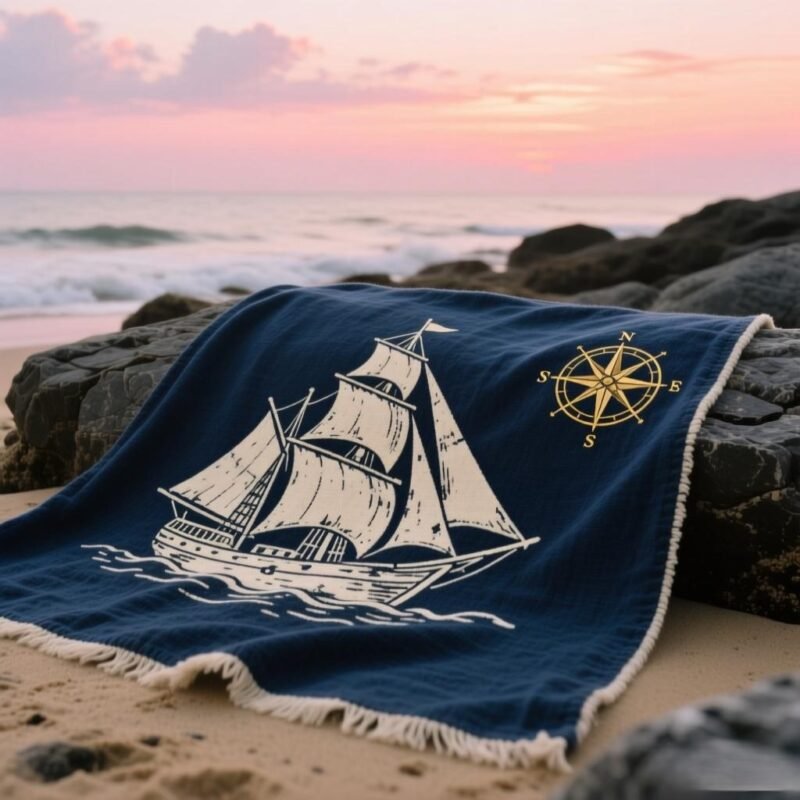
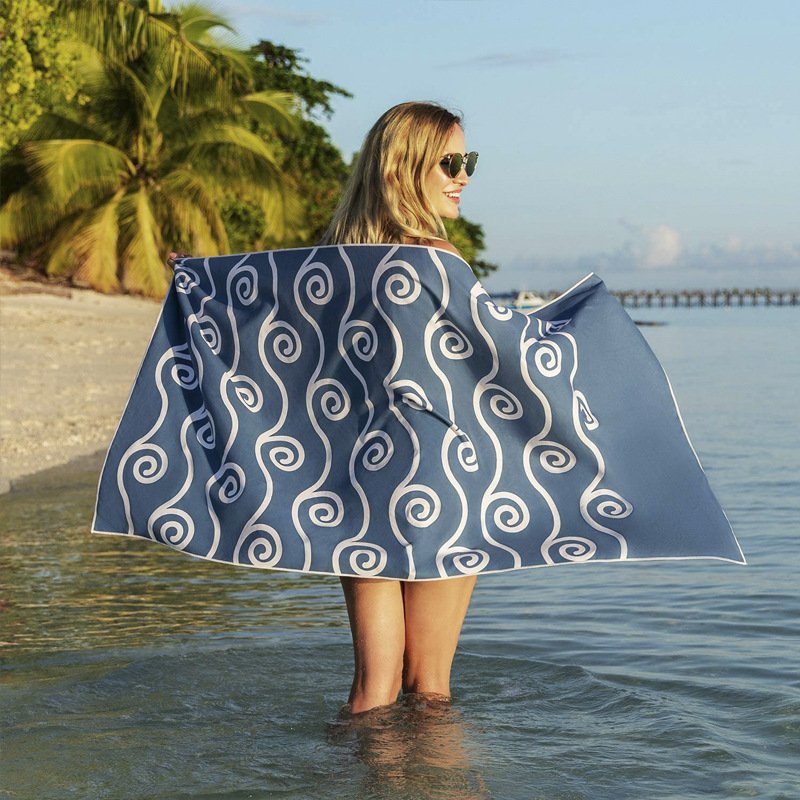
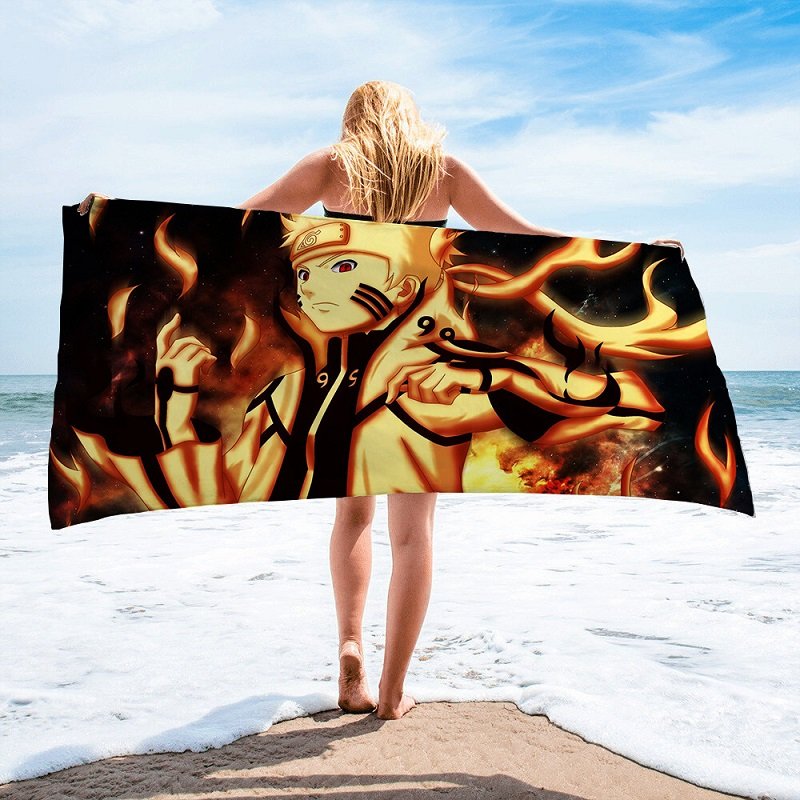
How to Wash Custom Beach Towels Without Fading the Print
This is the most important section. Following these steps carefully will help you keep beach towel colors bright wash after wash.
Step-by-Step Washing Instructions
- Shake out sand first. Always shake the towel vigorously outside before loading it into the washer. Sand and grit act like sandpaper inside the machine.
- Pre-rinse if needed. If the towel has heavy sunscreen or salt residue, rinse it under cool water before washing.
- Wash separately. Keep printed towels away from jeans, zippers, or heavy fabrics that can scratch the print.
- Use a gentle cycle. Always select the delicate or gentle setting on your washer. This reduces friction on the print.
- Use a mild detergent. Choose a color-safe, dye-free detergent. Avoid harsh chemicals completely.
- Turn the towel inside out. This simple trick protects the print side from direct agitation in the drum.
- Skip bleach. Bleach strips color from printed and dyed towels very quickly.
- Do a full rinse cycle. Make sure all detergent is rinsed out. Leftover soap residue causes stiffness and buildup over time.
⚠️ Pro Tip
Always check the care label on your towel first. Because every material and print method is slightly different, the label gives you the most accurate guide for that specific product.
Best Water Temperature for Printed Towels
Water temperature is one of the biggest factors in color protection. So, here is a simple breakdown:
| Water Temperature | Best For | Color Safety |
|---|---|---|
| Cold (below 30°C / 86°F) | Printed & colored towels | ✅ Best for color |
| Warm (30–40°C / 86–104°F) | Lightly soiled printed towels | ✅ Generally safe |
| Hot (above 60°C / 140°F) | White cotton towels only | ❌ Speeds up fading |
For most care instructions for printed towels, cold water is the safest and most color-friendly choice. Hot water, on the other hand, opens up fabric fibers and lets the dye escape much faster.
Should You Use Fabric Softener on Beach Towels?
The short answer is: no. Fabric softener might smell nice, but it actually hurts your towel in two important ways.
- It reduces absorbency. Softener leaves a waxy coating on the fibers. That coating blocks the towel from soaking up water properly.
- It causes buildup. Over time, residue from softener makes towels feel heavy, stiff, and less fresh.
Instead, if you want softer towels, try adding half a cup of white vinegar to the rinse cycle. This is a safe, natural method that removes buildup and softens fibers without any harmful coating. Additionally, proper drying (covered below) helps restore softness naturally. According to Good Housekeeping’s laundry experts, skipping fabric softener on towels is one of the best things you can do for long-term softness and absorbency.
How to Remove Sand, Salt, and Sunscreen Residue
Beach towels deal with a tough combination of dirt. Sand, saltwater, and sunscreen are all great at embedding themselves into fabric. But fortunately, with the right steps, they all come out cleanly.
Pre-Wash Checklist
✅ Before You Put the Towel in the Washer:
- ☐ Shake out as much sand as possible outdoors
- ☐ If wet, let it dry first — dry sand shakes out far more easily
- ☐ Rinse under cold water to flush out salt residue
- ☐ Apply a small amount of mild detergent directly to sunscreen stains
- ☐ Let the pre-treatment sit for 10–15 minutes before washing
- ☐ Check pockets or corners for hidden clumps of sand
Sunscreen stains deserve special attention. Most sunscreens contain oils and chemical filters that bond with fabric. Therefore, pre-treating the stained area with a drop of dish soap or enzyme-based laundry detergent before washing makes a big difference. Avoid hot water on sunscreen stains — heat can actually set the stain deeper.
Salt residue, meanwhile, is very easy to handle. A simple cold-water rinse right after the beach will wash away most of it before it has a chance to dry and crystallize in the fibers.
How to Keep Beach Towel Colors Bright Longer
Color protection is not just about one wash. Instead, it is about building good habits every single time you handle your towel. Here is everything you can do to keep beach towel colors bright for the long haul.
Dos and Don’ts: Color Protection Guide
| ✅ DO This | ❌ DON’T Do This |
|---|---|
| Wash with similar colors | Mix with dark or white laundry |
| Use a color-safe mild detergent | Use chlorine bleach on prints |
| Wash in cold or warm water | Use hot water repeatedly |
| Turn towel inside out before washing | Wash print-side out |
| Dry in shade or use low dryer heat | Dry in direct strong sunlight |
| Rinse immediately after beach use | Leave damp in a bag for hours |
| Skip fabric softener; use vinegar rinse | Add fabric softener to every wash |
🚫 Bleach Warning
Never use chlorine bleach on colored or printed beach towels. Even a small amount will react with dyes in the fabric and cause immediate, irreversible fading or discoloration. If you need to brighten a white towel, use an oxygen-based bleach only — and only when the care label allows it.
One more powerful tip: wash new towels before their first use. This removes any excess dye that could bleed onto other items. Additionally, it softens the fibers so your towel feels great from day one.
How to Dry Printed Towels Safely
Drying is the step most people get wrong. In fact, the dryer can do just as much damage as the washer if you are not careful. So, here is how to dry your towels the right way.
Air Drying vs. Machine Drying
| Method | Best Practice | Color Safety |
|---|---|---|
| Air drying (preferred) | Hang in shade or indoors with airflow | ✅ Best option |
| Low heat tumble dry | Remove promptly; do not over-dry | ✅ Acceptable |
| High heat tumble dry | Avoid for printed towels | ❌ Damages print & fibers |
| Direct sunlight drying | Only briefly; move to shade to finish | ⚠️ Fades colors over time |
Air drying is always the gentler choice. Moreover, it is better for the environment and for the longevity of your towel’s print. If you must use a dryer, set it to the lowest heat setting. Also, pull the towels out while they are still slightly damp, then let them finish air drying. This prevents over-drying, which makes fibers brittle and rough.
How Often Should Beach Towels Be Washed?
This depends on how much the towel picked up during use. However, here is a simple rule of thumb:
- After every use: If it touched sand, saltwater, sunscreen, body oils, or has any odor — wash it. Health experts recommend this as the safest approach, especially if the towel was shared.
- After 2–3 uses: If you only used it briefly and it stayed clean and dry, you may be able to air it out and reuse it once more.
- Immediately: If the towel smells musty or has visible staining, wash it right away. Do not let it sit.

How to Store Custom Beach Towels
You did everything right in the wash and dry steps. But, storage is the final step that people often overlook. Storing a towel incorrectly can quickly undo all that careful washing.
- Always store dry towels only. Folding or rolling a damp towel traps moisture inside. This leads to mildew growth and a musty smell very quickly.
- Choose a cool, ventilated space. Avoid damp basements, sealed plastic bags, or airtight containers for long-term storage.
- Fold loosely or roll. Rolling towels (like at a spa) actually helps air circulate better than tight folding.
- Avoid stacking too high. Heavy stacking compresses fibers over time, which reduces softness and fluffiness.
- Keep away from direct light. Even in storage, prolonged light exposure can cause color to fade on printed towels.
💡 Storage Tip for Wholesale Buyers
If you are storing large quantities of custom towels for resale or distribution, stack them in breathable fabric bags or open shelving. Avoid plastic wrapping for extended periods. Good airflow protects the color, softness, and scent of your stock.
Common Washing Mistakes That Damage Towels
Even people who try to be careful sometimes make these mistakes. So, check this list and make sure none of these habits are hurting your custom towels.
🚨 Top Towel-Damaging Mistakes
- Using fabric softener. It reduces absorbency and causes waxy buildup over time.
- Using bleach on colored prints. This is one of the fastest ways to permanently ruin a design.
- Washing in hot water. Heat opens fibers and releases dye much faster than cold water.
- Overloading the washer. Too many items in the drum means more friction, which abrades the print surface.
- Not removing sand first. Sand inside the washer grinds against fabric and acts like sandpaper on the print.
- Leaving damp towels bundled up. Even for a few hours, this creates the perfect condition for mildew and bad odors.
- Over-drying in the dryer. High heat for too long weakens fibers and makes towels stiff and rough.
- Washing printed towels with abrasive items. Jeans, zippers, and rough fabrics will scratch and damage the print surface.
Avoiding these mistakes costs you nothing extra. But fixing them — or replacing a ruined towel — definitely does.
Care Tips by Towel Material
Different materials need slightly different care. Therefore, always check your towel’s material before choosing your wash settings. Here is a quick reference guide:
| Material | Wash Temp | Drying | Special Notes |
|---|---|---|---|
| 100% Cotton | Cold–Warm (30–40°C) | Low heat or air dry | Most forgiving; still avoid hot water on prints |
| Microfiber | Cold (below 30°C) | Air dry preferred | No fabric softener; heat damages microfibers |
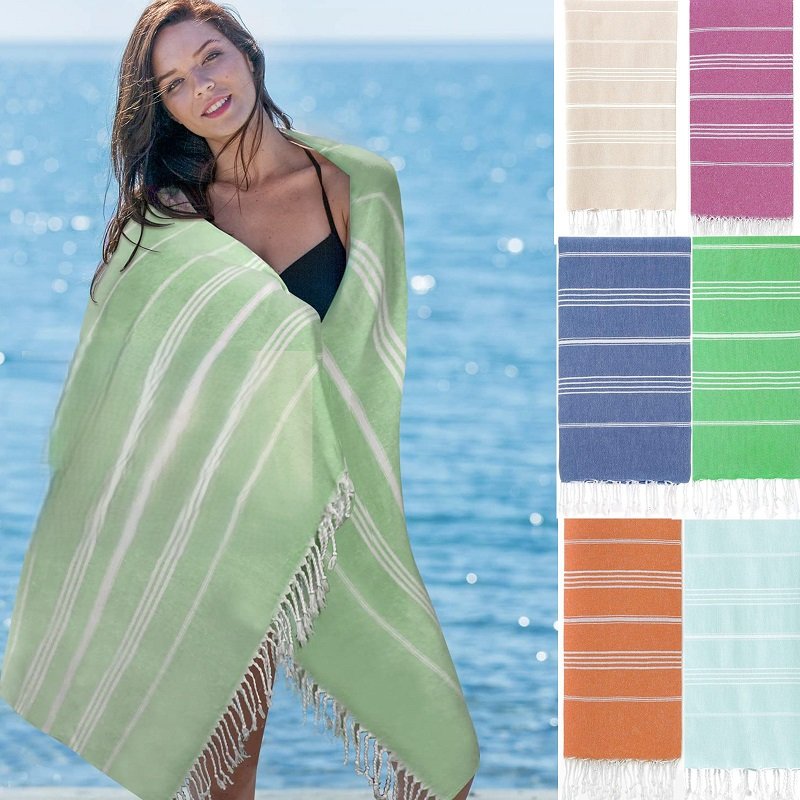
| Turkish Cotton | Cold–Warm (30–40°C) | Low heat or air dry | Gets softer with every gentle wash |
| Cotton Blend | Cold (below 30°C) | Air dry or low heat | Follow care label; blends vary widely |
| Recycled Fiber | Cold (below 30°C) | Air dry strongly preferred | Gentle cycle only; eco fibers need extra care |
At Favor Houseware, our product range covers all of these material types. For example, our Turkish hammam towels become softer with every wash when treated correctly. Our microfiber towels, on the other hand, require cold water and no fabric softener to maintain their performance. And our recycled beach towels need the gentlest care of all to protect both the print and the eco-friendly fibers.
“Whether you choose cotton, microfiber, or Turkish weave, the right care routine always starts the same way: cold water, mild detergent, and no bleach on the print.”
For wholesale and B2B buyers: When ordering custom towels in bulk, it helps to include a printed care card with each product. This protects your end customers’ experience and reduces returns. Favor Houseware supports custom branding options including OEM/ODM labeling and care tag printing. Contact our team to discuss your private label requirements. Our products hold BSCI, OEKO-TEX 100, SGS, and FDA certifications for your peace of mind. You can also explore the full Textile World resource hub for industry-level guidance on fabric care standards.
FAQ: Printed Towel Care and Color Protection
Here are the most common questions people ask about how to wash custom beach towels and keep their colors looking great.
Conclusion: Great Towels Last Longer With the Right Care
Taking care of your custom beach towels does not have to be complicated. In fact, most of the best practices are simple habits — cold water, mild detergent, no bleach, and a good shake before washing. When you follow the right care instructions for printed towels, your colors stay bright, your fabric stays soft, and your investment lasts much longer.
To recap the key points quickly:
- ✅ Always shake out sand before loading the washer
- ✅ Wash in cold or warm water with a gentle detergent
- ✅ Skip bleach and fabric softener on colored prints
- ✅ Air dry in the shade or tumble dry on low heat
- ✅ Store only fully dry towels in a ventilated space
- ✅ Turn towels inside out to protect the print surface
When you start with a high-quality towel, these steps become even more effective. Because the print lasts longer, the fibers hold up better, and the colors stay vivid season after season.
🏖️ Ready to Order Custom Beach Towels That Are Built to Last?
Favor Houseware Co., Ltd. has been crafting premium custom and wholesale beach towels for over 15 years. Our towels are tested for colorfastness, OEKO-TEX 100 certified, and ready to carry your brand — with MOQ starting from just 100 pieces.
🌿 BSCI · OEKO-TEX 100 · SGS · FDA Certified | Free samples available (pay freight only) | Fast delivery from Yiwu, China
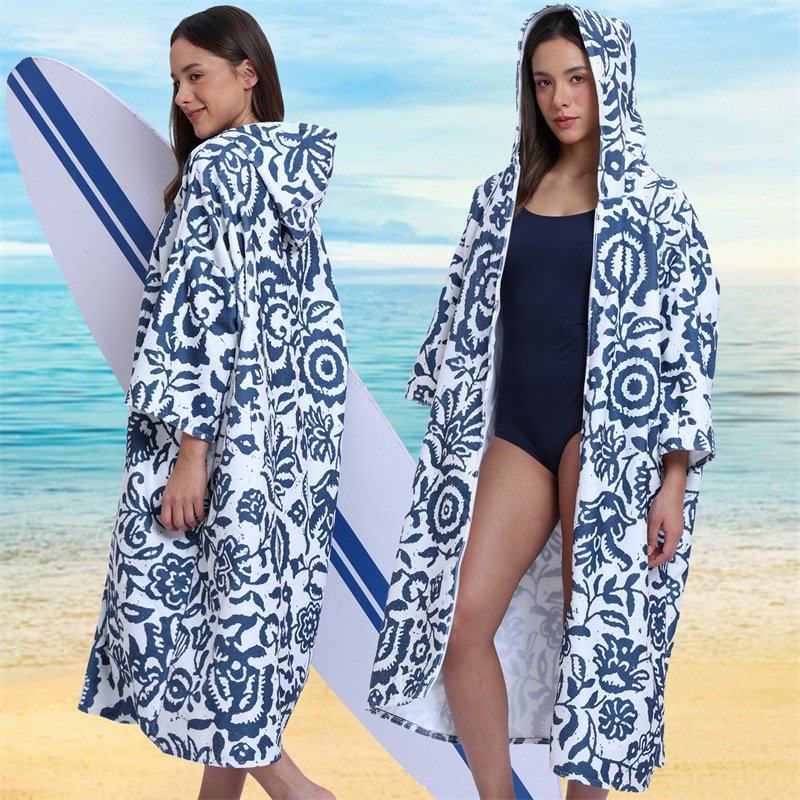
Looking for more towel guides? Browse our blog for more care tips and product guides. Or explore our full range including surf change robes, surf poncho towels, and eco-friendly recycled towels.
Views: 5