Taking care of a beach towel the right way makes a huge difference. Furthermore, it affects how long the towel lasts, how soft it stays, and how well it absorbs water. For retailers and wholesale buyers, this is especially important. After all, happy customers buy again — and they recommend your products to others.
This guide covers everything you need to know about beach towel care. Whether you sell towels in a shop, online, or in bulk, you will find practical answers here. Let’s start with the most important facts right away.
| 📌 | Beach Towel Care Rule | Quick Answer |
|---|---|---|
| 🌊 | Best wash temperature | Cold to warm (30–40°C). Never use hot water. |
| 🔁 | How often to wash | After every 1–3 uses, or immediately if damp or smelly. |
| 🧴 | Fabric softener? | No. It reduces absorbency. Use white vinegar instead. |
| 🏖️ | Removing sand | Shake dry first. Rinse with cold water. Then wash normally. |
| 💨 | Best drying method | Air dry in a ventilated spot. Low heat if using a dryer. |
| 📦 | Storage tip | Store only when completely dry. Roll, don’t fold. |
⚡ Beach Towel Care: Fast Answers at a Glance
- Best way to wash: Shake off sand first, then wash with a mild detergent in cold or warm water.
- How often: Every 1–3 uses is fine, as long as the towel dries completely between uses.
- Fabric softener: Skip it — it coats fibers and reduces absorbency over time.
- Sunscreen stains: Treat early with dish soap or mild stain remover, then wash normally.
- Drying: Air dry whenever possible. Use low heat if machine drying.
- Mildew prevention: Always dry towels completely before storing them away.
Cold Water vs. Hot Water for Beach Towels — At a Glance
| Feature | ❄️ Cold Water (30°C / 86°F) | ♨️ Hot Water (60°C+ / 140°F+) |
|---|---|---|
| Color protection | ✅ Excellent — prevents fading | ❌ Causes fading quickly |
| Fiber safety | ✅ Safe for all materials | ❌ Damages microfiber & sand-proof weaves |
| Shrinkage risk | ✅ Very low | ❌ High, especially for cotton |
| Energy use | ✅ Low — eco-friendly | ❌ High energy consumption |
| Sand removal | ✅ Works well with agitation | ⚠️ No added benefit for sand |
| Recommended for | All beach towel types | Not recommended for beach towels |
What Is the Best Way to Wash a Beach Towel?
Washing a beach towel correctly keeps it soft, colorful, and absorbent. Moreover, it removes sand, salt, sunscreen, and sweat that build up after a day at the beach.
Here is the best step-by-step method for washing beach towels:
- Shake the towel thoroughly outside. This removes loose sand before it enters your washer.
- Pre-rinse in cold water if there are heavy sunscreen or salt deposits on the towel.
- Place the towel in the washer without overloading it. Towels need room to rinse clean.
- Add a small amount of mild liquid detergent. Avoid powders, which can leave residue in fibers.
- Set the machine to a gentle or normal cycle with cold or warm water (30–40°C).
- Skip the fabric softener. Instead, add half a cup of white vinegar to the rinse cycle.
- Remove the towel promptly after washing. This prevents mildew and odors from developing.
“Overloading the washer is one of the most common beach towel care mistakes. When there is not enough room, detergent and sand cannot rinse out properly — leaving your towel stiff and scratchy.”
✅ Do This
- Use mild, liquid detergent
- Wash in cold or warm water
- Wash beach towels separately
- Shake sand off before loading
- Use a gentle or normal cycle
❌ Avoid This
- Hot water — shrinks and fades
- Fabric softener — clogs fibers
- Overloading the washing machine
- Washing with zipper clothing
- Using bleach on colored towels
How Often Should You Wash a Beach Towel?
This is one of the most common questions about beach towel care. Fortunately, the answer is simple.
| Usage Situation | Recommended Wash Frequency |
|---|---|
| Used once, dried completely indoors | Every 2–3 uses is acceptable |
| Used once, left damp in a bag | Wash immediately — mildew risk is high |
| Heavy sunscreen or sand buildup | Wash after every use |
| Shared between multiple people | After every single use |
| Smells musty or feels stiff | Wash right away, regardless of last wash date |
In general, washing after every 1–3 uses is a safe rule. However, if the towel smells bad or feels damp, you should wash it immediately. According to the American Cleaning Institute, damp textiles can develop bacteria quickly. Therefore, always dry your beach towel fully between uses.
Should You Use Fabric Softener on Beach Towels?
The short answer is no. Furthermore, most care experts strongly advise against it.
Fabric softener coats cotton and microfiber loops with a thin waxy layer. As a result, the towel feels softer temporarily. But over time, that coating blocks water absorption. Your towel starts to repel water instead of soaking it up — which is the exact opposite of what a towel should do.
“Fabric softener is the number one reason towels lose their absorbency. Instead, add half a cup of white vinegar during the rinse cycle. It naturally softens fibers and removes detergent buildup — without the waxy coating.”
Additionally, dryer sheets have the same effect as liquid softener. Therefore, skip them too when drying beach towels.
To restore a towel that has lost absorbency, try this simple method:
- Wash the towel with one cup of white vinegar and no detergent.
- Then wash again with half a cup of baking soda and no detergent.
- Finally, dry on low heat or air dry completely.
This process strips the waxy residue from the fibers. As a result, absorbency returns to normal.
How to Remove Sand, Salt, and Sunscreen Stains
Sand, salt, and sunscreen are the three biggest enemies of a clean beach towel. However, each one requires a slightly different approach. Let’s break each one down.
How to Remove Sand from a Beach Towel
Sand is tricky because it gets deep into the fabric loops. Therefore, the best approach is to deal with it before washing.
- Step 1: Let the towel dry completely at the beach or at home.
- Step 2: Shake it firmly — dry sand releases much more easily than wet sand.
- Step 3: Pre-soak in cold water for 15 minutes before washing. This loosens any remaining grains.
- Step 4: Wash on a normal cycle. Then check the drum for leftover sand before the next load.
For sand-free beach towels, the process is even easier. Their tight micro-woven construction prevents sand from embedding in the first place. One firm shake is usually all you need.
How to Remove Salt from a Beach Towel
Salt from seawater is actually one of the easiest beach stains to remove. Specifically, because salt is water-soluble.
- Rinse the towel in fresh water as soon as possible after the beach.
- Then wash normally with a mild detergent on a cold cycle.
- Avoid letting salt dry repeatedly into the same areas — this can weaken fibers over time.
How to Remove Sunscreen Stains from a Beach Towel
Sunscreen stains are the hardest to remove. Moreover, they get worse if you wait too long. The oils and UV-filtering chemicals in sunscreen bond quickly to fabric fibers.
- Act fast: Treat the stain as soon as you notice it.
- Pre-treat: Apply a small amount of dish soap or liquid stain remover directly to the stain.
- Rub gently: Work the soap into the stain with your fingers. Let it sit for 5–10 minutes.
- Wash normally: Use cold or warm water on a regular cycle.
- Check before drying: Make sure the stain is gone before putting the towel in the dryer. Heat sets stains permanently.
Cold Water vs Hot Water for Beach Towels
Many people assume hot water cleans better. However, that is not true for beach towels. In fact, hot water can cause serious damage.
Cold to warm water (30–40°C / 86–104°F) is the recommended range for all beach towel types. Here’s why:
- Color protection: Cold water prevents dye from breaking down. As a result, printed and bright towels stay vibrant for much longer.
- Fiber safety: Hot water breaks down cotton loops and destroys microfiber performance. Moreover, it can ruin the tight weave structure of sand-free towels.
- Shrinkage: Cotton shrinks significantly in hot water. Therefore, always wash cotton beach towels in warm or cool water.
- Energy savings: Cold water washes use less energy. Consequently, this is better for both your wallet and the environment.
The only exception is if a towel is heavily soiled and care label allows warm washing. Otherwise, always stay below 40°C for best results. You can also learn more about textile care standards at Textile World, a trusted industry resource.
How to Dry Beach Towels Without Damaging Fibers
Drying is just as important as washing. In fact, poor drying is a leading cause of stiff, damaged, or smelly beach towels.
| Drying Method | Best For | Key Rules |
|---|---|---|
| Air Drying | All towel types — especially printed & premium | Hang in ventilated shade. Avoid direct sunlight for long periods. |
| Low-Heat Tumble Dry | Cotton terry and blend towels | Use low heat only. Add dryer balls for fluffiness. Remove promptly. |
| High-Heat Tumble Dry | Not recommended for any beach towel | Shrinks fibers, destroys microfiber performance, fades colors. |
| Flat Drying | Turkish cotton / peshtemal towels | Lay flat to prevent stretching. Best for lightweight flatweave styles. |
Additionally, always remove towels from the dryer promptly. Leaving them inside too long — even after the heat stops — causes fiber breakdown and a stiff, rough feel.
How to Keep Beach Towels Soft and Absorbent
Over time, beach towels can feel stiff or stop absorbing water well. Fortunately, this is preventable — and even reversible.
Here are the most effective ways to keep beach towels soft and absorbent:
- Skip fabric softener — as mentioned above, it is the #1 cause of reduced absorbency.
- Use less detergent — too much detergent leaves residue in the fibers. Use only the recommended amount, or slightly less.
- Vinegar rinse — add half a cup of white vinegar to the rinse cycle once a month. This removes buildup and naturally softens fibers.
- Baking soda wash — once every few months, wash with half a cup of baking soda instead of detergent. This deep-cleans the fibers and restores fluffiness.
- Don’t over-dry — remove the towel from the dryer while it still has a little moisture. Over-drying makes fibers brittle and stiff.
- Wash separately — washing towels with rough or heavy clothing causes friction. Over time, that friction breaks down the terry loops.
“The secret to long-lasting, fluffy beach towels is simple: use less detergent, skip the softener, and let them air dry when possible. These three habits alone extend towel life by years.”
How to Prevent Mildew and Musty Odors
A musty smell is one of the most common beach towel complaints. Moreover, it is a clear sign that the towel was stored or left damp for too long.
Mildew grows fast in warm, wet conditions. Therefore, prevention is much easier than treatment. Follow this simple checklist:
- ☑️ Never leave a damp towel in a sealed bag — mildew can develop within hours.
- ☑️ Dry completely before storing — this is the single most important rule.
- ☑️ Hang the towel out to air after beach use, even if you plan to wash it later.
- ☑️ Wash immediately if musty — do not rewash without fully drying first.
- ☑️ Use white vinegar — add one cup to a normal wash cycle to kill mildew spores.
- ☑️ Store in a cool, dry place with airflow — avoid plastic bins or sealed containers.
If a towel already smells musty, soak it in a mixture of one part white vinegar and four parts water for 30 minutes. Then wash normally. In most cases, this removes the odor completely.
How to Store Beach Towels Between Trips
Proper storage protects your towels during the off-season and between uses. Furthermore, good storage habits prevent most mildew and fiber problems from developing.
- Always store dry: This is non-negotiable. Even slightly damp towels will develop mildew in storage.
- Roll, don’t fold: Rolling beach towels prevents permanent crease lines from forming in the fabric. Additionally, rolled towels take up less space.
- Breathable storage: Use a cotton bag, open shelf, or basket — not a sealed plastic bin. Airflow prevents musty odors from building up.
- Away from sunlight: Prolonged sun exposure fades colors, even during storage near windows.
- Away from heat: Don’t store near radiators, boilers, or in hot attics. Heat degrades elastic fibers over time.
Which Beach Towel Materials Are Easiest to Care For?
Not all beach towels are made the same. Therefore, care needs vary by material. As a retailer or wholesale buyer, understanding these differences helps you advise your customers — and choose the right products to stock.
| Material | Key Benefits | Care Priority | Wash Temp | Drying |
|---|---|---|---|---|
| 100% Cotton Terry | Soft, very absorbent, classic feel | Avoid high heat — prone to shrinkage | 30–40°C | Low heat or air dry |
| Microfiber | Lightweight, fast-drying, compact | No fabric softener — clogs micro-fibers | 30°C max | Air dry preferred. No high heat. |
| Turkish Cotton (Peshtemal) | Thin, fast-drying, luxurious | Gentle wash — preserves flatweave | 30–40°C | Air dry flat or hang |
| Sand-Free / Sand-Proof | Easy to shake clean, no sand embedding | Preserve micro-weave — no high heat | Cold to warm | Air dry. Low heat only. |
| Recycled Fabric | Eco-friendly, sustainable choice | Cold wash — protects recycled fibers | 30°C | Air dry preferred |
| Cotton-Polyester Blend | Durable, affordable, shape-retentive | Moderate wash — balanced fiber mix | 30–40°C | Low to medium heat |
According to industry trends covered by Textile World, demand for quick-drying lightweight towels — especially microfiber and Turkish cotton — continues to grow strongly. These materials are also the easiest for customers to care for, which makes them excellent retail sellers.
Explore Our Beach Towel Collection — Swipe to browse ›
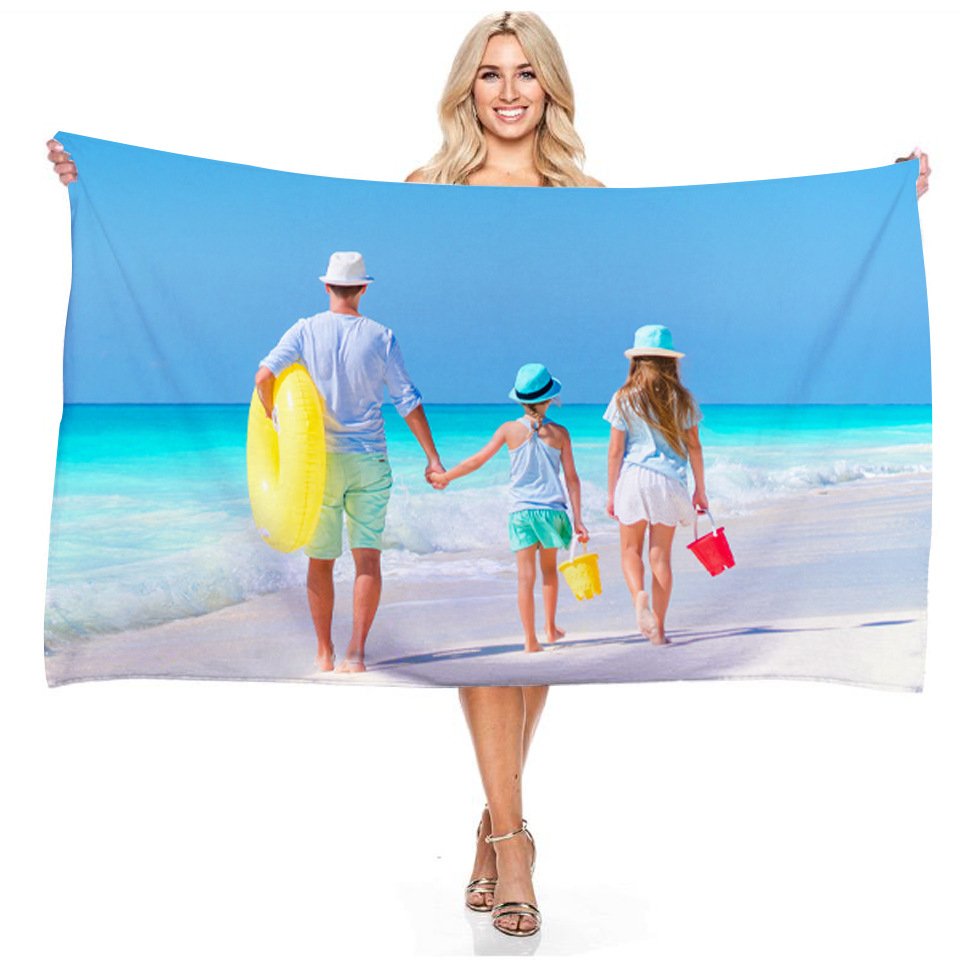
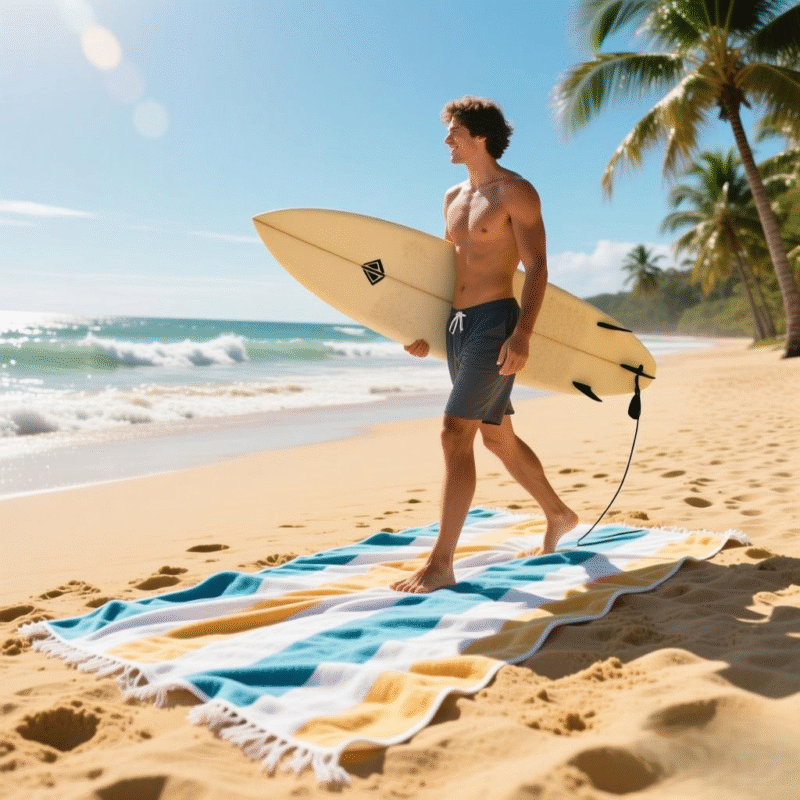
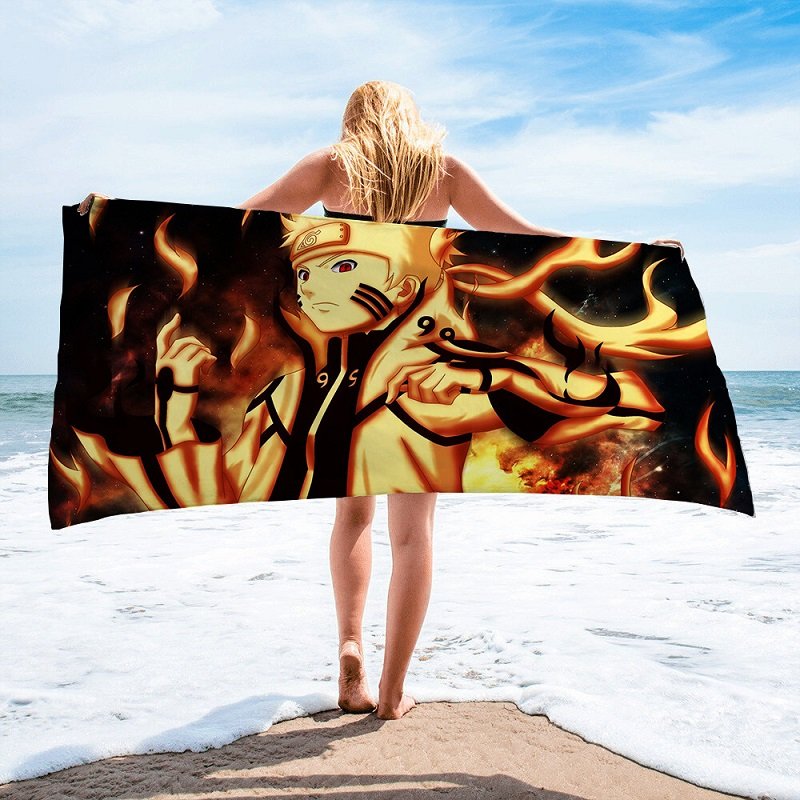
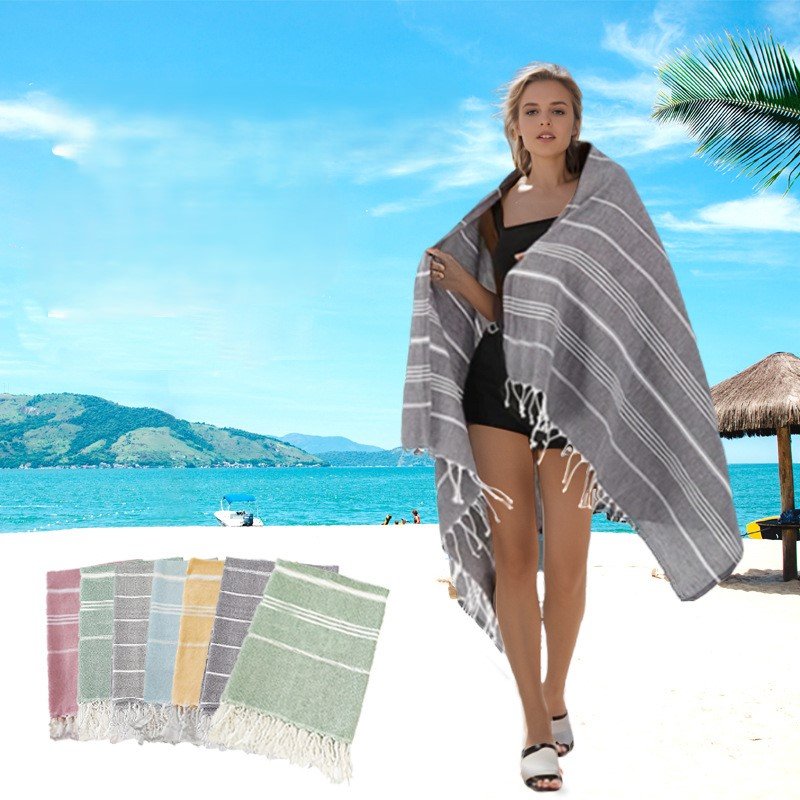
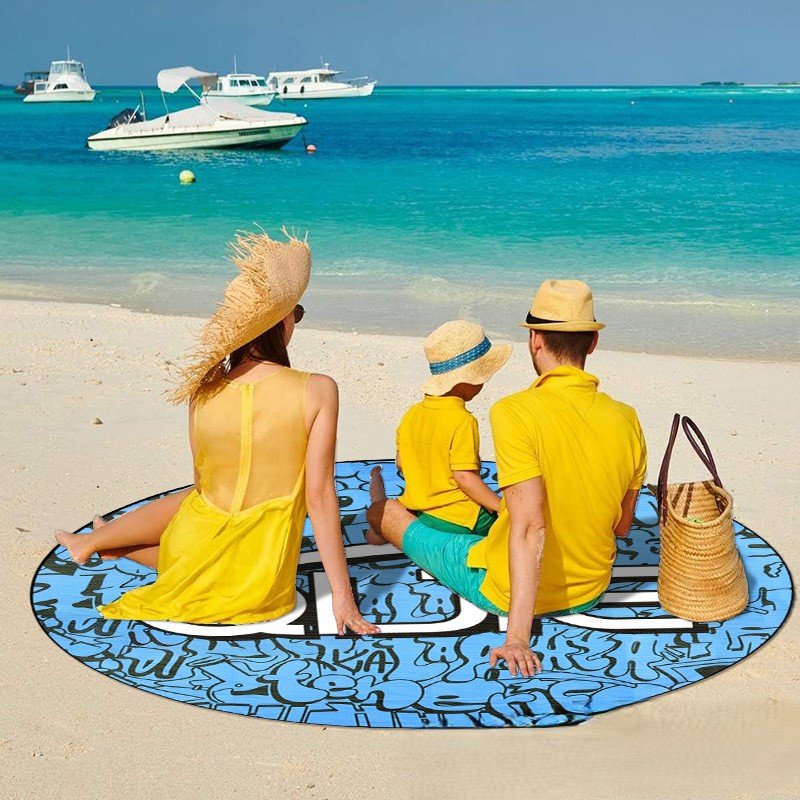
Beach Towel Care Tips for Retailers and Bulk Buyers
If you are a retailer or wholesale buyer, beach towel care is not just a customer issue. It is also a business strategy. Furthermore, how you handle care communication directly affects your return rates, reviews, and repeat orders.
At Favor Houseware Co., Ltd., we have worked with retailers and distributors worldwide for over 15 years. Therefore, we know exactly what helps businesses reduce complaints and build loyal customers.
What Care Instructions Should You Print on Labels?
A clear, well-designed care label is one of the most valuable things you can add to a beach towel product. Moreover, it sets customer expectations before problems occur.
Every beach towel care label should include:
- 🌡️ Recommended wash temperature (e.g., 30°C / Cold–Warm)
- 🚫 Bleach: Do Not Bleach (for colored/printed towels)
- ⬛ Tumble Dry: Low Heat Only
- 🚫 Do Not Tumble Dry (for Turkish cotton and premium flatweave)
- 🪣 Do Not Soak for extended periods
- 💧 Rinse after beach use before washing
- 🧴 Do Not Use Fabric Softener (especially for microfiber)
Additionally, Favor Houseware offers custom care label printing as part of our OEM and private label services. This means your brand name, logo, and washing instructions go directly on the label — at no extra hassle to you. Our towels are certified by OEKO-TEX 100, BSCI, SGS, and FDA, so your customers can trust the product behind the label.
How to Store Bulk Beach Towels Before Shipping or Display
Bulk storage is different from home storage. However, the same core rule applies: keep towels dry and protected.
- Warehouse storage: Keep towels in a dry, climate-controlled environment. Humidity above 60% encourages mildew in bulk-packaged textiles.
- Original packaging: Leave towels in their polybags or boxes until display time. This protects against dust and moisture.
- Avoid floor storage: Keep pallets elevated. Floor-level storage increases moisture exposure risk.
- Rotate stock: Use older inventory first. Additionally, inspect stock periodically for any signs of moisture damage.
- Display folding: For in-store display, roll towels instead of folding them flat. This looks more premium — and prevents permanent crease lines that customers notice.
At Favor Houseware, we pack towels safely for international shipment from our factory in Yiwu, Zhejiang Province, China. Furthermore, we offer fast delivery options and MOQ starting from just 100 pieces per order.
How Care Labels Reduce Returns and Complaints
Returns hurt your bottom line. Moreover, most beach towel returns are caused by problems that clear care instructions could have prevented.
The most common return reasons include:
- Towel shrank after washing in hot water
- Colors faded after the first wash
- Towel feels rough or stiff
- Towel smells musty after storage
- Towel no longer absorbs water well
In almost every case, these issues come from incorrect care — not product defects. Therefore, a simple care card inside the packaging can prevent most of these complaints before they happen.
“Clear care communication is free customer service. When buyers know exactly how to care for their towel, they use it correctly — and they remember where they bought it.”
How to Extend the Life of Custom or Printed Beach Towels
Printed beach towels need extra attention. This is especially true for vibrant, full-color digital prints or reactive-dyed designs.
- Wash inside-out: Turn printed towels inside-out before washing. This protects the print surface from direct agitation.
- Cold water only: Heat is the fastest way to break down print dyes. Cold water preserves color significantly longer.
- Mild detergent: Avoid detergents with bleach agents or optical brighteners. These degrade color chemistry rapidly.
- No direct sunlight when drying: UV rays fade printed designs over time. Therefore, air dry in the shade for best results.
- Avoid rough surface contact: Don’t scrub printed areas against rough surfaces or washboard textures.
At Favor Houseware, we offer digital printing with no minimum order quantity (MOQ). Additionally, our custom beach towel manufacturing process uses premium inks and colorfast dyes designed to hold up through repeated washing.
Why Quick-Dry Towels Are the Easiest to Sell and Care For
Quick-dry beach towels — particularly microfiber and Turkish cotton styles — are among the fastest-growing product categories in beachwear retail. There are good reasons why.
First, they are much easier to care for than traditional heavy cotton. Second, they dry in a fraction of the time. Third, they pack down small for travel — which is a huge selling point for modern beach buyers.
For retailers, quick-dry towels also reduce customer complaints. Specifically, they resist mildew, dry overnight without a dryer, and maintain softness without special treatment.
✅ Why Retailers Love Quick-Dry Towels
- Fewer customer complaints about stiffness
- Lower return rates due to simpler care
- Great for travel, outdoor, and sport markets
- Easy-care messaging boosts conversions
- High perceived value at competitive price points
✅ Why Customers Love Quick-Dry Towels
- Dries in 1–2 hours after beach use
- Packs into a small bag easily
- Lightweight — less to carry
- No musty odor risk when stored
- Works great for gym, yoga, travel too
Explore our full range of quick-dry options, including surf poncho towels and surf changing robes — both excellent additions to any beach-focused retail or wholesale product line.
Frequently Asked Questions About Beach Towel Care
Conclusion: Great Beach Towel Care Starts With the Right Source
Proper beach towel care is simpler than most people think. Use cold or warm water. Skip the fabric softener. Always dry completely before storing. These three habits alone extend the life of any beach towel significantly.
For retailers and wholesale buyers, beach towel care is also a sales and service strategy. When your customers keep their towels longer, they trust your brand more. Moreover, clear care labels and packaging inserts reduce returns — which directly improves your margins.
The beach towel market is growing steadily. Furthermore, buyers are increasingly choosing quality, durability, and easy-care designs. Therefore, the retailers who educate their customers will consistently win repeat business over those who do not.
Whether you stock microfiber towels, Turkish hammam towels, or custom-printed designs, the care principles in this guide apply to all of them. Share this guide with your customers. Add a care card to your packaging. And choose a manufacturer who stands behind the quality of every towel they produce.
🏖️ Ready to Source Premium Beach Towels?
Favor Houseware Co., Ltd. is a certified China beach towel manufacturer with 15+ years of experience. We supply retailers and wholesale buyers worldwide with custom-made, high-quality beach towels — starting from just 100 pieces MOQ.
Questions? Visit our blog for more sourcing guides, or learn more about Favor Houseware. We ship worldwide from Yiwu, Zhejiang Province, China.
Views: 2