| Material | Best Feature | Ideal For | Drawback |
|---|---|---|---|
| Cotton | Very absorbent, soft luxury feel | Resorts, comfort lovers | Slower drying, heavier when wet |
| Microfiber | Quick-drying, lightweight, compact | Travelers, athletes, gym users | Less plush than cotton |
| Turkish Cotton | Soft, absorbent, premium quality | Luxury market, high-end hotels | Higher price point |
Best Beach Towels 2026: Expert Reviews & Buying Guide
Summer is calling, and whether you’re planning a tropical getaway or just heading to your local beach, having the right beach towel makes all the difference. Moreover, with so many options available today, choosing the best beach towel can feel overwhelming. In fact, the global beach towel market has grown significantly, reaching approximately USD 4.2 billion in 2025. Therefore, this comprehensive guide will walk you through everything you need to know about selecting top-rated beach towels in 2026.
As a leading beach towel manufacturer, we understand what separates exceptional towels from ordinary ones. Consequently, we’ll share insider knowledge to help you make the smartest choice for your beach adventures.
How to Choose a Good Beach Towel (6 Essential Factors)
Before diving into specific products, it’s important to understand what makes a beach towel truly excellent. Furthermore, knowing these six key factors will help you identify quality towels instantly:
1. Size Considerations: First and foremost, your towel should be large enough to lie on comfortably. Most importantly, it needs to cover your entire body without touching the sand. In addition, larger sizes work better for families and provide extra coverage.
2. Material Type: Similarly, the fabric determines how your towel performs. For instance, cotton offers classic comfort, while microfiber provides modern convenience. Also, different materials suit different activities and preferences.
3. GSM/Weight: Next, the towel’s weight affects both absorbency and portability. Generally speaking, heavier towels feel more luxurious, but lighter ones dry faster. Therefore, balance is key when selecting GSM.
4. Sand-Resistance: Additionally, nobody enjoys bringing half the beach home in their towel. As a result, sand-resistant designs have become increasingly popular. These specially woven fabrics shake sand off easily.
5. Drying Speed: Moreover, quick-drying towels prevent mildew and musty odors. Particularly for travelers, this feature saves time and keeps luggage fresh. Microfiber excels in this category.
6. Durability Features: Finally, quality construction ensures your investment lasts multiple seasons. Look for double-stitched hems, colorfast dyes, and reinforced edges. Premium manufacturing makes a noticeable difference.
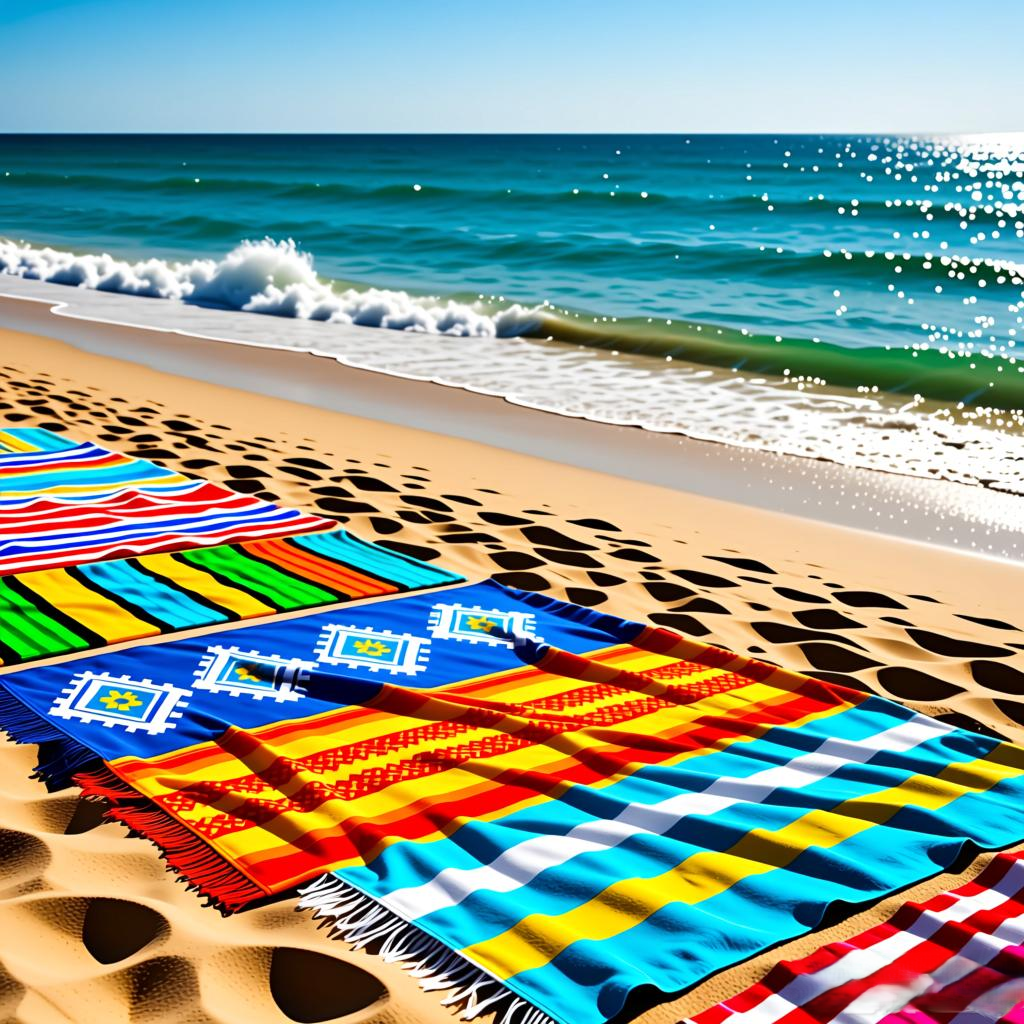
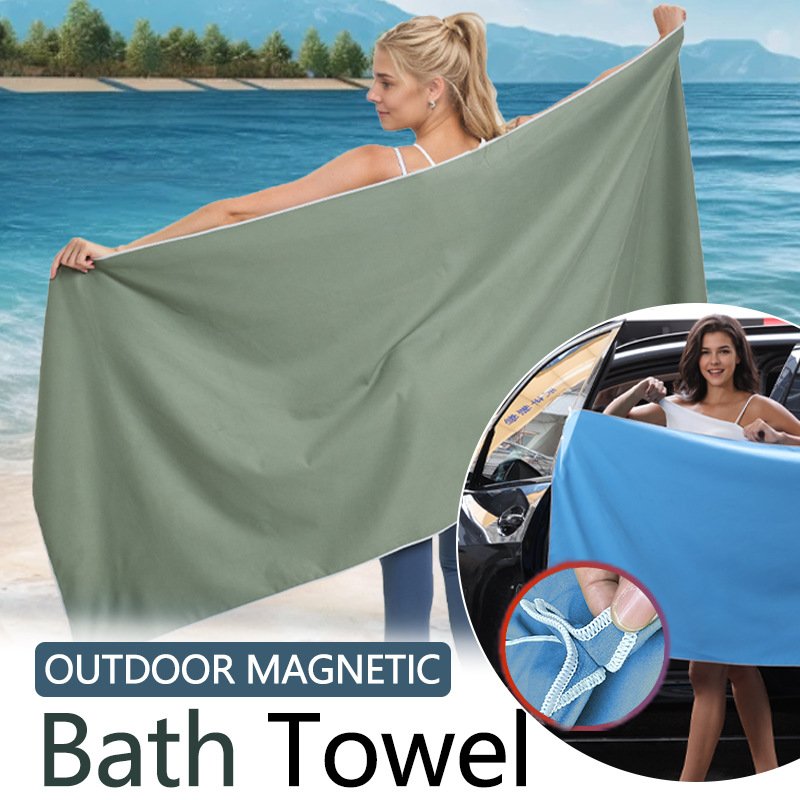
Beach Towel Size Guide: How Big Should It Be?
Choosing the right size is crucial for comfort and functionality. Specifically, beach towels come in several standard dimensions to suit different needs. However, understanding these options helps you select the perfect fit.
| Type | Typical Size (approx.) | Best For |
|---|---|---|
| Standard Beach | 30-32 in x 60 in | Everyday beach users, solo sunbathers |
| Oversized Beach | 34-40 in x 70 in | Resorts, taller users, couples, families |
| Travel/Microfiber | 28-32 in x 60-70 in | Backpackers, gym-goers, compact packing |
Most top-rated beach towels measure around 30-34 inches wide and 60-70 inches long. Notably, this provides full body coverage whether you’re lying on sand or a lounger. In contrast, oversized options around 40 by 70 inches are especially popular for families and resort use. Subsequently, they offer more space and can double as beach blankets.
For travelers, compact microfiber towels fold into incredibly small sizes. Despite their portability, they still offer adequate coverage when unfolded. Therefore, they’re perfect for backpacking trips and gym bags.
Material Showdown: Cotton vs Microfiber vs Turkish Cotton
Understanding material differences is essential when shopping for beach towels. Each fabric type offers unique advantages and disadvantages. Let’s compare them in detail:
| Material | Main Advantage | Drawback | Best Use |
|---|---|---|---|
| Cotton | Very absorbent, soft, “luxury” feel | Slower drying, heavier when wet | Resort pools, home use, comfort priority |
| Microfiber | Quick-drying, lightweight, compact | Feel is less “plush” than cotton | Travel, sports, active lifestyles |
| Turkish Cotton | Soft, absorbent, premium image | Often higher price point | Luxury hotels, spa settings, gifts |
Cotton Beach Towels: Traditional cotton towels remain popular because they feel incredibly soft against skin. Furthermore, they absorb water thoroughly, making them ideal after swimming. However, they take longer to dry and become heavier when wet. Many people prefer cotton for its classic, plush texture.
Microfiber Beach Towels: On the other hand, microfiber options offer superior moisture-wicking properties. In addition, they dry remarkably fast and pack into compact sizes. Consequently, they’re perfect for travelers and athletes. The smooth surface also helps sand shake off easily.
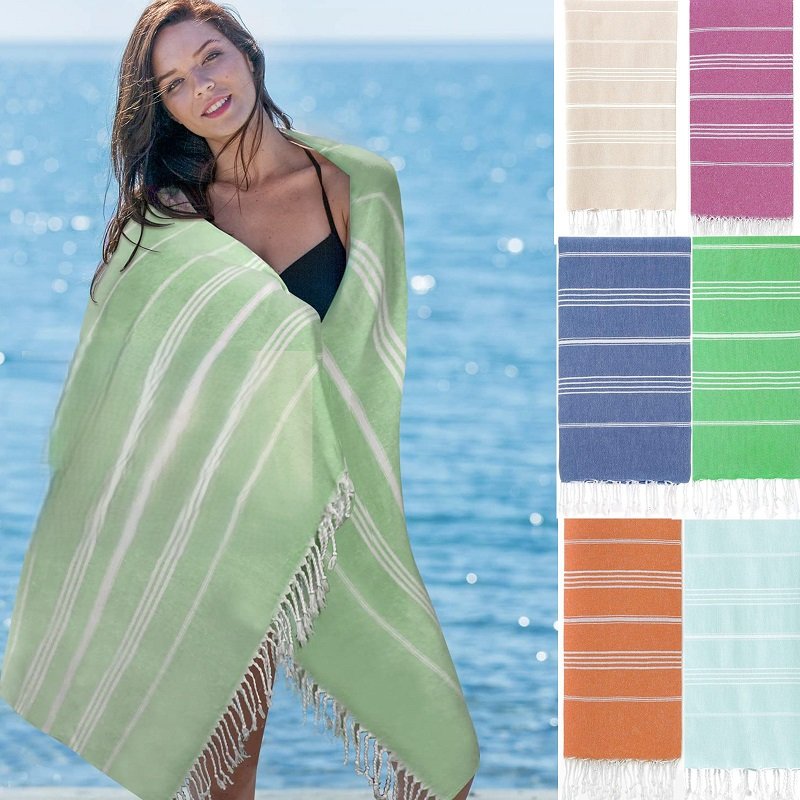
Turkish Cotton Towels: Similarly, Turkish hammam towels combine the best of both worlds. Made from long-staple cotton, they provide exceptional softness and absorbency. Moreover, they dry relatively quickly compared to regular cotton. Nevertheless, premium quality often comes with a higher price.
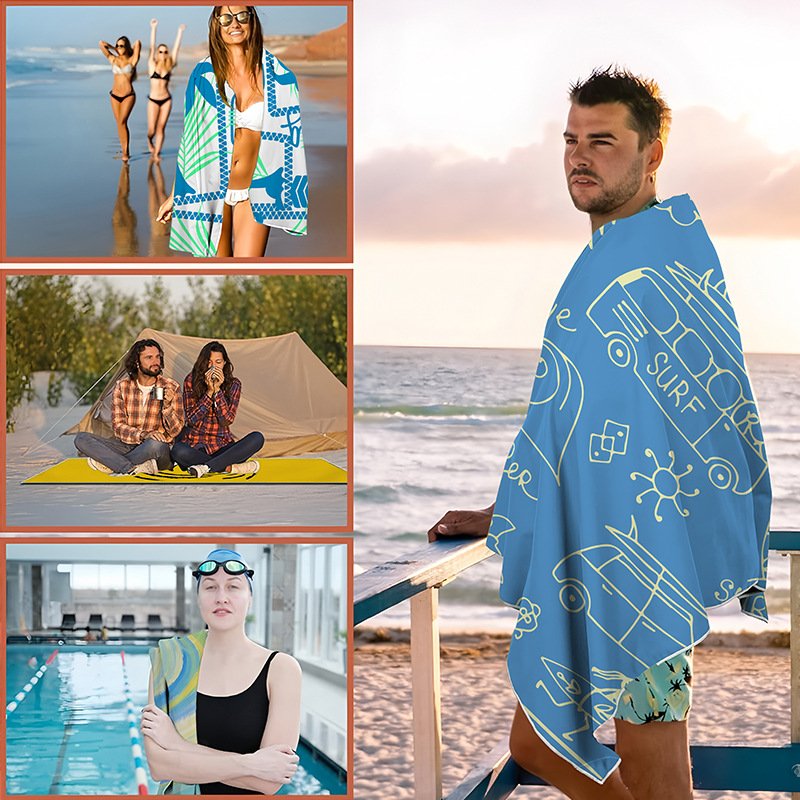
GSM and Thickness: Understanding Towel Weight
GSM stands for “grams per square meter” and measures towel density. Essentially, this number tells you how thick and heavy your towel will be. Understanding GSM helps you choose the right weight for your needs.
What GSM Means in Simple Terms: Think of GSM like the thickness of a blanket. Higher numbers mean thicker, heavier towels with more fabric. Lower numbers indicate lighter, thinner towels. Neither is automatically better—it depends on what you need.
| GSM Range | Weight Class | Characteristics | Best For |
|---|---|---|---|
| 300-400 GSM | Lightweight | Fast-drying, easy to pack, less plush | Travel, humid climates, quick trips |
| 400-500 GSM | Mid-weight | Balanced absorbency and drying time | Most beach users, everyday use |
| 500-600+ GSM | Heavyweight | Very plush, highly absorbent, slower drying | Luxury resorts, spa settings, home pools |
300-400 GSM Towels: These lightweight options work wonderfully for travel and warm climates. Since they contain less fabric, they dry incredibly fast. Additionally, they fold into smaller spaces in your luggage. However, they feel thinner and less luxurious than heavier options.
400-500 GSM Towels: This mid-range weight offers the best balance for most people. Specifically, these towels provide good absorbency without excessive bulk. They dry at a reasonable pace and feel comfortable. Consequently, this range suits everyday beach activities perfectly.
500-600+ GSM Towels: Premium heavyweight towels feel wonderfully thick and plush. They absorb tremendous amounts of water and create a luxurious spa-like experience. Nevertheless, they take longer to dry and weigh more when wet. Hotels and resorts often choose this weight range.
As a professional beach towel manufacturer, we produce all GSM ranges to meet different market needs. Therefore, whether you need lightweight travel towels or luxury resort options, proper GSM selection ensures customer satisfaction.
Sand-Free and Quick-Dry Technologies
Modern beach towels incorporate innovative features that solve common beach problems. Most notably, sand-resistant and quick-dry technologies have revolutionized the beach towel experience. Let’s explore how these work:
How Sand-Resistant Weaves Work: Traditional terry cloth towels trap sand in their loops. In contrast, tightly woven fabrics and smooth microfiber surfaces prevent sand from sticking. Specifically, low-pile weaves create a barrier that sand can’t penetrate easily. As a result, most sand simply falls off when you shake the towel.
Quick-Dry Fabric Science Made Simple: Quick-dry towels use special fibers that don’t hold moisture. Unlike cotton, which absorbs water into its fibers, microfiber wicks moisture to the surface. Then, increased air exposure helps water evaporate rapidly. Consequently, these towels can dry in less than half the time of regular cotton.
Real-World Testing Insights: Based on our manufacturing experience, truly sand-resistant towels combine tight weaving with smooth surfaces. Furthermore, quality quick-dry towels should feel mostly dry within 1-2 hours in sunny conditions. Therefore, testing these features before bulk purchasing ensures you get authentic performance.
Our microfiber towel collection specifically focuses on these technologies. Additionally, we use low-pile microfiber and jacquard weaving techniques for optimal sand resistance. This expertise comes from years of producing towels for international markets.
Which Beach Towels Dry the Fastest?
Drying speed matters tremendously, especially for frequent beachgoers and travelers. Nobody wants to pack wet, smelly towels. Here’s what you need to know about fast-drying options:
Microfiber vs Cotton Drying Times: Generally, microfiber towels dry 3-5 times faster than cotton equivalents. For example, a microfiber towel might dry completely in 1-2 hours outdoors. Meanwhile, a cotton towel could take 4-8 hours in the same conditions. This significant difference makes microfiber ideal for multi-day trips.
Lightweight GSM Advantage: Moreover, lower GSM towels contain less fabric to dry. A 300 GSM towel naturally dries faster than a 600 GSM option, regardless of material. Therefore, combining microfiber with lower GSM creates the fastest-drying beach towels available.
Best for Humid Climates: If you’re visiting tropical or humid destinations, quick-dry towels become essential. High humidity slows evaporation dramatically. Consequently, regular cotton towels may stay damp for days. In contrast, quality microfiber towels still dry relatively quickly even in humid conditions.
For ultimate convenience, consider our surf poncho towels, which combine quick-dry microfiber with practical changing room functionality. Similarly, our surf change robes offer fast-drying performance for active water sports enthusiasts.

Eco-Friendly Beach Towels: Are They Better?
Sustainability has become a major factor in purchasing decisions. In fact, environmentally conscious consumers actively seek eco-friendly beach towel options. Therefore, understanding sustainable choices helps you make responsible decisions.
Organic Cotton and Recycled Materials: Organic cotton towels avoid harmful pesticides and use less water during farming. Additionally, recycled beach towels transform post-consumer plastics into functional textiles. Consequently, these options reduce environmental impact significantly.
Sustainability Certifications to Look For: Reputable eco-friendly towels often carry certifications like OEKO-TEX or GOTS (Global Organic Textile Standard). These verify that products meet strict environmental and safety standards. Furthermore, certified towels ensure no harmful chemicals touch your skin.
Market Demand for Green Products: According to recent research, consumers increasingly prioritize sustainable products. Hotels and resorts particularly seek eco-friendly options to meet guest expectations. Therefore, manufacturers who offer sustainable lines gain competitive advantages.
Our manufacturing facility incorporates low-impact dyeing processes and offers recycled yarn programs. Moreover, we work with clients to develop custom eco-friendly beach towel lines. Visit our recycled towel page to explore sustainable options.
2026 Beach Towel Market Trends & Statistics
Understanding market trends helps predict future innovations and identify smart purchasing decisions. The beach towel industry continues growing steadily worldwide. Here are the key numbers:
| Metric | Value | Source/Context |
|---|---|---|
| Global Market Size 2025 | ~USD 4.2 billion | Projected to reach USD 7.9 billion by 2035 |
| Annual Growth Rate (CAGR) | ~6.2% | Consistent growth driven by tourism |
| International Tourist Arrivals 2023 | 1.4+ billion | Boosts demand for beach products |
| Fastest Growing Region | Asia-Pacific | Rising incomes, coastal tourism expansion |
Tourism Impact on Demand: Global tourism recovery has significantly boosted beach towel sales. Specifically, international arrivals exceeded 1.4 billion in 2023, according to UN World Tourism Organization data. Consequently, hotels, resorts, and retail markets all see increased demand for quality beach textiles.
Asia-Pacific Growth Trends: The Asia-Pacific region, including manufacturing hubs in China, shows the fastest growth rates. Rising disposable incomes and expanding coastal tourism drive this trend. Furthermore, manufacturers in this region supply both domestic and export markets efficiently.
China’s position as a leading textile producer gives manufacturers like us strategic advantages. Our location enables competitive pricing while maintaining quality standards. Learn more about our capabilities on our about page.
Best Beach Towels for Different Users
Different people have different needs when it comes to beach towels. Matching the right towel to specific use cases ensures maximum satisfaction. Let’s explore recommendations for various user groups:
For Families with Kids: Families need durable towels that withstand rough use and frequent washing. Specifically, mid-weight cotton towels (400-500 GSM) work wonderfully for children. Additionally, bright prints and fun designs make beach time more exciting. Look for double-stitched hems that survive active kids. Furthermore, larger sizes accommodate growing children and family beach blanket needs.
For Travelers & Backpackers: Travelers prioritize lightweight, compact options that dry quickly. Therefore, microfiber towels between 300-400 GSM are ideal choices. They fold incredibly small and dry overnight even in humid conditions. Moreover, sand-resistant surfaces keep backpacks cleaner. Our travel microfiber collection specifically addresses these needs.
For Hotels & Resorts: Hospitality buyers need premium-feel towels that maintain quality through commercial laundering. Consequently, higher GSM cotton (500-600+) or Turkish cotton works best. Additionally, white or light colors with subtle branding look professional. Bleach-resistant dyes and reinforced edges extend lifespan despite heavy use. Resort pools and beach clubs especially appreciate oversized dimensions.
For Athletes & Gym Users: Active individuals benefit from quick-dry microfiber that prevents odors and mildew. These towels transition seamlessly from beach to gym to yoga studio. Furthermore, compact size makes them easy to carry in gym bags. The moisture-wicking properties keep users comfortable during workouts.
Beyond beach towels, we also manufacture related products like kitchen towels and aprons using similar quality standards. Therefore, businesses can source multiple textile needs from one reliable manufacturer.
Beach Towel Questions Answered
People frequently search for specific answers when shopping for beach towels. Below, we address the most common questions with clear, helpful information:
What is the best material for beach towels: cotton or microfiber?
For pure comfort and a traditional feel, high-quality cotton beach towels remain excellent choices. They feel incredibly soft and absorb water thoroughly, which many users prefer after swimming. However, for travel and performance, microfiber beach towels offer superior advantages. They’re lighter, pack smaller, and dry much faster than cotton. Consequently, they’re ideal for frequent travelers and active beachgoers.
The best approach often involves having both types. Use plush cotton towels for resort relaxation and comfortable home beach days. Meanwhile, keep compact microfiber options for backpacking trips and gym visits. As a manufacturer, we find that retailers offering both materials serve the widest customer base successfully.
What is the difference between a beach towel and a bath towel?
Beach towels are usually longer and sometimes wider than bath towels. This extra size allows them to function as both a mat on sand and a body wrap. Typically, beach towels measure 30-40 inches wide by 60-70 inches long. In contrast, bath towels usually measure about 27 inches by 52 inches.
Additionally, beach towels often feature brighter prints and patterns suitable for outdoor use. They may have tighter or lower pile weaves to help them dry faster outdoors. Furthermore, sand-shedding properties matter more for beach towels. Bath towels, meanwhile, prioritize maximum thickness and softness for indoor bathroom comfort.
Are microfiber beach towels worth it?
Microfiber beach towels offer excellent value for specific situations. They’re particularly attractive for people who prioritize quick drying and portability. The fabric dries significantly faster than cotton—often 3-5 times quicker. Moreover, microfiber folds into remarkably compact sizes for easy packing.
Many tests also show that microfiber’s smooth surface holds less sand than traditional terry cloth. Therefore, sand shakes off more easily when leaving the beach. However, microfiber doesn’t feel as thick and plush as heavy cotton towels. Some users still prefer cotton’s traditional luxurious texture for relaxation. Nevertheless, for travel, sports, and active lifestyles, microfiber towels are definitely worth considering.
Are sand-free beach towels really sand-free?
While no towel can be completely 100% sand-free in all conditions, specially designed options perform dramatically better. Many “sand-free” towels use tightly woven or smooth microfiber surfaces. These make it much harder for sand to stick between fibers. Consequently, most sand falls off easily when you shake the towel.
Traditional thick terry towels trap sand in their loops and pile. In contrast, low-pile microfiber and tight weaves create barriers that sand can’t penetrate easily. However, in extremely windy conditions, some sand may still land on any towel surface. Nevertheless, quality sand-resistant designs collect far less sand than regular towels—usually 80-90% less in practical testing.
How long should a beach towel last?
With proper care, a quality beach towel should maintain its softness and color for multiple seasons. Hospitality properties typically expect 1-2 years of daily commercial use before replacement. Meanwhile, home users often get 3-5 years or more from well-made beach towels.
Longevity depends heavily on manufacturing quality and care practices. Premium materials, strong edge stitching, and colorfast dyes significantly extend lifespan. Furthermore, proper washing (rinsing out salt and chlorine, using gentle cycles, avoiding harsh chemicals) preserves towels longer. Heavy users and commercial properties may replace towels more frequently. However, investing in quality construction pays off through extended usable life.
How to Care for Your Beach Towels (Extend Life & Color)
Proper care dramatically extends your beach towel’s lifespan and maintains its appearance. Following these simple practices keeps towels looking and feeling new longer:
Pre-Wash Tips: Always wash new towels before first use. This removes manufacturing residues and sets the colors. Additionally, washing eliminates any loose fibers and maximizes absorbency. Use cold or warm water for the initial wash to prevent color bleeding.
Washing Best Practices: Rinse out salt, sunscreen, and chlorine as soon as possible after beach use. These substances damage fibers and fade colors over time. Furthermore, wash towels in warm (not hot) water with mild detergent. Avoid using fabric softeners—they coat fibers and reduce absorbency significantly.
Drying Recommendations: Tumble dry on low to medium heat, or air dry in sunlight when possible. High heat can damage fibers and cause shrinkage. Moreover, over-drying makes towels stiff and rough. Remove towels from the dryer while slightly damp for best softness. Shake out sand and debris before washing to protect your washing machine.
What to Avoid: Never use bleach on colored towels—it destroys dyes and weakens fibers. Also, avoid overloading your washing machine, which prevents thorough cleaning. Don’t leave wet towels bunched up in bags, as this causes mildew and odors. Finally, store completely dry towels in a ventilated area to prevent mustiness.
These care practices work for all our products, including kitchen towels and other textile items. Proper maintenance protects your investment and ensures consistent performance.
Why Quality Manufacturing Matters
Understanding manufacturing quality helps you identify truly superior beach towels. As an experienced manufacturer, we know exactly what separates premium products from budget alternatives. Here’s insider knowledge to guide your choices:
What Separates Premium from Budget Towels: Premium towels use longer-staple fibers that feel softer and last longer. Additionally, they feature double-stitched hems that won’t unravel after repeated washing. Quality towels also use reactive dyes that bond chemically with fibers, preventing fading. In contrast, budget towels often use shorter fibers, single-stitch edges, and surface dyes that wash away quickly.
Production Standards to Look For: Reputable manufacturers maintain consistent GSM tolerances and quality control throughout production. Furthermore, they test colorfastness, absorbency, and durability before shipping. Look for manufacturers with international certifications and export experience. These indicators suggest reliable quality standards.
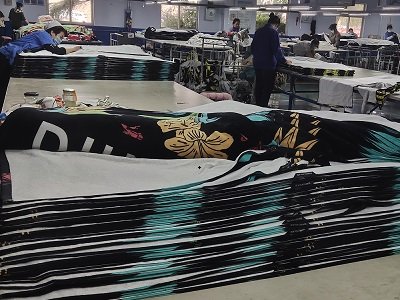
Favor Houseware Manufacturing Expertise: At Favor Houseware, we combine advanced manufacturing technology with strict quality control. Our facility produces beach towels for international markets, meeting diverse requirements from budget-friendly to luxury segments. Moreover, we offer OEM/ODM services with customization options including jacquard logos, digital printing, and custom sizes.
Whether you need low minimum order quantities for small businesses or bulk production for large hospitality chains, our flexible manufacturing capabilities serve various client needs. Additionally, our global shipping experience ensures timely delivery worldwide. Visit our beach towel manufacturer page to explore our full capabilities and product range.
We also maintain industry expertise through continuous research and development. Our team stays current with market trends, consumer preferences, and innovative textile technologies. Therefore, we can guide clients toward products that will succeed in their target markets.
Conclusion: Finding Your Perfect Beach Towel in 2026
Choosing the best beach towel ultimately depends on your specific needs and preferences. Remember these key takeaways when making your decision:
First, consider how you’ll primarily use the towel. Travelers and athletes benefit most from quick-dry microfiber options. Meanwhile, resort-goers and comfort-seekers often prefer plush cotton towels. Additionally, families need durable, larger sizes that withstand active use.
Second, pay attention to size and weight specifications. Standard 30×60 inch towels work for most people, while oversized 40×70 inch options suit couples and families better. Similarly, GSM between 300-600 provides options from lightweight travel to luxury resort thickness.
Third, don’t overlook quality manufacturing details. Double-stitched hems, colorfast dyes, and proper GSM consistency ensure your towel lasts multiple seasons. Furthermore, these features prevent disappointing performance and premature replacement costs.
The beach towel market in 2026 offers more choices than ever before. From eco-friendly recycled materials to high-tech sand-resistant weaves, innovations continue improving the beach experience. Therefore, taking time to understand your priorities leads to much greater satisfaction with your purchase.
Ready to Source Premium Beach Towels?
Whether you’re a retailer, hotel chain, or individual buyer, Favor Houseware provides quality beach towels tailored to your needs. Our manufacturing expertise spans cotton, microfiber, Turkish cotton, and eco-friendly options across all GSM ranges.
We offer:
- Custom OEM/ODM manufacturing services
- Flexible MOQ for businesses of all sizes
- Logo customization and unique designs
- Global shipping with reliable timelines
- Quality certifications and testing
Or explore our blog for more textile industry insights and product guides.
Looking for other quality textile products? Check out our disposable microfiber cleaning cloths for commercial and household cleaning needs.
Views: 11