💡 Pro Tip: If your microfiber towels start streaking or repelling water instead of absorbing it, they likely have softener buildup. Try washing them 2-3 times with white vinegar (1 cup in the rinse cycle) to strip away the coating.
How Often to Replace Microfiber Towels Used With Chemicals
Even with perfect care, all microfiber towels eventually wear out. However, the lifespan varies dramatically based on how you use and maintain them. Understanding when to replace your towels ensures you’re always cleaning effectively and safely.
Expected Lifespan Under Different Conditions
With proper care and safe use of microfiber towels, quality cloths can last through:
- 100-300 wash cycles for standard cleaning applications – When used primarily with water or mild cleaners and washed correctly, good microfiber maintains effectiveness for hundreds of uses.
- 300-500+ wash cycles for premium professional-grade microfiber – High-quality professional microfiber towels from reputable manufacturers last significantly longer thanks to superior fiber quality and construction.
- 50 wash cycles or less with harsh chemicals and improper care – Conversely, frequent exposure to bleach, fabric softeners, or high heat dramatically shortens towel life.
Signs It’s Time to Replace Your Microfiber Towels
Watch for these indicators that your microfiber towels are no longer performing optimally:
- Water repellency instead of absorbency – If water beads up on the surface rather than soaking in, the fibers are likely coated or damaged beyond repair.
- Visible fraying or fabric pilling – Worn edges and fiber balls on the surface indicate structural breakdown of the material.
- Streaking during cleaning – When towels leave streaks on glass or smooth surfaces, they’ve lost their fine cleaning ability.
- Lingering odors even after washing – Persistent smells suggest bacteria are hiding deep in damaged fibers or coating buildup.
- Stiffness or loss of flexibility – Chemical damage often makes microfiber feel stiff and scratchy instead of soft and pliable.
- Reduced dirt pickup – If you notice you’re having to clean surfaces multiple times or use more pressure, the fibers are worn out.
Moreover, tracking the replacement schedule for your microfiber helps optimize your cleaning budget. For professional operations, implementing a rotation system ensures consistent cleaning quality. Many facilities color-code towels not only by use area but also by age, retiring the oldest batch regularly.
Environmental Impact: Microfiber Fibers, Chemicals, and Wastewater
While microfiber towels reduce chemical use significantly, they do present environmental challenges that responsible users should understand. Specifically, the issue of microfiber pollution has gained increasing attention from environmental scientists and regulators.
The Microfiber Pollution Problem
Whenever you wash synthetic textiles—including microfiber towels—tiny fibers break off and enter the wastewater system. Research reveals some concerning statistics:
| Environmental Impact Factor | Measurement / Finding |
|---|---|
| Microfibers released per wash | Up to 700,000 fibers per domestic wash load |
| Global microfiber release annually | Approximately 500,000 tonnes entering oceans yearly |
| Indoor dust composition | Microfibers account for ~88% of microplastics in some indoor dust samples |
| Wastewater treatment capture | Standard treatment plants capture 65-92% of microfibers (remainder enters waterways) |
| Filter retention capability | Washing machine filters with 150-200 µm mesh retain up to ~87% of microfibers |
These microfibers pose several environmental concerns. First, they act as tiny plastic particles in aquatic ecosystems. Additionally, microfibers can adsorb and transport environmental pollutants and chemicals. Furthermore, marine life can ingest these particles, potentially entering the food chain.
How Chemicals Complicate the Environmental Picture
When you use microfiber towels with chemicals, the fibers can absorb and carry those substances into wastewater during laundering. Therefore, the combination of microfiber shedding plus chemical residues creates a compounded environmental concern.
According to research from Nature’s microplastics research, synthetic microfibers not only pollute as plastic particles but also serve as vectors for other contaminants including cleaning chemicals, heavy metals, and persistent organic pollutants.
Responsible Practices to Minimize Environmental Impact
Fortunately, you can take several practical steps to reduce microfiber pollution while still benefiting from these effective cleaning tools:
- Install a washing machine filter – Aftermarket filters or filter bags capture microfibers before they enter wastewater. Studies show these devices can retain up to 87% of shed fibers.
- Wash full loads less frequently – Washing machines with full loads and slower spin cycles release fewer microfibers per item than frequent small loads or aggressive washing.
- Choose high-quality, durable microfiber – Premium microfiber towels shed fewer fibers and last longer, reducing overall environmental impact over their lifetime.
- Use appropriate water temperature and gentle cycles – Excessive heat and agitation increase fiber shedding. Proper washing following microfiber cleaning tips reduces fiber loss.
- Minimize chemical use – Using microfiber’s mechanical cleaning power with water alone reduces the chemical load on fibers that could later be transported into waterways.
- Properly dispose of worn towels – Rather than continuing to use severely degraded towels that shed heavily, retire them responsibly. Some recycling programs now accept synthetic textiles.
Sustainable microfiber manufacturing practices

Quality assurance ensures longer-lasting, less-polluting products
“Balancing the environmental benefits of reduced chemical use against the challenge of microfiber pollution requires conscious choices in purchasing, using, and laundering microfiber products.”
Best Practices for Professional Users
Professional cleaners in healthcare, janitorial services, and auto detailing rely heavily on microfiber technology. Therefore, these industries have developed sophisticated protocols for safe use of microfiber towels that maximize cleaning effectiveness while protecting both workers and clients.
Color-Coding Systems for Cross-Contamination Prevention
Most professional operations implement color-coded microfiber systems to prevent cross-contamination between different cleaning zones. For example:
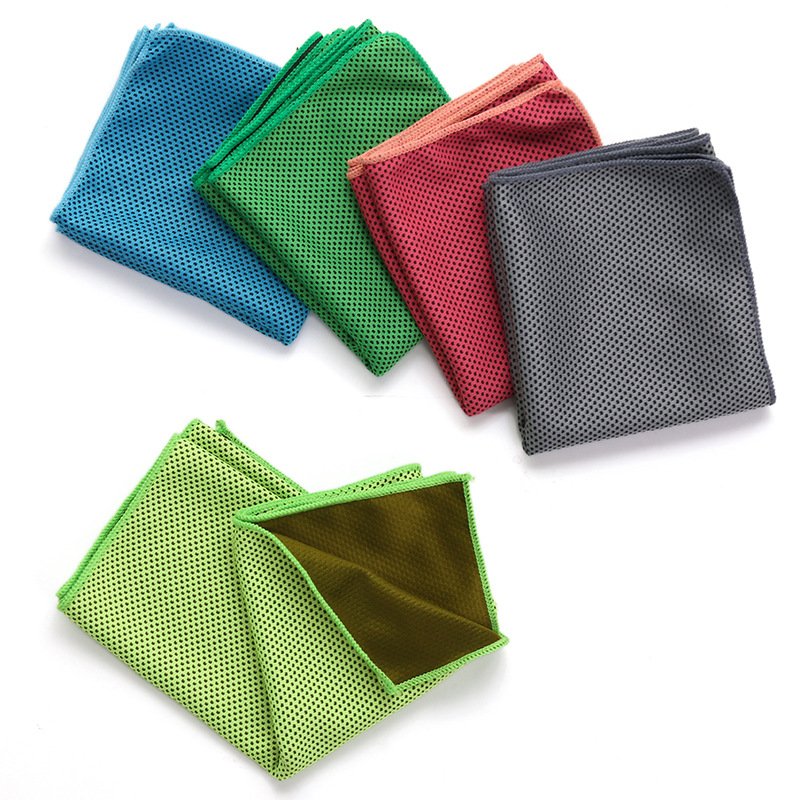
- Red microfiber towels – Restrooms and high-risk sanitation areas only
- Yellow cloths – General sanitation and isolation rooms (healthcare)
- Green microfiber – Food preparation areas and dining spaces
- Blue towels – Low-risk general areas, offices, and corridors
This system ensures that towels used in bathrooms never accidentally clean food surfaces or patient care areas. Additionally, color-coding makes training and compliance monitoring much simpler.
Industry-Specific Microfiber Cleaning Tips
Healthcare and Medical Facilities
Hospitals and clinics face unique challenges when using microfiber towels with chemicals for disinfection. Key considerations include:
- Use only validated microfiber-disinfectant combinations approved for healthcare
- Follow strict laundering protocols, often requiring commercial laundry services with thermal disinfection
- Replace towels more frequently due to intensive use and stringent hygiene requirements
- Maintain detailed records of cleaning protocols and product compatibility
- Train staff on proper folding techniques (quarter-fold method) to maximize clean surface area per towel
According to guidelines from the CDC’s infection control division, proper microfiber systems in healthcare settings effectively reduce healthcare-associated infections when combined with appropriate disinfection protocols.
Janitorial and Commercial Cleaning
Building service contractors and custodial teams benefit tremendously from microfiber technology. Professional janitorial operations should:
- Implement comprehensive training programs covering chemical compatibility and proper techniques
- Establish regular replacement schedules based on usage frequency and inspection results
- Use dispensing systems that ensure each cleaner starts shifts with fresh, properly laundered towels
- Monitor cost savings from reduced chemical purchases to justify investment in quality microfiber
- Consider on-site laundry facilities or reliable commercial laundry partnerships for consistent towel quality
Automotive Detailing
Auto detailers rely on specialty microfiber products for different surfaces and tasks. Professional detailing operations typically:
- Use specific towel grades for different purposes (heavy cutting compounds vs. final polishing)
- Wash towels immediately after use to prevent compound and wax buildup
- Avoid using the same towels for exterior and interior work to prevent cross-contamination
- Invest in premium microfiber to prevent scratching on high-end vehicle finishes
- Educate clients about the superior results and paint protection microfiber provides compared to traditional cloths
Many professional detailers also offer other specialized cleaning products, similar to how Favor Houseware provides various kitchen towels and beach towels for different applications.
Buying Guide: What Professional Users Should Look for in Chemical-Resistant Microfiber Towels
Not all microfiber towels are created equal. In fact, quality varies dramatically between products, which directly affects both cleaning performance and chemical resistance. When selecting microfiber for professional or home use, consider these critical factors:
Key Quality Indicators
1. GSM (Grams per Square Meter) Rating
The GSM measurement indicates towel density and quality. Generally speaking:
- 200-300 GSM – Lightweight, suitable for glass cleaning and light dusting
- 300-400 GSM – Medium weight, versatile for most general cleaning tasks
- 400-600 GSM – Heavy duty, ideal for absorbing liquids and tackling tough jobs
- 600+ GSM – Ultra-plush, typically used for drying vehicles or delicate polishing
For using microfiber towels with chemicals regularly, medium to heavy weight options (300-500 GSM) typically provide the best balance of durability and performance.
2. Fiber Blend Ratio
Most quality microfiber combines polyester and polyamide (nylon). The ratio affects performance characteristics:
- 80/20 polyester/polyamide – Most common blend; good balance of cleaning and absorption
- 70/30 or 75/25 blends – Higher polyamide content provides superior absorption and chemical resistance
- 90/10 or 100% polyester – Lower quality; less effective for wet cleaning or chemical use
3. Split Fiber Technology
Premium microfiber features properly split fibers that create the microscopic hooks and spaces essential for effective cleaning. Look for:
- Manufacturers that specify “split microfiber” or “true microfiber”
- Fiber diameter under 1 denier (finer fibers clean better)
- Information about the splitting process used during manufacturing
4. Edge Construction
How towel edges are finished affects durability when using chemicals:
- Overlock stitching – Most durable; prevents fraying and extends towel life
- Ultrasonic cutting – Scratch-free edges ideal for delicate surfaces but less durable
- Raw cut edges – Budget option; prone to fraying, especially with chemical exposure
5. Manufacturing Quality and Certifications
Reputable manufacturers provide better consistency and performance. Consider:
- ISO certifications for quality management systems
- Oeko-Tex Standard 100 certification (ensures product is free from harmful substances)
- Manufacturer reputation and customer reviews from professional users
- Clear care instructions and chemical compatibility information
- Warranty or satisfaction guarantees
As a trusted towel manufacturer, we understand that quality control during production significantly impacts how well microfiber performs with various chemicals throughout its lifespan.
Testing Before Bulk Purchase
Before committing to large orders, professional operations should:
- Order sample towels from multiple suppliers for side-by-side comparison
- Test samples with your specific chemicals and cleaning protocols
- Wash samples multiple times using your standard procedures
- Evaluate performance, durability, and any changes after washing
- Calculate true cost per use rather than just upfront price
✓ Quality Investment Tip: Premium microfiber costs 2-3 times more upfront but often lasts 5-10 times longer than budget options. Therefore, the cost per use is actually much lower with quality products, especially when using microfiber towels with chemicals regularly.
Frequently Asked Questions About Microfiber Towels and Chemicals
Are microfiber towels safe to use with cleaning chemicals?
Yes, microfiber towels are generally safe with most neutral or mildly alkaline household cleaners, glass cleaners, and disinfectants when used as directed. However, problems arise mainly with very high-pH products such as strong bleach solutions, which can damage the fibers and shorten towel life significantly.
What chemicals should you not use with microfiber towels?
Avoid routine use of concentrated bleach or other high-pH chemicals because they weaken and fray the fibers and reduce absorbency over time. Additionally, do not use fabric softeners, dryer sheets, or detergents containing them since they leave hydrophobic residues that stop microfiber from absorbing water and lifting dirt effectively.
Can you disinfect microfiber towels without damaging them?
Yes, microfiber towels can be disinfected using appropriate wash temperatures (up to 140°F/60°C), sufficient detergent, and if necessary, carefully controlled low-level bleach or approved disinfectants that are compatible with the fabric. Many professional users instead rely on hot water washing within the fiber’s temperature rating plus thorough drying to achieve hygiene while protecting towel structure.
Do microfiber towels need chemicals or can they clean with just water?
Microfiber can remove a large amount of dust, dirt, and some microbes using just water because the split fibers create a large surface area and mechanical scrubbing effect. In many environments, this reduces the volume and strength of chemical cleaners needed while still maintaining good hygiene standards.
How should you wash microfiber towels used with chemicals?
Wash microfiber separately from cotton and lint-producing fabrics using a liquid detergent with no softeners, fragrances, or optical brighteners. Use cold or warm water, avoid high heat in the dryer, run an extra rinse to remove chemical residues completely, and never use fabric softener or dryer sheets.
How long do microfiber towels last when used with chemicals?
With correct chemical use and proper washing (no softeners, limited high-pH exposure, controlled temperatures), quality microfiber towels can withstand dozens to hundreds of wash cycles before noticeable performance loss occurs. Frequent use of harsh chemicals and heat significantly reduces service life by degrading fibers and reducing absorbency.
Are microfiber towels bad for the environment because of chemicals?
The main environmental concern is not the towel itself but microfiber shedding during washing, which releases microplastics that can carry adsorbed chemicals into waterways. Using filters, washing full loads at lower speeds, and choosing durable long-life microfiber products are practical steps to reduce this impact.
Can microfiber towels be used with disinfectant sprays in hospitals or schools?
Microfiber is widely used in healthcare and education cleaning programs, but protocols must consider that some microfiber cloths can bind active ingredients in quaternary ammonium disinfectants and reduce their effectiveness. Many facilities use validated cloth-disinfectant combinations, color-coding systems, and specific laundering procedures to ensure both microbe removal and chemical efficacy.
Why shouldn’t you use fabric softener on microfiber towels?
Fabric softeners and dryer sheets deposit conditioning agents and waxes on fibers, filling the microscopic spaces that hold water and dirt. This makes towels feel slick, reduces absorbency dramatically, and stops them from trapping dust and oils effectively—essentially ruining their cleaning ability permanently.
Do microfiber towels release harmful chemicals themselves?
Most microfiber towels are made from stable synthetic polymers, but during production and use they can carry dyes, finishing agents, and absorbed environmental pollutants. When these microfibers enter air, dust, food, or water, they may transport additives and environmental toxins. This is why controlling shedding and improving filtration is important for responsible use.
Conclusion: Making Smart Choices for Safe and Effective Microfiber Use
Understanding how to properly use microfiber towels with chemicals transforms them from simple cleaning cloths into powerful, efficient tools that protect both your health and your budget. Throughout this guide, we’ve explored the critical relationship between microfiber materials and various cleaning chemicals.
To summarize the most important microfiber cleaning tips:
- Choose chemicals wisely – Stick with neutral pH cleaners and avoid bleach, fabric softeners, and high-alkalinity products that damage fibers
- Wash correctly – Use liquid detergent without additives, wash separately from lint-producing fabrics, and skip the fabric softener entirely
- Replace strategically – Monitor towel condition and replace them when performance declines rather than continuing to use worn-out cloths
- Consider environmental impact – Use washing machine filters and quality products to minimize microfiber pollution while reducing chemical consumption
The safe use of microfiber towels ultimately depends on understanding both the material’s strengths and its limitations. When you respect these parameters, microfiber delivers exceptional cleaning power while reducing your dependence on harsh chemicals significantly.
Ready to Experience Professional-Quality Microfiber?
At Favor Houseware, we specialize in manufacturing premium microfiber products that deliver professional results whether you’re cleaning at home or managing large-scale facility operations. Our microfiber towels are engineered specifically for chemical resistance, longevity, and superior cleaning performance.
As an experienced China towel manufacturer, we understand the precise specifications that make microfiber work effectively with various cleaning chemicals. Our quality control processes ensure every towel meets rigorous standards for:
- Proper fiber splitting and blend ratios
- Chemical-resistant construction that withstands hundreds of wash cycles
- Consistent performance across large production runs
- Safe materials that meet international quality certifications
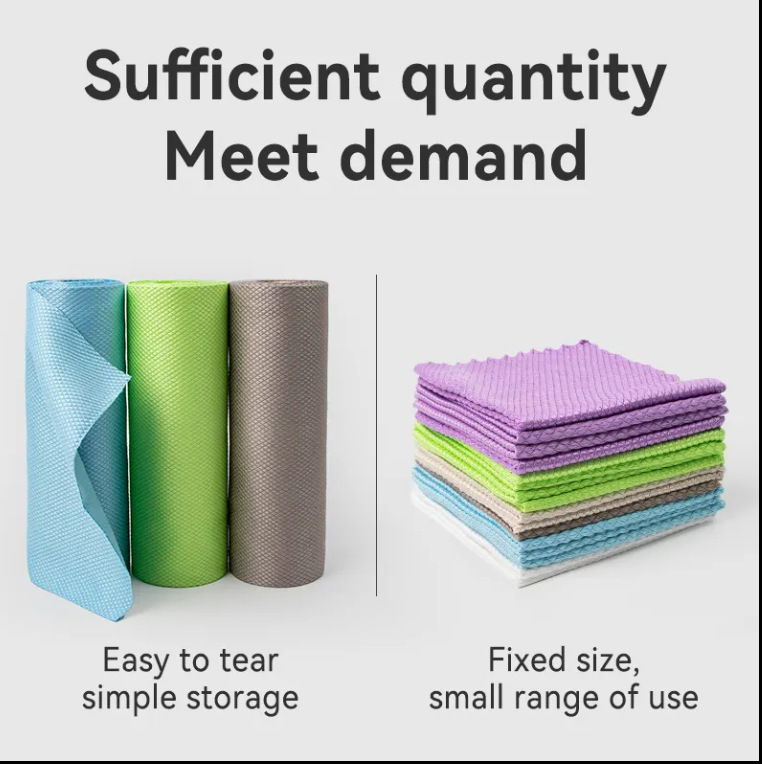
Whether you need microfiber for healthcare, janitorial services, automotive detailing, or home use, our team can guide you to the right product specifications for your application. We also offer other professional textile solutions including disposable microfiber cleaning cloth rolls for single-use applications.
Get Expert Advice on Microfiber Selection
Contact our team today to discuss your specific microfiber needs. We’ll help you choose the right products and provide detailed guidance on safe use of microfiber towels with your preferred cleaning chemicals.
Learn more about our complete range of professional textile products including Turkish hammam towels, surf poncho towels, recycled beach towels, and professional aprons for various industries.
background-color: #f8f9fa; border-left: 4px solid #007bff; padding: 20px; margin-bottom: 30px;”>Quick Reference: Microfiber Towels & Chemicals Safety Guide
| Aspect | ✓ Safe / Recommended | ✗ Avoid / Unsafe |
|---|---|---|
| Cleaning Chemicals | Neutral pH cleaners, mild detergents, water-based solutions | Bleach, fabric softeners, high-pH chemicals (above pH 11) |
| Wash Temperature | Cold to warm water (up to 140°F / 60°C) | High heat, boiling water, hot dryer settings |
| Detergent Type | Liquid, dye-free, fragrance-free detergents | Powder detergents, products with softeners or brighteners |
| Drying Method | Air dry or low heat tumble dry | Dryer sheets, high heat, direct sunlight for extended periods |
| Lifespan | 100-500+ washes with proper care | Less than 50 washes with harsh chemicals and improper care |