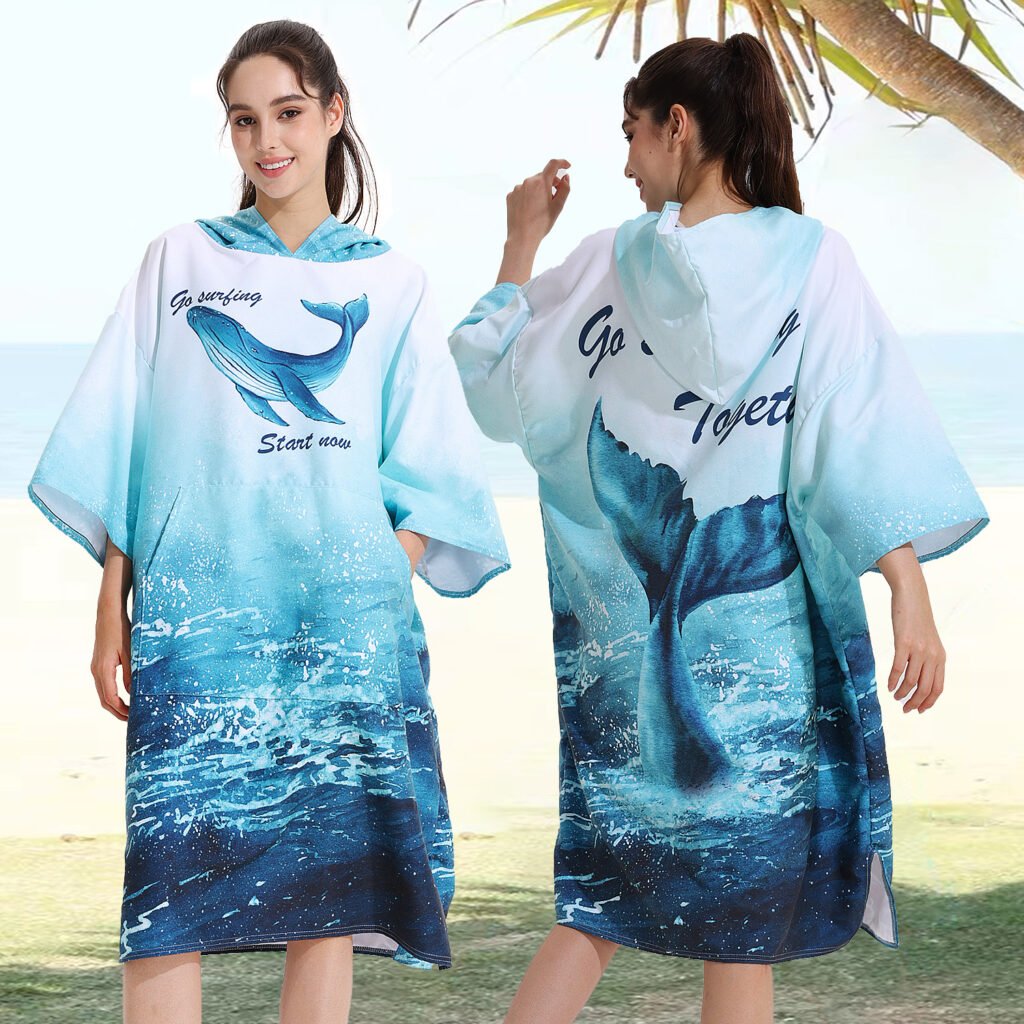
So, you finally got yourself a great surf poncho towel. Good choice! However, do you know how to take care of it the right way? First of all, proper surf poncho care is not complicated at all. In fact, a few simple steps can keep your poncho soft, fresh, and working perfectly for years. Therefore, this guide covers everything you need — from how to wash a surf poncho to how to store it correctly.
⚡ Quick Care Cheat Sheet — Surf Poncho Towel
Before we dive deep, here is your fast-reference care table. Bookmark this!
| Care Step | What to Do | Why It Matters |
|---|---|---|
| Washing water | Cold or cool water (max 30°C) | Protects fibers and keeps absorbency strong |
| Detergent | Use mild, gentle detergent only | Harsh chemicals damage fabric performance |
| Fabric softener | ❌ Never use it | Clogs fibers and ruins absorbency |
| Wash cycle | Gentle or delicate cycle | Reduces pilling and loop damage |
| Drying | Air dry or tumble dry on low heat | High heat shrinks fabric and weakens loops |
| Wash frequency | Every 3–5 uses, or sooner if salty or sandy | Prevents odor and salt build-up |
| Sand removal | Shake well before washing | Stops grit from clogging your washing machine |
| Storage | Fully dry before folding | Prevents mildew and musty smells |
What Is a Surf Poncho Towel?
First of all, let’s make sure we’re on the same page. A surf poncho towel — sometimes called a changing poncho or surf change robe — is a wearable towel with a hood. Moreover, it is designed specifically for surfers and water sports lovers. You can pull it over your head, change clothes underneath it, and dry off all at the same time.
Additionally, surf ponchos come in two main fabric types:
- Microfiber surf ponchos — lightweight, ultra-absorbent, and quick-drying. They currently hold 45.8% of the beach towel market (2024).
- Cotton surf ponchos — softer and thicker, often terry-lined. They feel more like a classic towel.
Because these two fabrics behave differently, they also need slightly different care. Furthermore, surf ponchos have extra features like hoods, kangaroo pockets, and long body panels — all of which need gentle treatment. For a closer look at high-quality options, check out these surf poncho towels from Favor Houseware.
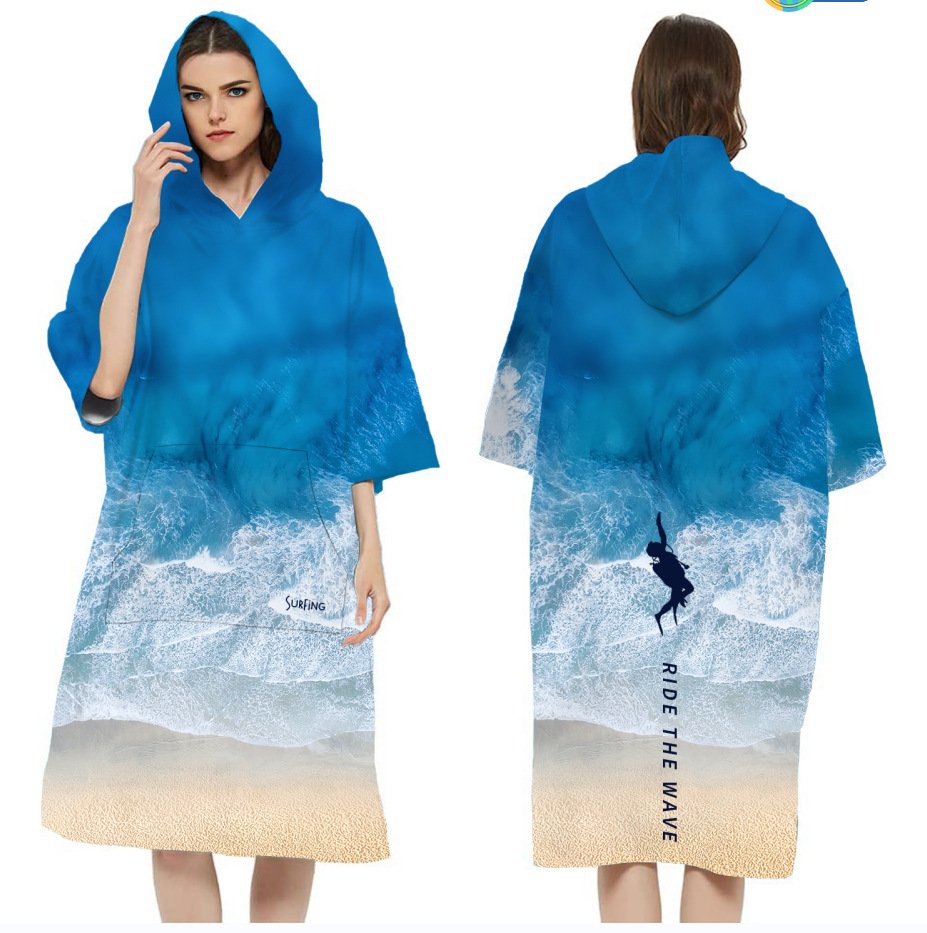
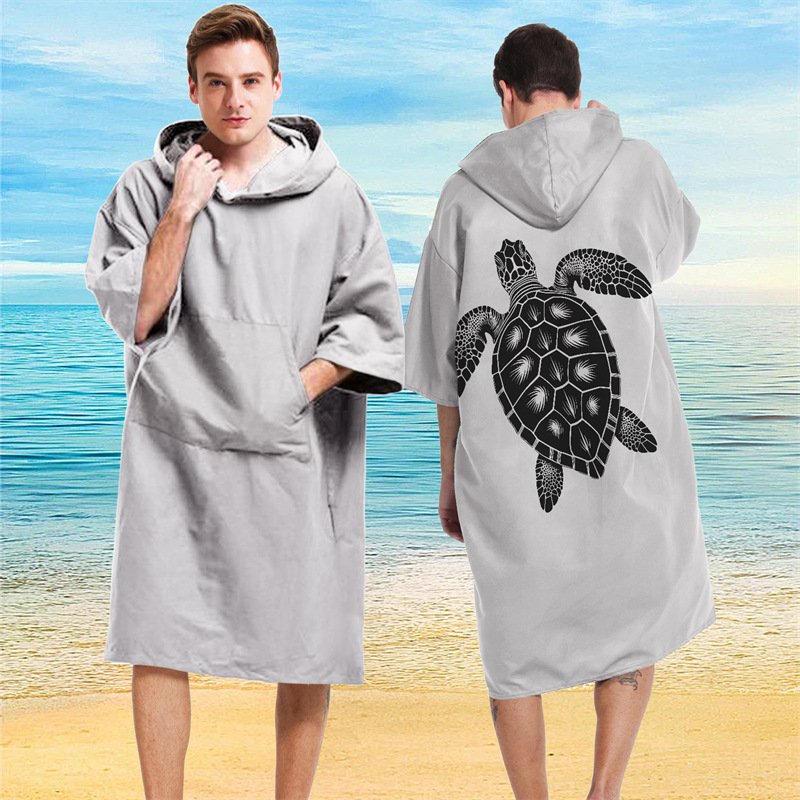
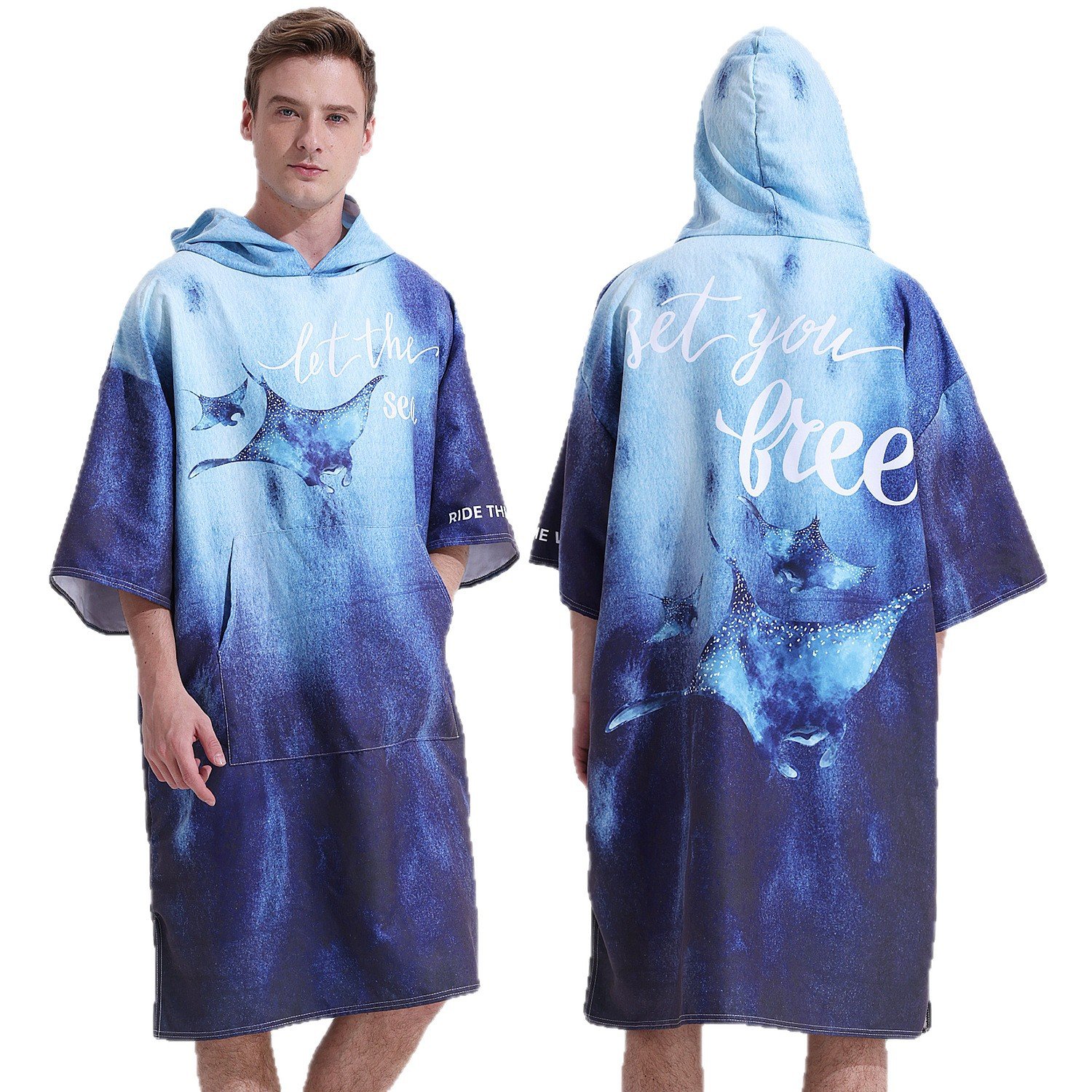
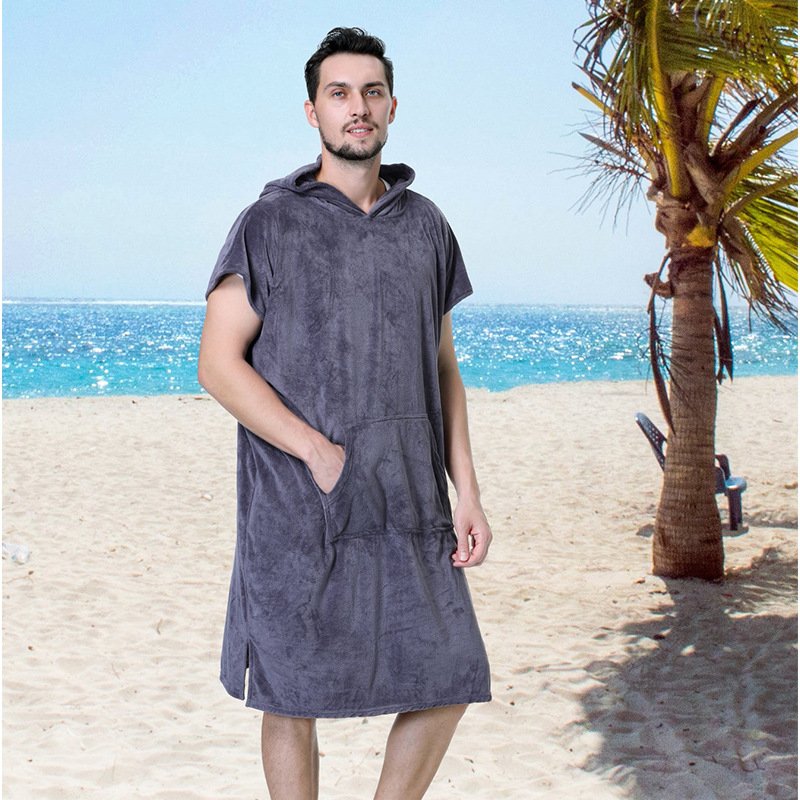


👆 Swipe to explore surf poncho styles
Why Proper Surf Poncho Care Matters
Here’s the truth: most surfers wash their ponchos the wrong way. As a result, the fabric loses its softness and stops absorbing water as well as it should. In fact, 80% of consumers say fast-drying performance is their top priority in a beach towel. Therefore, protecting that performance starts with proper care.
“The way you care for a surf poncho directly affects how long it lasts and how well it performs. Washing it incorrectly can cut its lifespan in half.”
Furthermore, poor washing habits can cause:
- Stiff, rough fabric that no longer feels soft on your skin
- Fading colors and peeling prints
- Persistent salt and mildew smells
- Shrinkage, especially in the hood section
- Weakened seams that tear or fray early
Consequently, a well-made poncho from a trusted beach towel manufacturer like Favor Houseware Co., Ltd. deserves proper care to stay in top shape. In short, good care = longer life = more value for your money.
How Often Should You Wash a Surf Poncho?
Specifically, here is a simple rule to follow:
- After every use: Rinse with fresh water and hang to dry fully
- Every 3–5 uses: Give it a proper machine or hand wash
- Immediately: Wash if it smells strongly of salt, sunscreen, or sweat
- After the surf season: Do a deep clean before storing it away
Additionally, over-washing actually causes more harm than under-washing. Moreover, each wash cycle puts small amounts of friction stress on the fabric loops. Therefore, only wash when it is truly necessary.
Step-by-Step: How to Wash a Surf Poncho
Ready to clean your poncho properly? Furthermore, these steps work for both microfiber and cotton surf ponchos. Simply follow each step in order, and your poncho will come out clean and undamaged every time.
- Shake out all the sand first Take your poncho outside and shake it vigorously. Additionally, you can pat the fabric gently. Sand can scratch fabric fibers and clog your washing machine if you skip this step.
- Rinse with fresh, cold water Before washing, rinse your poncho under a tap or shower. This step removes surface salt, chlorine, and sunscreen. As a result, your washing machine does not have to work as hard.
- Turn the poncho inside out Turning it inside out protects the outer print and logo from rubbing against the drum. Furthermore, it also helps the inner layer get a better clean.
- Place it in the washing machine alone or with similar items Wash your poncho separately from items with zippers, velcro, or rough textures. These can snag and pull the fabric loops. Similarly, avoid washing with heavy jeans or jackets.
- Add a small amount of mild detergent Use only a gentle, non-biological detergent. Moreover, use less than the recommended amount — ponchos do not need much. Never use bleach or strong stain removers.
- Select the right wash cycle and temperature Choose the gentle or delicate cycle. Additionally, set the water temperature to cold or cool (maximum 30°C / 86°F). See the temperature guide below for more detail.
- Skip the fabric softener — completely This is critical. Fabric softener coats the fibers and destroys absorbency. Instead, if you want a softer feel, add half a cup of white vinegar to the rinse cycle.
- Remove promptly and dry correctly Do not leave your poncho sitting wet in the machine. Moreover, take it out right away and proceed to the drying steps below. Leaving it wet creates mildew and bad smells.
Best Water Temperature for Washing a Surf Poncho
Water temperature is one of the most important parts of surf poncho care. Specifically, here is a simple breakdown:
| Temperature | Good or Bad? | Best For |
|---|---|---|
| Cold (20–30°C) | ✅ Best choice | All surf ponchos, especially microfiber |
| Warm (40°C) | ⚠️ Use with caution | Heavy cotton only, if care label allows |
| Hot (60°C+) | ❌ Avoid | Never — causes shrinkage and fiber damage |
Can You Use Fabric Softener on Surf Ponchos?
Instead, try these natural alternatives to keep your poncho soft:
- White vinegar (half a cup in the rinse cycle) — naturally softens fabric without any coating
- Baking soda (a tablespoon in the wash) — helps neutralize odors and freshen the fibers
- Air drying — natural airflow keeps fabric soft and fresh without any chemicals
How to Remove Salt, Sand, and Odor from a Surf Poncho
Salt and sand are the two biggest enemies of your surf poncho towel. Fortunately, removing them is easy if you act quickly. Here is exactly what to do:
For salt:
- First, rinse immediately with cold fresh water after every ocean session
- Then, wash with mild detergent on a cold cycle as soon as possible
- Additionally, add half a cup of white vinegar to break down mineral deposits
For sand:
- First, let the poncho dry completely — wet sand is much harder to remove
- Then, shake it firmly outside before putting it anywhere near your washing machine
- Finally, pat the fabric with your hand to dislodge sand from deep in the loops
For bad odors:
- Soak the poncho in cold water with one cup of white vinegar for 30 minutes
- Subsequently, wash normally with mild detergent on a cool cycle
- Furthermore, always dry your poncho fully before storing — trapped moisture is the main cause of musty smells
Machine Washing vs Hand Washing a Surf Poncho
✅ Machine Washing — When to Choose It
- Quick and convenient for regular cleaning
- Use cold water and a gentle/delicate cycle
- Works well for both microfiber and cotton
- Great for after heavy salt or sand exposure
- Always turn inside out and wash separately
✋ Hand Washing — When to Choose It
- Best for delicate fleece-lined or embroidered ponchos
- Good for a gentle refresh between full washes
- Use cool water and a tiny drop of mild soap
- Gently squeeze — never twist or wring the fabric
- Rinse until the water runs completely clear
In summary, both methods work well when done correctly. However, machine washing is more practical for most surfers. Therefore, as long as you use a gentle cycle and cold water, your poncho will be safe in the machine.
How to Dry a Surf Poncho Correctly
Drying is actually where most poncho damage happens. In fact, using the wrong drying method can cause permanent shrinkage, fiber damage, and fading. Therefore, follow these guidelines carefully every single time.
Option 1 — Air Drying (Best Choice):
- Hang your poncho on a clothesline or wide hanger in a shaded, breezy spot
- Specifically, avoid direct sunlight — UV rays break down microfiber and fade prints
- Moreover, make sure there is enough airflow around the hood section
- Allow it to dry completely before folding or storing
Option 2 — Tumble Dryer (Safe Backup):
- Use the lowest heat setting only — never medium or high
- Additionally, remove the poncho while it is still slightly damp and reshape the hood by hand
- Avoid dryer sheets — they have the same damaging effect as fabric softener
- Furthermore, do not over-dry — stop the cycle early and air-finish
- Do not iron a surf poncho — heat crushes the fiber loops permanently
- Do not wring or twist the fabric — this stretches and tears the loop structure
- Do not dry in direct sunlight for long periods — UV light fades colors fast
- Do not fold or store while still damp — mildew grows within 24 hours
For more tips on microfiber towel care, the Textile World resource library has excellent technical guidance on fiber maintenance and performance.
How to Maintain Microfiber vs Cotton Surf Ponchos
Because microfiber and cotton are very different fabrics, they also need slightly different care routines. Furthermore, knowing which one you have will help you avoid the most common mistakes. Let’s break it down simply.
🌊 Microfiber Surf Ponchos
- Wash in cold water only — warm water weakens synthetic fibers
- Use less detergent than usual — microfiber picks up residue easily
- Never use fabric softener — it kills the electrostatic absorbency
- Air dry is strongly preferred over machine drying
- Avoid washing with cotton — cotton lint sticks to microfiber permanently
- Do a vinegar rinse monthly to strip product build-up
🧶 Cotton Surf Ponchos
- Can handle slightly warmer water (up to 40°C if care label allows)
- Standard mild detergent works fine in normal amounts
- Still avoid fabric softener — it reduces cotton’s natural absorbency too
- Cotton can go in the dryer on low, but air drying is still better
- Wash with other cotton items of similar colors
- A hot wash (60°C) once every 10–15 washes helps restore loft
How to Maintain Microfiber Surf Ponchos Long-Term
Microfiber ponchos currently dominate the market with 45.8% market share — and for good reason. They are incredibly lightweight and absorbent. However, they do need specific ongoing care to stay that way.
Specifically, here is a simple monthly maintenance routine:
- Every 10–15 washes, run a cold wash with half a cup of white vinegar and no detergent. This strips mineral and detergent build-up that reduces absorbency.
- After washing, place the slightly damp poncho in the dryer on low for just 10 minutes. This helps re-fluff the microfiber loops and restores softness.
- Check all seams and the hood attachment for early wear. Moreover, catch loose threads early before they unravel further.
For premium microfiber towels and custom options, explore the full microfiber towel collection at Favor Houseware.
How to Maintain Cotton Surf Ponchos Long-Term
Cotton surf ponchos are beloved for their plush, cozy feel. However, without proper maintenance, they can become rough, heavy, and prone to mildew. Here is how to keep your cotton poncho in great shape:
- Re-fluff routine: Once a month, tumble dry on low with a clean dry towel for 15 minutes. This breaks up any compression in the terry loops and restores that fluffy feel.
- Odor control: Soak in cool water with one cup of baking soda for 30 minutes every 2–3 months. Subsequently, wash normally to freshen deep fibers.
- Avoid over-packing the washer: Cotton ponchos are heavy when wet. Therefore, give them plenty of room in the drum so they rinse fully and evenly.
Additionally, if you are interested in eco-friendly cotton options, check out these recycled beach towels — a sustainable choice for environmentally conscious buyers.
Common Washing Mistakes to Avoid
Even well-meaning surfers make these mistakes regularly. As a result, their ponchos wear out much faster than they should. Therefore, read through this list carefully and check if you are guilty of any of these!
✅ What You Should Do
- Wash in cold water on a gentle cycle
- Use a small amount of mild detergent
- Shake out sand before washing
- Rinse with fresh water after every ocean use
- Air dry in the shade whenever possible
- Store only when completely dry
- Check the care label every time
❌ What You Should Never Do
- Use fabric softener — ever
- Wash on a hot cycle or with hot water
- Iron the poncho — it destroys the loops
- Leave it damp in a bag or locker
- Wash with rough items like jeans or jackets
- Over-dry in a hot tumble dryer
- Wring or twist the fabric tightly
“The number one mistake we see is people using fabric softener on their surf ponchos. It feels like the right thing to do — but it permanently destroys absorbency. Always skip the softener.”
Furthermore, according to Good Housekeeping’s microfiber care guide, washing microfiber with cotton or using fabric softener are the two most damaging mistakes for performance towels. Similarly, the Consumer Reports laundry guide recommends skipping fabric softener for all high-performance towels to preserve absorbency long-term.
Storage Tips to Keep Your Surf Poncho Fresh
How you store your surf poncho matters just as much as how you wash it. In fact, bad storage is one of the biggest causes of mildew smells and fabric damage. Therefore, follow these practical tips to keep your poncho fresh between sessions.
- ✅ Always dry completely first — never store a damp poncho, even for a short time
- ✅ Fold loosely — avoid tight compression folds that crease the hood and loops permanently
- ✅ Store in a breathable bag — a cotton mesh bag or open shelf is ideal
- ✅ Keep in a cool, dry place — away from direct sunlight and heat sources
- ✅ Hang between uses — if you use it frequently, a hook or wide hanger is better than folding
- ❌ Avoid plastic bags — they trap moisture and create the perfect environment for mildew
- ❌ Do not store near damp wetsuits — the moisture transfers and causes odors
Surf Poncho Care FAQ
These are the questions that surfers ask most often about how to clean a surf poncho towel. Moreover, each answer is kept short and clear so you can find what you need quickly.
When to Replace a Surf Poncho
Even with perfect surf towel maintenance, every poncho eventually reaches the end of its life. Therefore, it is important to know when it’s time to let go and invest in a new one. Here are the clear signs to watch for:
Thinning or flattened loops — the fabric no longer feels plush and absorbency has dropped significantly
Persistent odor — the musty smell remains even after a thorough wash and full dry
Hood seam separation — the hood begins to pull away from the body or stitching frays at stress points
Heavy fading or peeling print — the color has faded badly or the design is cracking and flaking off
Poor water absorption — water beads or runs off instead of soaking in, even after a vinegar wash
Furthermore, if you source ponchos for resale or as branded merchandise, choosing a reliable beach towel manufacturer with strict quality control is the most important decision you can make. Favor Houseware Co., Ltd. holds BSCI, OEKO-TEX 100, SGS, and FDA certifications — meaning every poncho passes rigorous material and safety testing before it ships.
Conclusion: Simple Care = Long-Lasting Performance
In summary, properly caring for your surf poncho towel is much simpler than most people think. First and foremost, always wash in cold water on a gentle cycle. Moreover, skip the fabric softener every single time. Additionally, air dry in the shade whenever possible, and always store your poncho completely dry.
Furthermore, whether you have a microfiber or cotton surf poncho, the key principles are the same: be gentle, stay cool, and dry fully. As a result, your poncho will stay soft, absorbent, and great-looking for years to come.
Finally, if you are looking for a high-quality surf poncho that is built to last — or if you need wholesale or custom-branded ponchos for your business — Favor Houseware Co., Ltd. has been manufacturing premium beach towels for over 15 years. With low MOQ starting at just 100 pieces and certifications including OEKO-TEX 100 and BSCI, they are a trusted partner for surf brands and retailers worldwide.
Ready to Find the Perfect Surf Poncho?
Favor Houseware Co., Ltd. manufactures premium surf ponchos and beach towels with custom branding, low MOQ, and fast worldwide shipping from Yiwu, China. Free samples available — you only pay freight.
Explore more from Favor Houseware: Microfiber Towels · Turkish Hammam Towels · Recycled Beach Towels · Surf Change Robes · Read Our Blog
Views: 0