Want to know the secret to making your microfiber towels last hundreds of washes? The key is simple: proper washing and care. In this guide, you’ll learn exactly how to wash microfiber towels the right way, which detergents to use, and what mistakes to avoid. Additionally, we’ll share professional tips from our manufacturing experience at Favor-Houseware, a leading China towel manufacturer.
⚡ Quick Answer
To wash microfiber towels properly: Sort by use, wash separately from cotton, use cold-to-warm water (30-40°C), add liquid detergent without softener, skip the bleach, and tumble dry on low heat or air dry. Furthermore, never use fabric softener or dryer sheets, as they ruin absorbency.
Quick Reference: Microfiber Towel Washing Settings
Before we dive deep into the details, here’s a quick reference table that shows you exactly how to care for your microfiber towels. Moreover, this table compares everyday consumer care with professional detailing methods.
| Care Step | Everyday Use (Consumer) | Heavy-Duty Use (Pro Detailing) | Favor-Houseware OEM Standard |
|---|---|---|---|
| Water Temperature | Cold to warm, up to 30-40°C (86-104°F) | Warm to hot, up to 60°C (140°F) for heavily soiled towels | 30-40°C recommended for maximum towel lifespan |
| Detergent | Liquid, pH-neutral, no softener, bleach, or perfumes | Dedicated microfiber detergent, double rinse for chemicals and waxes | Mild liquid detergent, 1-2 oz per load maximum |
| Additives | Optional ½ cup white vinegar in rinse cycle | Pre-soak 15-20 minutes in APC or microfiber detergent | White vinegar helps restore absorbency naturally |
| Drying | Air dry or tumble dry low, no dryer sheets | Tumble dry low; clean lint filter regularly | Air drying preferred; low heat acceptable |
What Is a Microfiber Towel and Why Care Instructions Matter
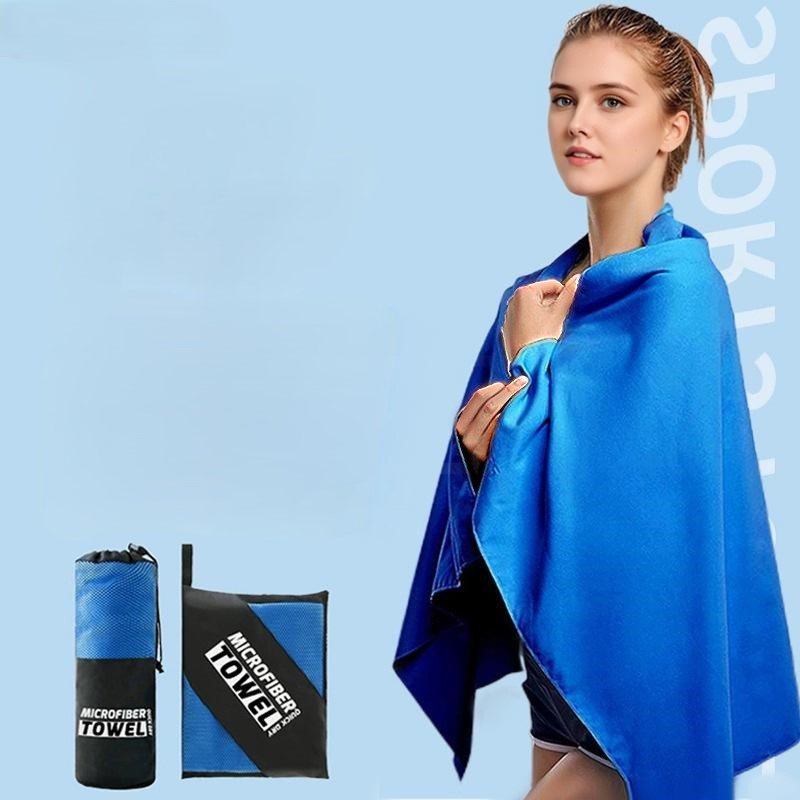
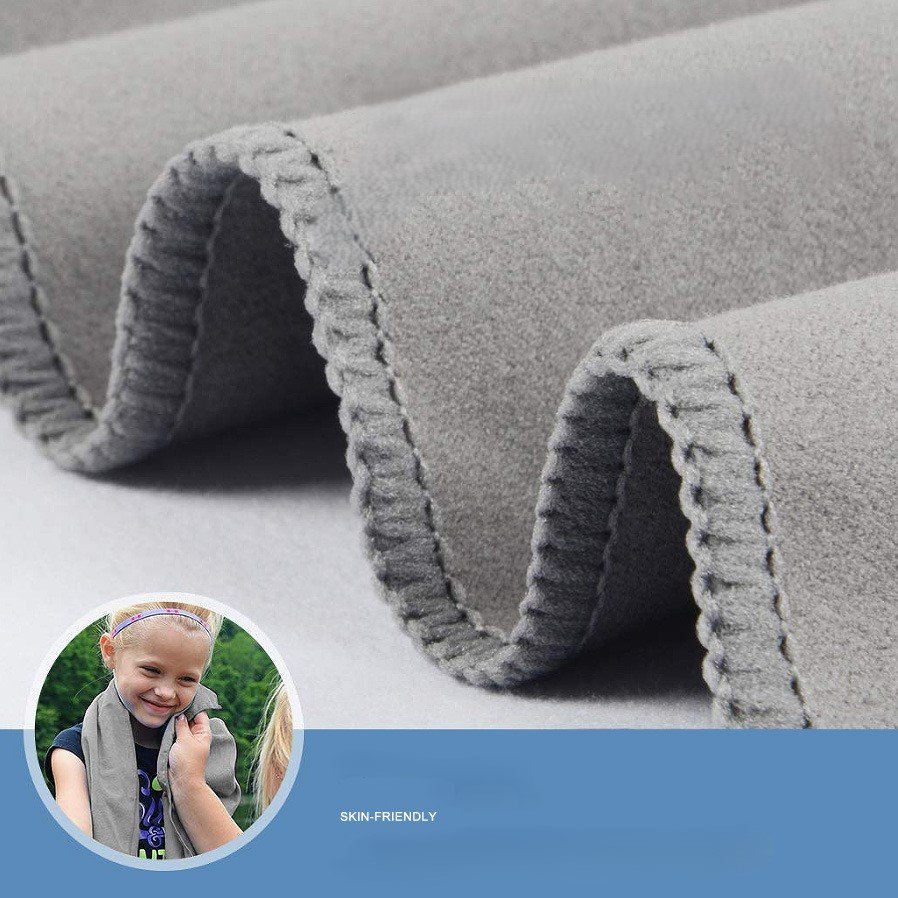

A microfiber towel is a synthetic cleaning cloth made from ultra-fine polyester and polyamide fibers. These fibers are incredibly thin—much thinner than a human hair. Consequently, they create a huge surface area that’s perfect for picking up dust, oils, and liquids without leaving streaks or lint behind.
The special structure of microfiber includes tiny splits and star-shaped cross-sections that trap dirt mechanically. Therefore, microfiber towels work better than regular cotton towels for cleaning glass, cars, and delicate surfaces. In fact, according to EPA research, microfiber can remove up to 99% of bacteria from surfaces when used properly.
Why proper care matters so much: Correct washing and drying keep these tiny fibers open and split, which means they stay soft, absorbent, and lint-free. On the other hand, incorrect care—such as using hot water, fabric softeners, or mixing with cotton—clogs or deforms the fibers. As a result, this damage cuts the service life dramatically and reduces cleaning effectiveness.
Step-by-Step: How to Wash Microfiber Towels in the Washing Machine
Now, let’s walk through the complete process of washing microfiber towels properly. Additionally, following these steps will help your towels last for hundreds of wash cycles while maintaining peak performance.
🧺 Complete Washing Process
Step 1: Sort Your Microfiber Towels Carefully
First, separate your microfiber towels by their use. For example, keep glass-cleaning cloths separate from kitchen towels, and definitely wash bathroom towels separately from car detailing cloths. Moreover, never wash microfiber with cotton items, regular laundry, or anything that produces lint. This is because microfiber attracts and holds onto lint like a magnet, which is nearly impossible to remove later.
Step 2: Choose the Right Water Temperature and Cycle
Next, select a cold or warm water cycle with a temperature around 30-40°C (86-104°F) for normal loads. Furthermore, if your washing machine has an “extra rinse” option, turn it on. This extra rinse helps remove all detergent residue, which is essential for maintaining absorbency.
Step 3: Add the Correct Amount of Detergent
Then, add a small amount of liquid detergent—typically just 1-2 ounces per load. Remember, never use fabric softener, bleach, or fragranced detergents. Similarly, avoid powder detergents because they leave chalky residue in the fibers. Instead, stick with a gentle, liquid formula that rinses clean. Check out brands recommended by the International Sanitary Supply Association for best results.
Step 4: Add White Vinegar (Optional but Recommended)
Additionally, you can add about ½ cup of white vinegar to the rinse cycle. This natural additive helps dissolve any leftover detergent and mineral build-up from hard water. As a result, your towels come out softer and more absorbent.
Step 5: Dry Properly After Washing
Finally, after the wash cycle finishes, either air dry your microfiber towels or tumble dry them on low or no-heat setting. Most importantly, never use dryer sheets or fabric softener sheets. These products coat the fibers with chemicals that destroy absorbency permanently.
Can You Wash Microfiber Towels by Hand?
Yes, you can definitely wash microfiber towels by hand! In fact, hand washing works especially well for just a few lightly soiled cloths or delicate weaves like glass towels. Here’s how to do it properly:
Fill a bucket or sink with lukewarm water and add a small amount of mild liquid detergent. Then, gently agitate the towels in the soapy water for a few minutes. Next, rinse the towels thoroughly under clean running water until the water runs completely clear. This step is crucial because any leftover soap will reduce absorbency.
However, keep in mind that very dirty, oily, or wax-soaked towels still benefit more from a machine wash with an extra rinse cycle. Therefore, save hand washing for light cleaning tasks and occasional quick washes.
Ideal Water Temperature for Washing Microfiber Towels
Choosing the right water temperature is one of the most important factors in how to care for microfiber towels. Fortunately, understanding the science behind temperature helps you make the best decision for your specific needs.
| Temperature Range | Best For | Effect on Towels |
|---|---|---|
| Cold (below 30°C / 86°F) | Light dusting, glass cleaning, everyday maintenance | Safest option; maximizes towel lifespan |
| Warm (30-40°C / 86-104°F) | Kitchen cleaning, bathroom, general household use | Recommended by most manufacturers; balances cleaning power and fiber protection |
| Hot (up to 60°C / 140°F) | Heavy grease, car wax, professional detailing | Removes tough residues but may reduce lifespan over time |
| Very Hot (above 60°C / 140°F) | ❌ Not recommended | Risk of fiber damage, stiffening, and reduced performance |
Many manufacturer instructions recommend staying at or below 30-40°C (86-104°F) to minimize long-term damage and preserve softness. Although the true melting point of polyester is around 260°C (500°F)—far above what any washing machine can reach—higher heat can still deform and stiffen the fibers gradually over many washes.
On the other hand, some detailing experts wash at up to 60°C (140°F) to better remove heavy soil, waxes, and ceramic coatings. Nevertheless, they acknowledge that this higher temperature might shorten the towel’s overall lifespan. Therefore, use hot water only when absolutely necessary for heavily soiled loads.
Which Detergent Is Best for Microfiber Cloths?
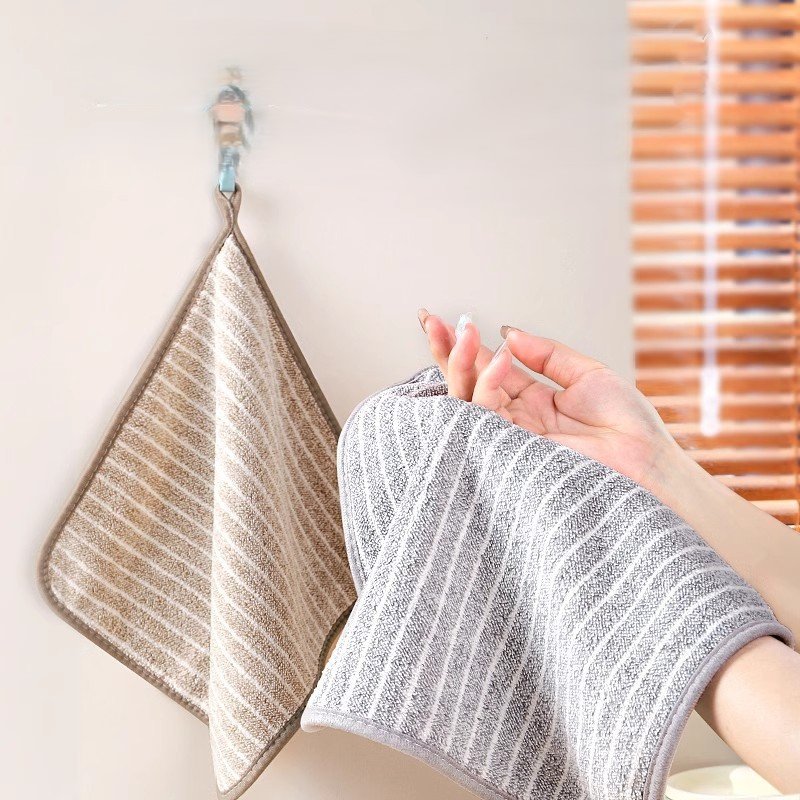
Choosing the right detergent is critical when learning how to wash microfiber cloths properly. The best detergent for microfiber is a liquid, low-suds, pH-neutral formula. Additionally, it must be completely free of fabric softeners, optical brighteners, bleach, and heavy fragrances.
Why liquid detergent works best: Liquid detergents dissolve completely in water and rinse out cleanly without leaving residue. In contrast, powder detergents often contain fillers and whitening agents that get trapped in the tiny microfiber pores. Consequently, these residues make towels stiff, scratchy, and less absorbent over time.
Specialized microfiber detergents: Professional cleaners and car detailers often prefer specialized microfiber detergents. These products are specifically formulated to break down waxes, sealants, polishes, and grease while rinsing completely clean. Brands like Chemical Guys and similar products are popular in the detailing community because they maintain absorbency through hundreds of wash cycles.
For everyday household cleaning with kitchen towels or general-purpose cloths, a simple, gentle liquid detergent works perfectly well. Just remember to use much less than you would for regular laundry—typically only 1-2 ounces per load.
Why You Should Never Use Fabric Softener or Bleach on Microfiber
⚠️ Critical Warning
Fabric softener is the #1 enemy of microfiber towels. Here’s what happens when you use it:
Fabric softeners and dryer sheets work by coating fabrics with a thin layer of chemicals. While this makes cotton feel softer, it’s absolutely disastrous for microfiber. These coatings create a hydrophobic (water-repelling) barrier that completely blocks the tiny pores in the fibers. As a result, your towels lose their absorbency almost immediately and start leaving streaks on everything they touch.
Furthermore, once fabric softener coats the fibers, it’s nearly impossible to remove completely. Even multiple washes with vinegar may not fully restore the original absorbency. Therefore, never use fabric softener or dryer sheets with microfiber—not even once.
Why bleach damages microfiber: Similarly, chlorine bleach poses serious problems for microfiber towels. Although bleach might temporarily brighten white towels, it actually weakens the polyester and polyamide fibers at a molecular level. Over time, this chemical attack causes:
- Color fading and yellowing
- Fiber tips becoming rough and scratchy
- Increased risk of scratching delicate surfaces like car paint or glass
- Shorter overall towel lifespan
Instead of bleach, use white vinegar or oxygen-based cleaners if you need extra cleaning power. These alternatives are much gentler on synthetic fibers.
How to Dry Microfiber Towels Without Damaging the Fibers
Proper drying is just as important as proper washing. Fortunately, drying microfiber towels correctly is fairly straightforward once you know the key rules.
Air-Drying (Best Method): The safest drying method is simply hanging your microfiber towels on a clothesline or drying rack away from direct high heat. Because microfiber fibers hold much less water than cotton, the towels typically dry quite quickly—often within a few hours. Moreover, air-drying uses no energy and causes zero heat damage, which maximizes towel lifespan.
Machine Drying (Also Acceptable): If you prefer using a dryer, follow these guidelines carefully:
- Select low-heat or no-heat setting (air tumble/air fluff)
- Never use high heat, which can melt or deform the fiber tips
- Clean the lint trap before AND after drying microfiber
- Avoid dryer sheets completely—they leave the same harmful coating as fabric softener
- Dry microfiber separately from cotton towels or other lint-producing items
Additionally, if you regularly dry microfiber in your machine, check the lint trap frequently. Cotton lint from other loads can transfer to your microfiber towels even through the dryer, which reduces their effectiveness.
Pre-Treating Very Dirty or Oily Microfiber Towels
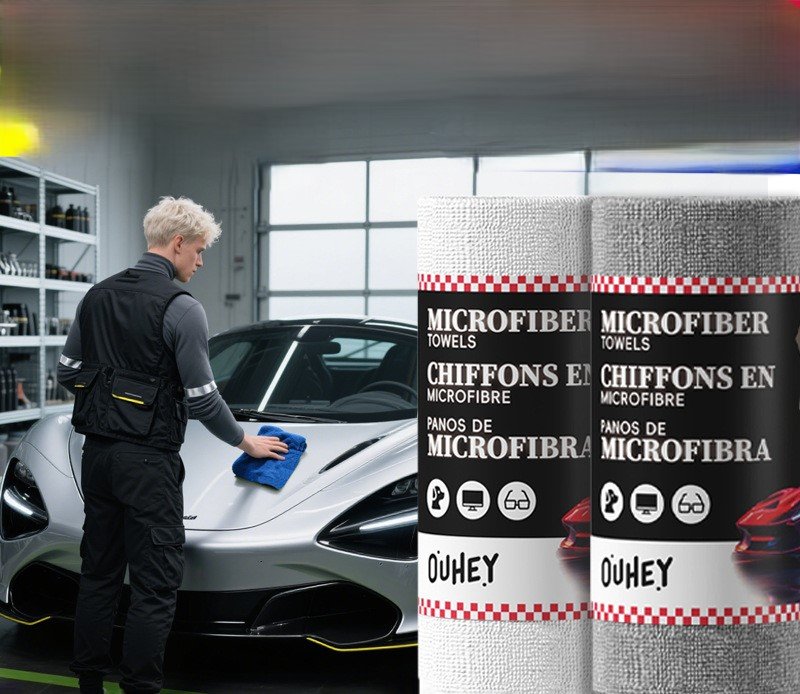
Sometimes, regular washing just isn’t enough. For heavily soiled or oily towels—especially those used for car detailing, kitchen grease, or industrial cleaning—pre-treating makes a huge difference.
When to pre-treat microfiber towels:
- After using on car waxes, sealants, or ceramic coatings
- When cleaning up heavy kitchen grease or cooking oils
- After wiping up automotive fluids or harsh chemicals
- When towels feel stiff or waxy even after washing
How to pre-treat properly: Many detailing experts recommend a pre-soak in warm water (around 40-50°C) with a dedicated microfiber detergent or all-purpose cleaner (APC) for 15-20 minutes before machine washing. This soaking period helps loosen waxes, oils, and traffic film so they rinse out during the wash instead of staying locked in the fibers.
After pre-soaking, drain the water and immediately wash the towels using your normal microfiber washing routine. Furthermore, consider running an extra rinse cycle to ensure all the loosened residues wash away completely.
Pro tip: If you frequently use microfiber for car detailing, keep separate loads for different towel types. For instance, paint-polishing towels should never mix with wheel-cleaning towels, even during washing. This prevents cross-contamination and protects your delicate paint-care towels from picking up brake dust or harsh chemicals.
How to Wash Microfiber Towels for Car Detailing vs. Household Cleaning
Different uses require slightly different care approaches. While the basic rules stay the same, understanding these differences helps you get the best results whether you’re cleaning your car or your kitchen.
| Factor | Car Detailing Towels | Household Cleaning Towels |
|---|---|---|
| Sorting | Sort by use: paint towels, glass towels, wheel towels, interior towels | Sort by room: kitchen, bathroom, glass, dusting |
| Water Temperature | Warm (40-50°C) for wax and compound removal | Cold to warm (30-40°C) for general cleaning |
| Detergent Type | Specialized microfiber detergent preferred | Mild liquid detergent works well |
| Pre-Treatment | Often needed for waxes and coatings | Usually not necessary unless heavily soiled |
| Wash Frequency | After each detailing session | After each use for kitchen/bathroom; can reuse once for dusting |
| Special Concerns | Prevent cross-contamination between wheel and paint towels | Keep toilet/bathroom towels separate from kitchen towels |
Car detailing considerations: Car detailing towels that contact waxes, ceramic coatings, and polishing compounds benefit from slightly warmer water and stronger detergents. Additionally, many professionals run separate “coating towel” loads to avoid any contamination of their soft paint-care towels. This extra care prevents microscopic particles from one type of towel transferring to another.
Household cleaning considerations: Household kitchen towels and bathroom cloths usually contain grease, soap scum, or disinfectants. Therefore, these should be washed after each use with a good degreasing detergent. However, they typically don’t need the same high-temperature cycles that some detailers use. For general dusting or glass cleaning around the house, cold or warm water works perfectly.
How Often Should You Wash Microfiber Towels?
The washing frequency depends entirely on how you use your microfiber towels. Here’s a simple guide to help you decide:
Wash after EVERY use:
- Kitchen cleaning (grease, food residues)
- Bathroom cleaning (bacteria, cleaning chemicals)
- Car detailing (waxes, compounds, polishes)
- Any use involving chemicals or disinfectants
Can reuse once before washing:
- Light dusting
- Glass or mirror cleaning with just water
- Quick wipe-downs of clean surfaces
Signs it’s time to wash immediately:
- Visible dirt or stains
- Unpleasant odor
- Reduced absorbency
- Towel feels stiff or waxy
- Leaves streaks when cleaning
Remember, bacteria and mold can grow quickly in damp microfiber towels. Therefore, even if a towel looks clean, washing it regularly prevents bacteria build-up and keeps the fibers fresh. For professional cleaning businesses or detailing shops, washing after each job is standard practice to maintain quality and prevent cross-contamination.
How to Store and Care for Microfiber Towels After Washing
Proper storage is the final step in how to care for microfiber towels effectively. After all your careful washing and drying, you don’t want dust and lint contaminating your clean towels before the next use!
Storage best practices:
- Store completely dry: Never put damp microfiber towels in closed containers, as this encourages mold and mildew growth
- Use closed storage: Keep towels in closed cabinets, drawers, or plastic bins to prevent dust accumulation
- Fold neatly: Folded towels take up less space and stay cleaner than crumpled piles
- Keep separate from cotton: Store microfiber away from cotton towels and other lint-producing fabrics
- Organize by use: Group towels by their intended purpose for easy access
Color-coding system for professionals: Many professional cleaners and detailers use Color-coding system for professionals: Many professional cleaners and detailers use Color-coding system for professionals: Many professional cleaners and detailers use color-coded microfiber towels to prevent cross-contamination. For example: This color-coding ensures you never accidentally use a toilet-cleaning cloth on kitchen counters or a wheel-cleaning towel on car paint. Moreover, it makes sorting laundry much easier because you can wash similar colors and uses together. At Favor-Houseware, we can customize color-coded microfiber products with sewn-in care labels to help your business maintain proper hygiene standards. Additionally, check out our disposable microfiber cleaning cloth rolls for single-use applications where washing isn’t practical. Even with the best intentions, many people make costly mistakes when washing microfiber towels. Avoiding these common errors will help your towels last much longer and perform much better. 1. Washing microfiber with cotton or other fabrics 2. Using fabric softener or dryer sheets 3. Washing on very hot cycles or drying on high heat 4. Using too much or the wrong type of detergent 5. Not rinsing thoroughly enough 6. Storing towels while still damp One of the best things about microfiber towels is their impressive durability when cared for properly. Understanding their lifespan helps you make smart purchasing decisions and get the best value from your investment. Expected lifespan: High-quality microfiber towels used in cleaning or detailing can often withstand several hundred wash cycles while maintaining good performance. Specifically, professional-grade towels from manufacturers like Favor-Houseware typically last 300-500 washes when treated correctly. In contrast, lower-quality microfiber might only survive 50-100 washes before noticeably degrading. Factors that reduce lifespan: The towel “downgrade” system: Many professionals use a smart rotation system to maximize value. They start towels on the most delicate tasks (like car paint or glass cleaning), then gradually move them to general cleaning as they age, and finally to very dirty jobs (like wheel cleaning or floor mopping) before retirement. This approach ensures you always use your best towels where quality matters most, while still getting full value from older towels. Additionally, proper care saves money over time. For instance, if proper washing extends your towel life from 100 washes to 400 washes, that’s a 4x return on investment. When you’re buying quality microfiber from trusted manufacturers, this difference adds up to significant savings for both households and businesses. As a leading China towel manufacturer with years of experience producing premium microfiber products, Favor-Houseware brings valuable technical knowledge to help you understand and care for microfiber towels better. Let’s explore the science behind these amazing cleaning tools. Understanding the technical composition of microfiber helps explain why certain care methods work better than others. Moreover, this knowledge allows you to make informed purchasing decisions when selecting towels for specific applications. Fiber composition explained: Typical cleaning microfiber uses a carefully engineered blend of two synthetic materials: Common blend ratios include 80/20 and 70/30 (polyester/polyamide). These blends are carefully optimized during manufacturing to balance durability with absorbency. Furthermore, the specific ratio affects the towel’s best uses—higher polyamide content creates more absorbent towels ideal for drying, while higher polyester content produces more durable towels better for scrubbing. Understanding GSM (Grams per Square Meter): GSM measures the density and weight of microfiber fabric. Here’s how different GSM ratings perform: Heat resistance science: Scientific data for polyamide and polyester indicate true melting points in the 200-260°C (400-500°F) range, which is far above what any domestic washing machine or dryer can reach. However, practical care guides set a conservative “do not exceed” zone around 60°C (140°F) for good reason. Although the fibers won’t literally melt at lower temperatures, prolonged exposure to heat causes gradual degradation. Specifically, high heat can: Therefore, staying at 30-40°C maximizes longevity, even though higher temperatures are technically “safe” for occasional use. This conservative approach helps your towels maintain peak performance through their entire lifespan. At Favor-Houseware, we manufacture premium microfiber products for clients worldwide, including beach towels, cleaning cloths, and specialized detailing towels. Our manufacturing experience gives us unique insights into how to maximize microfiber performance and longevity. Our manufacturing standards: We produce microfiber towels with strict quality controls to ensure consistent performance. Our standard recommendations for all products include: Custom care labels for OEM/ODM clients: We offer customized sewn-in care labels that match these washing recommendations for different markets. For example, labels can show temperature recommendations in Celsius or Fahrenheit, use region-specific washing symbols, and include brand-specific care instructions. This customization helps your customers properly care for their microfiber products, which increases satisfaction and reduces returns. Quality testing protocols: Our quality control process includes wash-cycle testing to verify durability. We subject sample towels to 100+ wash cycles using various detergents and temperatures to ensure they meet our performance standards. This testing confirms that our towels maintain their: Additionally, we can customize GSM, blend ratios, edge finishes, and sizes to match your specific application needs. Whether you need ultra-plush Turkish hammam towels, specialized surf poncho towels, or high-performance cleaning cloths, our manufacturing capabilities ensure consistent quality with appropriate care recommendations. Sustainability considerations: Proper care also supports environmental sustainability. When towels last 300-500 washes instead of 50-100, this dramatically reduces waste and resource consumption. Therefore, we encourage all our customers to follow proper washing guidelines not just for performance, but also for environmental responsibility. Learn more about our commitment to sustainable manufacturing on our company blog. Answer: No, microfiber towels should always be washed separately from cotton and other fabrics. This is because microfiber attracts lint and can pick up residues from other items, which significantly reduces cleaning performance. Therefore, dedicate separate loads to microfiber to keep towels performing their best. Answer: Absolutely not. Fabric softener should never be used on microfiber towels because it coats the fibers with chemicals. Consequently, this coating makes them much less absorbent and more likely to leave streaks on glass, paint, and kitchen surfaces. Once coated, towels are extremely difficult to restore. Answer: Most care guides recommend washing microfiber cloths in cold or warm water up to 30-40°C (86-104°F) for everyday cleaning. For heavily soiled towels, you can occasionally wash at up to 60°C (140°F), but this higher temperature may gradually reduce lifespan over time. Answer: To restore clogged microfiber towels, wash them with a small amount of liquid detergent and add ½ cup white vinegar to the rinse cycle. Alternatively, pre-soak them in warm water with microfiber detergent for 15-20 minutes to dissolve residues, then wash again with an extra rinse. However, if fabric softener was used, the towels may never fully recover. Answer: Yes, microfiber towels can go in the dryer if you use a low-heat or no-heat setting. However, avoid dryer sheets completely, as they can damage or coat the fibers just like fabric softener. Additionally, air-drying is always the gentlest option that maximizes towel lifespan. Answer: Microfiber towels do not shrink like cotton because they’re made from synthetic materials. Nevertheless, repeated exposure to high heat can cause the fibers to stiffen, curl, or lose their split structure. This damage feels similar to shrinking or hardening, even though the towel size doesn’t actually change much. Answer: Bleach is generally not recommended for microfiber towels because it weakens the synthetic fibers and reduces their lifespan. Although it might temporarily brighten white towels, it causes long-term damage including color fading, rough fiber tips, and increased scratching risk on delicate surfaces. Answer: Greasy or oily microfiber cloths should be pre-soaked in warm water (40-50°C) with an all-purpose cleaner or dedicated microfiber detergent for 15-20 minutes. Then, wash them on a warm cycle with a strong liquid detergent and include an extra rinse to ensure all oils wash away completely. Answer: Microfiber towels for cars should be sorted carefully by use—paint towels separate from glass towels, and wheel towels completely separate from everything else. Next, wash on warm with a liquid detergent free of softeners and bleach. Finally, dry on low heat to avoid damaging paint-contact towels and maintain their soft texture. Answer: Persistent odors usually indicate bacteria or product build-up trapped in the fibers. To eliminate smells, wash towels with hot or warm water within safe limits (up to 60°C if necessary), use a quality detergent, and add ½ cup white vinegar to the rinse cycle. Furthermore, ensure towels dry completely before storing them to prevent bacterial growth. Learning how to wash microfiber towels properly is one of the smartest investments you can make for your cleaning routine. As we’ve covered in this comprehensive guide, proper care is surprisingly simple once you understand the key principles: By following these guidelines, your high-quality microfiber towels will last for hundreds of washes while maintaining excellent cleaning performance. Moreover, proper care saves you money, reduces waste, and ensures your towels always work as effectively as the day you bought them. Whether you’re using microfiber for household cleaning, professional detailing, or commercial applications, understanding proper microfiber towel care makes all the difference. Furthermore, the principles in this guide apply to all types of microfiber products—from kitchen towels to beach towels and everything in between. At Favor-Houseware, we manufacture premium microfiber products that combine exceptional performance with durability. Our towels are designed to withstand hundreds of wash cycles when cared for properly, delivering outstanding value for both households and businesses. Looking for custom microfiber solutions? We offer OEM/ODM services with customizable GSM, blend ratios, colors, sizes, and care labels tailored to your market. Whether you need cleaning cloths, surf change robes, or specialized towels, we have the manufacturing expertise to bring your vision to life. 📞 Get a quote | 🌐 Visit our factory page | 📧 Email us for custom solutions Explore our full range of products including aprons, recycled beach towels, and more on our blog! 💡 Pro Tip: Bookmark this guide and share it with friends, family, or colleagues who use microfiber products. Proper care education helps everyone get the maximum value from their towels while maintaining peak performance! Have questions about microfiber care that we didn’t cover? Leave a comment below or contact our expert team at Favor-Houseware. We’re always happy to help with specific care questions or custom manufacturing inquiries! Views: 0Common Washing Mistakes That Ruin Microfiber Towels
❌ Top Mistakes to Avoid
This is perhaps the most common mistake. Cotton towels, fleece, and other lint-producing materials shed fibers during washing. Unfortunately, microfiber acts like a lint magnet and captures these fibers deep in its structure. Once embedded, lint is extremely difficult to remove and permanently reduces cleaning effectiveness. Solution: Always wash microfiber separately in dedicated loads.
As we discussed earlier, these products coat the fibers and destroy absorbency. Nevertheless, many people add them out of habit without realizing the damage. Solution: Never use these products with microfiber—not even “just a little bit.”
While polyester won’t melt at normal washing machine temperatures, prolonged exposure to high heat can harden, stiffen, or deform the fiber tips over time. This makes towels scratchy and less effective. Solution: Stick to cold or warm water (30-40°C) and low or no-heat drying.
More detergent doesn’t mean cleaner towels. In fact, excess detergent leaves residues that cause streaking and reduce absorbency. Similarly, powder detergents leave chalky deposits in the fibers. Solution: Use only 1-2 ounces of liquid detergent per load, and choose formulas without additives.
Leftover detergent, minerals from hard water, and cleaning product residues build up in microfiber over time. This build-up makes towels stiff and less absorbent. Solution: Always use the extra rinse cycle, and add white vinegar to help dissolve residues.
Damp microfiber stored in closed containers quickly develops mildew and unpleasant odors. Furthermore, bacteria multiply rapidly in moist conditions. Solution: Always ensure towels are completely dry before storing them.
How Long Do Microfiber Towels Last With Proper Care?
Professional Insights: Microfiber Science from Favor-Houseware
Microfiber Fiber Composition and Heat Resistance
GSM Range Towel Type Best Uses 200-250 GSM Light-duty, glass cleaning Windows, mirrors, light dusting 300-350 GSM All-purpose cleaning Kitchen, bathroom, general household 400-500 GSM Heavy-duty, drying Car drying, heavy absorption tasks 600+ GSM Premium drying towels Professional car detailing, maximum absorbency OEM/ODM Microfiber Care Recommendations from a Leading Manufacturer
FAQ: People Also Ask About Washing Microfiber Towels
Q1: Can you wash microfiber towels with regular laundry?
Q2: Can you use fabric softener on microfiber towels?
Q3: What temperature should I wash microfiber cloths at?
Q4: How do you restore microfiber towels that have lost absorbency?
Q5: Can microfiber towels go in the dryer?
Q6: Do microfiber towels shrink?
Q7: Can you bleach white microfiber towels?
Q8: How do you wash greasy or oily microfiber cloths?
Q9: How do you wash microfiber towels for cars?
Q10: How do you stop microfiber towels from smelling?
Conclusion: Master Microfiber Care for Long-Lasting Performance
Ready to Experience Premium Microfiber Quality?