Quick Comparison: Microfiber vs Cotton vs Paper Towels
Looking for the best cleaning solution? Here’s what the science says:
| Feature | Microfiber Towel | Cotton Cloth | Paper Towels |
|---|---|---|---|
| Bacteria Removal (water only) | 98-99% | 30-67% | Varies |
| Water Absorption | 7× its weight | 3× its weight | Limited |
| Drying Time | 1-2 hours | 4-6 hours | N/A (disposable) |
| Typical Wash Life | 300-500+ washes | 50-100 washes | Single use |
| Lint Production | Very low | High | Moderate |
| Cost Over Time | Very low | Moderate | High |
| Environmental Impact | Low (reusable) | Moderate | High (waste) |
What Is a Microfiber Towel for Home Cleaning?
A microfiber towel is a special type of cleaning cloth made from tiny synthetic fibers. Moreover, these fibers are much thinner than a human hair! Specifically, microfiber towels are created from two main materials: polyester and polyamide (also called nylon).
Unlike regular cotton towels, microfiber cloths have a unique structure. In fact, the ultra-fine fibers create millions of tiny spaces that trap dirt, dust, grease, and even germs. Therefore, they work like tiny hooks that grab onto mess instead of just pushing it around.
💡 Key Fact: Many high-quality microfiber towels can withstand 300-500 machine washes while maintaining excellent cleaning performance. Consequently, this makes them ideal for repeated kitchen and bathroom use.
When you buy microfiber towels for cleaning, you’re investing in a tool that works smarter, not harder. Additionally, because the fibers are positively charged, they naturally attract negatively charged dirt and bacteria. Thus, you can clean effectively with just water in many cases!
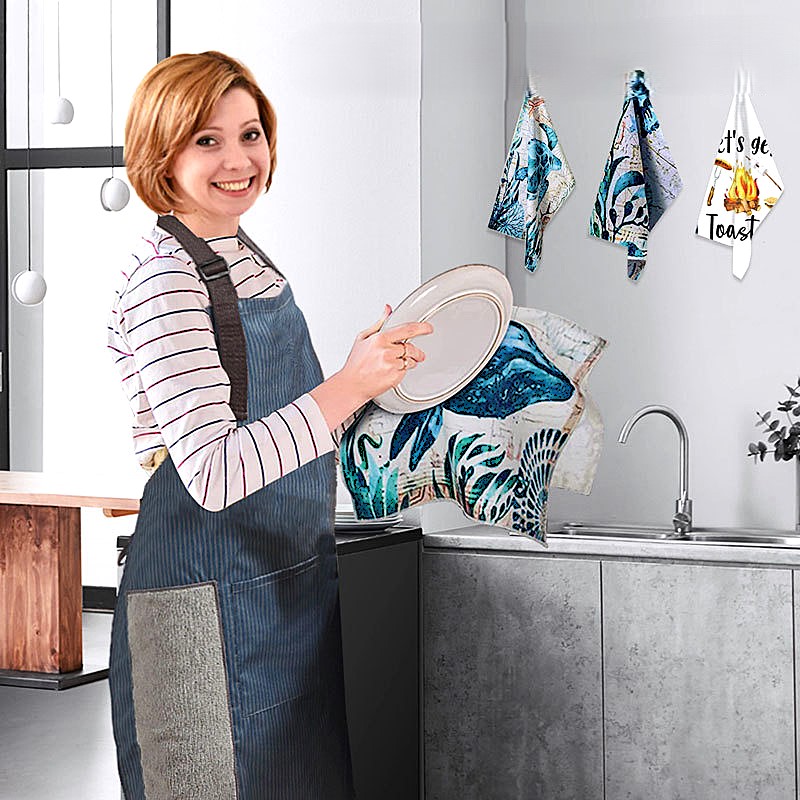
Professional-grade microfiber cleaning towels for kitchen and bathroom
Color-coded microfiber cloths for different cleaning tasks
Why Microfiber Works Better Than Cotton or Paper
You might wonder why microfiber towels for cleaning are becoming so popular. Well, the answer lies in science! Let’s break down exactly why microfiber outperforms traditional cleaning materials.
Superior Bacteria Removal
First and foremost, lab tests reveal impressive results. Specifically, microfiber can remove up to 98-99% of bacteria from smooth surfaces using only water. In contrast, cotton cloths remove roughly 30-67% of bacteria under the same conditions. Therefore, if you care about a truly clean home, microfiber is clearly the winner.
According to research from the Environmental Protection Agency, reducing chemical cleaner usage while maintaining cleanliness is beneficial for indoor air quality. Furthermore, microfiber enables exactly this approach.
Amazing Absorption Power
Next, let’s talk about absorption. Microfiber typically absorbs around 7 times its own weight in liquid. Meanwhile, cotton absorbs only about 3 times its weight. As a result, you need fewer towels to clean up spills, and your kitchen microfiber cloth dries surfaces faster.
🔬 Science Fact: The split fibers in microfiber create capillary action, which pulls liquid into the cloth rather than just spreading it around. Consequently, surfaces dry streak-free!
Less Lint, Better Results
Additionally, microfiber produces very little lint compared to cotton. This is especially important when cleaning glass, mirrors, or stainless steel appliances. In other words, you won’t find annoying fuzzy bits left behind after wiping.
Paper towels also produce lint and waste. Moreover, they often fall apart when wet. On the other hand, microfiber stays strong wash after wash, making it both practical and economical.
Waffle-weave microfiber towels for superior drying power
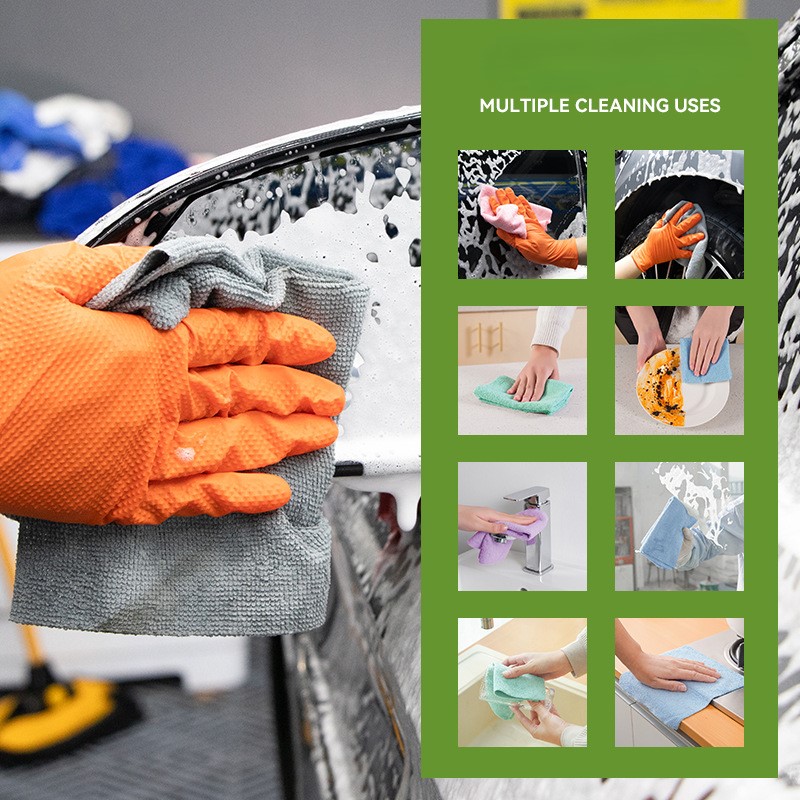
Kitchen microfiber cloth cleaning countertops effectively
Best Microfiber Cloths for Kitchen Cleaning
Now, let’s focus on the kitchen—one of the most important rooms where kitchen microfiber cloth products truly shine. After all, kitchens require both cleanliness and food safety.
Countertop Cleaning Excellence
First, microfiber cloths excel at wiping down kitchen countertops. Whether you have granite, quartz, laminate, or butcher block, a good kitchen towel removes crumbs, spills, and sticky residue effortlessly. Furthermore, you can clean effectively with just water for most everyday messes.
For greasy stovetops and range hoods, microfiber’s structure breaks down oil and grease better than cotton. Therefore, you’ll use less chemical cleaner and save money while protecting your family from harsh fumes.
Drying Dishes and Glassware
Additionally, waffle-weave or smooth microfiber works wonderfully for drying dishes and glassware. In fact, these towels absorb water quickly and leave no streaks or water spots. Moreover, they’re perfect for polishing wine glasses until they sparkle!
Many professional chefs prefer microfiber for this exact reason. Similarly, home cooks appreciate how quickly their dishes dry without that musty smell that cotton dish towels sometimes develop.
Appliance Polishing Made Easy
Furthermore, stainless steel appliances look amazing when cleaned with the right microfiber cloth. Specifically, a smooth, low-lint cloth removes fingerprints, smudges, and water spots while leaving a beautiful, streak-free shine.
💡 Pro Tip: Keep separate kitchen microfiber cloths for food prep areas and appliance cleaning. This prevents cross-contamination and extends the life of each cloth.
Quick Spill Management
Finally, spills happen in every kitchen! Thankfully, microfiber’s super-absorbent nature means you can tackle liquid spills instantly. Simply press the cloth onto the spill, and watch it absorb the mess in seconds. Consequently, your floors and counters stay dry and safe.
Compared to disposable paper towels, one quality microfiber cloth can handle multiple spills before needing to be washed. Therefore, it’s both more convenient and environmentally friendly.
Best Microfiber Towels for Bathroom Cleaning
Moving on to the bathroom, this is where bathroom microfiber towels truly prove their worth. After all, bathrooms present unique cleaning challenges like soap scum, hard water stains, and the need for streak-free surfaces.
Mirror and Glass Perfection
First and foremost, bathroom mirrors and glass shower doors can be frustrating to clean. However, microfiber makes this task much easier! Specifically, the fine fibers pick up water spots and toothpaste splatters without leaving streaks behind.
Simply dampen your bathroom microfiber towel with water, wipe the surface, and then polish with a dry microfiber cloth. As a result, you’ll achieve that crystal-clear, spa-like finish without expensive glass cleaners.
Tile and Grout Deep Cleaning
Additionally, bathroom tiles and grout lines collect soap residue and mildew over time. Fortunately, microfiber’s textured surface scrubs away this buildup gently yet effectively. Moreover, you won’t scratch delicate tile finishes like you might with abrasive scrubbers.
For tough grout stains, you can use a microfiber cloth with a small amount of CDC-recommended cleaning solution. Then, rinse and wipe again with a clean, damp microfiber towel.
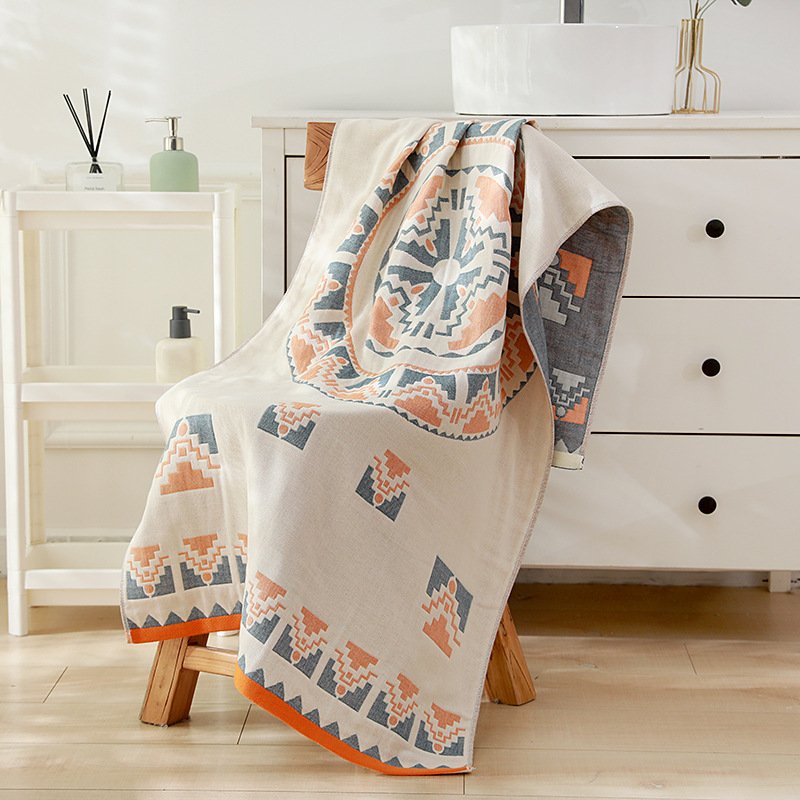
Premium bathroom microfiber towel set for complete cleaning
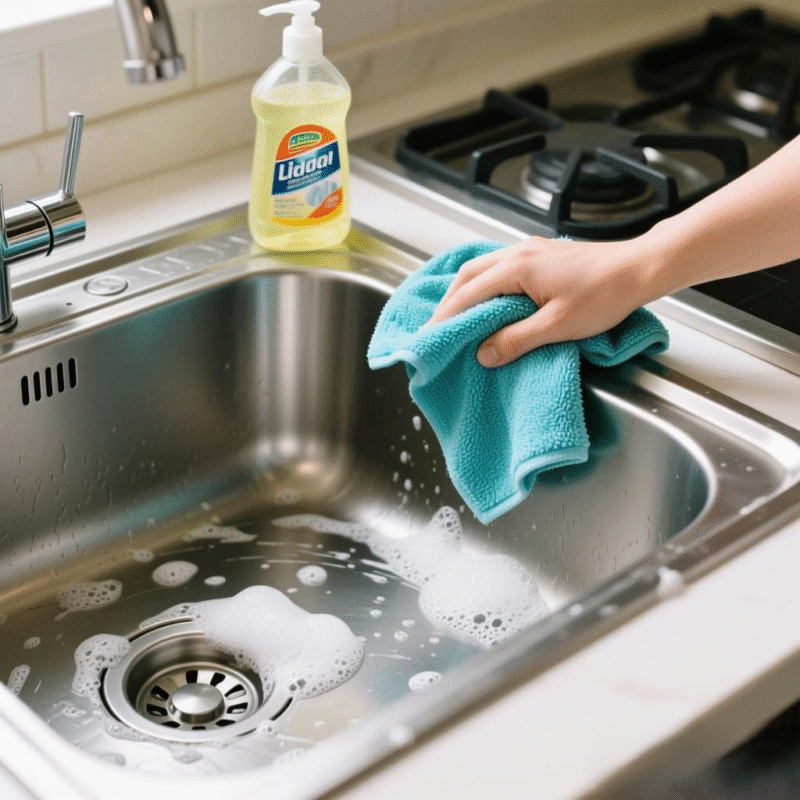
Color-coded microfiber system for hygienic bathroom cleaning
Sink and Faucet Polishing
Furthermore, chrome and stainless steel faucets look stunning when cleaned properly. Microfiber removes water spots, toothpaste, and soap buildup while leaving a brilliant shine. Consequently, your bathroom fixtures will look brand new with minimal effort.
Shower and Tub Maintenance
Moreover, soap scum is one of the toughest bathroom cleaning challenges. Thankfully, microfiber’s structure breaks down soap scum more effectively than traditional sponges or cloths. Therefore, regular wiping with a bathroom microfiber towel keeps your shower and tub sparkling clean.
The Color-Coding System
Importantly, many professional cleaning guides recommend using a color-coding system for bathroom cloths. For example, you might use blue cloths for mirrors and glass, green for sinks and counters, and red for toilets. This system prevents cross-contamination between different bathroom areas.
🎨 Color-Coding Suggestion:
- Blue: Mirrors, glass, and chrome fixtures
- Green: Countertops, sinks, and bathtubs
- Red: Toilets and floor areas
- Yellow: General dusting and light cleaning
How to Choose Microfiber Towels for Kitchen and Bathroom
Now that you understand the benefits, let’s discuss how to choose the right microfiber towels for cleaning. After all, not all microfiber is created equal! Several key factors determine quality and performance.
Understanding GSM (Weight and Thickness)
First, GSM stands for “grams per square meter” and indicates the towel’s thickness and density. Generally speaking, higher GSM means a thicker, more absorbent towel. However, the best GSM depends on your specific needs.
- 200-250 GSM: Lightweight, ideal for glass, mirrors, and dusting. These dry quickly and leave no streaks.
- 250-320 GSM: Medium weight, perfect for all-purpose kitchen and bathroom cleaning. This range offers the best balance for most tasks.
- 350+ GSM: Heavy-duty, excellent for large spills, drying dishes, and absorbing lots of water quickly.
Therefore, consider keeping a variety of GSM ratings in your cleaning arsenal. For instance, lighter cloths for windows and heavier ones for kitchen spills works perfectly!
Fiber Blend Ratios Matter
Additionally, the blend of polyester and polyamide affects performance. Most quality microfiber uses an 80/20 blend (80% polyester, 20% polyamide). However, some specialized cloths use 70/30 blends for different purposes.
The polyester provides durability and structure, while polyamide creates the softness and absorption. Consequently, this combination delivers the best cleaning results for both kitchen microfiber cloth and bathroom applications.
Weave Patterns Explained
Furthermore, different weave patterns serve different purposes:
- Terry Weave: Soft loops create a plush texture, perfect for general cleaning and absorbing spills.
- Waffle Weave: Grid pattern provides excellent water absorption and quick drying. Ideal for dish drying and glass cleaning.
- Smooth/Suede Weave: Flat surface perfect for streak-free polishing of glass, mirrors, and stainless steel.
Therefore, matching the weave to your task improves cleaning efficiency and results.
Size Considerations
Finally, size matters when choosing microfiber towels for cleaning. Common sizes include:
- 12×12 inches: Great for general wiping, dusting, and small cleaning tasks
- 16×16 inches: Versatile size for most kitchen and bathroom cleaning
- 16×24 inches: Larger format perfect for drying dishes or cleaning big surfaces
As a result, having multiple sizes on hand ensures you always have the right tool for each job.
| Application | Recommended GSM | Best Weave Type | Ideal Size |
|---|---|---|---|
| Glass & Mirrors | 200-250 | Smooth/Suede | 12×12″ |
| Kitchen Counters | 250-320 | Terry | 16×16″ |
| Dish Drying | 300-350 | Waffle | 16×24″ |
| Bathroom Tiles | 250-320 | Terry | 16×16″ |
| Heavy Spills | 350+ | Terry | 16×24″ |
Microfiber vs Cotton vs Paper: Which Should You Use?
Let’s dive deeper into this important comparison. While we showed you the quick comparison table earlier, understanding when to use each material helps you make smarter choices for your home.
Durability and Lifespan
First, consider how long each option lasts. Microfiber cloths are reusable champions—lasting 300 to 500 washes with proper care. Meanwhile, typical cotton cloths only last 50 to 100 washes before losing effectiveness. Paper towels, of course, are single-use only.
Therefore, from a durability standpoint, investing in quality microfiber towels saves money in the long run. In fact, one microfiber towel can replace hundreds of rolls of paper towels over its lifetime!
Cleaning Performance Comparison
Additionally, cleaning performance varies significantly between materials. As mentioned earlier, microfiber removes 98-99% of bacteria with just water. In contrast, cotton removes only 30-67%, and paper towels fall somewhere in between.
Moreover, microfiber’s ability to clean effectively without chemicals makes it safer for food-contact surfaces. Consequently, your kitchen microfiber cloth becomes an essential tool for maintaining a healthy home.
When Paper Towels Still Make Sense
However, paper towels do have their place! Specifically, they’re better for extremely greasy or oily messes where you’d rather dispose of the mess than wash it out. For example:
- Bacon grease and cooking oil spills
- Raw meat, poultry, or seafood juices
- Pet accidents or bodily fluids
- Highly staining substances like turmeric or beet juice
In these cases, disposable options are simply more hygienic. Therefore, keeping both microfiber and paper towels in your kitchen makes practical sense.
Environmental Impact
Furthermore, environmental considerations matter to many families today. According to the Natural Resources Defense Council, Americans use billions of pounds of paper towels annually, creating massive waste.
In contrast, switching to reusable microfiber significantly reduces household waste. Additionally, microfiber cloths last for years, meaning fewer resources consumed over time. Consequently, choosing microfiber towels for cleaning aligns with sustainable living goals.
Cost Analysis Over Time
Finally, let’s talk about money. Initially, microfiber costs more upfront—typically $1-5 per cloth depending on quality. Meanwhile, paper towels seem cheaper at first glance.
However, consider this: If your family uses 2 rolls of paper towels per week at $1.50 per roll, that’s $156 per year. On the other hand, a set of 12 quality microfiber towels might cost $30-50 and last 3-5 years with proper care. Therefore, microfiber saves hundreds of dollars over time!
How to Clean and Disinfect Microfiber Kitchen and Bathroom Cloths
Proper care is essential for maintaining your microfiber towels for cleaning. After all, improper washing can ruin their performance and shorten their lifespan. Fortunately, caring for microfiber is straightforward when you follow these guidelines.
Essential Washing Do’s and Don’ts
First and foremost, microfiber cleaning performance depends on correct laundering. Here’s what you absolutely must know:
| Care Tip for Kitchen/Bath Microfiber | Why It Matters |
|---|---|
| DO wash in warm or hot water (140-160°F) | Heat helps remove oils, bacteria, and odors effectively |
| DON’T use fabric softener or dryer sheets | These coat the fibers and destroy absorption and cleaning power |
| DON’T use bleach or chlorine products | Bleach breaks down polyamide fibers and reduces lifespan |
| DO wash separately from cotton and linty items | Lint clogs microfiber pores and reduces cleaning effectiveness |
| DO use mild, liquid detergent (small amount) | Too much detergent leaves residue that reduces absorption |
| DO air dry or tumble dry on low heat | High heat can melt synthetic fibers over time |
Therefore, following these rules ensures your kitchen microfiber cloth and bathroom microfiber towel collection stays effective for hundreds of washes.
How Often to Wash
Additionally, washing frequency depends on usage. Specifically, kitchen microfiber cloths that contact food, raw juices, or frequent spills should be washed daily or after each heavy use. This prevents bacterial growth and unpleasant odors.
Meanwhile, bathroom microfiber towels and general dusting cloths can sometimes be used a few times if allowed to dry completely between uses. However, bathroom toilet cloths should always be washed after each use.
🧼 Washing Schedule Recommendation:
- Kitchen cloths: Daily or after each cooking session
- Bathroom glass/mirror cloths: Every 2-3 uses
- Bathroom toilet cloths: After every use
- General dusting cloths: Weekly or when visibly dirty
Simple Disinfection Methods
Furthermore, sometimes you need extra disinfection for your cleaning cloths. One interesting study showed that microwaving wet dishcloths on high power for 1 minute eliminated detectable bacterial growth. Therefore, this offers a simple home method to reduce cross-contamination between washes.
However, make sure the cloth is thoroughly wet before microwaving, and ensure it contains no metal threads or tags! Alternatively, washing in hot water (160°F or higher) also provides excellent disinfection according to CDC guidelines.
Drying Best Practices
Finally, proper drying matters too. Ideally, air drying is gentlest on microfiber and uses no energy. Simply hang your clean microfiber towels for cleaning on a drying rack or clothesline.
If you prefer machine drying, use low heat only. Additionally, remove promptly to prevent wrinkles and maintain softness. Remember, microfiber dries much faster than cotton (1-2 hours versus 4-6 hours), so you won’t wait long!
Environmental and Cost Benefits of Microfiber Towels
Let’s explore why switching to microfiber towels for cleaning makes both environmental and financial sense. After all, small changes in your home can create significant positive impacts over time.
Reducing Waste Dramatically
First, consider the waste reduction benefits. Because a quality microfiber towel can be reused hundreds of times, it replaces large amounts of paper towel waste. In fact, one microfiber cloth can eliminate the need for approximately 3,120 paper towels over its lifetime (assuming 500 washes and 6 paper towels per cleaning task).
Therefore, if your household switches to microfiber, you could prevent dozens of pounds of waste from entering landfills each year. Additionally, you’ll reduce the demand for tree-based paper products, helping preserve forests.
For businesses and commercial cleaning operations, the waste reduction becomes even more impressive. Moreover, companies that embrace reusable microfiber cleaning solutions demonstrate environmental responsibility to customers.
Long-Term Cost Savings
Additionally, let’s break down the real cost savings. While the initial investment in microfiber seems higher, the long-term economics are compelling:
💰 5-Year Cost Comparison:
Paper Towels: 2 rolls/week × $1.50/roll × 52 weeks × 5 years = $780
💰 5-Year Cost Comparison: Paper Towels: 2 rolls/week × $1.50/roll × 52 weeks × 5 years = $780 💰 5-Year Cost Comparison: Paper Towels: 2 rolls/week × $1.50/roll × 52 weeks × 5 years = $780 Microfiber Towels: 24 quality cloths × $3/cloth = $72 Total Savings: $708 over 5 years!
Furthermore, this calculation doesn’t even include money saved on cleaning chemicals. Since microfiber cleans effectively with just water for many tasks, you’ll buy fewer bottles of spray cleaner, glass cleaner, and disinfectant.
Energy Efficiency Benefits
Moreover, microfiber’s faster drying time means lower energy consumption. Specifically, microfiber dries in 1-2 hours compared to cotton’s 4-6 hours. Therefore, if you tumble dry, you’ll use less electricity. Even better, microfiber air-dries quickly enough that you might skip the dryer altogether!
Consequently, these energy savings add up month after month, putting more money back in your pocket while reducing your carbon footprint.
Reduced Chemical Usage
Additionally, because kitchen microfiber cloth and bathroom microfiber towel products clean effectively with water alone, you’ll purchase fewer chemical cleaners. This benefits your wallet, your family’s health, and the environment.
According to the EPA’s Safer Choice program, reducing unnecessary chemical use in homes improves indoor air quality and reduces water pollution. Therefore, microfiber aligns perfectly with healthier living goals.
Lower Risk of Mildew and Odors
Finally, microfiber’s quick-drying nature means less risk of that unpleasant musty smell that cotton towels sometimes develop. Consequently, your cloths stay fresher between washes, and you don’t need to replace them due to permanent odors.
Moreover, this quick-drying property prevents mildew growth, creating a more hygienic cleaning experience overall. Therefore, microfiber delivers both practical and health benefits simultaneously.
Common Questions About Microfiber Cleaning Towels
Let’s answer the most frequently asked questions about microfiber towels for cleaning. These answers will help you make informed decisions and get the best results from your cleaning routine.
Are microfiber towels better than cotton for cleaning?
Yes, microfiber towels generally clean better than cotton because their ultra-fine fibers create much more surface area to pick up dirt, grease, and microbes. Specifically, the split fibers act like tiny hooks that trap particles instead of just pushing them around.
Moreover, tests consistently show microfiber can remove up to 98-99% of bacteria with just water. In contrast, cotton removes only roughly 30-67% under the same conditions. Additionally, microfiber absorbs more liquid (about 7 times its weight versus cotton’s 3 times) and dries significantly faster.
Therefore, for most kitchen and bathroom cleaning tasks, microfiber delivers superior performance. However, some people prefer cotton for certain tasks like drying hands, where the natural fiber feel is preferred.
Can you use the same microfiber cloth in the kitchen and bathroom?
No, using the same cloth in kitchen and bathroom is not recommended. Why? Because it significantly increases the risk of spreading bacteria and other contaminants between food-preparation areas and sanitary areas.
Instead, many professional cleaning systems recommend color-coded microfiber towels for cleaning different areas. For example, you might designate one color for kitchen counters and another for bathroom toilets. Consequently, you’ll maintain better hygiene and prevent cross-contamination.
Furthermore, consider investing in separate sets from kitchen towel collections and bathroom-specific products. This simple separation protects your family’s health while keeping your cleaning routine organized.
How often should you wash microfiber kitchen towels?
Microfiber kitchen towels that contact food, raw juices, or frequent spills should usually be washed daily or after each heavy use. This practice limits bacterial growth and prevents unpleasant odors from developing.
Meanwhile, bathroom microfiber towels and general dusting cloths can sometimes be used a few times if allowed to dry completely between uses. However, bathroom toilet cloths should always be washed after every single use for obvious hygiene reasons.
Additionally, even if a cloth looks clean, washing it regularly prevents invisible bacterial buildup. Therefore, establishing a consistent washing schedule ensures both effectiveness and safety.
Do microfiber towels remove bacteria without chemicals?
Yes, high-quality microfiber towels can physically remove most bacteria and some viruses from surfaces using only water. In fact, studies show up to around 98-99% removal in controlled tests. The split fibers mechanically trap and lift microorganisms away from surfaces.
However, it’s important to understand that microfiber does not kill germs by itself—it simply removes them. Therefore, for true disinfection (especially in bathrooms or during illness), pairing your bathroom microfiber towel cleaning with an appropriate EPA-registered disinfectant is still important.
Nevertheless, for everyday cleaning, water and microfiber provide excellent results while reducing chemical exposure in your home. Consequently, you can maintain a clean, healthy environment with minimal harsh products.
Are microfiber cloths safe to use on kitchen countertops and food-contact areas?
Absolutely! Microfiber cloths are widely recommended for everyday wiping of kitchen countertops, cabinets, and appliances. In fact, they clean effectively with minimal or no chemicals, leaving a streak-free finish on all surfaces.
Moreover, because microfiber works well with just water, it’s actually safer for food-contact areas than using chemical-soaked cloths. However, for raw meat, poultry, or seafood messes, many hygiene guides still suggest using disposable paper towels first to avoid staining and reduce cross-contamination risk.
Therefore, keep your kitchen microfiber cloth for final cleaning and polishing after handling raw proteins. This approach combines the best of both worlds—hygiene and effectiveness.
What GSM is best for kitchen and bathroom microfiber towels?
Medium GSM towels (approximately 250-320 gsm) are often preferred for all-purpose kitchen microfiber cloth and bathroom microfiber towel applications. This range balances easy wringing, quick drying, and good absorption perfectly.
However, higher GSM towels (for example, 350 gsm and above) work better where you want extra plushness and water capacity. Specifically, these heavier towels excel at drying large spills, dish drying, and polishing bathroom tiles and glass.
Meanwhile, lighter GSM options (200-250 gsm) are ideal for streak-free glass cleaning, mirror polishing, and dusting. Therefore, having a variety of GSM ratings in your cleaning arsenal ensures you always have the right tool for each specific task.
How long do microfiber cleaning cloths last?
Many commercial microfiber products are advertised to maintain cleaning performance for around 300 machine washes. Furthermore, some professional-grade products can reach over 500 washes with proper care—that’s years of regular use!
However, reaching this impressive lifespan requires correct washing practices. Specifically, you must avoid fabric softener, use appropriate water temperature, and wash separately from linty items. Otherwise, fibers become clogged and the cloth loses its absorbency and “grab” power much sooner.
Therefore, investing in quality microfiber towels from reputable manufacturers and caring for them properly ensures maximum return on your investment.
Are microfiber towels eco-friendly?
Yes and no—it’s a nuanced answer. On the positive side, microfiber towels significantly reduce solid waste because a single cloth can replace many rolls of paper towel and dozens of low-quality cotton rags over its lifetime. Therefore, they’re definitely better for the environment than disposable alternatives.
However, microfiber is made from synthetic materials (polyester and polyamide), which are petroleum-based plastics. Additionally, when washed, tiny microfibers can shed into wastewater, contributing to microplastic pollution. Nevertheless, higher-quality, denser weaves shed less than cheaper options.
Consequently, choosing durable, long-lasting microfiber from manufacturers like Favor Houseware and using washing machine filters or Guppyfriend bags can minimize environmental impact while still enjoying microfiber’s benefits.
Moreover, some companies now offer recycled towel options, which further improve sustainability. Therefore, as technology advances, microfiber continues becoming more environmentally responsible.
Professional Microfiber Solutions from Favor Houseware
Now that you understand why microfiber towels for cleaning are essential for every kitchen and bathroom, let’s discuss how Favor Houseware can meet your needs—whether you’re a homeowner, business owner, or brand looking for custom solutions.
Why Choose a Specialized Manufacturer?
First, working with an experienced China manufacturer offers significant advantages. Specifically, Favor Houseware combines decades of textile expertise with modern quality control standards. Consequently, you receive products that perform consistently and last longer than generic alternatives.
Moreover, as a professional towel manufacturer, we understand the technical details that make microfiber work effectively. From fiber blend ratios to GSM specifications to edge finishing techniques, every detail matters in producing superior cleaning cloths.
OEM and ODM Capabilities
Additionally, Favor Houseware specializes in OEM (Original Equipment Manufacturer) and ODM (Original Design Manufacturer) services. What does this mean for you? Simply put, we can create custom microfiber solutions tailored to your exact specifications.
For example, we can manufacture:
- Custom sizes and shapes for specific cleaning applications
- Specific GSM ranges optimized for kitchen versus bathroom use
- Custom microfiber blends (80/20, 70/30, or specialized ratios)
- Color-coded sets for hygiene-conscious cleaning systems
- Edge finishing options (sewn, ultrasonic, or bound edges)
- Private label packaging with your brand identity
Therefore, whether you’re a retail brand, hotel chain, cleaning service, or supermarket, we can develop kitchen microfiber cloth and bathroom microfiber towel ranges that meet your exact requirements.
Quality Standards and Certifications
Furthermore, quality control is paramount at Favor Houseware. Our manufacturing facility maintains strict standards throughout the production process. Specifically, we test fiber density, absorption capacity, durability, and colorfastness to ensure every batch meets specifications.
Additionally, we understand international market requirements and can provide products that meet various certification standards. Consequently, you can confidently sell or use our microfiber products in markets worldwide.
Bulk Ordering Benefits for Businesses
Moreover, business customers enjoy significant advantages when ordering from Favor Houseware. These include:
- Competitive pricing on bulk orders that improve your profit margins
- Consistent product quality across large production runs
- Flexible MOQ (Minimum Order Quantities) depending on customization level
- Reliable shipping and logistics support for international orders
- Technical consultation to help you choose optimal specifications
Therefore, partnering with us means more than just buying products—it means gaining a manufacturing partner invested in your success.
Beyond Microfiber: Complete Product Range
Finally, Favor Houseware offers much more than just microfiber cleaning cloths. Our comprehensive product range includes:
- Beach towels for retail and hospitality
- Turkish hammam towels for spa and wellness centers
- Surf poncho towels and change robes for water sports enthusiasts
- Kitchen aprons to complement your culinary textile line
- And many other textile products for home and commercial use
Consequently, you can source multiple product categories from one trusted manufacturer, simplifying your supply chain and ensuring consistent quality across your entire range.
Visit our blog regularly for more industry insights, product care tips, and textile manufacturing updates!
Conclusion: Transform Your Cleaning Routine with Microfiber
In conclusion, microfiber towels for cleaning represent a smart investment for every home and business. As we’ve explored throughout this guide, microfiber outperforms traditional cotton and paper alternatives in nearly every measurable way.
Specifically, you now understand that:
- Microfiber removes up to 98-99% of bacteria using only water
- Quality kitchen microfiber cloths last for 300-500+ washes, saving you hundreds of dollars
- Proper bathroom microfiber towels eliminate streaks, soap scum, and water spots effortlessly
- Choosing the right GSM, weave, and size optimizes performance for each cleaning task
- Correct washing and care extends lifespan while maintaining effectiveness
- Microfiber significantly reduces waste, chemical usage, and environmental impact
Moreover, whether you’re a homeowner seeking better cleaning results or a business looking for reliable wholesale solutions, microfiber technology offers proven benefits that traditional materials simply cannot match.
Ready to Experience Professional Microfiber Quality?
Favor Houseware manufactures premium microfiber towels for cleaning, kitchen, and bathroom applications. Our OEM/ODM services create custom solutions perfectly matched to your needs.
Whether you need:
- ✓ Bulk orders for retail or commercial cleaning services
- ✓ Private label microfiber products for your brand
- ✓ Custom specifications for specialized applications
- ✓ Quality wholesale microfiber at competitive prices
We’re here to help you succeed!
Contact Us for Wholesale InquiryOr explore our complete product range at favor-houseware.com
Transform your cleaning routine today with professional-grade microfiber towels. Your kitchen, bathroom, and wallet will thank you!
Views: 2