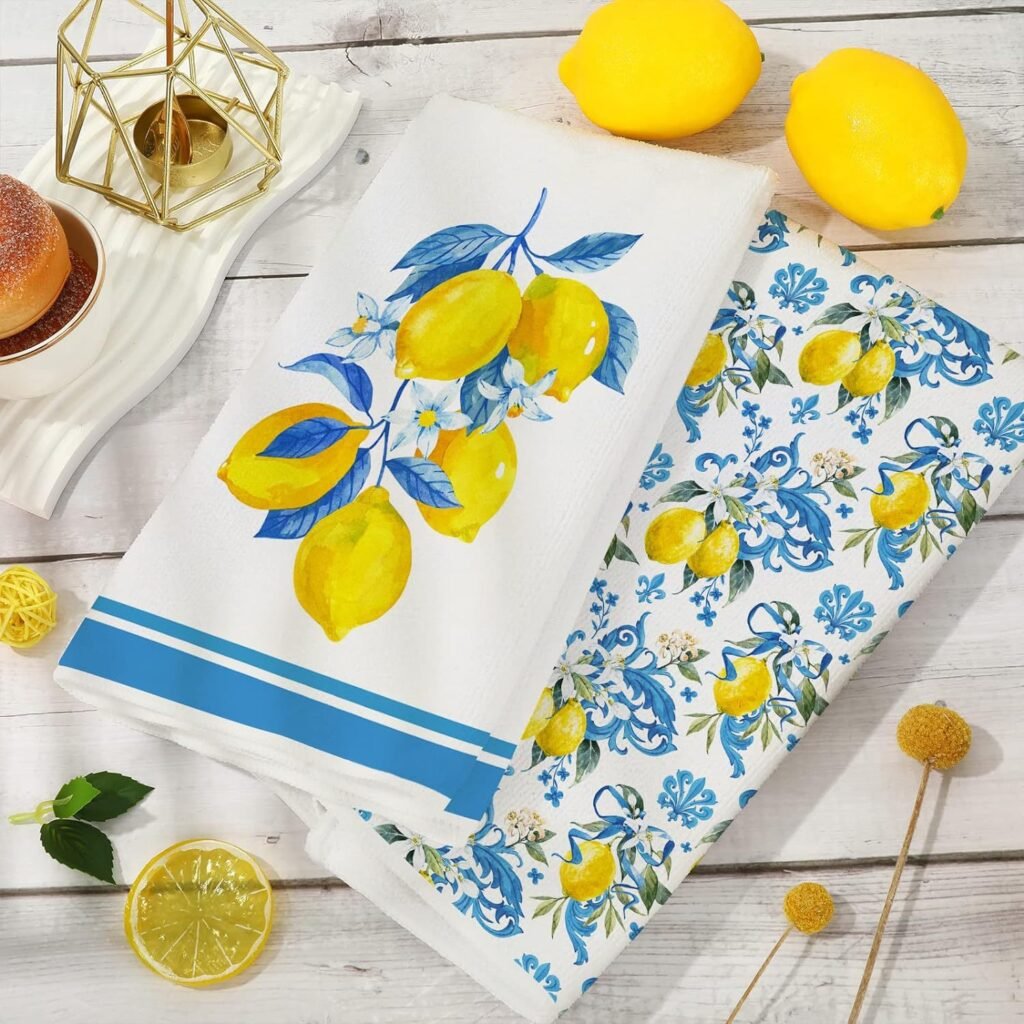
What are tea towel trends in 2026? Tea towel trends in 2026 focus on eco-friendly fabrics, decorative printed designs, reusable materials, and kitchen textiles that blend function with home decor. Organic cotton, bamboo, and microfiber lead the material choices. Botanical prints, heritage patterns, and seasonal designs drive the visual direction.
How big is the kitchen towel market? The global kitchen towel market was valued at USD 3.4 billion in 2024. It is projected to reach USD 5.9 billion by 2034, growing at a CAGR of 5.7%. This makes it one of the most consistently growing segments in home textiles.
Tea towels in 2026 are no longer just kitchen basics. They have become a blend of sustainable home textile, decorative accent, and reusable cleaning essential. As a result, the global market is booming. Whether you are a buyer, retailer, or private label brand, understanding these trends can help you stay ahead of the competition.
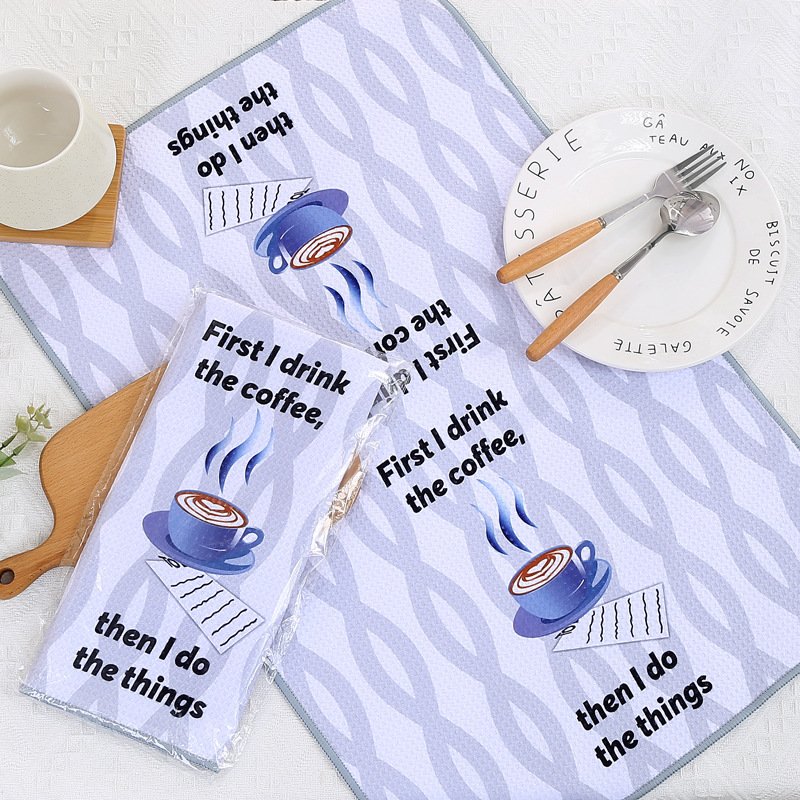
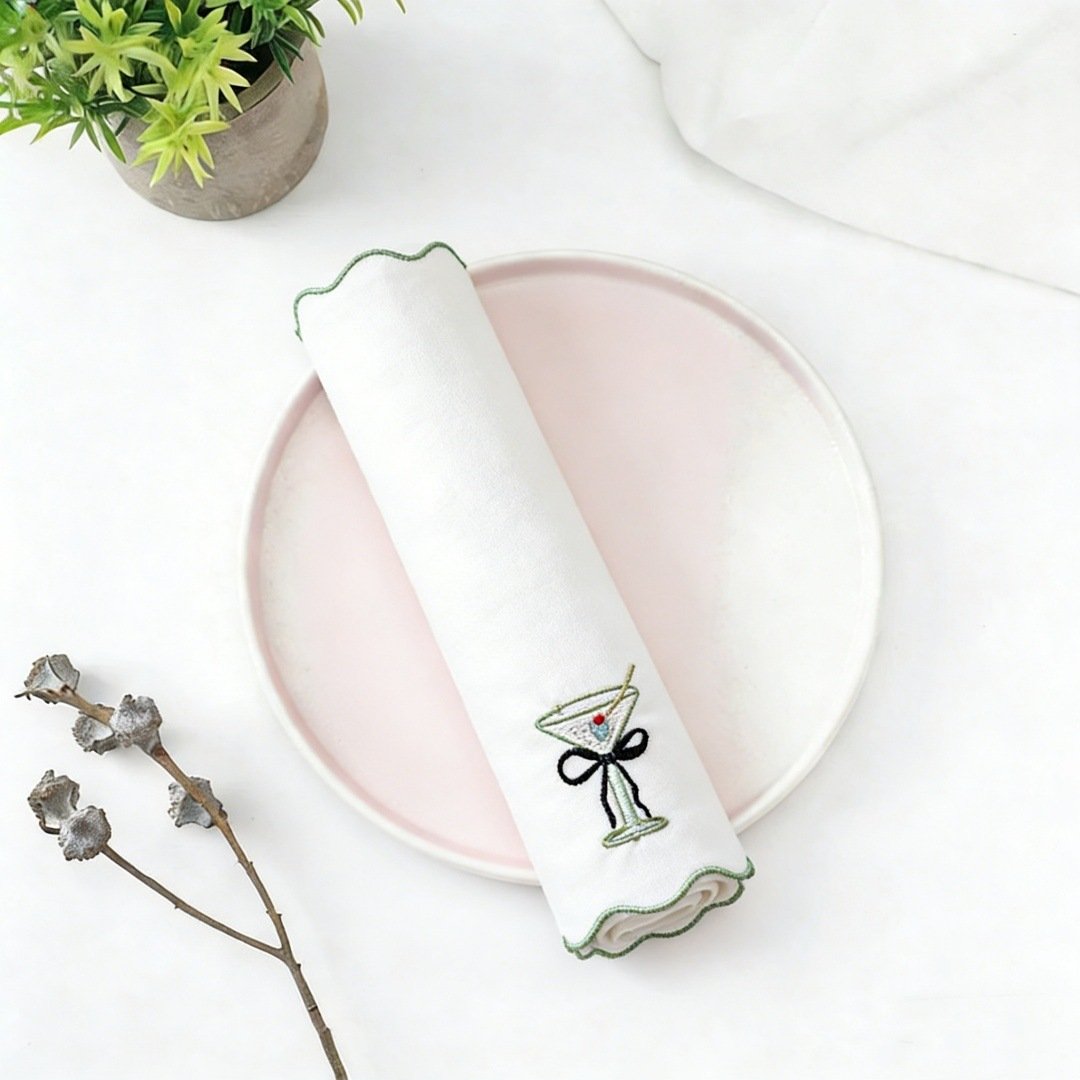
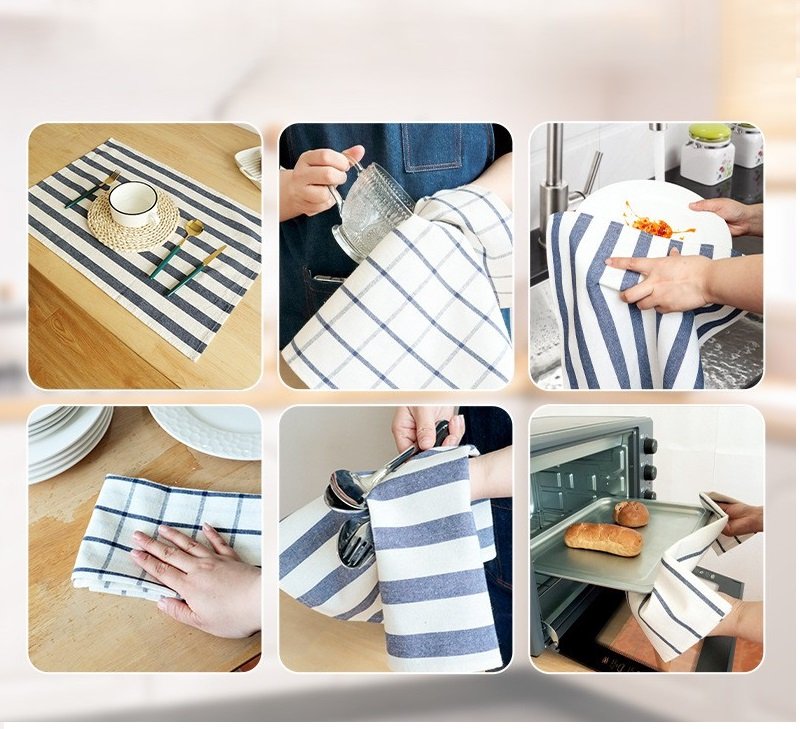
📊 2026 Kitchen Towel Market Snapshot
| Metric | Data | Why It Matters |
|---|---|---|
| Global market size, 2024 | USD 3.4 billion | Shows the category is large and commercially relevant |
| Global market forecast, 2034 | USD 5.9 billion | Supports a strong long-term growth angle for buyers |
| CAGR, 2025–2034 | 5.7% | Reliable, steady growth — low risk category |
| Microfiber segment, 2024 | USD 1.5 billion | Shows performance materials are in high demand |
| Microfiber forecast, 2034 | USD 2.7 billion | Highlights demand for absorbent, quick-dry towels |
| China market CAGR, 2025–2034 | 6.1% | China is growing faster than the global average |
| U.S. market value, 2024 | USD 0.83 billion | Valuable if you target U.S. importers or retailers |
| Organic cotton market, 2026–2034 | USD 3.25B → USD 50.78B | Massive growth signal for eco-friendly materials |
| Bamboo fiber towels, 2024–2033 | USD 1.32B → USD 2.78B | Bamboo is a confirmed growth material for tea towels |
2026 Tea Towel Trends: What’s Driving Demand Right Now
The tea towel market is growing fast. Furthermore, several key forces are fueling this growth. Understanding these drivers can help buyers and retailers make smarter decisions about their product range.
First and foremost, sustainability is reshaping buying habits. Consumers now actively seek eco-friendly household products. Additionally, home cooking trends sparked by the pandemic have permanently raised kitchen product usage. As a result, tea towels see more daily use than ever before.
“The market is clearly moving toward reusable and environmentally friendly kitchen towels, especially organic cotton and bamboo.” — Home Textile Industry Market Report, 2025
Here are the top 5 drivers shaping tea towel demand in 2026:
- Eco-consciousness: Shoppers want reusable, plastic-free kitchen alternatives. Therefore, sustainable tea towels are replacing paper towels at a rapid pace.
- Kitchen aesthetics: The kitchen has become a social, decorative space. Consequently, tea towels are now treated as décor items, not just tools.
- Home cooking growth: More people cook at home regularly. So naturally, kitchen textile usage has increased alongside this trend.
- Gifting culture: Premium kitchen linen sets have become popular gifts. Meanwhile, seasonal and holiday designs are driving impulse purchases.
- B2B channel expansion: Hotels, restaurants, and hospitality businesses are upgrading to branded tea towels. This is, therefore, opening a fast-growing commercial market.
Search data shows tea towel interest peaks in winter and summer. This pattern maps directly to holiday gifting seasons and home refresh cycles. Timing your product launches around these peaks can meaningfully increase sales.
Why Kitchen Textiles Are Becoming a Home Decor Category
Not long ago, a tea towel was purely practical. Today, however, that has completely changed. Kitchen textiles are now being styled, curated, and coordinated just like cushion covers or wall art.
Several forces are behind this shift. First, social media platforms like Instagram and Pinterest have made the kitchen a visible, photogenic space. Therefore, everything hanging in the kitchen — including tea towels — needs to look good on camera.
Second, interior design trends now flow seamlessly into the kitchen. As a result, consumers look for tea towels that match their color palette, their cookware, and their overall home aesthetic. This is a big shift from the past, when any functional towel would do.
Third, retailers are responding to this demand. Coordinated kitchen linen bundles — towels, placemats, napkins, and coasters in matching prints — are now a major retail category. Shoppers want the “whole look” in one easy purchase.
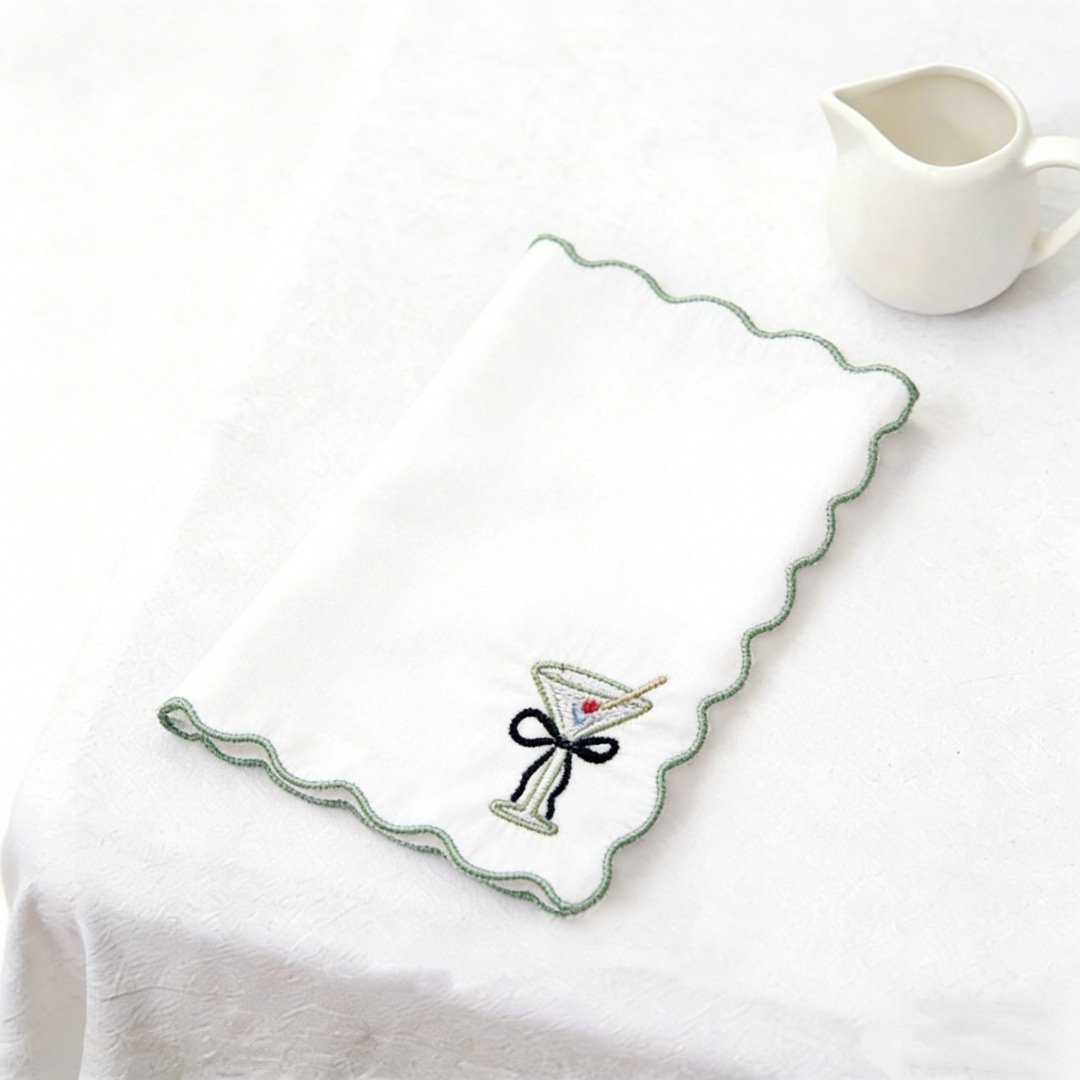
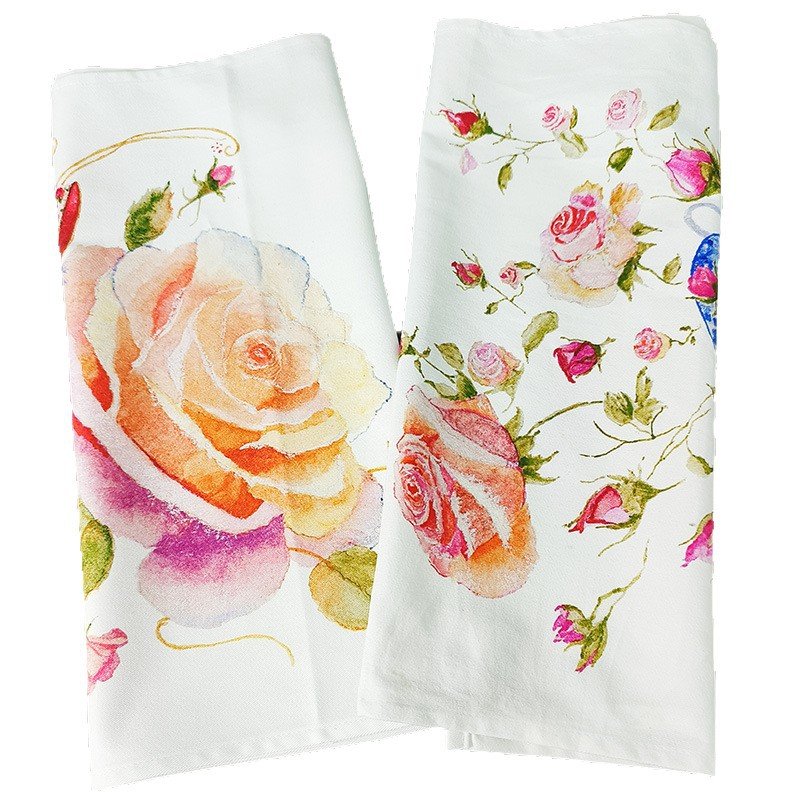
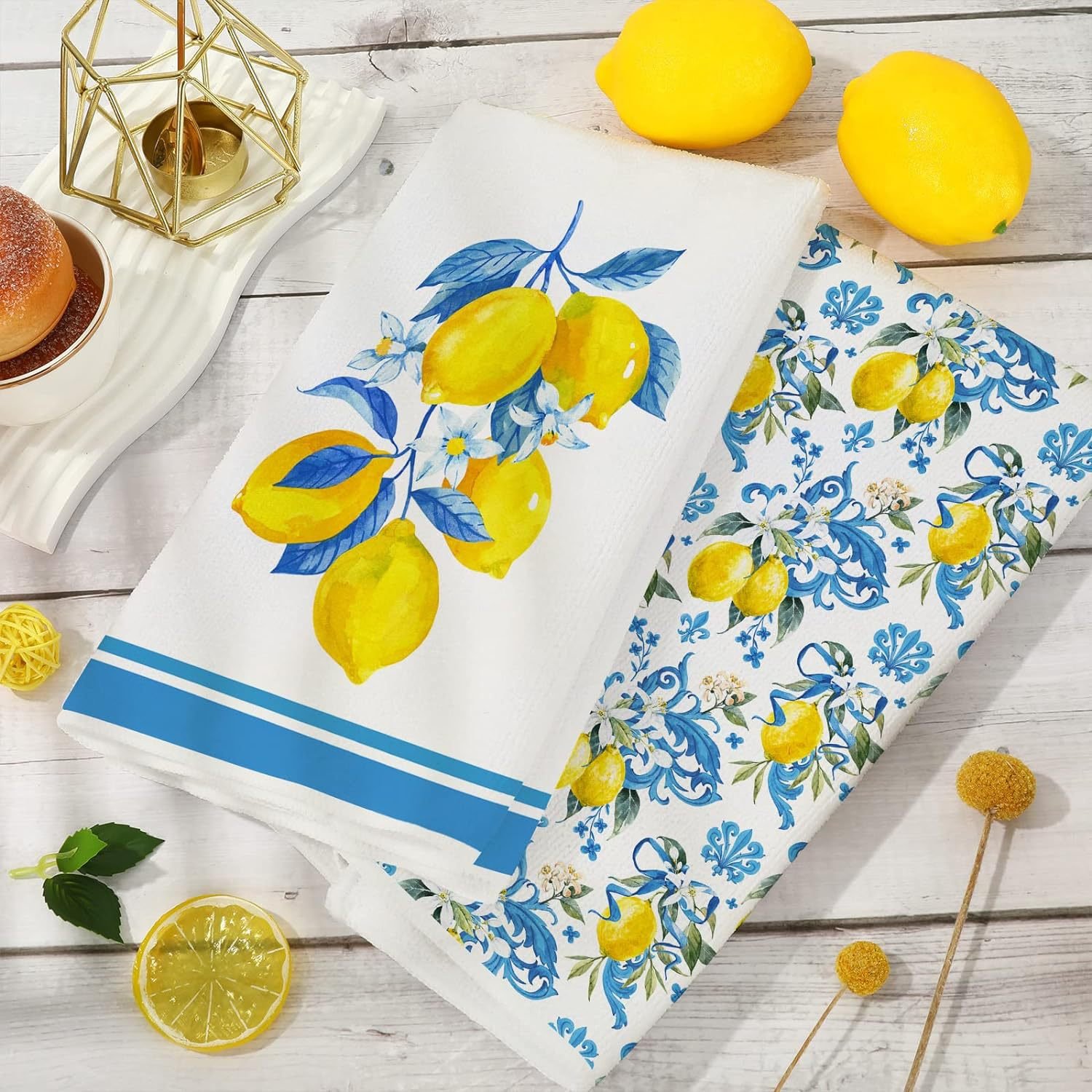
For brands and importers, this presents a clear opportunity. Tea towels positioned as décor items command higher retail prices. They also enjoy longer shelf life and stronger brand loyalty. Furthermore, they are easily bundled with other kitchen accessories for higher average order values.
In short, the kitchen textile category is evolving rapidly. Brands that treat tea towels as lifestyle products — rather than commodity cleaning items — will benefit most from this trend.
Eco-Friendly Tea Towels: Materials Buyers Are Looking For
Sustainability is no longer a bonus feature. Instead, it has become a baseline expectation for a growing share of consumers and retail buyers. Market data confirms this clearly. The organic cotton market alone is projected to grow from USD 3.25 billion to USD 50.78 billion between 2026 and 2034. Similarly, the bamboo fiber towel market is expected to nearly double in the same period.
So, which eco-friendly materials are buyers looking for in 2026? Here is a clear breakdown:
🌿 Organic Cotton
Organic cotton is the most established eco-friendly choice for tea towels. It is grown without toxic pesticides. It is also processed without harmful chemicals. As a result, it is safer for both the environment and the end user. GOTS-certified (Global Organic Textile Standard) organic cotton towels are now a recognized standard in premium retail. Long-staple organic cotton, in particular, produces softer and more durable towels that improve with every wash.
🎋 Bamboo Fiber
Bamboo is growing rapidly as a tea towel material. It is naturally antibacterial, moisture-wicking, and fast-drying. Furthermore, bamboo is one of the most water-efficient crops on Earth. Bamboo lyocell — made through a closed-loop solvent process — is especially valued for its smooth hand feel and environmental credentials. Buyers in eco-sensitive markets increasingly request bamboo options alongside cotton.
⚡ Microfiber
Microfiber tea towels are the top choice for performance-led buyers. The microfiber segment was valued at USD 1.5 billion in 2024 and is forecast to reach USD 2.7 billion by 2034. Microfiber dries quickly, cleans efficiently, and is highly durable. While it is a synthetic fiber, many manufacturers — including Favor Houseware — now offer OEKO-TEX certified microfiber options that meet strict safety and environmental standards.
♻️ Recycled Cotton
Recycled cotton tea towels are gaining traction, especially in the wholesale and private-label market. They offer a compelling circular economy story — reducing textile waste while delivering good absorbency and durability. Explore recycled textile options from Favor Houseware for inspiration on how this material can be applied across your product range.
When sourcing eco-friendly tea towels, always ask for GOTS, OEKO-TEX 100, or BSCI certification. These certifications verify both the sustainability of the materials and the ethical conditions of manufacturing. Favor Houseware holds BSCI, OEKO-TEX 100, SGS, and FDA certifications.
📋 Eco-Friendly Tea Towel Materials: Quick Comparison
| Material | Best For | Key Benefit | Certifications to Look For |
|---|---|---|---|
| Organic Cotton | Premium retail, gifting, everyday use | Soft, durable, chemical-free | GOTS, OEKO-TEX |
| Bamboo Lyocell | Eco-positioned brands, hospitality | Antibacterial, fast-drying | FSC, OEKO-TEX |
| Microfiber | Performance cleaning, commercial use | Quick-dry, highly absorbent | OEKO-TEX 100 |
| Recycled Cotton | Sustainable brands, private label | Circular story, reduces waste | GRS, OEKO-TEX |
| Linen | Luxury retail, décor, glass drying | Lint-free, elegant, durable | OEKO-TEX |
Printed Tea Towels: Why Pattern and Color Matter More Than Ever
Printed tea towels are one of the fastest-growing segments within kitchen textiles. The reason is simple. Consumers now buy tea towels to express their personal style. Therefore, pattern and color have become primary purchase drivers — often more important than price.
So, what designs are leading in 2026?
🌿 Botanical and Floral Prints
Botanical prints are the number one design trend for tea towels in 2026. Oversized fern illustrations, watercolor herb motifs, and hand-drawn wildflower patterns are especially popular. These designs evoke a sense of calm, sustainability, and connection to nature. Furthermore, they align perfectly with the broader “biophilic design” trend in interior decorating.
🧵 Heritage and Artisanal Prints
There is a strong consumer appetite for designs with cultural depth and craft heritage. Block prints inspired by traditional textile techniques, indigo-dyed geometric motifs, and patterns that reference global weaving traditions are all trending strongly. This connects to the “minimalism with meaning” movement — consumers choosing fewer products, but ones with more intentional design stories.
⬛ Scandinavian Minimalist Patterns
Classic stripes, grid checks, and windowpane patterns in black-and-white or muted naturals continue to perform consistently. These designs photograph beautifully. They also align with minimalist kitchen aesthetics and pair naturally with matte black cookware and woven accessories.
🎨 2026 Color Palette for Kitchen Textiles
The leading colorways for printed tea towels in 2026 reflect the broader home interior palette:
- Warm neutrals: cream, stone, oatmeal, natural linen
- Soft earth tones: terracotta, clay, warm sage
- Muted botanicals: dusty green, soft olive, faded ochre
- Quiet monochromes: soft white and charcoal
At Favor Houseware’s kitchen towel range, buyers can access custom digital printing with no minimum order quantity (MOQ) for print runs. This means retailers can test new designs without large upfront commitments. As a result, getting seasonal or trend-led prints to market is faster and lower risk.
Best-Selling Tea Towel Materials in 2026
If you are building a tea towel product range for 2026, knowing which materials sell best is essential. Below is a ranked list based on current market data and buyer demand:
- 100% Cotton (Woven) — Still the most widely sold tea towel material globally. It is affordable, durable, and easy to care for. Plain and printed cotton tea towels make up the largest share of retail sales.
- Organic Cotton — The premium segment leader. Growing at over 10% CAGR, organic cotton is the top pick for eco-positioned retail brands. GOTS-certified options command higher retail prices and stronger customer loyalty.
- Microfiber — The fastest-growing material by market value. Its quick-dry, high-absorbency performance makes it the top choice for commercial kitchens, hospitality buyers, and cleaning-focused retail. The microfiber segment is projected to grow from USD 1.5 billion to USD 2.7 billion by 2034.
- Bamboo Fiber — The eco-premium alternative to cotton. Its natural antibacterial properties and fast-drying performance make it especially attractive for health-conscious and sustainability-led brands. The bamboo fiber towel market is expected to nearly double, from USD 1.32 billion to USD 2.78 billion by 2033.
- Linen — A classic, premium material. Linen tea towels are lint-free, elegant, and excellent for glass polishing. They appeal to the luxury kitchen and home décor segment. Meanwhile, their natural texture aligns well with artisanal and heritage print trends.
- Cotton-Linen Blend — A practical middle ground. These blends offer the softness of cotton combined with the crispness and durability of linen. They are increasingly popular for premium retail sets and gifting collections.
- Waffle Weave Cotton — A fast-growing construction format. Waffle weave delivers superior absorbency and fast drying in a lightweight package. It is one of the most requested weave types among wholesale buyers in 2026.
Reusable vs. Disposable Kitchen Towels: What Consumers Prefer
The debate between reusable and disposable kitchen towels has been largely settled by the market. Consumer preference in 2026 is clearly shifting toward reusable options. Here is why.
✅ Reusable Tea Towels
- Reduce paper waste significantly
- More cost-effective over time
- Soft, absorbent, and long-lasting
- Available in stylish, decorative prints
- Washable and hygienic when used correctly
- Support eco-conscious brand positioning
- Strong consumer demand and market growth
⚠️ Disposable Kitchen Towels
- Convenient for single-use tasks
- Higher ongoing cost for consumers
- Significant plastic and paper waste
- No design or branding value
- Declining consumer preference
- Increasingly restricted by sustainability policies
- Limited retail premium potential
The data is clear. The global market for reusable kitchen textiles is growing at 5.7% CAGR. Furthermore, major retailers are actively expanding their reusable kitchen textile ranges. Meanwhile, disposable product categories face growing regulatory pressure in key markets like the EU and UK.
For buyers and retailers, reusable tea towels offer a much stronger long-term business case. They also align with growing consumer demand for sustainable home products. Additionally, a well-made reusable tea towel can carry a premium price point that disposable products simply cannot match.
You can also explore complementary reusable kitchen products such as microfiber cleaning cloth rolls and oven mitts to build a complete sustainable kitchen textile range.
Which Tea Towel Features Improve Absorbency and Drying
Not all tea towels are created equal. In fact, the difference in performance comes down to a handful of key construction features. Understanding these features helps buyers evaluate and compare products more effectively.
1. Weave Type
Waffle weave is the top-performing structure for absorbency. Its textured grid pattern creates more surface area, so it picks up moisture faster. Flat weave is ideal for lint-free glass drying and polishing. Terry weave (looped pile) delivers maximum softness and water absorption for general kitchen use.
2. GSM (Grams per Square Metre)
GSM is the standard measure of a towel’s weight and thickness. Here is a quick guide:
- 300–400 GSM: Lightweight, fast-drying, good for display and light use
- 400–550 GSM: Balanced absorbency and drying speed — the most popular range for retail tea towels
- 550–700 GSM: Heavy and very absorbent — ideal for premium kitchen or hospitality use
3. Fiber Length
Long-staple cotton (such as Egyptian or Turkish cotton) produces smoother, more durable, and more absorbent towels than short-staple cotton. Furthermore, long-staple fibers hold their quality better after repeated washing. This makes them the preferred choice for premium retail and gifting products.
4. Thread Count and Density
A tighter weave means better durability and more consistent absorbency. However, it also slows drying time. A slightly looser weave dries faster. Therefore, the best performance tea towels balance density with quick-dry capability.
5. Dual-Sided Construction
An emerging trend in 2026 is dual-sided tea towels — one absorbent side for drying and one smoother side for polishing. This format is gaining shelf space in premium kitchenware retail. It also allows for more creative printed designs on the display side.
6. Anti-Microbial Finish
Silver and zinc fiber infusions can reduce odor-causing bacteria on tea towels. This feature is growing in popularity in the hospitality and commercial kitchen segment. It reduces washing frequency and extends product life — a strong selling point for both commercial buyers and eco-conscious consumers.
A high-quality tea towel should absorb water in under 5 seconds and maintain colorfastness through at least 30 wash cycles. Always ask your supplier for GSM spec sheets and wash-test results before placing a bulk order.
How Seasonal and Holiday Designs Extend Shelf Life
One of the smartest product strategies in the tea towel category is seasonal design planning. Search data consistently shows tea towel interest peaks in winter (holiday gifting) and summer (home refresh and entertaining season). Tapping into these peaks can significantly extend your product’s commercial shelf life.
Here is how seasonal tea towel collections create business value:
- Christmas and winter holidays: Seasonal prints drive high-volume gifting purchases. Sets of two or three coordinated tea towels in festive designs are among the most popular hostess gift items in the category.
- Spring and Easter: Botanical, floral, and pastel prints align with spring home refresh buying cycles. This is also a key season for homeware retail promotions.
- Summer and entertaining season: Bright, graphic, and food-themed prints sell well alongside barbecue and outdoor entertaining products.
- Back-to-home autumn: Earthy tones, harvest motifs, and cozy textile aesthetics drive autumn kitchen refreshes.
- Gifting all year: Well-packaged tea towel sets with branded or personalized designs sell as gifts throughout the year — for birthdays, housewarmings, and weddings.
“Tea towels with seasonal themes function as limited-edition collectibles. They create urgency, drive repeat purchases, and give retailers a reason to refresh their displays multiple times per year.” — Retail Textile Strategy Guide, 2025
For importers and private label brands, planning seasonal tea towel designs 3–4 months ahead of the selling season is essential. This allows enough lead time for custom printing, production, and shipping — especially when sourcing from a China-based manufacturer like Favor Houseware.
How B2B Buyers Can Choose Tea Towels for Retail Collections
Choosing the right tea towels for a retail collection involves more than just picking a nice print. Instead, it requires careful evaluation of materials, performance, certifications, and commercial viability. Here is a practical checklist for B2B buyers:
- Define your customer profile: Are they eco-conscious? Style-led? Budget shoppers? Your customer profile should drive every material and design decision.
- Choose the right material: Match the material to your market positioning — organic cotton for eco/premium, microfiber for performance, bamboo for eco-innovation, linen for luxury.
- Check certifications: Require GOTS, OEKO-TEX, or BSCI documentation. These certifications protect your brand and satisfy retailer compliance requirements.
- Specify GSM and weave: Request samples with clear GSM specifications. Test absorbency and wash durability before approving a bulk order.
- Plan for seasonal collections: Build at least two seasonal ranges per year — one for winter gifting and one for the summer refresh cycle.
- Evaluate OEM/ODM options: If you want custom branding, labels, and packaging, confirm your manufacturer offers full OEM/ODM capability. Favor Houseware provides complete OEM/ODM services including custom woven labels, hang tags, and retail-ready packaging.
- Assess MOQ flexibility: Choose a supplier that supports smaller MOQs for new designs, then scales up for best-sellers. Favor Houseware offers MOQ starting from 100 pieces.
- Request free samples: Always test physical samples before committing to a production run. A good manufacturer will provide samples with shipping costs only.
- Check lead times: Confirm production and shipping lead times clearly. Planning for 45–60 days from order to delivery is typical for China-based manufacturing.
- Bundle for higher value: Plan coordinated sets — tea towels with matching placemats, napkins, or aprons — to increase average order value and retail price positioning. Explore Favor Houseware’s apron range for bundle opportunities.
Tea Towel Trends for Brands, Importers, and Private Label Buyers
The private label and brand opportunity in tea towels is significant and growing. As the category moves toward lifestyle positioning, brand identity and custom design become powerful competitive advantages. Here is what brands, importers, and private label buyers should focus on in 2026:
🎨 Custom Design is a Differentiator
Generic tea towels are a race to the bottom on price. In contrast, custom-printed designs with a clear brand aesthetic command higher margins and better customer retention. Furthermore, digital printing technology now makes low-MOQ custom design commercially viable even for small brands.
♻️ Sustainability as a Brand Story
Eco-friendly materials are not just a product feature — they are a brand narrative. Brands that can credibly tell the story of their organic cotton sourcing, GOTS certification, or recycled fiber program consistently outperform generic competitors in premium retail channels. External reporting from Textile World confirms that sustainability credentials are now a top purchase driver in the home textile category.
📦 Packaging as Part of the Product
For private label buyers, retail-ready packaging is essential. A beautifully packaged set of three tea towels looks premium, photographs well, and justifies a higher price point. Custom woven labels, branded belly bands, and gift-ready tissue wrapping are all standard capabilities at Favor Houseware.
🌍 Global Distribution Flexibility
Importers and distributors serving multiple markets benefit from a supplier that can adapt to different compliance standards, labeling requirements, and packaging formats. Additionally, having a manufacturer with experience in multiple global markets reduces the operational burden of managing international compliance.
What to Look for in a Manufacturing Partner
- Full OEM and ODM capability including custom labels and packaging
- Digital printing with no MOQ for trial runs
- Certified eco-friendly materials (GOTS, OEKO-TEX, BSCI)
- Flexible MOQ — starting from 100 pieces
- Fast turnaround with stock availability for quick replenishment
- Transparent quality control process — from raw material to shipment
- Experience supplying international retail and wholesale channels
- Free samples available (buyer pays freight only)
China-Made Tea Towels: What Global Buyers Expect in 2026
China remains the world’s most capable and competitive kitchen textile manufacturing base. The China kitchen towel market is growing at a CAGR of 6.1% — faster than the global average. This growth reflects continued investment in manufacturing technology, material innovation, and sustainable production capability.
However, global buyer expectations from China-made tea towels have risen significantly. Here is what buyers expect in 2026:
| Buyer Expectation | Why It Matters |
|---|---|
| Certified sustainable materials | Retailers require GOTS, OEKO-TEX, or equivalent documentation for eco claims |
| Custom printing capability | Brands need on-trend designs, not commodity patterns |
| Low MOQ options | Buyers want to test designs before committing to large runs |
| Fast, reliable delivery | Seasonal retail windows are narrow — lead time reliability is critical |
| Transparent quality control | Buyers need confidence in consistency across production batches |
| Ethical manufacturing compliance | BSCI and social compliance audits are standard for retail suppliers |
| OEM/ODM packaging | Private label brands need retail-ready packaging from the factory |
| Competitive pricing | China manufacturing should offer clear cost advantages vs. nearshore alternatives |
Favor Houseware Co., Ltd. is a China-based towel manufacturer with 15 years of experience supplying international markets. Based in Yiwu, Jinhua, Zhejiang Province, the factory serves wholesale buyers, importers, retailers, and private label brands across the globe.
Their certifications — BSCI, OEKO-TEX 100, SGS, and FDA — meet the compliance requirements of major retail markets including the US, EU, UK, and Australia. Their manufacturing process covers the full supply chain: weaving, printing, cutting, sewing, inspecting, packing, and shipping.
Beyond tea towels, Favor Houseware’s product range includes Turkish hammam towels, microfiber towels, surf poncho towels, surf change robes, and kitchen aprons — making them a versatile single-source supplier for a full kitchen and lifestyle textile range.
China-based factories combine advanced weaving and printing technology with broad access to certified eco-friendly materials, scalable production capacity, and competitive pricing. For global buyers sourcing tea towels at scale, partnering with a verified China manufacturer remains the most commercially sound strategy in 2026. Learn more about successful China manufacturing partnerships.
FAQs About Tea Towel Trends and Kitchen Textiles
Here are the most common questions buyers and retailers ask about tea towel trends in 2026:
What are the latest tea towel trends in 2026?
Tea towel trends in 2026 are centered on eco-friendly materials, decorative prints, and reusable performance-focused fabrics. Organic cotton, bamboo, and microfiber are especially relevant. Buyers want towels that feel premium, dry fast, and fit modern kitchens. Design-wise, botanical prints, heritage patterns, and Scandinavian minimalist styles are leading the market.
Are eco-friendly tea towels really in demand?
Yes, very much so. Market data clearly shows the kitchen towel category is growing steadily, and industry reporting specifically highlights rising demand for reusable and environmentally friendly towels made from organic cotton and bamboo. The organic cotton market alone is projected to grow from USD 3.25 billion to USD 50.78 billion by 2034. This aligns with broader consumer interest in sustainable home products.
What materials are best for tea towels?
Cotton remains the most established choice because it is absorbent and durable. Microfiber is growing fast for quick drying and cleaning efficiency. Bamboo and organic cotton are strong options for eco-positioned products. Linen is the top choice for luxury and glass-polishing applications. The best material depends on your target market and price positioning.
Why are printed tea towels popular?
Printed tea towels are popular because they serve both functional and decorative roles. Consumers increasingly treat tea towels as part of kitchen styling. Therefore, artistic prints, seasonal themes, and geometric patterns help products stand out on retail shelves. Printed designs also allow brands to tell a story and justify a premium price.
Are tea towels still relevant in modern kitchens?
Absolutely. Tea towels remain highly relevant because the category is expanding alongside hygiene awareness, home cooking trends, and interest in reusable home textiles. The market is large (USD 3.4 billion in 2024) and still growing at 5.7% CAGR. This suggests the product is evolving and growing rather than fading.
What kitchen textile trends matter most in 2026?
The most important trends are sustainability, premium materials, decorative design, and multifunctionality. Buyers want textiles that work well, look modern, and support eco-conscious shopping behavior. Additionally, seasonal collections and coordinated kitchen linen sets are growing in commercial importance.
Which tea towels work best for retail and private label?
Tea towels that combine absorbency, quick drying, attractive prints, and sustainable materials are the most commercially flexible. Retailers also benefit from seasonal collections and neutral colorways because they appeal to broader customer segments. For private label, custom printed organic cotton or bamboo tea towels with branded packaging deliver the best commercial results.
Conclusion: The Tea Towel Opportunity in 2026
The tea towel category has fundamentally transformed. It is now a high-growth, design-led, sustainability-driven market worth USD 3.4 billion globally — and rising fast toward USD 5.9 billion by 2034.
For buyers, retailers, and private label brands, the opportunity is clear. Consumers want tea towels that look beautiful, perform well, and align with their values. Therefore, the brands that combine eco-friendly materials, great design, and smart seasonal planning will capture the most value from this trend cycle.
Equally importantly, sourcing from a capable, certified China manufacturer gives global buyers the combination of quality, customization, and cost-efficiency that no other manufacturing region can match at scale. China’s kitchen towel market growing at 6.1% CAGR tells the same story.
In summary, the tea towel market in 2026 rewards brands that move from commodity to premium. Furthermore, it rewards suppliers who invest in eco-certification, custom design, and retail-ready quality. Both of those paths lead to the same destination — a stronger, more profitable kitchen textile business.
Ready to Source Premium Tea Towels from China?
Favor Houseware Co., Ltd. has 15 years of experience manufacturing custom tea towels and kitchen textiles for global buyers. We offer OEKO-TEX & BSCI certified eco-friendly fabrics, digital printing with no MOQ, MOQ from 100 pieces, and full OEM/ODM service.
🎁 Free samples available — pay freight only. Fast delivery from our factory in Yiwu, China.
Request a Free Sample Browse Kitchen Towels About Favor HousewareViews: 1