Quick Comparison: Microfiber vs Cotton vs Paper Towels
| Metric / Feature | Microfiber Glass Cloth | Cotton Cloth | Paper Towel | Waffle Weave Microfiber |
|---|---|---|---|---|
| Bacteria Removal | Up to 99% on smooth surfaces | Lower, depends on detergent | Low | Similar microfiber performance |
| Water Absorption | Up to 7-8× its own weight | Approx. 2-3× (typical cotton towels) | Very low | 7-8× its weight; “thirst pockets” trap water |
| Chemical Usage | Can clean effectively with just water | Usually needs detergents | Needs sprays/chemicals | Often used with or without chemicals |
| Durability | Reusable, can withstand hundreds to 1000 washes | Fewer wash cycles before degrading | Single use | Hundreds of washes with proper care |
| Water & Chemical Savings | Up to 95% less water and chemicals vs cotton systems | Baseline | Baseline | Same microfiber advantage |
The Guide to Microfiber Glass Cloth, Stainless Steel & Waffle Weave Towels
Are you tired of streaky windows and smudged stainless steel appliances? Moreover, choosing the right cleaning cloth can feel overwhelming with so many options available. In this guide, we’ll explore everything you need to know about microfiber glass cloth, microfiber for stainless steel, and waffle weave microfiber towels. Therefore, by the end of this article, you’ll understand exactly which towel works best for each cleaning task.
What Is Microfiber and Why It Cleans Glass So Well
Microfiber is a special type of synthetic fabric made from extremely fine fibers. Specifically, these fibers are usually made from a blend of polyester and polyamide (commonly in an 80/20 or 70/30 ratio). Because each fiber is split into tiny strands, microfiber creates a massive surface area that can trap dirt, dust, and moisture effectively.
Think of microfiber like thousands of tiny hooks and pockets working together. As a result, when you wipe a surface, these split fibers grab onto particles and hold them instead of just pushing them around. Furthermore, laboratory tests have shown that microfiber can remove up to 99% of bacteria from smooth surfaces like glass and stainless steel, even when you use just water.
“Microfiber glass cloths work like microscopic magnets for dirt and grime, capturing particles that traditional cloths simply push around.”
Additionally, the split-fiber technology means you don’t always need harsh chemicals or cleaning sprays. In fact, many professional cleaners now prefer using high-quality microfiber towels with plain water for most cleaning tasks. This saves money and is better for the environment too.
Microfiber Glass Cloth vs Paper Towels vs Cotton Rags
Now that you understand what microfiber is, let’s compare it to other common cleaning materials. While paper towels and cotton rags have been popular for decades, microfiber glass cloths offer several important advantages.
Why Microfiber Beats Paper Towels
First of all, paper towels are designed for single use only. Although they’re convenient, they create a lot of waste and often leave lint behind on glass surfaces. On the other hand, a microfiber glass cloth can be washed and reused hundreds of times. Moreover, paper towels usually require cleaning sprays to work effectively, whereas microfiber often cleans perfectly with just water.
Key Advantages of Microfiber Glass Cloth:
- Lint-free cleaning: No fuzzy residue left behind on mirrors or windows
- Streak-free results: Leaves glass crystal clear without smears
- Chemical-free option: Works effectively with just plain water
- Reusable design: Can be washed up to 1000 times
- Cost-effective: One cloth replaces hundreds of paper towels
Microfiber vs Traditional Cotton Rags
Cotton cloths have been used for cleaning for generations. However, research shows that microfiber systems can use up to 95% less water and chemicals compared to traditional cotton cleaning methods. Furthermore, cotton towels typically absorb only 2-3 times their weight in water, while microfiber absorbs 7-8 times its weight.
In addition to better performance, microfiber cloths dry faster than cotton rags. Consequently, they’re less likely to develop mildew or unpleasant odors between uses. For professional cleaners and busy households alike, this makes microfiber cleaning solutions a smarter choice.
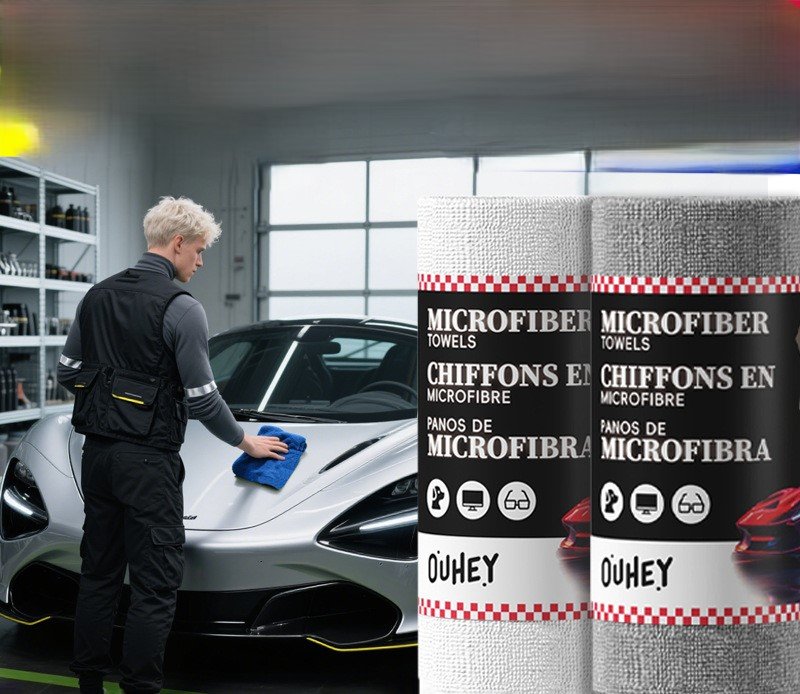

Why Microfiber Is Ideal for Stainless Steel Surfaces
Stainless steel appliances look beautiful when they’re clean, but they can be tricky to maintain. Specifically, fingerprints, water spots, and smudges seem to appear constantly on refrigerators, dishwashers, and sinks. Fortunately, microfiber for stainless steel offers the perfect solution to these common problems.
The Science Behind Microfiber and Stainless Steel
Unlike rough scrubbing pads or steel wool, microfiber has a soft, non-abrasive texture. Therefore, it cleans stainless steel without creating tiny scratches that can dull the finish over time. In fact, experts recommend using a damp microfiber cloth with distilled or filtered water as the best everyday cleaning method for stainless steel surfaces.
Furthermore, the high absorbency of microfiber helps remove fingerprints and light grease in a single wipe. Additionally, because microfiber can clean effectively without harsh chemicals, you don’t risk damaging the protective coating on your stainless steel appliances. This is especially important for maintaining the appearance of kitchen appliances and surfaces.
💡 Pro Tip for Stainless Steel Cleaning:
Always wipe in the direction of the grain on brushed stainless steel surfaces. This prevents streaks and helps maintain the uniform appearance of the finish. Then, use a dry microfiber cloth to buff away any remaining moisture.
Protecting Different Stainless Steel Finishes
Not all stainless steel surfaces are the same. While some appliances have a polished mirror-like finish, others feature a brushed texture. Regardless of the finish type, microfiber works safely on all varieties. Moreover, its gentle cleaning action protects both polished and brushed stainless finishes from damage that harsher materials might cause.
According to Consumer Reports cleaning guidelines, microfiber cloths paired with simple solutions like water or diluted dish soap provide the safest and most effective cleaning method for stainless steel appliances.
What Makes Waffle Weave Microfiber Towels Different
While standard flat microfiber cloths work wonderfully for most cleaning tasks, waffle weave microfiber towels take absorbency to the next level. These specialized towels feature a unique three-dimensional pattern that sets them apart from regular microfiber.
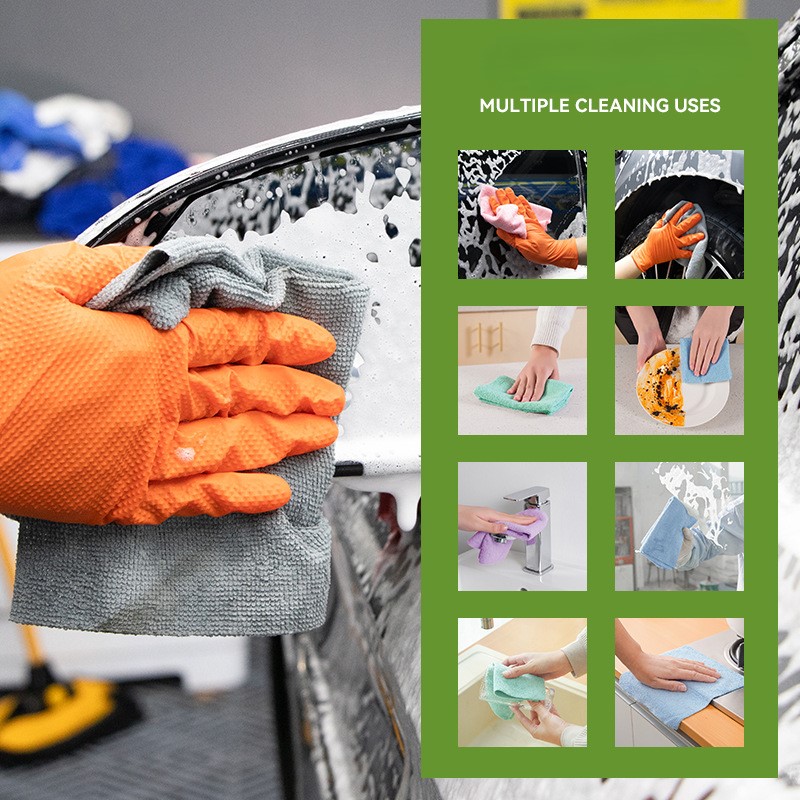
Understanding the Waffle Weave Structure
Imagine a grid of small squares, each creating a tiny pocket or well in the fabric. This is exactly what a waffle weave looks like up close. Consequently, these “thirst pockets” trap liquids and debris much more effectively than flat surfaces. In fact, waffle weave towels typically absorb 7-8 times their own weight in water, making them incredibly efficient for drying tasks.
Because of this superior absorption, car enthusiasts and professional detailers love using waffle weave microfiber towels for drying vehicles after washing. Similarly, homeowners find them perfect for drying large windows and glass shower doors. Additionally, just one waffle weave towel can often dry an entire small car without needing to wring it out.
When to Choose Waffle Weave vs Flat Microfiber
Both types of microfiber have their place in your cleaning toolkit. However, understanding when to use each one will help you get better results:
- Use waffle weave for: Drying cars, windows, dishes, countertops, and any task where you need maximum water absorption
- Use flat microfiber for: Dusting, polishing glass to remove streaks, cleaning mirrors, and detail work
- Use either for: General kitchen cleaning, wiping appliances, and everyday household tasks
Many professional cleaners keep both types on hand. For example, they might use a waffle weave towel to dry a freshly cleaned window, then follow up with a flat microfiber polishing cloth to eliminate any final streaks or water spots.
Key Technical Specs: GSM, Fiber Blend and Absorbency
When shopping for microfiber towels, you’ll often see technical specifications listed. While these numbers might seem confusing at first, understanding them helps you choose the right towel for your specific needs. Let’s break down the most important specifications in simple terms.
Microfiber Towel Specifications Guide
| Specification | Typical Range | Best Used For |
|---|---|---|
| Glass Cloth Size | 40 × 40 cm or 40 × 45 cm (16 × 16 inches) | Windows, mirrors, glass surfaces |
| Fiber Blend (Standard) | 80% polyester / 20% polyamide | General cleaning, glass, stainless steel |
| Fiber Blend (Premium) | 70% polyester / 30% polyamide | Waffle weave, heavy-duty drying |
| Glass/Stainless GSM | 250-320 gsm | Streak-free cleaning, quick drying |
| Waffle Weave GSM | 350-400 gsm | Maximum absorption, drying tasks |
| Water Absorption | 7-8× towel’s own weight | Both waffle weave and quality flat microfiber |
What Is GSM and Why Does It Matter?
GSM stands for “grams per square meter” and measures how dense or heavy the fabric is. Essentially, a higher GSM means more fibers packed into the same amount of space. However, this doesn’t always mean better – instead, the ideal GSM depends on your intended use.
For example, microfiber glass cloths typically work best at 250-320 GSM. This weight provides excellent cleaning power while still being light enough to dry quickly between uses. Conversely, waffle weave microfiber towels often feature 400 GSM or higher because their three-dimensional structure requires more material to create those absorbent pockets.
Understanding Fiber Blend Ratios
The polyester-polyamide blend ratio affects both performance and feel. Specifically, polyester provides durability and helps the cloth maintain its shape through many washes. Meanwhile, polyamide (also called nylon) creates the split fibers that make microfiber so effective at grabbing dirt and moisture.
Most standard microfiber uses an 80/20 blend (80% polyester, 20% polyamide). This combination offers a great balance of cleaning power and longevity. However, premium waffle weave towels sometimes use a 70/30 blend for even better absorbency. When you’re choosing towels from professional manufacturers, they can customize these ratios based on your specific needs.
How Long Do Microfiber Cloths Last in Real Use
One of the biggest advantages of investing in quality microfiber is its impressive lifespan. Unlike disposable cleaning products, a well-made microfiber glass cloth or waffle weave microfiber towel can serve you for years with proper care.
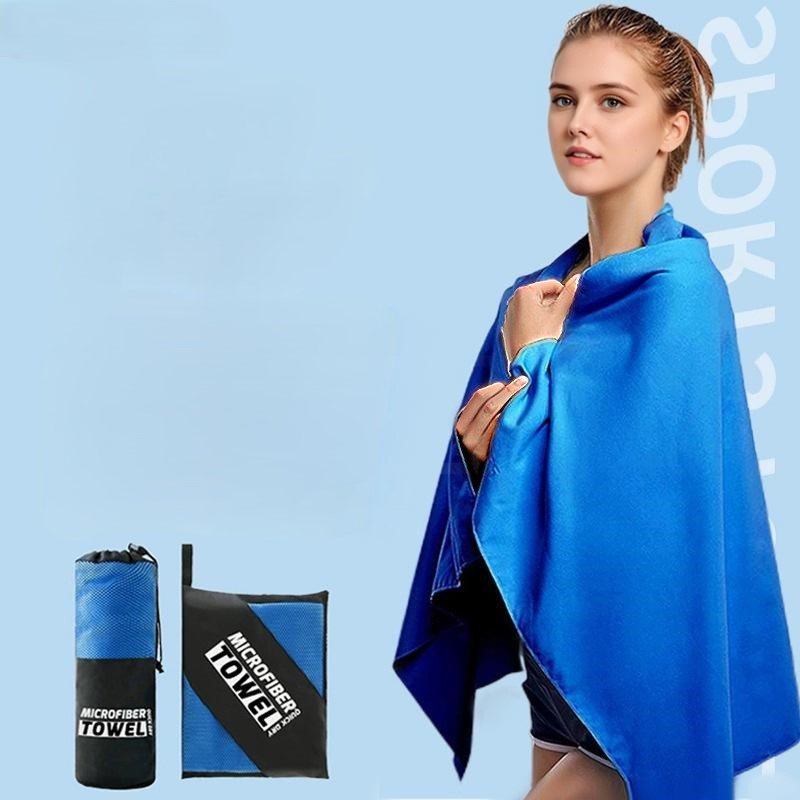
The 1000-Wash Benchmark
Research from institutional cleaning programs shows that high-quality microfiber cloths can withstand up to 1000 wash cycles before they start losing effectiveness. That’s remarkable when you compare it to cotton towels, which typically need replacing after just 50-100 washes. Furthermore, even after hundreds of uses, microfiber often performs better than brand-new cotton alternatives.
Interestingly, laboratory tests have revealed something surprising: microfiber performance often improves after the first few washes. Initially, new microfiber may have some manufacturing residue or oils. However, once you’ve washed the towel 2-3 times, the fibers become fully activated and reach their peak cleaning potential.
Real-World Longevity Factors
Of course, how long your microfiber lasts depends on several factors beyond just the number of washes:
- Washing method: Proper care (covered in detail below) dramatically extends towel life
- Initial quality: Professional-grade microfiber outlasts budget options significantly
- Usage type: Light dusting is gentler than heavy scrubbing or automotive use
- Storage conditions: Storing towels clean and dry prevents mildew damage
💰 Cost-Per-Use Calculation:
A quality microfiber towel costs approximately $5-$10. If it lasts for 500 washes (a conservative estimate), that’s just 1-2 cents per use. Compare that to paper towels at roughly 5-10 cents per sheet, and the savings become obvious quickly!
Signs It’s Time to Replace Your Microfiber
Eventually, even the best microfiber towels need replacement. Watch for these indicators that your towel has reached the end of its useful life:
- The cloth feels stiff or scratchy instead of soft
- It stops absorbing water as effectively as before
- You notice fraying edges or holes in the fabric
- It starts leaving lint or streaks where it once cleaned perfectly
When these signs appear, don’t throw your old microfiber in the regular trash. Instead, many textile recycling programs accept worn-out microfiber, or you can repurpose it for very dirty jobs like garage cleaning before final disposal.
Best Practices for Using Microfiber on Glass and Stainless Steel
Having the right microfiber towels is only half the battle. Using them correctly makes all the difference between decent results and truly professional-looking cleanliness. Let’s explore the best techniques for both glass and stainless steel surfaces.
For Glass Surfaces
Cleaning glass might seem simple, but following the right steps ensures streak-free, crystal-clear results every time. Here’s the professional approach:
- Start with a slightly damp microfiber glass cloth. You don’t want it dripping wet – just moist enough to lift dirt and grime. In fact, too much water can actually cause more streaks.
- Wipe the glass surface in straight lines. Rather than using circular motions, work from top to bottom or side to side. This prevents creating swirl marks and makes it easier to spot any remaining streaks.
- Follow up with a dry microfiber cloth. This second pass “zaps” any moisture or cleaner residue, leaving the glass perfectly clear. Professional window cleaners call this the “buffing” step.
- For stubborn spots, add a tiny amount of glass cleaner or vinegar solution. However, remember that quality microfiber often works with just water, so try that first before reaching for chemicals.
“The secret to streak-free glass isn’t expensive cleaners – it’s using the right microfiber technique with proper damp and dry passes.” – Professional Window Cleaning Association
For Stainless Steel Surfaces
Stainless steel requires a slightly different approach to maintain its beautiful finish without causing damage. Here’s how to use microfiber for stainless steel correctly:
- Always wipe in the direction of the grain. Look closely at your stainless steel surface – you’ll notice fine lines running in one direction. This is the “grain,” and wiping along these lines (not across them) prevents streaking.
- Use distilled or filtered water when possible. Tap water often contains minerals that can leave spots on stainless steel. Therefore, distilled water gives you the cleanest results without any residue.
- Keep the cloth just barely damp. Stainless steel doesn’t need much moisture. Additionally, excess water can leave spots that require extra buffing to remove.
- Dry immediately with a second microfiber cloth. This prevents water spots and keeps the surface looking polished. Consequently, your appliances will maintain their showroom shine.
- Avoid abrasive cleaners or scrubbing pads. Even if you’re dealing with stuck-on food, a soft microfiber cloth with gentle pressure works better than harsh scrubbers that can scratch the finish.
For particularly stubborn stains or fingerprints on stainless steel, you can add a drop of mild dish soap to your damp microfiber for stainless steel. However, always rinse with clean water afterward and dry thoroughly. According to Good Housekeeping’s cleaning experts, this gentle approach preserves the protective coating on stainless steel appliances.
How to Wash and Care for Microfiber Towels
Proper care is essential for maintaining your microfiber towels’ effectiveness and longevity. Fortunately, washing microfiber correctly is straightforward once you know the key rules. Let’s explore the do’s and don’ts of microfiber care.
The Golden Rules of Washing Microfiber
✓ DO These Things:
- Wash microfiber towels separately from other laundry, or use a washing bag
- Use warm water (not hot) – temperatures around 40°C (104°F) are ideal
- Add only a small amount of mild detergent without added dyes or fragrances
- Tumble dry on low heat or air dry to preserve the fibers
- Wash new towels 2-3 times before first use to remove any manufacturing residue
✗ NEVER Do These Things:
- Never use fabric softener – it coats the fibers and ruins their ability to absorb and clean
- Never use bleach – it breaks down the synthetic fibers and shortens towel life
- Never wash with cotton lint-producers like bath towels – the lint clogs microfiber’s tiny fiber splits
- Never use high heat when drying – it can melt the fine fibers and damage the towel permanently
- Never iron microfiber – the heat will destroy the split-fiber structure
The Environmental Benefit of Washing Bags
Recent research has shown that microfiber towels can shed tiny synthetic fibers during washing. However, there’s a simple solution that benefits both your towels and the environment. Washing bags can capture up to 99% of the fibers that would otherwise be released into wastewater systems.
These special mesh bags (like Guppyfriend or similar products) work by containing the towels during the wash cycle. As a result, any loose fibers stay trapped inside the bag rather than flowing down the drain. Furthermore, using a washing bag actually helps your microfiber glass cloth and waffle weave microfiber towels last longer because it reduces friction during washing.
Many environmentally conscious manufacturers, including those producing sustainable textile products, now recommend washing bags as a standard care practice for all microfiber items.
Quick Care Tips for Busy Households
- Rinse after each use: A quick rinse removes most dirt and prevents buildup between proper washes
- Keep separate color-coded towels: Use different colors for different tasks (blue for glass, green for kitchen, etc.) to avoid cross-contamination
- Hang to air dry between uses: This prevents mildew and keeps towels fresh until wash day
- Wash every 3-5 uses: For typical household cleaning, this frequency maintains good hygiene without overwashing
How Long Do Microfiber Cloths Last in Real Use
We briefly touched on microfiber longevity earlier, but let’s dive deeper into what you can realistically expect from your investment in quality microfiber towels. Understanding the lifespan helps you calculate the true cost-effectiveness of these cleaning tools.
The 500 to 1000 Wash Reality
While institutional studies cite that professional-grade microfiber can last up to 1000 washes, most home users will see their towels remain effective for 500-800 washes with good care. That’s still impressive – if you wash your microfiber glass cloth once per week, it would last nearly 10 years!
Moreover, research published in cleaning industry journals shows that microfiber performance actually improves after the first 5-10 washes and then remains better than new cotton even after 150+ wash cycles. Therefore, don’t worry if your towel seems slightly less absorbent when brand new – it’s still “breaking in.”
Factors That Extend or Reduce Lifespan
Several factors influence how long your microfiber towels will last in real-world conditions:
| Factor | Extends Life | Reduces Life |
|---|---|---|
| Washing Temperature | Warm water (40°C/104°F) | Hot water (60°C+/140°F+) |
| Detergent Type | Mild, fragrance-free detergent | Harsh chemicals, fabric softener |
| Drying Method | Low heat or air drying | High heat drying |
| Usage Type | Glass, dusting, general cleaning | Heavy scrubbing, rough surfaces |
| Initial Quality | Professional-grade, high GSM | Budget or promotional towels |
Investing in quality microfiber from reputable professional towel manufacturers makes a significant difference in longevity. While budget options might cost $1-2 per towel, they often last only 50-100 washes. Conversely, professional-grade towels at $5-10 each can last 10 times longer, making them far more economical in the long run.
Environmental Impact of Microfiber and How to Reduce Shedding
It’s important to address the environmental considerations of microfiber use honestly. While these towels offer many eco-friendly benefits compared to disposable alternatives, they’re not without environmental concerns. Let’s explore both sides of this issue and learn how to minimize any negative impacts.
The Microfiber Shedding Challenge
Like all synthetic textiles, microfiber towels can release tiny plastic fibers during washing. These microplastics are so small that they can pass through standard wastewater treatment systems and potentially enter rivers and oceans. However, before this discourages you from using microfiber, let’s look at the solutions and put the issue in perspective.
Studies have shown that washing bags and fiber filters can capture 87-99% of shed fibers before they enter wastewater systems. Furthermore, advanced wastewater treatment facilities using membrane bioreactors and granular activated carbon can reduce remaining microfibers by up to 61%. Therefore, the combination of responsible washing practices and modern treatment infrastructure significantly minimizes environmental impact.
🌍 Reducing Your Microfiber Environmental Footprint:
- Always use a Guppyfriend bag or similar fiber-catching washing bag
- Wash microfiber less frequently – rinse and air dry between uses when possible
- Use cold or warm water instead of hot (also extends towel life)
- Fill your washing machine properly – fuller loads create less fiber friction
- Choose quality microfiber that lasts 500+ washes rather than cheap options that wear out quickly
- When towels eventually wear out, look for textile recycling programs in your area
The Bigger Environmental Picture
While microfiber shedding is a valid concern, it’s also important to consider the overall environmental equation. Microfiber systems use up to 95% less water and chemicals compared to traditional cotton cleaning methods. Additionally, one reusable microfiber towel replaces hundreds or thousands of disposable paper towels over its lifetime.
According to research from environmental protection agencies, the water and chemical savings from microfiber cleaning often outweigh the microplastic concerns when proper care methods are followed. Furthermore, as wastewater treatment technology continues improving, the environmental profile of microfiber becomes increasingly favorable.
What Manufacturers Are Doing
Progressive textile manufacturers are actively working on solutions to the shedding issue. Some innovations include:
- Tighter weaving techniques that reduce fiber loss during washing
- Edge treatments that prevent fraying and fiber release
- Research into biodegradable synthetic alternatives
- Clear care instructions that promote longer towel life and responsible washing
Manufacturers focused on sustainability, such as those producing recycled textile products, are leading the way in developing more environmentally friendly microfiber options while maintaining the cleaning performance that makes these products so valuable.
How China Manufacturers Like Favor Houseware Customize Microfiber Towels
Understanding the manufacturing process helps you appreciate the quality and customization options available when sourcing microfiber towels. China has become the global leader in microfiber production, combining advanced textile technology with flexible manufacturing capabilities. Let’s explore what this means for businesses and bulk buyers.
Standard Specifications and Custom Options
Professional Chinese manufacturers like Favor Houseware can produce the standard 16 × 16 inch (40 × 40 cm) microfiber glass cloth that international buyers expect. However, customization extends far beyond basic dimensions. Manufacturers can adjust multiple parameters to meet specific needs:
- Size customization: From small 12 × 12 inch detailing cloths to large 24 × 36 inch drying towels
- GSM variations: Light 200 GSM for economy lines up to premium 500+ GSM for maximum absorbency
- Fiber blend ratios: Standard 80/20 or premium 70/30 polyester-polyamide mixes
- Color options: Solid colors, two-tone designs, or custom Pantone matching for brand consistency
- Edge finishing: Overlock stitching, silk piping, or ultrasonic cutting depending on intended use
Quality Control and Manufacturing Standards
Reputable Chinese microfiber manufacturers maintain rigorous quality control throughout production. This includes testing for:
🔍 Key Quality Checkpoints:
- Fiber consistency: Ensuring uniform split-fiber structure throughout each towel
- Absorbency testing: Verifying that towels meet stated water absorption ratios (7-8× weight)
- Colorfastness: Testing dye stability through multiple wash cycles
- Dimensional stability: Checking that towels maintain size after washing
- Lint-free performance: Confirming no fiber shedding during normal use
According to industry analysis from textile manufacturing consultancies, Chinese factories have invested heavily in quality control systems that rival or exceed Western standards, while maintaining competitive pricing through economies of scale.
OEM and Private Label Services
For businesses looking to create their own branded microfiber products, Chinese manufacturers offer comprehensive OEM (Original Equipment Manufacturer) services. This includes:
- Custom packaging design: From simple poly bags to premium retail-ready boxes with your branding
- Hang tags and labels: Woven labels sewn into towels or printed hang tags with care instructions
- Logo embroidery or printing: Your brand prominently displayed on each towel
- Sample development: Pre-production samples to verify specifications before bulk orders
- Flexible MOQs: Minimum order quantities that scale with your business size
Favor Houseware, with expertise in producing various specialized towel products and textile manufacturing, can guide you through the customization process from concept to finished product.
Industry Expertise and Product Range
Manufacturers with diverse product lines bring valuable cross-industry expertise. For example, a company that produces both beach and surf towels and microfiber cleaning cloths understands how different fiber structures, weaving techniques, and finishing processes affect performance in various applications.
This comprehensive knowledge allows them to recommend the best specifications for your specific use case, whether you’re sourcing waffle weave microfiber towels for automotive detailing or microfiber for stainless steel in commercial kitchens.
Frequently Asked Questions About Microfiber Towels
Let’s address the most common questions people have about microfiber cleaning cloths. These answers will help you make informed decisions and get the best performance from your towels.
Is microfiber safe to use on glass?
Yes, absolutely! Microfiber glass cloths are specifically designed to be non-abrasive and lint-free. They clean glass, mirrors, and windows without scratching or leaving streaks. In fact, microfiber is one of the safest materials you can use on delicate glass surfaces.
What kind of microfiber cloth is best for stainless steel?
A soft, tightly woven microfiber cloth used damp with distilled or filtered water is recommended as the best everyday option for stainless steel appliances and countertops. Specifically, cloths in the 250-320 GSM range work perfectly for microfiber for stainless steel applications without scratching the finish.
What is a waffle weave microfiber towel used for?
Waffle weave microfiber towels are mainly used for drying glass, windows, and vehicles. Their waffle pattern creates “thirst pockets” that trap water effectively, allowing them to absorb 7-8 times their weight. Consequently, they’re perfect for any task where maximum water absorption is needed.
What GSM is best for glass cleaning microfiber?
For glass, many users prefer medium-weight microfiber around 250-320 GSM to balance streak-free performance and quick drying. However, heavier 350-400 GSM waffle weaves are favored specifically for drying tasks rather than cleaning.
Can you use the same microfiber cloth on glass and stainless steel?
While it’s possible, best practice is to dedicate separate cloths or colors to glass and to stainless steel or kitchen surfaces. This prevents cross-contamination and keeps glass truly streak-free. Many professionals use a color-coding system for different cleaning areas.
How many times can you wash a microfiber cloth?
Quality microfiber cloths can withstand hundreds of launderings. Specifically, institutional guidance reports they can last up to around 1000 washes when cared for correctly, still outperforming cotton alternatives significantly. Even after 500 washes, they often clean better than new cotton towels.
Do microfiber towels need chemicals to clean effectively?
No! Microfiber can remove dust, dirt, and even many bacteria with just water, thanks to the split fibers and large surface area. Therefore, chemicals and sprays are often optional rather than required. This makes microfiber both cost-effective and environmentally friendly.
How do you wash microfiber towels without ruining them?
Wash microfiber in warm water with mild detergent, avoid bleach and fabric softener, and tumble dry on low. Additionally, washing in a fiber-capture bag helps both performance and environmental impact. Never use high heat or fabric softener, as these will damage the fibers permanently.
Do microfiber cloths scratch stainless steel or car paint?
High-quality, non-abrasive microfiber cloths are considered safe for stainless steel and automotive paint when used clean and free from trapped grit. They’re preferred over harsher pads or brushes precisely because they protect delicate finishes while cleaning effectively.
Are microfiber towels bad for the environment?
Microfiber textiles can shed synthetic fibers, but filters, washing bags, and modern wastewater treatment can capture a large share of these emissions (87-99%). Furthermore, their long life and reduced chemical use partly offset impacts. When used responsibly with proper care, microfiber is often more environmentally friendly than disposable alternatives.
Conclusion: Choosing the Right Microfiber Towel for Every Task
Throughout this comprehensive guide, we’ve explored the science, benefits, and practical applications of microfiber glass cloth, microfiber for stainless steel, and waffle weave microfiber towels. Now you understand why these remarkable cleaning tools have revolutionized both household and professional cleaning.
To summarize the key takeaways:
- Microfiber’s split-fiber technology removes up to 99% of bacteria with just water
- These towels use 95% less water and chemicals compared to traditional methods
- Quality microfiber lasts 500-1000 washes, making it incredibly cost-effective
- Different types serve different purposes: flat weave for glass, waffle weave for maximum absorption
- Proper care extends towel life and minimizes environmental impact
Whether you’re a homeowner seeking streak-free windows, a professional cleaner building your toolkit, or a business sourcing bulk cleaning supplies, investing in quality microfiber pays dividends in performance, durability, and cost savings.
Ready to Experience Professional-Grade Microfiber?
Favor Houseware specializes in manufacturing premium microfiber towels with customization options for businesses of all sizes. From standard specifications to fully custom OEM solutions, we bring decades of textile expertise to every order.
Join hundreds of satisfied clients who trust Favor Houseware for quality microfiber solutions. Visit our blog for more cleaning tips and product guides.
Looking for other specialized textile products? Check out our kitchen towels, surf change robes, and complete range of professional textile solutions.
Views: 12