Did you know that a simple microfiber cloth can remove up to 98% of bacteria from a surface — using only water? That sounds almost too good to be true. But the science behind microfiber and bacteria removal is real, well-tested, and truly impressive. In this guide, we will break down exactly how microfiber removes bacteria, what the cleaning science says, and how to pick the right microfiber towel for your needs.
⚡ Quick Answer: Microfiber & Bacteria Removal — Key Facts
Here are the most important facts about microfiber and bacteria removal, all in one place. Bookmark this table for quick reference!
| Topic | Key Data Point | Why It Matters |
|---|---|---|
| Bacteria removal — microfiber | Up to 98% | Far exceeds most regular cloths |
| Virus removal — microfiber | Up to 93% | Effective even against viruses |
| Microfiber vs cotton (bacteria removal) | 99% vs 30% | Microfiber is over 3× more effective |
| Water absorption capacity | Up to 7–8× its own weight | Holds more dirt and moisture |
| Global microfiber market (2023) | USD 2.45 billion | Massive, proven global demand |
| Market forecast (2030) | USD 11.04 billion | Fastest-growing cleaning product |
| Market CAGR (2024–2030) | 24% annually | Huge growth in reusable cleaning |
| Cleans without chemicals? | Yes | Water alone is often enough |
Sources: UC Davis Health cleaning research; Grand View Research microfiber market report; EPA surface cleaning guidance.
Why Does Microfiber and Bacteria Removal Matter?
Think about the surfaces you touch every day. Door handles, kitchen counters, bathroom sinks — they are all covered in tiny germs called bacteria. Traditional cleaning methods often just push those germs around rather than actually removing them. That is a problem worth solving.
Microfiber is a modern cleaning material that has changed the game. It is used everywhere — from hospitals and hotels to homes and kitchens. And for good reason: the cleaning science behind microfiber is backed by real data.
Furthermore, more and more people want to clean without harsh chemicals. Microfiber makes that possible. Let us walk through everything you need to know, step by step.
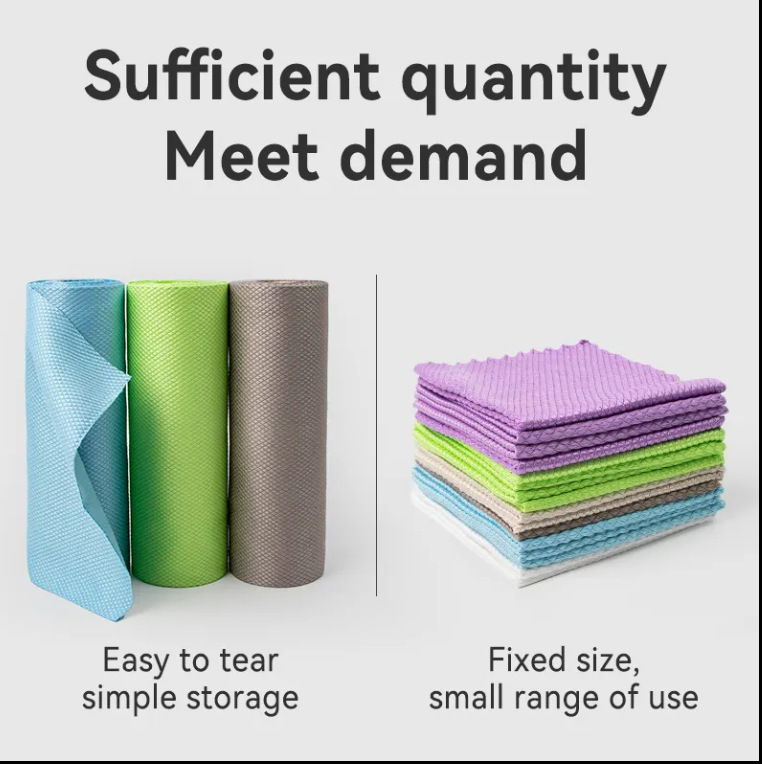
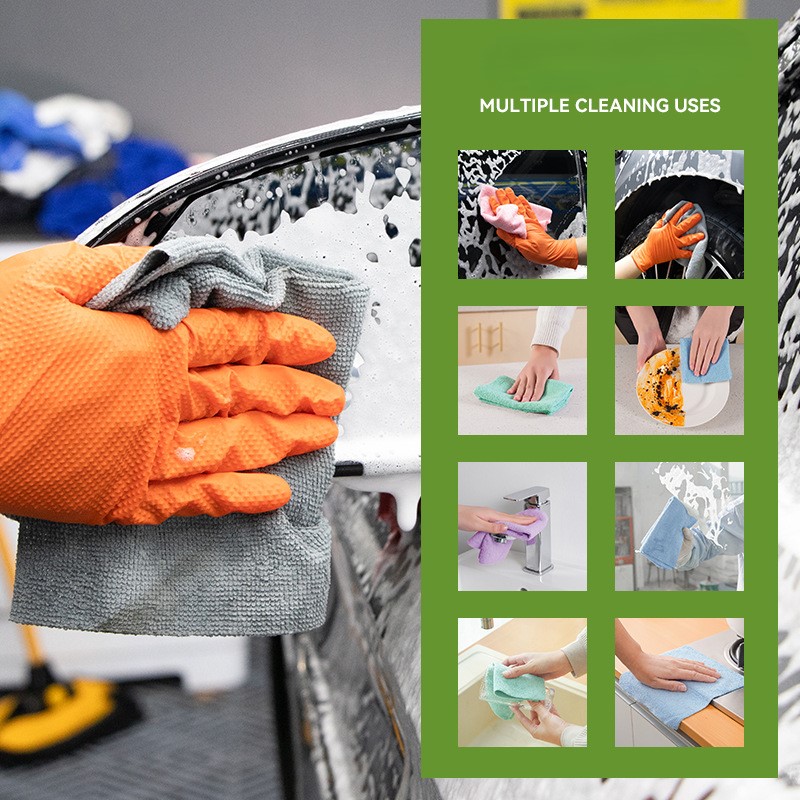
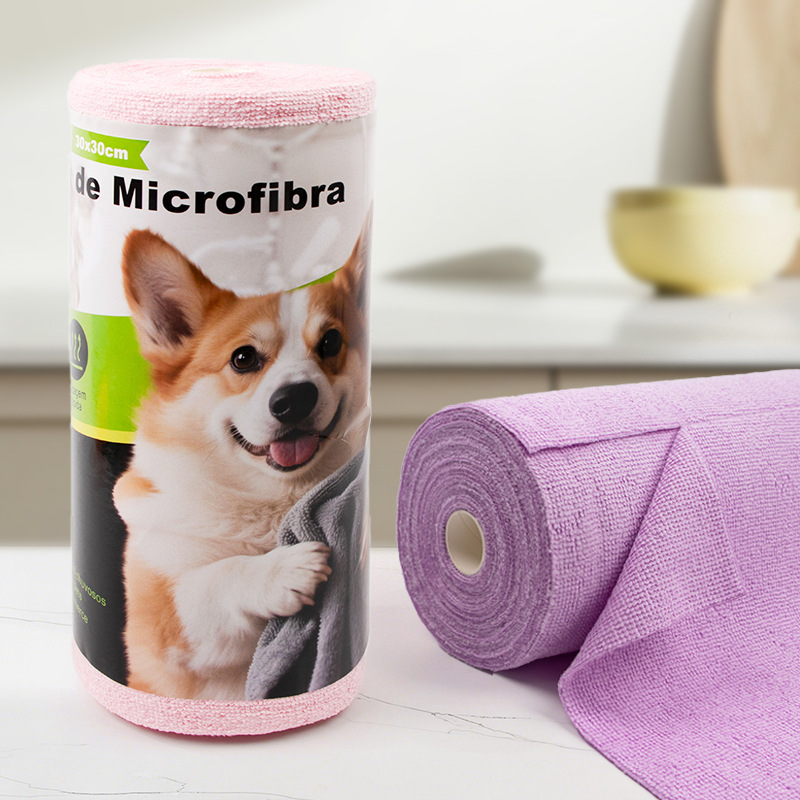
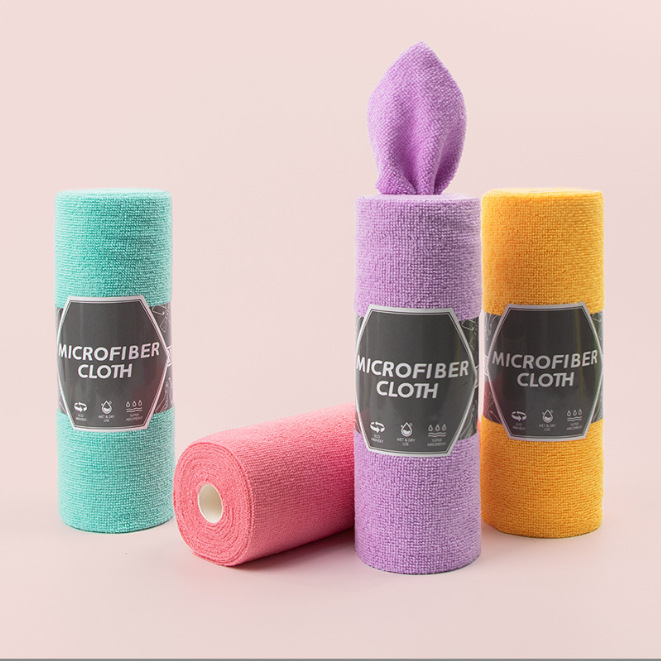
What Makes Microfiber Different from Cotton?
First of all, let us start with the basics. Microfiber is a man-made fabric. It is made from tiny threads of polyester and nylon. And when we say tiny, we really mean it — these fibers are up to 100 times thinner than a human hair.
✅ Microfiber
- Ultra-fine fibers (100× thinner than hair)
- Huge surface area for trapping dirt
- Positively charged — attracts bacteria & dust
- Absorbs up to 8× its weight in water
- Reaches into tiny surface cracks
- Removes up to 98% of bacteria with water
❌ Regular Cotton
- Larger, thicker fibers
- Less surface area for cleaning
- Neutral charge — pushes bacteria around
- Absorbs less moisture
- Misses tiny surface crevices
- Removes only about 30% of bacteria
Additionally, the fibers in microfiber carry a slight positive charge. Bacteria and dust particles carry a negative charge. So, as a result, microfiber acts like a tiny magnet — it attracts and holds particles instead of just moving them around. Cotton simply does not work this way. That is one of the biggest differences in cleaning science between the two fabrics.
How Microfiber Removes Bacteria from Surfaces
So, how exactly does microfiber remove bacteria? The answer lies in a process called mechanical capture. It means the fibers physically pick up and hold bacteria inside the cloth — without needing any chemicals to help.
Here is how the process works, step by step:
- The cloth contacts the surface. As you wipe, the ultra-fine fibers spread out and touch a huge area of the surface at once.
- Fibers penetrate tiny cracks. Because the fibers are so small, they reach into microscopic grooves and crevices that regular cloths completely miss.
- Positive charge attracts bacteria. The naturally positive charge of the fiber attracts negatively charged bacteria, dust, and dirt particles like a magnet.
- Bacteria gets trapped inside the cloth. The particles are then held within the dense fiber structure and do not fall back onto the surface.
- The surface is left clean. Finally, the result is a surface with up to 98% fewer bacteria — often achieved with water alone.
Moreover, because microfiber can absorb up to 7–8 times its own weight in liquid, it also picks up moisture that might contain dissolved bacteria. This makes it especially useful for wet cleaning tasks like wiping down kitchen counters or bathroom surfaces.
For a great example of this technology in a practical cleaning product, check out the disposable microfiber cleaning cloth rolls from Favor Houseware — designed to make everyday cleaning faster, safer, and more hygienic.
Does Microfiber Kill Bacteria or Just Remove It?
🔍 Quick Answer: Does Microfiber Kill Bacteria?
No — microfiber does NOT kill bacteria. Instead, it physically removes bacteria from the surface and traps it inside the cloth. The bacteria is captured and relocated — not destroyed. This is why washing your microfiber cloth properly after use is so important.
This is one of the most common questions people have. And the answer is simple. A standard microfiber cloth removes bacteria mechanically — it lifts them off surfaces and traps them in the fibers. However, those bacteria are still alive inside the cloth.
Therefore, if you keep using a dirty cloth without washing it, you risk spreading bacteria back onto surfaces. That is the opposite of what you want! Fortunately, the fix is straightforward — wash your microfiber cloth properly after every use.
Why Fiber Structure Matters in Cleaning Performance
You might wonder — does the type of microfiber really make a difference? Absolutely, yes. The structure of the fibers plays a huge role in how well the cloth removes bacteria.
The Most Important Fiber Features:
- Split fibers: High-quality microfiber has fibers that are split during manufacturing. Each split creates more tiny channels that trap dirt and bacteria. A good split ratio is at least 80/20 polyester to nylon.
- Fiber diameter: The thinner the fiber, the better the cleaning. Professional-grade microfiber fibers are measured in microns — sometimes as fine as 0.1 microns.
- Fiber density (GSM): GSM stands for grams per square meter. A higher GSM means more fibers per cloth, which means more bacteria-trapping power. For cleaning, look for at least 300 GSM.
- Weave pattern: Different weave patterns (waffle, terry, flat) work better for different tasks. Terry weave cloths, for example, are excellent for scrubbing surfaces.
In short, not all microfiber is created equal. Consequently, buying quality microfiber products from a trusted manufacturer makes a real difference in how well your cleaning actually works.
Microfiber vs Cotton: Bacteria Removal Results
Let us look at the numbers side by side. Research — including studies referenced by UC Davis Health — has shown a dramatic difference between microfiber and cotton when it comes to removing bacteria.
| Category | Microfiber | Cotton / Loop Mop | Winner |
|---|---|---|---|
| Bacteria removed from floors | Up to 99% | Only 30% | ✅ Microfiber |
| Bacteria removed from surfaces | Up to 98% | Varies (lower) | ✅ Microfiber |
| Virus removal | Up to 93% | Lower | ✅ Microfiber |
| Water absorption | 7–8× its weight | Less absorbent | ✅ Microfiber |
| Works with water only? | Yes | Less effective | ✅ Microfiber |
| Reusable after washing? | Yes (300–500 washes) | Yes, but wears faster | ✅ Microfiber |
| Cost over time | Lower (reusable) | Higher (replace sooner) | ✅ Microfiber |
As you can clearly see, microfiber wins in every single category. Most notably, the 99% vs 30% bacteria removal rate is a staggering difference. Microfiber is not just slightly better — it is more than three times more effective at removing bacteria than cotton.
Why Water Alone Can Work with Microfiber
Here is something that surprises many people: microfiber can remove up to 98% of bacteria using only water. No bleach. No disinfectant spray. Just water and a good microfiber cloth.
How is that possible? It comes back to mechanical capture. Because microfiber removes bacteria physically — by lifting and trapping them — it does not actually need a chemical to do the work. The fiber structure itself is the tool.
Why This Is Such a Big Deal:
- Safer for children and pets — No harsh chemical residues left on surfaces.
- Better for the environment — Fewer chemicals means less chemical runoff and pollution.
- Saves money — You spend less on cleaning products over time.
- Healthier indoor air — Chemical cleaners can release fumes; water-only cleaning eliminates that risk.
- Great for sensitive surfaces — No risk of chemical damage to delicate countertops or screens.
For everyday cleaning tasks, therefore, a damp microfiber cloth is often all you need. However, for areas with heavy contamination or where true disinfection is required (like hospitals), a cleaning agent should still be used alongside microfiber.
How to Wash Microfiber Cloths After Cleaning
Washing your microfiber cloth properly is just as important as using it correctly. Because bacteria gets trapped inside the cloth during cleaning, those germs will spread right back to surfaces if the cloth is not washed well.
Step-by-Step: How to Wash Microfiber Cloths
- Wash microfiber separately. Always wash microfiber cloths apart from cotton or other fabrics. Cotton lint sticks to microfiber and clogs the tiny fibers, reducing cleaning performance.
- Use hot water. Hot water (at least 60°C / 140°F) helps kill bacteria and loosen trapped particles from the fibers.
- Use a mild liquid detergent. A small amount of gentle liquid detergent is perfect. However, avoid powder detergents — residue can block the fibers.
- Never use fabric softener. This is very important! Fabric softener coats the fibers and destroys the electrostatic charge that makes microfiber so effective.
- Avoid bleach on standard microfiber. Bleach can break down the synthetic fibers over time and reduce the cloth’s lifespan significantly.
- Dry on low heat or air dry. High heat can melt or damage the delicate polyester and nylon fibers. Low heat or air drying is always safer.
- Use a fresh cloth for each new surface. For hygiene-critical cleaning (bathrooms, kitchens, medical areas), always start with a clean cloth on each new surface area.
Also, high-quality microfiber cloths can typically withstand 300–500 wash cycles before performance drops. That means one good microfiber cloth can replace hundreds of disposable paper towels. To explore quality options, browse our microfiber kitchen towels at Favor Houseware.
Best Uses for Microfiber in Homes, Hotels, and Healthcare
Microfiber is incredibly versatile. As a result, it is now used in almost every cleaning environment. Below is a breakdown of where microfiber works best and why it excels in each setting.
🏠 In the Home
- Kitchen counters and appliances — Removes food bacteria without chemical spray.
- Bathroom surfaces — Tackles soap scum, mold spores, and bacteria effectively.
- Glass and mirrors — Leaves a streak-free shine with no residue.
- Floors and tiles — Microfiber mop pads remove bacteria far better than cotton mops.
- Dusting furniture — Attracts and holds dust instead of spreading it into the air.
🏨 In Hotels and Hospitality
- Housekeeping teams use microfiber for fast, chemical-light room turnover between guests.
- Color-coded microfiber systems prevent cross-contamination between bathrooms and bedrooms.
- Lightweight cloths reduce housekeeper fatigue over long shifts.
- Reusability cuts laundry and supply costs significantly for large hotel operations.
🏥 In Healthcare and Medical Settings
- Microfiber is used in hospitals to reduce hospital-acquired infections (HAIs).
- Studies show microfiber removes 99% of bacteria from hard surfaces — vital in medical environments.
- Combined with an EPA-registered disinfectant, microfiber is a powerful infection-control tool.
- Color-coded cloth systems help prevent cross-contamination between patient rooms.
Furthermore, our microfiber towels at Favor Houseware are manufactured under strict OEKO-TEX 100 and SGS certified processes — making them safe, high-performing, and ideal for both home and professional cleaning environments.
Explore related Favor Houseware products:
When Microfiber May Not Be Enough
Microfiber is powerful — but it is not magic. There are certain situations where it alone is not sufficient. Being honest about its limits helps you use it more effectively overall.
Situations Where Microfiber Alone Falls Short:
- Heavy bacterial contamination: In environments with known pathogen outbreaks (like C. difficile or norovirus), microfiber must be combined with a EPA-registered disinfectant for full protection.
- Surfaces requiring sterilization: Microfiber removes but does not sterilize. For surgical tools or medical equipment, full sterilization methods are required.
- Greasy or oily surfaces: Heavy grease may require a degreaser product alongside the cloth for proper removal.
- Heavily soiled areas: Very dirty surfaces — like construction sites or industrial floors — may need a pre-treatment before microfiber can work effectively.
- Worn-out microfiber cloths: A cloth that has lost its fiber split loses most of its bacteria-capturing ability. Replace cloths that feel flat or slippery regularly.
How to Choose Quality Microfiber Towels for Hygiene
Not all microfiber products are equal. Choosing the right one makes a real difference in cleaning performance and bacteria removal. Here is what to look for when buying microfiber for hygiene purposes.
| Feature | What to Look For | Why It Matters |
|---|---|---|
| GSM (Weight) | 300–400 GSM for cleaning | More fibers = better bacteria capture |
| Fiber Split Ratio | 80% polyester / 20% nylon | More splits = more surface area |
| Fiber Diameter | Less than 1 micron ideally | Finer fibers reach smaller crevices |
| Weave Type | Terry for scrubbing; flat for wiping | Right weave improves task performance |
| Certifications | OEKO-TEX, SGS, or FDA certified | Confirms safety and material quality |
| Wash Durability | Rated 300+ wash cycles | Long-lasting = better value |
| Color Coding | Available in multiple colors | Prevents cross-contamination in use |
Additionally, buying from a certified manufacturer ensures you get what is promised. At Favor Houseware, we hold BSCI, OEKO-TEX 100, SGS, and FDA certifications. We use premium materials, strict quality control, and advanced production equipment to deliver microfiber products that truly perform.
We also offer low MOQ from just 100 pieces, custom branding, and free samples (you only pay freight). Whether you need cleaning cloths for retail, hospitality, or healthcare, we can help. Visit our About page to learn more about our 15 years of manufacturing expertise, or contact us directly to discuss your needs.
Beyond microfiber cleaning products, Favor Houseware also manufactures premium textile goods including Turkish hammam towels, surf poncho towels, and eco-friendly recycled beach towels — all made with the same high-quality fiber standards.
Common Mistakes That Reduce Microfiber Performance
Even the best microfiber cloth will not work well if it is used or cared for incorrectly. Here are the most common mistakes to avoid.
- ❌ Using fabric softener: This is the number one mistake. Fabric softener coats the fibers and blocks the electrostatic charge. Therefore, the cloth loses its ability to attract and trap bacteria. Never use it.
- ❌ Washing with cotton items: Cotton sheds lint. When microfiber is washed with cotton, lint clogs the tiny fibers and dramatically reduces cleaning ability.
- ❌ Washing in cold water: Cold water does not kill bacteria that is trapped in the cloth. Always wash microfiber in hot water (at least 60°C / 140°F).
- ❌ Drying on high heat: High dryer heat can melt or fuse the delicate synthetic fibers. Use low heat or simply air dry to preserve performance.
- ❌ Reusing a dirty cloth: Using a cloth that has already cleaned a bathroom to wipe a kitchen counter spreads bacteria, not removes it. Always use fresh cloths for different surface zones.
- ❌ Buying cheap, non-split microfiber: Cheap microfiber products may look the same but have fibers that are not properly split. As a result, they have far less cleaning surface area and bacteria-trapping power.
- ❌ Using bleach regularly: Occasional bleaching may be needed for disinfection, but regular bleach use breaks down polyester fibers over time and shortens the product’s lifespan.
Microfiber and Eco-Friendly Cleaning Benefits
Beyond bacteria removal, microfiber is also one of the most environmentally friendly cleaning tools available today. That is a major reason why the market is growing so rapidly.
Key Eco-Friendly Benefits of Microfiber:
- Replaces hundreds of paper towels — One quality microfiber cloth can last through 500 wash cycles, eliminating massive paper waste.
- Reduces chemical usage by up to 95% — Less reliance on chemical cleaners means less harmful runoff into waterways.
- Lowers cleaning costs over time — Fewer products to buy means lower ongoing expense for homes and businesses alike.
- Supports green certification programs — Many LEED and green-certified buildings require or encourage microfiber cleaning systems.
- Works with reusable systems — Microfiber fits perfectly into zero-waste and sustainable cleaning programs.
At Favor Houseware, we share this commitment to sustainable production. Our recycled beach towels are one example of our eco-friendly product line, using sustainable materials to minimize environmental impact. We also follow responsible manufacturing practices throughout our entire production process in Yiwu, China.
You can also read more about the textile industry’s move toward sustainability at Textile World, one of the leading resources for textile and cleaning fabric innovation.
Frequently Asked Questions (FAQ) — Microfiber and Bacteria Removal
Here are clear, direct answers to the most common questions people search for about microfiber, cleaning science, and bacteria removal.
Does microfiber remove bacteria or kill it?
Microfiber removes bacteria — it does not kill it. The ultra-fine fibers physically lift bacteria off surfaces and trap them inside the cloth through a process called mechanical capture. The bacteria is relocated from the surface to the cloth, not destroyed. This is why washing the cloth in hot water after use is essential to prevent spreading bacteria during the next cleaning session.
Is microfiber better than cotton for cleaning germs?
Yes — significantly better. Research shows microfiber removes up to 99% of bacteria from floor surfaces, while cotton loop mops remove only around 30%. The difference comes down to fiber size, surface area, and the electrostatic charge that cotton simply does not have. For bacteria removal, microfiber is the clear winner in every test.
Can microfiber cloths clean with just water?
Yes! One of microfiber’s most impressive qualities is that it can remove up to 98% of bacteria using only water. Because it cleans mechanically rather than chemically, no cleaning agent is required for everyday surface hygiene. This makes it ideal for eco-friendly cleaning, food-prep surfaces, and areas where chemical residues are a concern.
How many times can microfiber be washed?
High-quality microfiber cloths can typically be washed 300–500 times before they start to lose performance. The key is to follow proper care instructions: wash in hot water, use liquid detergent, never use fabric softener, and dry on low heat or air dry. Cheap microfiber products may not last as long, so buying quality matters.
How do you wash microfiber after cleaning bacteria?
Follow these steps: (1) Wash microfiber separately from other fabrics. (2) Use hot water — at least 60°C / 140°F. (3) Use a small amount of mild liquid detergent. (4) Never add fabric softener. (5) Avoid powder detergents. (6) Dry on low heat or air dry. (7) For heavy contamination, an approved disinfectant in the wash cycle adds an extra layer of protection.
What makes microfiber more effective than regular cloth?
Three things set microfiber apart: fiber size (fibers up to 100× thinner than human hair), surface area (dramatically more contact area per wipe), and electrostatic charge (positive charge that attracts negatively charged bacteria and dust). Regular cloth has none of these advantages — it mostly pushes dirt around rather than capturing it.
Is microfiber safe for healthcare or kitchen cleaning?
Yes — microfiber is widely used in both healthcare and kitchen environments. Hospitals use color-coded microfiber systems to prevent cross-contamination. For kitchens, microfiber removes bacteria from food prep surfaces effectively with just water. However, in clinical settings with known pathogens (like C. difficile), microfiber should be paired with an EPA-approved disinfectant for complete protection.
Does microfiber reduce the need for cleaning chemicals?
Absolutely. Studies and cleaning programs worldwide report that switching to microfiber reduces cleaning chemical use by up to 95%. This saves money, reduces chemical exposure for cleaning staff, and lowers the environmental impact of cleaning operations. Many green-certified buildings now require microfiber cleaning systems for this exact reason.
What is the best microfiber towel for hygiene?
Look for: 300+ GSM weight, an 80/20 polyester-nylon split fiber ratio, terry or waffle weave for scrubbing tasks, OEKO-TEX or SGS certification for material safety, and a wash durability rating of 300+ cycles. Favor Houseware offers certified, custom-grade microfiber towels with all of these features — starting from a low MOQ of just 100 pieces. Contact us for a free sample.
Why does microfiber pick up dust and bacteria so well?
Microfiber picks up dust and bacteria so well because of three combined factors: (1) The fibers are extremely tiny — much smaller than bacteria themselves — creating a dense web that traps particles. (2) The enormous surface area of split fibers means more contact with the cleaning surface. (3) The positive electrostatic charge acts like a magnet for negatively charged dust and bacteria, holding them in the cloth rather than scattering them into the air.
Conclusion: Microfiber Is the Smarter Way to Remove Bacteria
Throughout this guide, we have explored the full science behind how microfiber removes bacteria from surfaces. The evidence is clear and compelling. Microfiber is not just a cleaning cloth — it is a precision hygiene tool backed by real science and impressive performance data.
Let us recap the key points:
- Microfiber removes up to 98–99% of bacteria — compared to just 30% for cotton.
- It works through mechanical capture — physical removal, not chemical killing.
- It cleans effectively with water alone — no harsh chemicals needed for everyday tasks.
- The fiber structure — fine, split, and electrostatically charged — is what makes it so powerful.
- Proper washing (hot water, no fabric softener) is essential to maintain performance and hygiene.
- Microfiber is safe for homes, hotels, kitchens, and healthcare environments.
- It is one of the most eco-friendly, cost-effective cleaning solutions available today.
Whether you are a homeowner, a hotel operator, a hospital facility manager, or a business looking for bulk cleaning solutions — microfiber is an investment that pays for itself quickly and delivers superior results every single time.
🧴 Ready to Experience the Power of Quality Microfiber?
Favor Houseware Co., Ltd. is a BSCI, OEKO-TEX, and SGS-certified microfiber manufacturer with 15 years of experience. We offer custom branding, low MOQ (starting at 100 pieces), free samples, and fast global shipping from our factory in Yiwu, China.
From cleaning cloths to beach towels — we bring the same high-quality fiber science to every product we make.
🛒 Shop Microfiber Towels 📩 Request a Free Sample 🏭 Learn About Our Manufacturing🔗 You Might Also Like:
Sources & Further Reading:
UC Davis Health — Healthcare Environmental Services, Microfiber Cleaning Systems |
EPA — Antimicrobial Cleaning Guidance |
CDC — Environmental Surface Cleaning |
Textile World — Industry Research |
Grand View Research — Global Microfiber Cleaning Cloth Market Report (2024)
Views: 9