⚡ 5 Fast Fixes to Keep Beach Towels Soft & Absorbent
How Do You Keep Beach Towels Soft and Absorbent?
Keeping your beach towels soft and absorbent is actually much simpler than most people think. In fact, the secret lies in avoiding certain products rather than adding more chemicals. To maintain that fluffy, water-loving feel, you need to skip fabric softeners completely, use less detergent than recommended, wash in warm water with occasional vinegar rinses, and dry on low heat. Additionally, choosing quality materials like long-staple cotton or well-designed microfiber from the start makes a huge difference in how your towels perform over time.
Quick Comparison: What Makes Towels Stiff vs. What Keeps Them Soft
Why Your Beach Towels Lose Softness and Absorbency
Before we dive into solutions, it’s important to understand exactly what’s happening to your towels. Most people assume their beach towels are just “wearing out,” but the truth is quite different. In reality, product buildup and damage cause most softness problems, not age alone.
When you wash your towels with regular laundry products, several things happen that ruin their performance. First, detergent residue gets trapped in the cotton fibers, especially when you use too much soap. Second, fabric softeners and dryer sheets leave behind oily or waxy coatings that actually repel water instead of absorbing it. Third, minerals from hard water (mainly calcium and magnesium) build up over time, making the fibers stiff and scratchy. Finally, excessive heat during drying damages the cotton structure, causing the loops to break down and lose their fluffiness.
⚠️ Top 5 Towel Killers (Ranked by Damage)
Interestingly, laboratory studies have confirmed what experienced users already know. Research shows that conventional fabric softeners improve the feel of fabrics but significantly reduce their water absorbency. Furthermore, the coating from these products doesn’t wash out easily, which means the damage accumulates over multiple washes. Therefore, understanding these causes early helps you avoid the “normal” laundry habits that actually ruin perfectly good towels.
What NOT to Use on Beach Towels (Products That Kill Absorbency)
Now that you know what causes the damage, let’s talk specifically about the products you should avoid. Surprisingly, many items marketed as “making laundry softer” actually destroy your towels’ ability to dry you off properly.
Traditional liquid fabric softeners are the number one enemy of absorbent towels. These products contain silicone oils, fatty acids, and other chemicals that coat each individual fiber. While this coating makes fabrics feel silky smooth to the touch, it creates a hydrophobic (water-repelling) layer that blocks moisture absorption. Consequently, water beads up on the surface instead of soaking into the towel.
🔬 Lab Research Finding: Scientific studies published in textile research journals confirm that common fabric softeners improve tactile feel but measurably decrease water absorbency of cotton fabrics by 50% or more after just a few applications. Even worse, experimental studies on rinse-cycle softeners show near-complete adsorption of softener compounds onto towel fibers within minutes, which explains why even small overdoses can dramatically impact performance.
Dryer sheets work similarly to liquid fabric softeners but in solid form. These sheets are coated with fatty acids, waxes, and fragrances that melt during the drying process. As a result, they transfer onto your towels and create the same water-repelling coating. Moreover, this buildup is particularly stubborn and requires multiple deep-cleaning cycles to remove completely.
Another surprising culprit is using too much regular detergent. While detergent itself isn’t necessarily bad, excessive amounts leave behind soap residue that stiffens fibers and reduces absorbency. In fact, many household guides now recommend using about half the usual detergent amount specifically for towels to avoid this residue problem.

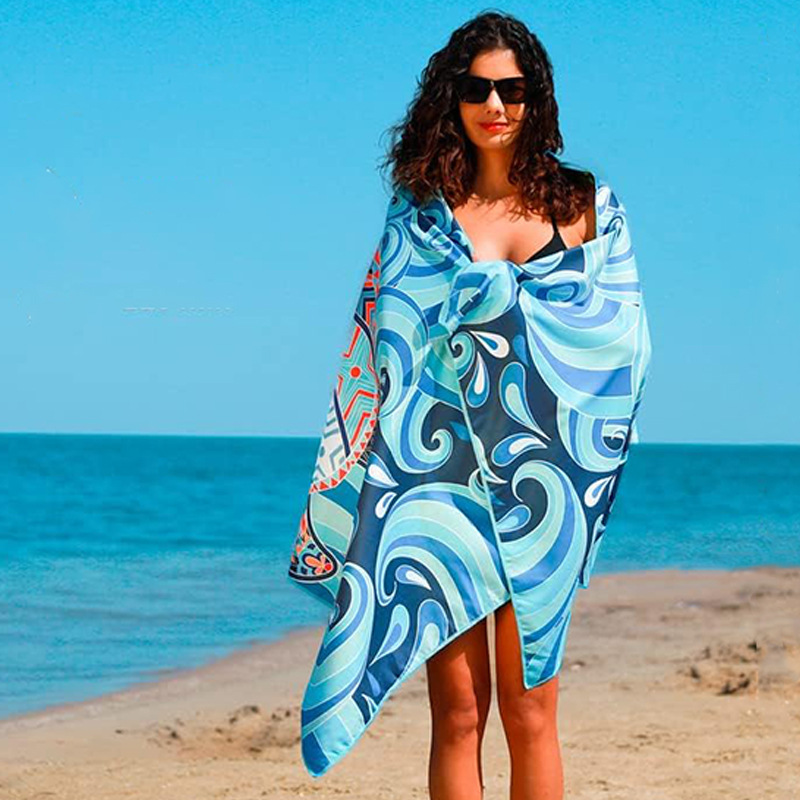

If you’re looking for premium alternatives that naturally resist these problems, consider exploring high-quality microfiber towels or eco-friendly recycled beach towels that maintain absorbency even with regular washing.
The Best Washing Routine to Keep Beach Towels Soft
Once you know what to avoid, the next step is learning the proper washing routine. Fortunately, keeping beach towels soft and absorbent doesn’t require expensive products or complicated processes. Instead, it’s all about using the right techniques consistently.
Water Temperature Guide
Choosing the correct water temperature makes a significant difference in towel care. Generally speaking, warm water works best for most beach towels because it balances effective cleaning with fiber protection. Hot water (above 130°F) cleans more thoroughly and kills bacteria, but it can also cause colors to fade and cotton to shrink over time. On the other hand, cold water is gentlest on fabrics and saves energy, but it doesn’t clean as effectively or remove oils completely.
For everyday beach towel washing, stick with warm water as your default choice. However, if your towels have been exposed to saltwater, chlorine from pools, or heavy amounts of sunscreen and sand, then a hot wash occasionally helps remove these residues more effectively. According to the American Cleaning Institute, warm water offers the best balance for cotton care while still achieving proper hygiene.
How Much Detergent to Actually Use
This might surprise you, but you’re probably using way too much detergent. In fact, many care experts recommend using about half the amount suggested on the detergent bottle when washing towels. The reason is simple: excess detergent doesn’t rinse out completely, and it leaves behind residue that makes fibers stiff and reduces water absorption.
Modern washing machines and detergents are highly efficient, which means less is truly more. Additionally, using less detergent actually saves you money while improving your towels’ performance. A good rule of thumb is to start with one tablespoon of liquid detergent or one teaspoon of powder for a regular load of beach towels, then adjust based on your water hardness and how dirty the towels are.
Monthly “Reset Wash” Method
Even with perfect daily washing habits, some buildup inevitably occurs over time. Therefore, performing a monthly reset wash helps strip away accumulated residue and restore your towels to like-new condition. This process is incredibly simple and uses ingredients you probably already have at home.
- First wash cycle: Run your towels through a complete wash cycle using hot water and one cup of white vinegar with absolutely no detergent. The vinegar breaks down detergent residue, dissolves mineral deposits, and neutralizes odors naturally.
- Second wash cycle: Immediately follow with another wash using warm water, half a cup of baking soda, and a small amount of your regular detergent (optional). Baking soda helps neutralize any remaining vinegar while further loosening buildup.
- Drying: Dry your towels on low or medium heat with wool dryer balls (never fabric softener sheets). Remove them promptly when dry to prevent that overdried, stiff feeling.
- Results: Your beach towels should feel noticeably softer, fluffier, and more absorbent after this treatment. Repeat monthly or whenever towels start feeling less absorbent.
This reset method is widely recommended instead of aggressive “laundry stripping” techniques because it’s simpler, gentler on fibers, and less likely to damage towel colors or structure. Moreover, it works just as effectively for restoring softness and absorbency without the harsh chemicals or excessive water waste.
Simple At-Home Towel Reset Method (Fix Stiff Towels Fast)
If your beach towels have already become stiff, scratchy, and water-repellent, don’t throw them away just yet. Instead, you can rescue them with this simple at-home towel reset method. This technique works wonders on towels that have years of buildup, transforming them from unusable to fluffy and absorbent in just two wash cycles.
🔄 The Vinegar + Baking Soda Rescue Method
Before Treatment:
- Towels feel stiff and cardboard-like
- Water beads up instead of absorbing
- Rough, scratchy texture against skin
- Musty smell even after washing
Step-by-Step Process:
- Prep: Shake out towels to remove loose sand and debris
- Cycle 1: Wash in hot water with 1-2 cups white vinegar (no detergent whatsoever)
- Cycle 2: Wash again in warm water with ½ cup baking soda + small amount of detergent
- Dry: Tumble dry on low/medium heat with 3-4 wool dryer balls
- Fluff: Remove promptly and shake out to maximize softness
After Treatment:
- Noticeably softer and fluffier texture ✓
- Water absorbs instantly like new ✓
- Fresh, clean smell without chemicals ✓
- Loops feel open and plush again ✓
The science behind this method is straightforward yet effective. White vinegar is acidic, which means it dissolves alkaline detergent residue and hard water mineral deposits (mainly calcium and magnesium). Meanwhile, baking soda is mildly alkaline, so it neutralizes any remaining vinegar while providing gentle scrubbing action that loosens particles trapped in the fibers. Together, they create a powerful one-two punch that strips away everything blocking your towels’ absorbency.
Importantly, this method won’t damage your towels like harsh chemical strippers might. In fact, it’s gentle enough to use on delicate materials including Turkish hammam towels and lightweight quick-dry fabrics. Many users report that their old beach towels feel better than new after this treatment, proving that proper care matters more than age.
Hard Water Problems and How to Fix Them
If you live in an area with hard water, you’re fighting an uphill battle when it comes to keeping beach towels soft and absorbent. Unfortunately, nearly 85% of homes in the United States deal with hard water issues, which makes this a widespread problem that affects millions of towel owners.
What exactly is hard water? Simply put, hard water contains high concentrations of dissolved minerals, particularly calcium and magnesium. When you wash towels in hard water, these minerals don’t rinse away cleanly. Instead, they bind to the cotton fibers and create a crusty coating that makes towels feel stiff, scratchy, and much less absorbent. Furthermore, hard water prevents detergent from working properly, which means you end up using more soap (creating even more buildup) without getting your towels truly clean.
💧 Hard Water Impact Statistics
The good news is that you don’t need expensive equipment to combat hard water damage. While whole-house water softeners are the ultimate solution, there are several affordable alternatives that work remarkably well for laundry purposes.
Solution #1: Regular Vinegar Rinses
Add half a cup of white vinegar to every wash cycle (pour it into the fabric softener dispenser). The acetic acid in vinegar dissolves mineral deposits before they can build up on your towels. This simple addition makes a dramatic difference in softness and absorbency, especially in areas with very hard water.
Solution #2: Use Detergents Formulated for Hard Water
Look for detergents specifically labeled “for hard water” or those containing water-softening agents like sodium citrate or zeolites. These products are designed to bind with minerals and prevent them from depositing on fabrics. According to Consumer Reports, specialized hard water detergents can significantly improve cleaning performance in mineral-heavy water.
Solution #3: Pre-Treat Your Water
Consider installing an inexpensive inline water softener attachment on your washing machine’s water supply line. These devices use salt or resin filters to remove minerals before the water enters your machine. While not as comprehensive as whole-house systems, they’re much more affordable and still provide excellent results for laundry.
Solution #4: Monthly Deep-Clean Cycles
Run your washing machine through an empty cycle with 2-3 cups of white vinegar once a month. This cleans out mineral deposits from the machine itself, preventing them from transferring back onto your freshly washed towels. Additionally, this maintenance extends your washing machine’s lifespan.
Best Drying Methods for Maximum Fluff
How you dry your beach towels matters just as much as how you wash them. In fact, improper drying techniques are one of the leading causes of stiff, rough towels that lose their absorbency prematurely. Fortunately, achieving that hotel-quality fluffiness at home is easier than you might think.
Dryer Settings That Protect Softness
The biggest mistake people make when drying towels is using excessive heat. While high heat seems like it would dry towels faster, it actually damages the cotton fibers and makes them brittle, rough, and prone to breaking. Instead, always use low or medium heat settings for beach towels, even if it takes a bit longer.
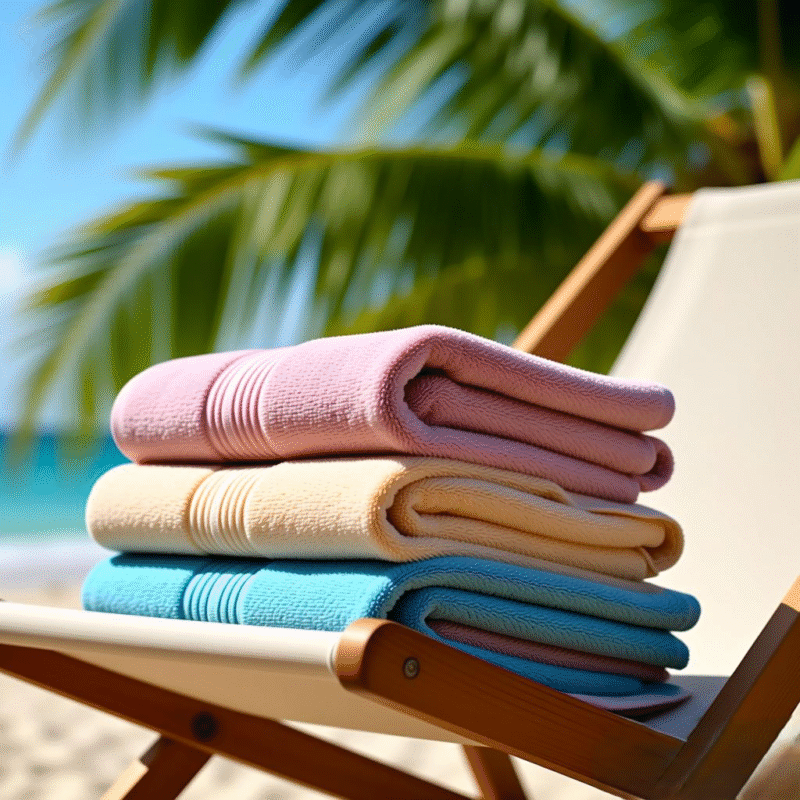
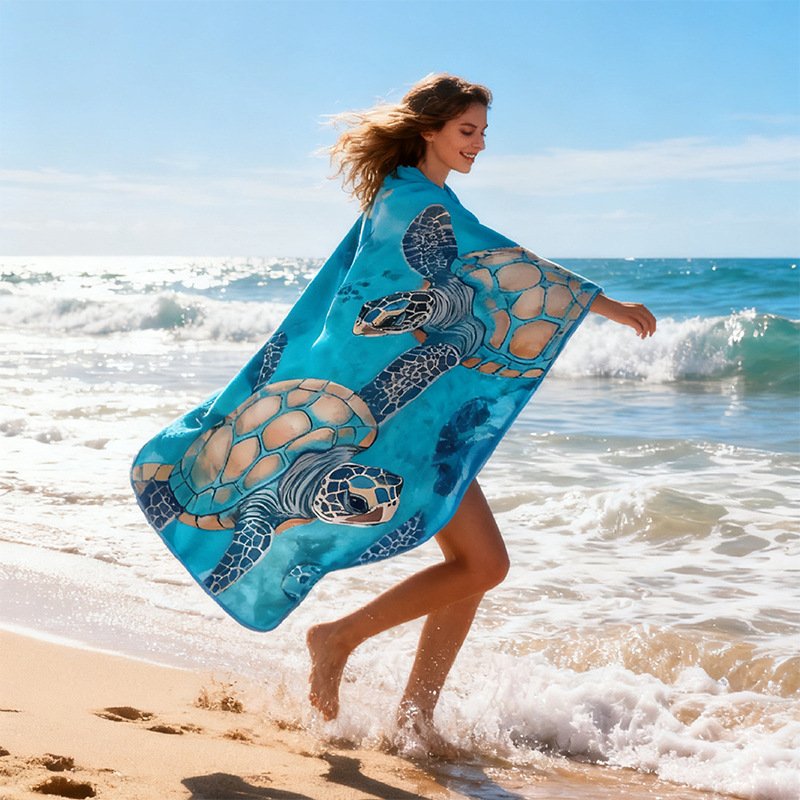
Here’s what happens at different heat levels:
- High Heat (above 135°F): Damages protein structures in cotton, causes shrinkage, fades colors, and makes fibers stiff and brittle
- Medium Heat (110-135°F): Perfect balance for most cotton towels, dries efficiently without damage, maintains softness and structure
- Low Heat (below 110°F): Gentlest option, ideal for delicate towels, takes longer but preserves quality best
- Air Fluff (no heat): Uses only air circulation, great for finishing partially dried towels or refreshing stored ones
Additionally, never leave towels sitting in the dryer after the cycle ends. This causes wrinkles to set and can create that musty, overdried smell. Instead, remove your beach towels promptly and give them a good shake to fluff up the loops before folding or hanging them.
One secret weapon for perfect drying is wool dryer balls. These natural, reusable alternatives to dryer sheets physically separate towel layers as they tumble, which allows hot air to circulate more efficiently. As a result, your towels dry faster, fluff up better, and stay softer without any chemical coatings. Moreover, wool dryer balls last for hundreds of loads, making them both economical and environmentally friendly.
Air Drying Without the Stiffness
While machine drying is convenient, air drying your beach towels can actually extend their lifespan significantly. However, air-dried towels often feel stiff and scratchy, which discourages many people from using this method. The good news is that a few simple tricks eliminate that stiffness problem entirely.
First, shake your towels vigorously before hanging them to dry. This single step makes a huge difference because it separates the cotton loops and prevents them from matting together as they dry. Give each towel 10-15 good shakes, snapping it in the air like you’re making a bed with sheets.
Second, hang towels with plenty of space between them for proper air circulation. Bunching towels together or draping them over a single line prevents airflow and creates stiff, crunchy spots. Instead, use a drying rack with wide spacing or hang each towel separately on a clothesline.
Third, bring towels inside when they’re about 90% dry, then finish them in the dryer for just 5-10 minutes on low heat. This combination technique gives you the benefits of air drying (energy savings, gentle fiber treatment) while still achieving that soft, fluffy finish that only tumble drying provides. It’s the best of both worlds.
For those using surf poncho towels or surf change robes, air drying is particularly beneficial because these specialized products often have water-resistant coatings that can be damaged by excessive dryer heat.
How Hotels Keep Towels So Soft and Absorbent (Industry Secrets)
Have you ever wondered why hotel towels feel so incredibly soft, fluffy, and absorbent compared to the ones at home? It’s not just because they’re expensive or brand new. In reality, professional hospitality laundries use specific techniques and materials that anyone can replicate at home with the right knowledge.
Secret #1: They Start with Superior Cotton
Hotels almost exclusively use 100% cotton towels made from long-staple fibers like Egyptian, Pima, or Supima cotton. These premium cotton varieties have fibers that are 35-50% longer than regular cotton, which creates stronger, smoother, and more absorbent towels. Furthermore, longer fibers produce less lint and resist pilling, which means the towels maintain their quality through hundreds of wash cycles.
Secret #2: Precise Detergent Measurement
Commercial laundries use computerized systems that measure detergent to the exact gram based on water hardness, towel weight, and soil level. They never eyeball it or use the “recommended amount” on the bottle. This precision prevents detergent buildup while ensuring thorough cleaning. At home, you can achieve similar results by using significantly less detergent than you think you need—usually about half the bottle’s suggestion.
Secret #3: Strategic Water Temperature
Hotels wash towels in carefully controlled warm water (typically around 120-130°F) rather than the scalding hot water many people assume they use. This temperature is hot enough to sanitize and clean effectively but cool enough to preserve color and fiber integrity. Additionally, they use extra rinse cycles to ensure absolutely no detergent residue remains.
“Professional laundries typically avoid heavy fabric softener use because it compromises towel absorbency. Instead, they rely on fiber quality, proper washing techniques, and sometimes small amounts of white vinegar or specialized rinse agents that soften without coating the fibers.” — Commercial Laundry Best Practices
Secret #4: Vinegar as a Natural Softener
Many commercial hotel laundries use small doses of white vinegar as a natural softening agent and rinse aid. Unlike fabric softeners that coat fibers, vinegar actually helps towels stay absorbent by dissolving mineral deposits and detergent residue. This is particularly important in areas with hard water, where mineral buildup would otherwise ruin towel quality quickly.
Secret #5: Proper Drying Protocols
Hotels never overdry their towels. Industrial dryers are programmed to stop at precise moisture levels (usually around 2-5% retained moisture) that leave towels feeling perfectly soft without being damp. They also use medium heat rather than high heat to prevent fiber damage. At home, try removing your towels when they’re just barely dry rather than leaving them for the full cycle.
Secret #6: Regular Towel Rotation and Replacement
While high-quality hotel-grade cotton can maintain good performance for many years with professional laundering, hotels typically rotate towels out of service after a certain number of washes (usually 200-300 cycles) to maintain consistent guest experience. However, with proper home care, quality towels can last much longer because they experience less intensive use than hotel towels do.
If you’re a beach towel manufacturer or working with a professional textile producer, understanding these hotel industry standards helps you create products that meet commercial-grade durability and performance expectations.
Choosing the Right Beach Towel Material for Softness
Before we even talk about washing and care, let’s address something crucial: not all beach towels are created equal. The material and construction of your towel determine its maximum potential for softness and absorbency, regardless of how well you care for it. Therefore, choosing the right towel from the start sets you up for success.
Understanding GSM Numbers
You’ve probably seen “GSM” mentioned on towel product descriptions, but what does it actually mean? GSM stands for “grams per square meter,” and it measures the density and weight of the fabric. Essentially, higher GSM generally means thicker, heavier, and more absorbent towels, though there are important nuances to understand.
For beach towels specifically, the sweet spot is 350-500 GSM because this range balances comfort, absorbency, and practical drying time. Towels around 450 GSM are particularly popular because they feel luxuriously soft and absorb moisture quickly, yet they still dry fast enough for multi-day beach trips. Lower GSM towels (260-350) work great for travel when quick drying and light packing are priorities, while higher GSM (500-600) provides that ultra-plush feel but takes much longer to dry completely.
Cotton Types Compared
The type of cotton used in your beach towel dramatically affects its softness, absorbency, and durability. Let’s compare the most common options so you can make informed purchasing decisions.
Egyptian Cotton is considered the gold standard because its extra-long fibers (35mm+) create exceptionally soft, strong, and absorbent towels. These fibers can absorb up to 25% more moisture than regular cotton while maintaining incredible softness wash after wash.
Turkish Cotton offers similar luxury at a slightly more accessible price point. Known for its long-staple fibers and quick-drying properties, Turkish cotton towels become softer with each wash and are particularly popular for beach use because they don’t attract as much sand as other cotton types.
Bamboo has gained popularity as an eco-friendly alternative that naturally resists bacteria and odors. Bamboo towels feel silky smooth and are highly absorbent, though they tend to be slightly less durable than premium cotton options.
Microfiber deserves special mention because it’s engineered specifically for absorbency. Modern microfiber beach towels can absorb up to seven times their weight in water, dry three times faster than cotton, and weigh about 50% less. However, they don’t have quite the same plush, luxury feel that cotton lovers prefer. For travelers and athletes, though, microfiber is unbeatable.
If you’re looking for premium options, consider exploring professionally manufactured products from Favor Houseware’s beach towel collection, which offers various cotton grades and GSM options to suit different preferences and budgets.
How Often to Wash and Replace Beach Towels
Knowing when to wash your beach towels—and when to finally retire them—is crucial for maintaining both hygiene and performance. Wash too frequently, and you’ll wear out the fibers prematurely. Wash too infrequently, and bacteria, mildew, and odors take over. Let’s find the perfect balance.
Washing Frequency Guidelines:
- After each heavy beach use: If your towel gets soaked with saltwater, chlorine, sand, or sunscreen, wash it immediately. These substances can damage fibers and encourage bacterial growth if left sitting.
- Every 2-3 uses for light use: If you’re just using your towel to dry off after a quick swim in clean water, you can get away with 2-3 uses before washing, provided you let it dry completely between uses.
- Daily during extended beach trips: When you’re at the beach multiple days in a row, wash towels daily or every other day to prevent the buildup of salt, sand, and bacteria that accumulates from repeated use.
- Immediately if it smells musty: That sour, musty smell is mildew and bacteria. Once a towel smells, it needs immediate washing with the vinegar reset method described earlier.
According to hygiene experts and consumer guides, washing frequently used towels every 3-4 uses helps control odor and bacteria while avoiding the excessive wear that comes from overwashing. The key is finding your personal balance based on how you use your towels and your local climate (humid environments require more frequent washing).
🔄 When to Replace Beach Towels
With proper care, quality cotton towels can stay soft and useful for 3-5 years or even longer. However, care experts frequently recommend replacing heavily used towels every 2-3 years to maintain optimal hygiene and performance. Replace your beach towels sooner if you notice:
- Persistent musty odors that won’t wash out
- Fraying edges or visible thread damage
- Thinning fabric with holes or weak spots
- Complete loss of absorbency despite reset treatments
- Permanent stains that affect appearance
- Rough, scratchy texture that irritates skin
Interestingly, low-quality towels or poorly cared-for towels may lose performance much faster, sometimes within just one year of regular use. This is why investing in quality materials and following proper care instructions actually saves money in the long run—you’ll replace towels far less frequently.
Professional manufacturers like those featured in China textile industry case studies have developed advanced cotton treatments and weaving techniques that significantly extend towel lifespan without sacrificing softness or absorbency.
Manufacturer Pro Tips: Make Your Beach Towels Last Longer
As a professional beach towel manufacturer, we’ve learned countless lessons about what actually extends towel lifespan versus what’s just marketing hype. Here are insider tips that we share with our customers to help them get maximum value from their towel investments.
Pro Tip #1: Always Wash New Towels Before First Use
This isn’t just a hygiene recommendation—it’s essential for performance. New towels come with manufacturing residues including sizing agents, fabric finishes, and excess lint that significantly reduce absorbency. Washing new towels 2-3 times before their first use removes these coatings and allows the cotton loops to open up fully. Use warm water with a small amount of detergent, and skip the fabric softener completely.
Pro Tip #2: Never Use Chlorine Bleach on Beach Towels
While bleach seems like a good idea for whitening or disinfecting, it’s actually one of the worst things you can put on cotton towels. Chlorine bleach weakens cotton fibers at the molecular level, causing them to break down much faster. If you need to brighten white towels or remove stains, use oxygen-based bleach alternatives or the natural whitening power of sunlight instead.
Pro Tip #3: Avoid Overdrying at All Costs
One of the fastest ways to ruin towel softness is leaving them in the dryer too long. Overdrying makes cotton fibers brittle and rough, and it causes excessive shrinkage. Remove your beach towels from the dryer when they’re about 95% dry—still just slightly damp to the touch. They’ll finish drying within minutes while retaining maximum softness.
Pro Tip #4: Separate Beach Towels from Regular Laundry
Beach towels pick up sand, salt, chlorine, and sunscreen—substances you don’t want transferring to your regular clothes. Moreover, towels need more space in the washing machine to agitate properly and rinse clean. Washing towels separately ensures better cleaning and prevents sand from damaging your washer’s pump or scratching other fabrics.
Pro Tip #5: Read and Follow Care Labels
This seems obvious, but most people ignore care labels after purchase. Different towel materials and constructions require slightly different care approaches. For example, Turkish hammam towels benefit from different washing temperatures than thick terry cloth beach towels. Taking two minutes to read the care label saves your towels from premature wear.
“Advising customers to avoid bleach, over-drying, and softener use can significantly prolong the softness and absorbency of branded cotton towels. Explaining recommended GSM, fiber type, and care instructions on product pages reduces returns and increases perceived quality.” — Manufacturing Best Practices for Customer Satisfaction
Pro Tip #6: Store Towels Properly Between Beach Seasons
If you live somewhere with distinct seasons, proper off-season storage protects your beach towels for years to come. Always wash towels thoroughly before storing (any residual oils or moisture can cause mildew or attract pests). Store them in a cool, dry place with good air circulation—never in sealed plastic bags or damp basements. Adding cedar blocks or lavender sachets naturally deters moths and keeps towels smelling fresh.
Pro Tip #7: Understand Your Towel’s Construction
Different weaving techniques affect care requirements. Terry cloth towels (with loops on both sides) are more durable but take longer to dry. Velour towels (loops on one side, smooth on the other) dry faster but are slightly less absorbent. Flat-woven towels like traditional hammam styles are quickest-drying but need gentler handling. Knowing your towel type helps you optimize its care routine.
For businesses and bulk buyers, understanding these manufacturing insights helps you specify the right products for your needs. Learn more about textile production standards through resources like the Loftex Group, one of the world’s leading towel manufacturers.
Frequently Asked Questions
Why are my beach towels not absorbent anymore?
Beach towels lose absorbency primarily because of detergent residue, fabric softeners, hard water minerals, body oils, and over-drying, which coat or damage the cotton fibers. Over time, this buildup makes water bead on the surface instead of soaking in. Additionally, using dryer sheets creates a waxy film that repels water. The solution is to wash towels with vinegar and baking soda to strip away all buildup, then maintain them properly going forward.
How do you make stiff towels soft and fluffy again?
Run one complete wash cycle with hot water and 1-2 cups of white vinegar (no detergent), then immediately follow with a second wash using warm water, half a cup of baking soda, and a small amount of regular detergent. Dry on medium heat without softeners, using wool dryer balls to fluff the loops. This two-step routine dissolves residue and minerals so the cotton fibers can open up and feel fluffy again. Most towels feel dramatically softer after just one treatment.
Should you use fabric softener on beach towels?
No, most experts strongly advise against using regular fabric softener or dryer sheets on beach towels because the oily or waxy coating they leave behind significantly reduces water absorbency. Laboratory research confirms that conventional softeners can decrease absorbency by 50% or more. If you want softer towels without sacrificing performance, use white vinegar in the rinse cycle or switch to wool dryer balls instead of chemical softeners.
What is the best way to wash beach towels?
Wash beach towels separately from regular clothes in warm water (90-105°F) with a small amount of mild detergent—about half what the bottle recommends. Avoid overloading the washing machine so towels have space to agitate properly. Skip fabric softeners completely, and add half a cup of white vinegar to the rinse cycle occasionally as a natural softening agent. This combination cleans away salt, sand, and sunscreen while protecting the fibers so they stay soft and absorbent.
How do hotels keep towels so soft and absorbent?
Hotels start with high-quality 100% cotton towels made from long-staple fibers, then use controlled washing programs with precisely measured detergent, warm (not hot) water, and minimal or specialized softeners. They often add extra rinse cycles and sometimes use white vinegar or similar natural agents to prevent film buildup. Professional dryers are programmed to stop at precise moisture levels (2-5% retained moisture) that maximize softness. Additionally, hotels remove towels promptly from dryers and never overdry them.
How often should you wash beach towels?
Realistically, you should wash beach towels after each heavy use, especially after swimming in the sea or pool, to remove salt, chlorine, sunscreen, and sand. For lighter use where the towel doesn’t get fully soaked, washing every 2-3 uses is acceptable if you let the towel dry completely between uses. If a towel develops a musty smell or has been sitting damp in a beach bag for hours, wash it immediately—even if it seems dry, it may be loaded with microbes.
Do microfiber beach towels stay soft and absorbent longer?
Microfiber beach towels are engineered to be lightweight, quick-drying, and highly absorbent, and they tend to resist stiffness better than cotton when washed with minimal detergent and no softeners. They can absorb up to seven times their weight in water and dry about three times faster than cotton. However, some users prefer the plush, luxurious feel of premium cotton towels, so manufacturers often offer both options to match different preferences. Check out microfiber towel options if quick-drying is your priority.
How do you dry towels so they don’t go hard?
Dry towels on medium or low heat with 3-4 wool dryer balls, which physically separate the loops and maintain fluffiness. Remove towels promptly when they’re just barely dry rather than leaving them for excessive time. Avoid overdrying, which makes cotton fibers brittle and stiff. For line drying, shake towels vigorously before hanging them to separate the loops, then bring them inside when 90% dry and finish with 5-10 minutes in the dryer on low heat for that soft, fluffy finish.
Does vinegar really help towels stay absorbent?
Yes, white vinegar works exceptionally well. When added to the rinse cycle, vinegar’s acetic acid dissolves detergent residue and hard water mineral deposits (calcium and magnesium), which significantly improves softness and water absorption without leaving any coating on the fibers. Many home and hotel laundry routines use vinegar periodically as a natural, effective alternative to fabric softener. The vinegar smell completely disappears during drying, leaving towels fresh and clean without any chemical fragrances.
What GSM is best for a soft and absorbent beach towel?
Beach towels in the mid-range of approximately 350-500 GSM usually balance softness, absorbency, and quick drying perfectly for travel and outdoor use. Towels around 450 GSM are particularly popular because they feel super soft and absorb moisture quickly, yet they still dry fast enough for multi-day trips. Higher GSM (600+) feels more luxurious but dries much more slowly and attracts more sand, making it less practical for actual beach use despite the premium feel.
Keep Your Beach Towels Soft, Absorbent, and Long-Lasting
Now you have all the knowledge you need to keep your beach towels feeling like new for years to come. Remember, the secret isn’t about buying expensive products or complicated treatments—it’s about avoiding the common mistakes that damage towels and using simple, natural solutions like white vinegar and baking soda instead of chemical-laden fabric softeners.
The most important takeaways are these: skip fabric softeners and dryer sheets completely, use less detergent than you think you need, wash in warm water instead of scalding hot, add vinegar occasionally to prevent buildup, and always dry on low or medium heat with wool dryer balls. Additionally, starting with quality materials makes everything easier, whether that’s long-staple cotton or engineered microfiber designed for performance.
By following these proven techniques—many of which are used by professional hotels and commercial laundries—you’ll enjoy beach towels that stay incredibly soft, highly absorbent, and wonderfully fluffy wash after wash. Your towels will last longer, perform better, and feel more luxurious than ever before.
Ready for Premium Beach Towels That Stay Soft?
At Favor Houseware, we manufacture premium beach towels using long-staple cotton and advanced weaving techniques that maintain incredible softness and absorbency even after hundreds of washes. Our towels are designed with the perfect GSM balance for beach use, and we provide detailed care instructions so your investment lasts for years.
Whether you need luxurious Egyptian cotton, quick-drying microfiber, eco-friendly recycled materials, or traditional Turkish hammam styles, we have the perfect beach towel for your needs.
🌊 Professional manufacturer | 🌱 Eco-friendly options | 🚚 Worldwide shipping | 💯 Quality guaranteed
Related Products & Resources:
- Quick-Dry Microfiber Beach Towels – Ultra-absorbent and lightweight
- Eco-Friendly Recycled Beach Towels – Sustainable luxury
- Traditional Turkish Hammam Towels – Quick-drying versatility
- Surf Poncho Towels – Hands-free changing convenience
- Kitchen Towels – Same great absorbency for home use
- Textile Care Blog – More tips and guides
💡 Final Tip: Bookmark this guide and share it with friends who complain about scratchy towels! These techniques work on all towels—not just beach towels—so you can apply them to your bath towels, kitchen towels, and even workout towels for consistently soft, absorbent results throughout your home.
Views: 0