Last Updated: 2026 | By Favor Houseware Co., Ltd. — Beach Towel Manufacturer with 15+ Years of Experience
You grab your beach towel from the bag. Suddenly, a sour, musty smell hits your nose. Sound familiar? A smelly beach towel is one of the most common problems for beach-lovers. The good news is that you can fix it fast. Moreover, with the right steps, you can keep it from ever coming back.
In this guide, you will learn how to remove mildew from beach towels using simple household items. You will also discover the best ways to dry and store your towels. Plus, we share expert tips straight from a professional beach towel manufacturer with over 15 years of experience.
⚡ Quick Answer: Key Facts & Cleaning Recipes at a Glance
| Data Point / Tip | Value / Detail |
|---|---|
| When towels first showed strong odour | Around 2 months of regular use |
| Study size (towel odour research) | 26 households over 6 months |
| Main bacteria on used towels | Gammaproteobacteria, Alphaproteobacteria, Actinobacteria |
| Common skin bacteria on towels | Cutibacterium 0.08%, Staphylococcus 0.04% |
| Towels with bacteria in one test | “9 out of 10 towels” harboured bacteria; some had E. coli |
| Vinegar & baking soda soak | 1 cup white vinegar + ½ cup baking soda in hot water, soak 1–2 hours |
| Bleach soak (white towels only) | ¼ cup bleach per gallon of cool water, soak 5 minutes, then hot wash + ⅓ cup bleach |
| Oxygen bleach wash (color-safe) | Add oxygen bleach with detergent, wash on hot, no fabric softener |
| Recommended wash frequency (beach towels) | After every beach or pool day |
| Replace towel if… | Smell remains after 3+ deep-clean attempts, or visible black/yellow mildew staining |
1. What Causes Mildew and Musty Smell in Beach Towels?
First, it helps to understand why your beach towel smells in the first place. Once you know the cause, the solution becomes much easier to remember.
The Science Behind the Smell
Mildew is a type of mold. It grows on damp surfaces. When a towel stays wet for too long, tiny bacteria and mold spores start to grow inside the fibers. They form a layer called a biofilm. That biofilm is what causes the musty smell you notice.
A 6-month study of 26 households found something eye-opening. Towels developed noticeable odour after just 2 months of regular use. The biofilm kept building up over the full 6 months. The main bacteria found were from groups called Gammaproteobacteria, Alphaproteobacteria, and Actinobacteria. Interestingly, these are environmental bacteria — not just the normal bacteria from your skin.
“Regular detergent alone cannot always break down biofilm. Over time, odour builds up even in towels that are washed regularly.”
Why Beach Towels Are Worse Than Regular Towels
Beach towels face extra challenges compared to regular bath towels. Here is why they smell faster:
- 🏖️ Salt water soaks deep into the fibers and encourages bacterial growth
- 🧴 Sunscreen and body oils coat the fibers, giving bacteria extra food to eat
- 🌊 Sand particles get trapped in the loops, holding moisture longer
- 🤸 Sweat adds more organic material for bacteria to feed on
- 🎒 Being stuffed in a wet bag after use speeds up mildew growth dramatically
Furthermore, fabric softeners make things worse. They leave a waxy coating on the fibers. That coating traps bacteria and reduces how well the towel absorbs water. As a result, the musty smell comes back faster after each wash.
2. Is a Musty Beach Towel Dangerous for Your Skin?
This is a great question — and one many people don’t think to ask. A smelly towel is not just unpleasant. It can also be a real hygiene concern.
According to one commonly cited lab test, 9 out of 10 towels tested contained bacteria. Even more alarming, some tested positive for E. coli. That is a bacteria most people associate with food poisoning.
However, does that mean a smelly towel will make you sick? Here is a helpful breakdown:
| Who Is at Risk? | Level of Concern | Recommended Action |
|---|---|---|
| Healthy adults | Low — unlikely to get sick from a mildly musty towel | Deep clean the towel as soon as possible |
| People with acne or eczema | Medium — bacteria can worsen skin flare-ups | Replace heavily mildewed towels; wash after each use |
| Children and babies | Medium-High — more sensitive skin and immune systems | Always use freshly washed, fully dry towels |
| People with weak immunity | High — greater risk of skin infections | Discard badly mildewed towels immediately |
In summary, a slightly musty towel probably won’t send you to the doctor. But it is still worth fixing. Additionally, for families with children or anyone with sensitive skin, keeping beach towels clean is especially important.
3. Step-by-Step: How to Remove Mildew Smell from Beach Towels
Now for the main event. Here are the three best methods to get rid of mildew smell from beach towels. Start with Method 1. If the smell is still there, move to Method 2 or 3.
✅ Method 1 — Vinegar & Baking Soda Soak (Best for Most Cases)
This is the most popular and most effective natural method. It works for most smelly beach towels. Furthermore, it uses items you already have at home.
✅ Method 2 — Hot Wash with Oxygen Bleach (Color-Safe Option)
This method is great for colorful beach towels that you cannot bleach. Oxygen bleach is gentler than regular bleach. However, it is still very powerful against mildew and bacteria.
✅ Method 3 — Bleach Soak for Heavy Mildew (White Towels Only)
This method is for the worst cases — towels with heavy mildew, visible staining, or a smell that just won’t go away. Use this only on white or bleach-safe towels.
📊 Method Comparison: Which One Should You Use?
| Method | Best For | Safe for Colors? | Strength | Cost |
|---|---|---|---|---|
| Vinegar + Baking Soda Soak | Mild to moderate mildew smell | ✅ Yes | ⭐⭐⭐ | 💰 Very Low |
| Oxygen Bleach Wash | Moderate to strong odour; colored towels | ✅ Yes | ⭐⭐⭐⭐ | 💰💰 Low |
| Bleach Soak | Heavy mildew; visible staining; white towels only | ❌ No | ⭐⭐⭐⭐⭐ | 💰 Low |
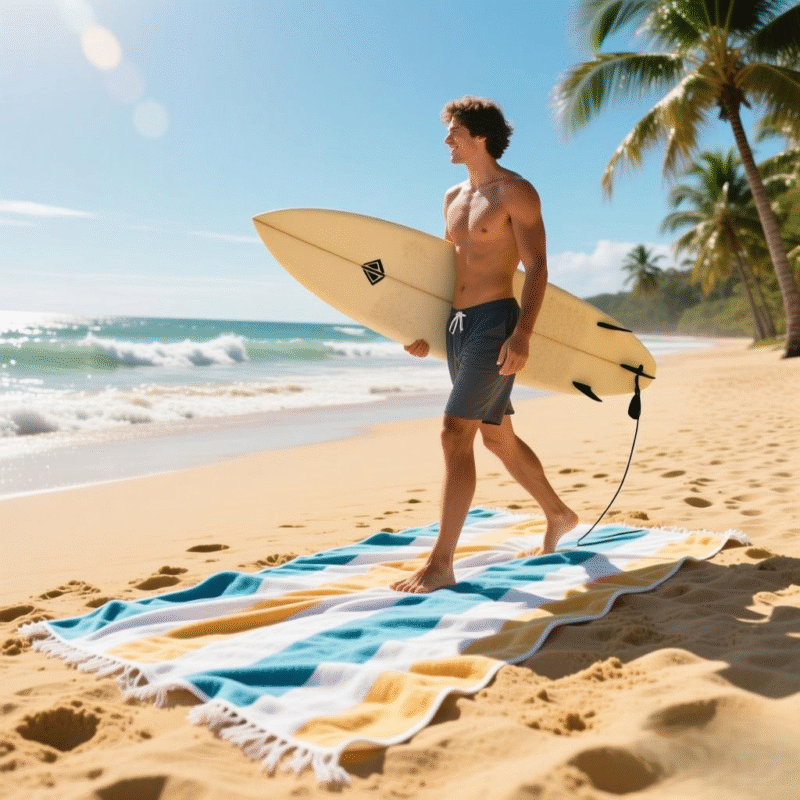
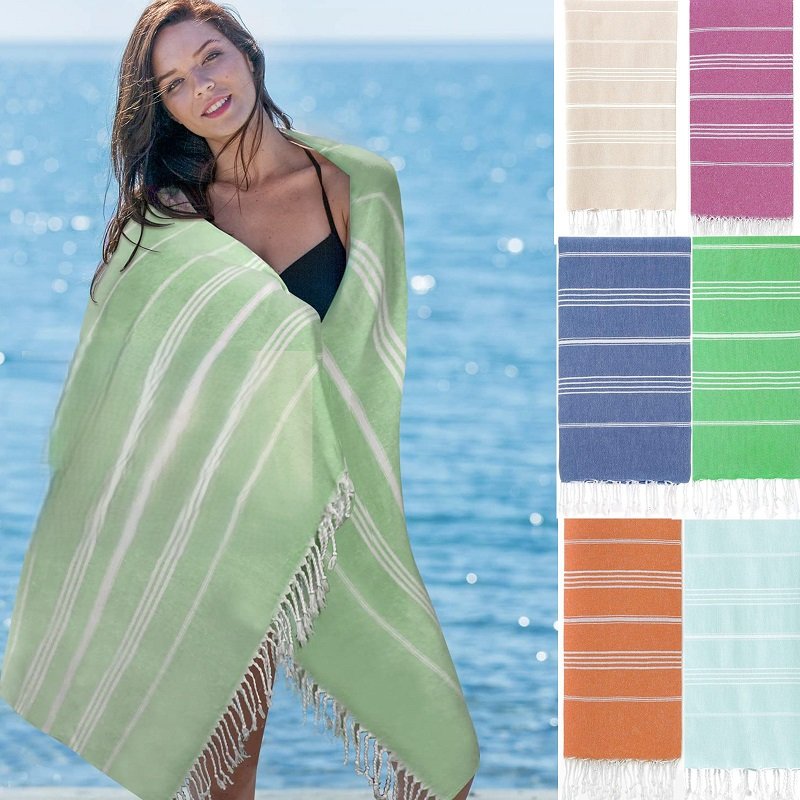
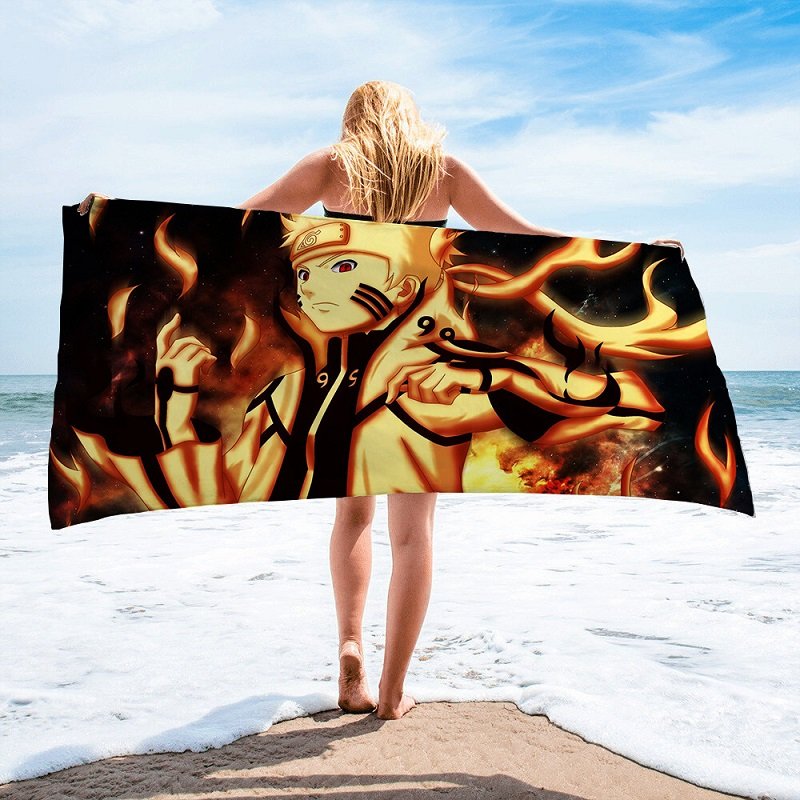
Explore Favor Houseware’s Range of Quality Beach Towels:
4. Natural Methods: Vinegar, Baking Soda and Sunlight
Many people prefer to remove musty smell from beach towels without harsh chemicals. Thankfully, there are several powerful natural options. Let’s look at each one in more detail.
🍶 White Vinegar — The Odour Neutralizer
White vinegar is mildly acidic. That acid helps break down mineral deposits and detergent buildup. It also changes the pH of the fabric, making it harder for bacteria to survive. Therefore, it is one of the best natural tools against mildew smell.
- Use distilled white vinegar only (not apple cider vinegar)
- Add to the fabric softener compartment for a rinse-cycle boost
- Or use in the pre-soak method above for stronger results
- Do not use if your washing machine has a warning against vinegar (some front-loaders do)
🥄 Baking Soda — The Odour Absorber
Baking soda is alkaline. It works in the opposite way to vinegar. Together, they tackle the odour from both sides. Baking soda also helps soften the water, which makes your detergent work better.
- Add ½ cup directly to the drum with your towels
- Works well as a pre-soak ingredient
- Also great sprinkled on towels before a quick machine wash
☀️ Sunlight — Nature’s Free Disinfectant
Sunlight is one of the most underused tools in laundry care. The UV rays in sunlight help kill bacteria and mould spores naturally. In addition, sunlight leaves towels smelling fresh without any chemicals at all.
“Hang your beach towels in direct sunlight after washing. The UV light acts as a natural disinfectant. It also helps get rid of any lingering musty odour.”
- Hang towels fully spread out, not folded over a rail
- Both sides of the towel should get direct sun
- Bring them in as soon as they are fully dry to avoid stiffness
- Even on a cloudy day, outdoor drying is better than indoor drying
5. Deep Cleaning: When to Use Bleach or Oxygen Bleach
Sometimes natural methods are not enough. If your beach towel has heavy mildew or visible staining, you may need a deeper approach. Here is how to decide which type of bleach to use.
Regular Bleach vs. Oxygen Bleach — What Is the Difference?
🧴 Regular Chlorine Bleach
- Very strong disinfectant
- Best for white towels only
- Can damage fibers if overused
- Use cool water (never hot)
- Maximum soak: 5 minutes
- Recipe: ¼ cup per gallon of water
🌿 Oxygen Bleach (OxiClean etc.)
- Gentler on fabric and color
- Safe for colored towels
- Works well with hot water
- No toxic fumes
- Use with regular detergent
- Great for regular deep-cleaning
According to laundry experts at Good Housekeeping, oxygen bleach is generally the safer choice for most fabrics. However, for severe mildew on white cotton towels, chlorine bleach remains the most powerful option when used correctly.
6. How to Get the “Wet Dog” Smell Out of Towels
That funky, sour smell that some people call a “wet dog” odour is actually very common in beach towels. It is different from a typical musty mildew smell. However, the fix is similar.
What Causes the “Wet Dog” Smell?
The “wet dog” smell usually comes from a combination of three things:
- Old detergent residue trapped deep inside the towel fibers
- Fabric softener buildup that coats the fibers and locks in odour
- Body oils and sunscreen that were never fully rinsed out
When the towel gets wet again, all of that trapped residue releases its smell at once. That is why your towel can smell fine when dry — but awful when wet.
How to Fix the “Wet Dog” Smell in 3 Steps
7. How Often Should You Wash Beach Towels to Avoid Mildew?
One of the simplest ways to prevent a smelly beach towel is to wash it often enough. But how often is “often enough”?
The Simple Rule for Beach Towels
“Wash your beach towel after every full beach or pool day. Unlike bath towels, beach towels collect sand, salt, sunscreen, and sweat — all of which speed up bacterial growth.”
Here is a quick comparison to help you remember:
| Towel Type | Recommended Wash Frequency | Why? |
|---|---|---|
| Beach Towel | After every use | Salt, sand, sunscreen, and sweat build up fast |
| Bath Towel | Every 3–4 uses | Used on a clean body; dries faster indoors |
| Pool Towel | After every use | Chlorine residue plus moisture traps bacteria |
| Gym Towel | After every use | Heavy sweat absorption; quick odour build-up |
Furthermore, research supports this advice. The 6-month household study showed that towel odour and biofilm started developing after just 2 months with regular use. That means even “regularly washed” towels can build up bacteria if they are not dried properly between uses.
8. Best Way to Dry Beach Towels Indoors and Outdoors
Washing your towel correctly is only half the battle. How you dry it is just as important. In fact, improper drying is the number one reason mildew smell comes back after washing.
☀️ Drying Outdoors
- Hang fully spread out on a clothesline or railing — not folded over
- Make sure both sides get direct sunlight and air flow
- Bring in as soon as dry — over-drying in heat can stiffen fibers
- Even on a cloudy day, outdoor air circulation is helpful
🏠 Drying Indoors (Dryer or Air Dry)
- Use the highest heat setting that is safe for your towel’s fabric
- Do not overload the dryer — towels need room to tumble and dry evenly
- Remove towels immediately when done — leaving them inside causes musty smells
- If air-drying indoors, use a fan or open a window for airflow
- Make sure the towel is 100% dry before folding or putting away
9. Storage Mistakes That Make Beach Towels Smell Musty
Even a perfectly clean beach towel can start to smell if you store it the wrong way. Therefore, proper storage is one of the most overlooked steps in towel care.
Common Storage Mistakes (And How to Fix Them)
- ❌ Folding a slightly damp towel → Always make sure towels are 100% dry first
- ❌ Storing in a plastic bag or airtight container → Use breathable cotton bags or open shelves instead
- ❌ Piling towels on top of each other tightly → Stack loosely or hang them to allow air flow
- ❌ Keeping towels in a damp bathroom cabinet → Store in a dry, well-ventilated area only
- ❌ Leaving a towel on a hook for weeks between uses → Wash and fully dry before storing away seasonally
- ❌ Storing near wet swimwear or equipment → Keep towels in a separate, dry area
10. Fabric Matters: Do Certain Beach Towels Smell Less? (Cotton vs Microfiber)
Yes — the fabric of your beach towel makes a big difference in how quickly it develops odour. As a beach towel manufacturer with 15 years of experience, Favor Houseware can explain exactly why.
Cotton Terry — Classic but Slower to Dry
Traditional terry cotton towels are thick, soft, and absorbent. However, they hold onto moisture longer. That extra drying time gives bacteria more time to grow. As a result, heavy cotton terry towels are more prone to mildew if not dried thoroughly.
- ✅ Soft and very absorbent
- ✅ Great for sensitive skin
- ❌ Slower to dry — higher mildew risk
- ❌ Heavier to carry to the beach
Turkish Cotton — The Best of Both Worlds
Our Turkish hammam towels use a flat-weave construction. This makes them much lighter and faster to dry than traditional terry. Furthermore, they get softer with every wash. Because they dry faster, they resist mildew buildup better in real-world use.
- ✅ Dries 2–3x faster than terry
- ✅ Gets softer over time
- ✅ Lighter and more packable
- ✅ Lower mildew risk due to faster drying
Microfiber — Fastest Drying Option
Our microfiber beach towels are made from ultra-fine synthetic fibers. They dry extremely fast — often within 1–2 hours of use. Therefore, they are the best choice for people who tend to forget to hang their towel right away.
- ✅ Fastest drying time of all towel types
- ✅ Compact and lightweight for travel
- ✅ Lowest mildew risk when cared for properly
- ⚠️ Less soft than cotton — personal preference varies
- ⚠️ Must still be washed regularly to remove sunscreen and salt residue
What to Look for When Buying (Manufacturer’s Advice)
When choosing a new beach towel, here are the key factors that affect mildew resistance:
| Feature | What to Look For | Why It Matters |
|---|---|---|
| GSM (weight) | 300–400 GSM for beach towels | Lighter weight = faster drying = less mildew |
| Weave type | Flat weave or waffle weave | More air flow, faster drying than thick terry |
| Yarn quality | Long-staple cotton or premium microfiber | Stronger fibers stay cleaner longer |
| Finishing treatment | No harsh chemical coatings | Clean finishes absorb better and resist residue buildup |
| Certifications | OEKO-TEX 100, BSCI, SGS | Ensures safe, tested materials with no harmful substances |
At Favor Houseware, all of our beach towels are tested and certified to OEKO-TEX 100, BSCI, SGS, and FDA standards. We use high-quality yarn and imported weaving machines. This ensures that every towel meets our strict quality control before it ships to you. Learn more at our beach towel manufacturer page.
11. Quick Fixes at the Beach: What to Do With a Wet Towel in the Car
We have all been there. The beach day is over, the towel is still soaking wet, and you have a long drive home. So what is the best way to handle a wet beach towel on the go?
In the Car
- 🚗 Lay the towel flat over the back seat or trunk edge — not scrunched up
- 🌬️ Open a window slightly to let air flow through the car
- ❄️ If you have A/C, run it to reduce humidity inside the car
- ⏱️ Aim to take the towel out of the car within 2–3 hours max
- 🧴 Carry a small microfiber towel as a backup — they dry much faster in transit
In Your Beach Bag
- Never stuff a wet towel in a sealed plastic bag unless it is less than 2 hours to home
- Use a mesh bag or open tote to carry wet towels — airflow reduces mildew growth
- Separate the wet towel from your dry clothes and belongings
- Shake out sand before folding to reduce trapped moisture in the fibers
12. Care Tips from a Beach Towel Manufacturer in China (Favor Houseware)
As a professional beach towel manufacturer with over 15 years of experience, Favor Houseware Co., Ltd. has seen every type of towel problem. Here is our official manufacturer’s care routine — the same advice we give to our wholesale clients around the world.
- 🌊 Rinse immediately after the beach — even a quick rinse in fresh water removes most salt and sunscreen
- 🌿 Hang flat to dry as soon as you get home — never leave in a pile or bag
- 🔥 Wash in hot water with a quality detergent after every beach day
- 🚫 Skip the fabric softener — always. Use white vinegar in the rinse cycle instead
- ☀️ Dry in sunlight or on high dryer heat until completely dry
- 📦 Store in a dry, ventilated space — not in a damp bathroom cabinet
- 🔍 Check care labels — our towels include specific washing instructions on every label
Our towels are made with premium yarn, OEKO-TEX 100 certified materials, and advanced weaving technology at our factory in Yiwu, Zhejiang Province, China. Every towel goes through strict quality inspection before packing and shipping.
🛒 Explore our full range: Custom Beach Towels | Turkish Towels | Microfiber Towels | Eco Recycled Towels | Surf Ponchos
📩 Get a Free Sample Today13. When to Replace a Smelly Beach Towel
Sometimes, even your best efforts are not enough. A towel that has been neglected for a long time may be beyond saving. Here is how to know when it is time to let go and get a new one.
Replace Your Beach Towel If…
- You have tried 3 or more deep-clean cycles and the smell is still there
- There are visible black, green, or yellow stains that won’t wash out
- The towel feels rough or stiff even after washing (fiber damage from mould)
- The towel is less absorbent than it used to be
- There are thin or worn patches where the fabric is breaking down
- The towel smells fine when dry but smells awful as soon as it gets wet (deep biofilm)
“Over time, biofilm and mildew can penetrate deep into the towel fibers. Even if you reduce the smell, the towel may stay discoloured, less absorbent, and less hygienic than a new one.”
When it is time for a fresh start, consider upgrading to a higher-quality towel. A well-made beach towel — with good yarn, the right weave, and proper finishing — will resist mildew much longer than a cheap alternative. Check out our wholesale beach towels starting from just 100 pieces.
FAQ: People Also Ask About Smelly Beach Towels
Here are the most common questions people search for about removing mildew from beach towels — answered clearly and simply.
1. Wash once on hot with regular detergent to remove surface dirt.
2. For stubborn mildew, pre-soak in 1 cup white vinegar + ½ cup baking soda in hot water for 1–2 hours, then wash again.
3. For white towels with heavy mildew, soak in ¼ cup bleach per gallon of cool water for 5 minutes, then hot-wash with detergent and ⅓ cup bleach.
4. Dry completely in a hot dryer or direct sunlight. Any remaining moisture will bring the smell back.
Conclusion: Fresh Beach Towels Start with Good Habits
A smelly beach towel is fixable. And with the right routine, it is also very easy to prevent. Here is a quick summary of everything you have learned:
- Mildew smell is caused by bacteria and biofilm — not just dirty towels
- The best natural fix is a vinegar + baking soda soak followed by a hot wash
- For stubborn cases, use oxygen bleach (colors) or chlorine bleach (white only)
- Always dry completely — in the sun or on high dryer heat
- Never use fabric softener on beach towels
- Wash after every single beach or pool day
- Store in a dry, breathable, ventilated space
- If smell won’t go after 3 deep cleans — it is time for a new towel
At Favor Houseware, we believe a great beach towel should stay fresh, soft, and absorbent for years. That is why we build every towel with premium materials, expert construction, and strict quality control. Whether you need a single quick-dry towel or thousands of custom-branded units, we have you covered.
🌐 Ready to upgrade your beach towels? Explore our full product range or get in touch with our team today:
🏖️ Shop Beach Towels 📩 Request Free Sample
Also explore: Turkish Hammam Towels | Microfiber Towels | Eco Recycled Towels | Surf Ponchos | Surf Change Robes | Read More on Our Blog
Further Reading & Sources
For more information on towel care, textile standards, and laundry science, these trusted external resources are worth exploring:
- 🔬 PubMed / NCBI — Household Towel Microbiome Research — The peer-reviewed study on bacterial biofilm in used household towels
- 🧺 Good Housekeeping — How to Wash Towels the Right Way
- 👗 Textile World — Global Textile Industry News & Standards
- 🌍 OEKO-TEX® — Textile Safety & Certification Standards
- 🏭 Favor Houseware — Professional Beach Towel Manufacturer, China
Views: 0