⚡ Quick Answer: What Are the Best Face Towels for Sensitive Skin?
The best face towels for sensitive skin are soft, hypoallergenic, and low-lint. They are made from organic cotton or bamboo fabric. They should be certified by OEKO-TEX® STANDARD 100 or GOTS. Look for high absorbency and quick-drying properties. Avoid synthetic blends, added fragrances, and rough-textured weaves. These can all irritate sensitive skin.
Key Takeaways: Best Face Towel Materials at a Glance
Not sure which material is right for you? First, take a look at this quick comparison table. Then, read on for the full breakdown below.
| Material | Sensitive-Skin Fit | Absorbency | Drying Speed | Best For |
|---|---|---|---|---|
| Organic Cotton | ⭐⭐⭐⭐⭐ High | High (32.5–50.5%) | Medium | Everyday face care |
| Bamboo | ⭐⭐⭐⭐⭐ High | Very High (~40% more than cotton) | Fast | Ultra-soft, premium feel, spa |
| Microfiber | ⭐⭐⭐ Medium | Very High | Very Fast | Travel & performance |
| Polyester | ⭐ Low | Very Low (~0.4%) | Fast | Not recommended for face use |
Does your skin feel red or itchy after drying your face? If so, you are not alone. Many people with sensitive skin deal with this problem every single day. Surprisingly, the towel you use may be causing more harm than you think. In fact, the wrong towel can strip your skin, spread bacteria, and trigger breakouts. Therefore, in this guide, we will walk you through everything you need to know. We cover the best materials, certifications, and smart daily habits. By the end, you will know exactly how to choose the best face towels for sensitive skin.
What Makes the Best Face Towels for Sensitive Skin?
First and foremost, the best face towels for sensitive skin must be gentle. They should not scratch or drag across your skin. Additionally, they must be free from harsh chemicals, dyes, and fragrances. These additives are common triggers for redness, itching, and breakouts.
There are four main qualities to look for when choosing a face towel:
- Softness: A softer towel creates less friction. Less friction means less irritation on your skin barrier.
- Low-abrasion texture: Rough weaves can damage the outermost layer of your skin over time. Always choose a fine, smooth texture.
- Fragrance-free finish: Many low-cost towels are treated with scents or finishing chemicals. These can cause allergic reactions, especially on sensitive skin.
- Safe, natural materials: Organic cotton and bamboo are generally the safest fiber choices for face use.
Moreover, the GSM (grams per square meter) of a towel also matters. GSM tells you how dense and thick a towel is. A higher GSM means a plusher, heavier feel. However, it also means the towel dries more slowly. For face towels, a GSM between 400 and 600 usually works best. It balances softness with reasonable drying speed.
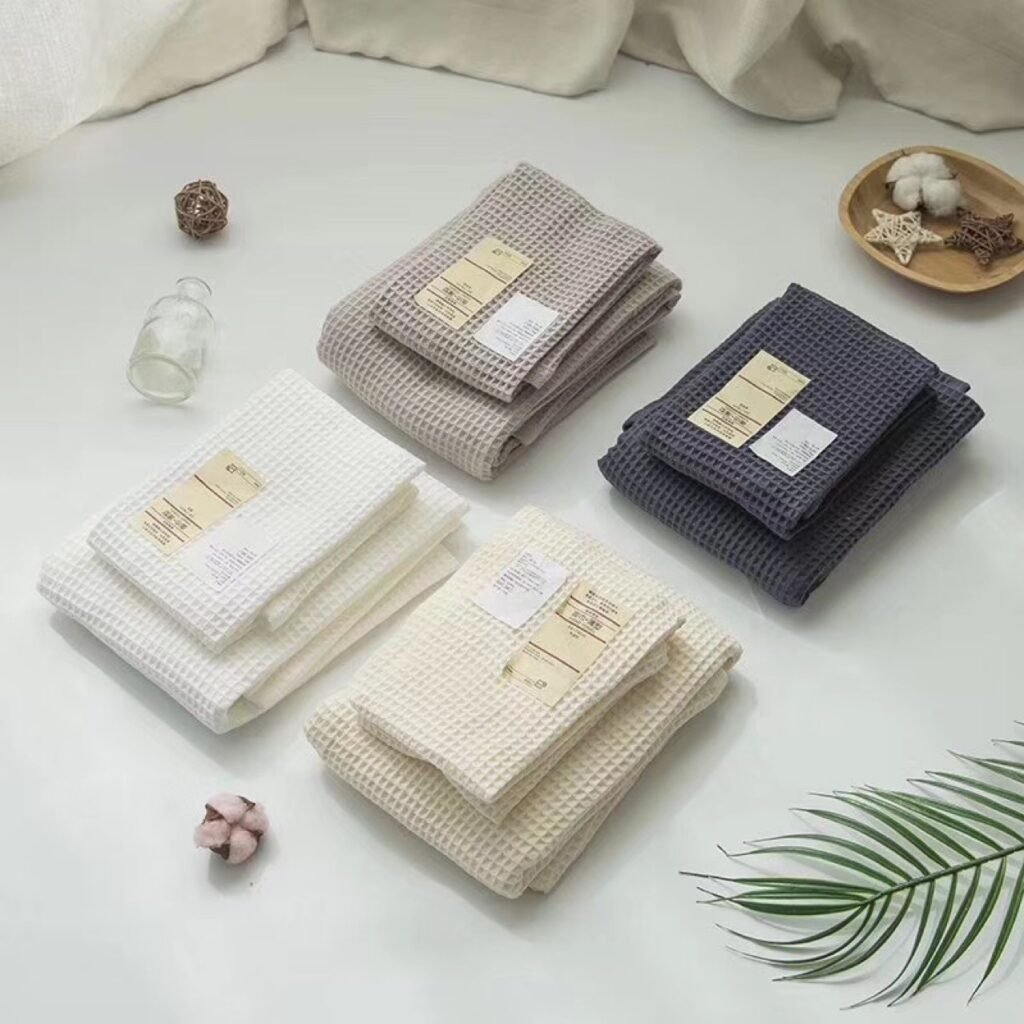
Furthermore, the weave type plays a big role too. Looped terry weaves are common and highly absorbent. Waffle weaves, on the other hand, are lighter and dry faster. Both can work well for sensitive skin. The best choice depends on your personal preference.
“The towel touching your face every single day is part of your skincare routine. Choose it as carefully as you choose your cleanser.”
Best Materials for Hypoallergenic Face Towels
Not all towel materials are created equal. Therefore, understanding your options is very important. Here is a clear breakdown of the most popular materials for hypoallergenic face towels.
Organic Cotton
Organic cotton is one of the best choices for sensitive skin. First, it is incredibly soft and breathable. It also has that familiar towel feel most people are comfortable with. However, it is much gentler than regular cotton because it is grown without harmful pesticides or chemical treatments.
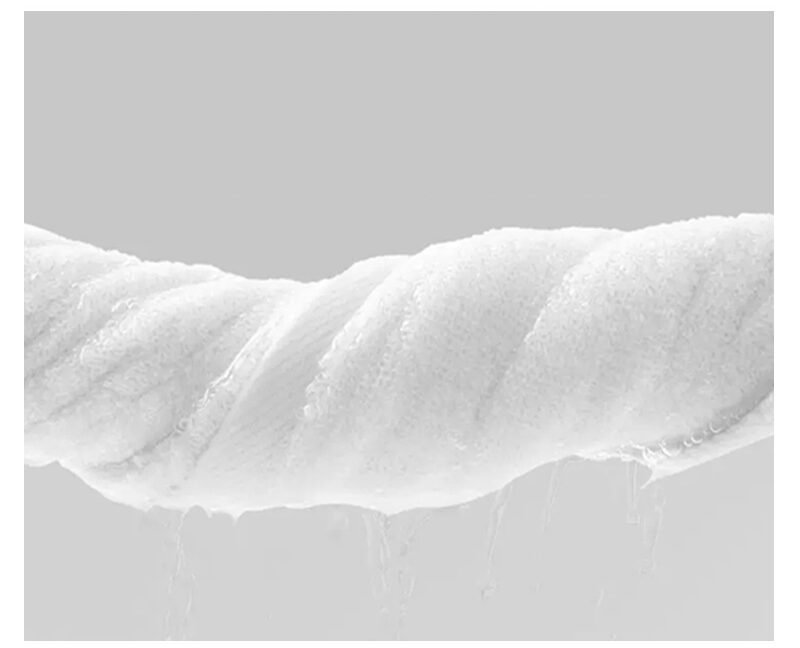
Additionally, organic cotton has excellent moisture absorption. According to textile research, cotton can absorb between 32.5% and 50.5% of its weight in water. That is outstanding for face drying. You can gently pat your skin dry without applying much pressure at all.
Moreover, organic cotton is easy to find, simple to wash, and very long-lasting. For everyday face use, it remains the safest all-around choice among all available materials.
Bamboo
Bamboo fabric has grown in popularity, and for very good reason. First, bamboo is naturally ultra-soft — often even softer than regular cotton. Furthermore, it handles moisture exceptionally well. Some textile sources suggest bamboo can absorb about 40% more moisture than cotton. That makes it both highly absorbent and quick-drying at the same time.
Additionally, bamboo is often marketed as naturally antibacterial. This can be especially useful for people dealing with acne-prone or oily skin. However, always look for certified bamboo products. This ensures that the manufacturing process was safe and clean.
Microfiber
Microfiber towels are extremely popular for travel and performance. They dry very quickly and absorb large amounts of moisture. However, not everyone with sensitive skin enjoys microfiber on their face. Some users find it too rough or too drying for daily use.
If you want to try microfiber, always choose ultra-fine, high-quality versions. Additionally, do a patch test before making it your regular face towel. Favor Houseware offers premium microfiber towels engineered for both softness and performance.
Polyester — What to Avoid
Polyester is a synthetic material found in many low-cost towels. Unfortunately, it is not a good fit for sensitive skin. Polyester has a very low moisture absorption rate — only about 0.4%. That means it barely absorbs water at all. Furthermore, it can feel rough and scratchy, especially on delicate facial skin.
Therefore, always check the label before buying. Avoid any towel that is made mostly from polyester or other synthetic blends.
Why Absorbency Matters for Facial Towels
Absorbency might sound like a basic feature. But actually, it plays a major role in skin health. Here is why it matters so much for your face.
First, when a towel absorbs moisture quickly, you do not need to rub your face hard. Instead, you can simply pat it dry with light pressure. Rubbing, on the other hand, creates friction. Friction breaks down your skin’s protective barrier. Over time, this can lead to dryness, redness, and even more breakouts.
Moreover, a highly absorbent towel works faster. That means you spend less time dragging it across your skin. This is especially helpful for people with eczema, rosacea, or acne-prone skin conditions.
Consider these key absorbency data points:
- Cotton absorbs 32.5%–50.5% of its weight in water — a strong performer for daily face drying.
- Bamboo can absorb up to 40% more moisture than cotton — making it excellent for quick, gentle drying.
- Polyester absorbs only about 0.4% — making it nearly useless as a face towel material.
According to industry experts at Textile World, fiber type is one of the most critical factors in overall towel performance. Therefore, always choose a towel with a natural fiber base for the best absorbency on your face.
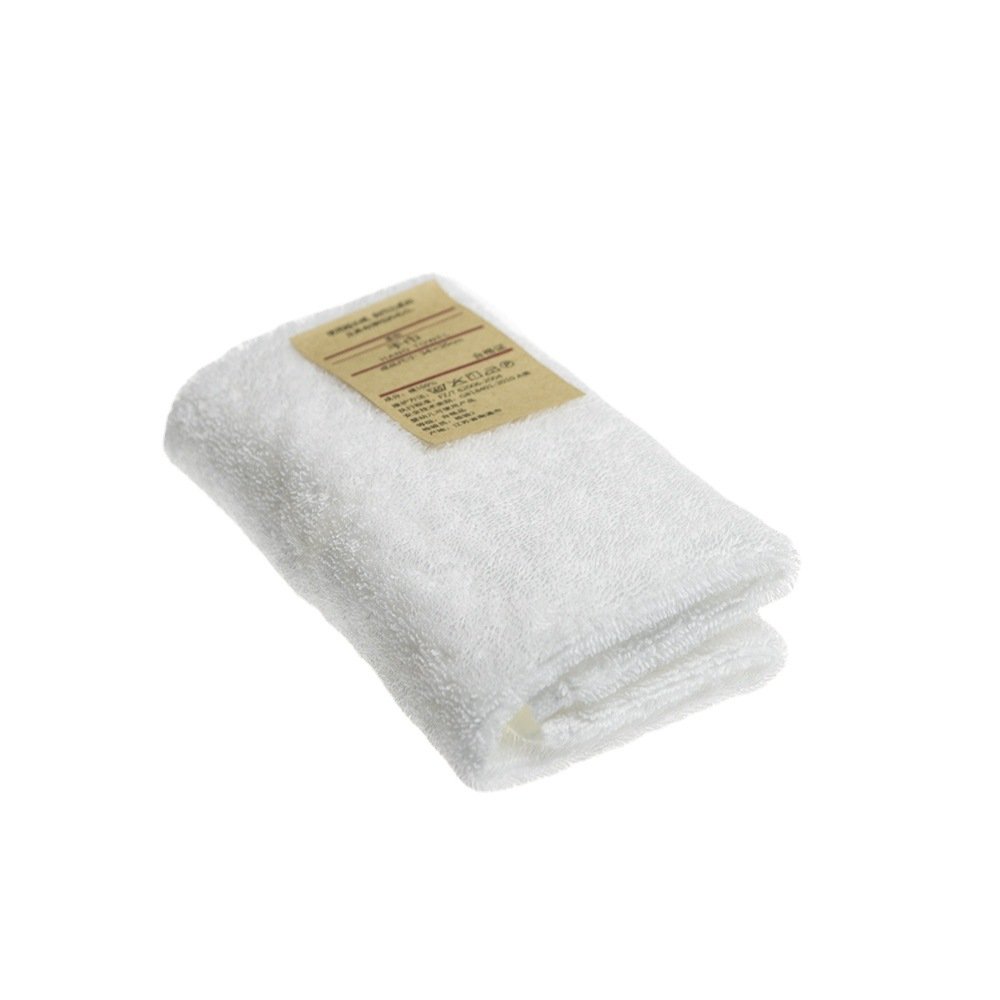
Quick-Drying Face Towels: Why They Help Skin Hygiene
You might wonder — why does drying speed matter? The answer is simple. A damp towel is a breeding ground for bacteria and mold.
First, when a towel stays wet for too long, bacteria can grow on it rapidly. Then, the next time you press it against your freshly washed face, you are essentially reintroducing those germs. That can lead to breakouts, skin infections, and persistent irritation. This is especially bad for people with sensitive or acne-prone skin.
Moreover, quick-drying towels are far more practical. They are ready to use again sooner. This is particularly useful if you wash your face multiple times per day.
So, how do you find a truly quick-drying face towel? Look for these key features:
- Lower pile height: Towels with a shorter, flatter pile dry much faster than thick, fluffy ones.
- Waffle or flat weave: These weaves allow more airflow through the fabric, which speeds up drying significantly.
- Bamboo or bamboo-cotton blends: These materials are widely recognized for their natural quick-drying properties.
- Good ventilation habit: Always hang your towel in an open, well-ventilated area after every single use. Never fold it up while it is still damp.
Additionally, skin care guidance from the American Academy of Dermatology (AAD) consistently emphasizes using a clean, dry towel every time you wash your face. Therefore, quick-drying towels are not just a convenience — they are a genuine part of good skin hygiene.
Cotton vs Bamboo vs Microfiber for Sensitive Skin
Now let us compare the three most popular face towel materials side by side. This way, you can make the smartest choice based on your own skin type and lifestyle.
| Feature | Organic Cotton | Bamboo | Microfiber |
|---|---|---|---|
| Softness | ✅ Very Soft | ✅✅ Ultra Soft | ⚠️ Varies by quality |
| Absorbency | High (32.5–50.5%) | Very High | Very High |
| Drying Speed | Medium | Fast | Very Fast |
| Sensitive Skin Rating | ⭐⭐⭐⭐⭐ | ⭐⭐⭐⭐⭐ | ⭐⭐⭐ |
| Best Use | Everyday face care | Premium daily use, spa | Travel, performance |
| Eco-Friendly | ✅ Yes (if GOTS certified) | ✅ Yes (renewable crop) | ⚠️ Depends on the brand |
In summary, both organic cotton and bamboo are excellent choices for sensitive skin. However, if you travel often or need a performance towel, high-quality microfiber can work too. Just make sure it is fine and gentle enough for daily face use.
Favor Houseware also offers eco-conscious options for the environmentally aware buyer. For example, check out our recycled towels for a more sustainable choice.
What Certifications Should You Look For?
Certifications are what separate a truly safe towel from a marketing claim. Without third-party testing, words like “hypoallergenic” and “natural” mean very little. Therefore, always look for recognized certifications before buying.
Here are the most important certifications to check for:
| Certification | What It Tests | Why It Matters for You |
|---|---|---|
| OEKO-TEX® STANDARD 100 | Tests textiles for harmful chemicals and substances | Proves the towel is free from toxic residues. Strongly supports hypoallergenic claims. |
| GOTS (Global Organic Textile Standard) | Requires at least 70% organic fibers plus environmental and social standards | Confirms the entire supply chain is organic and ethical. Ideal for organic cotton products. |
| BSCI | Business Social Compliance Initiative | Ensures fair labor practices and ethical manufacturing conditions. |
| SGS / FDA | Independent product safety testing | Adds credibility and assurance for international buyers and retail partners. |
You can learn more about textile safety testing at the official OEKO-TEX® website. Additionally, full GOTS certification requirements are listed at the Global Organic Textile Standard (GOTS) website.
At Favor Houseware Co., Ltd., our products hold OEKO-TEX 100, BSCI, SGS, and FDA certifications. Therefore, when you choose our towels, you can be confident that every piece has been rigorously tested and meets strict international safety requirements.
How to Choose a Face Towel for Daily Skincare
Now that you know the materials and certifications, let us talk about choosing the right face towel for your daily routine. There are several practical factors that are worth considering carefully.
📐 Size Guide
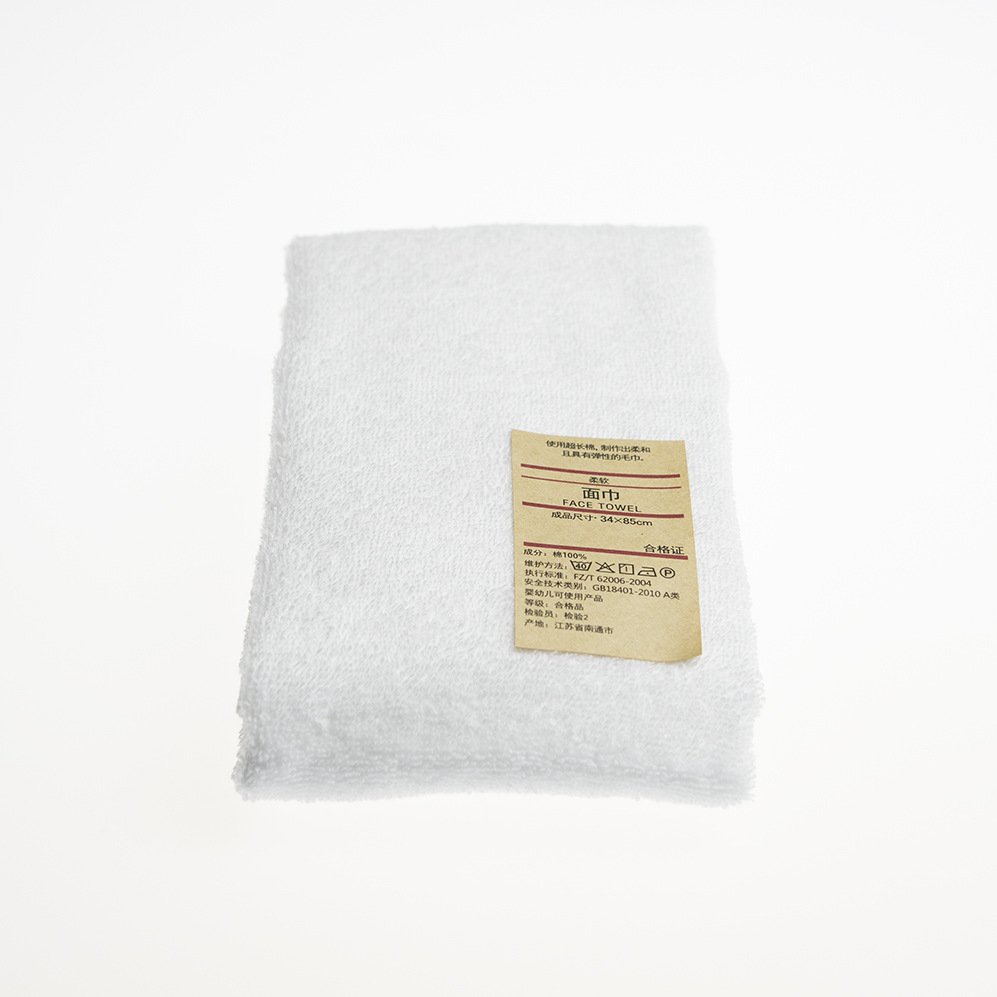
Face towels are typically around 13″ x 13″ — the standard washcloth size. This is small enough to handle comfortably and large enough to cover your entire face. It also dries much faster than larger body towels, which helps with hygiene.
⚖️ GSM Guide
- 300–400 GSM: Lightweight and fast-drying. Great for travel or warm climates.
- 400–600 GSM: Medium weight with balanced absorbency and drying speed. This is the best range for daily face use.
- 600+ GSM: Thick, plush, and luxurious — but slower to dry. Better for spa settings.
🧵 Weave Type
- Terry loop: The classic towel feel. Soft, very absorbent, and widely available.
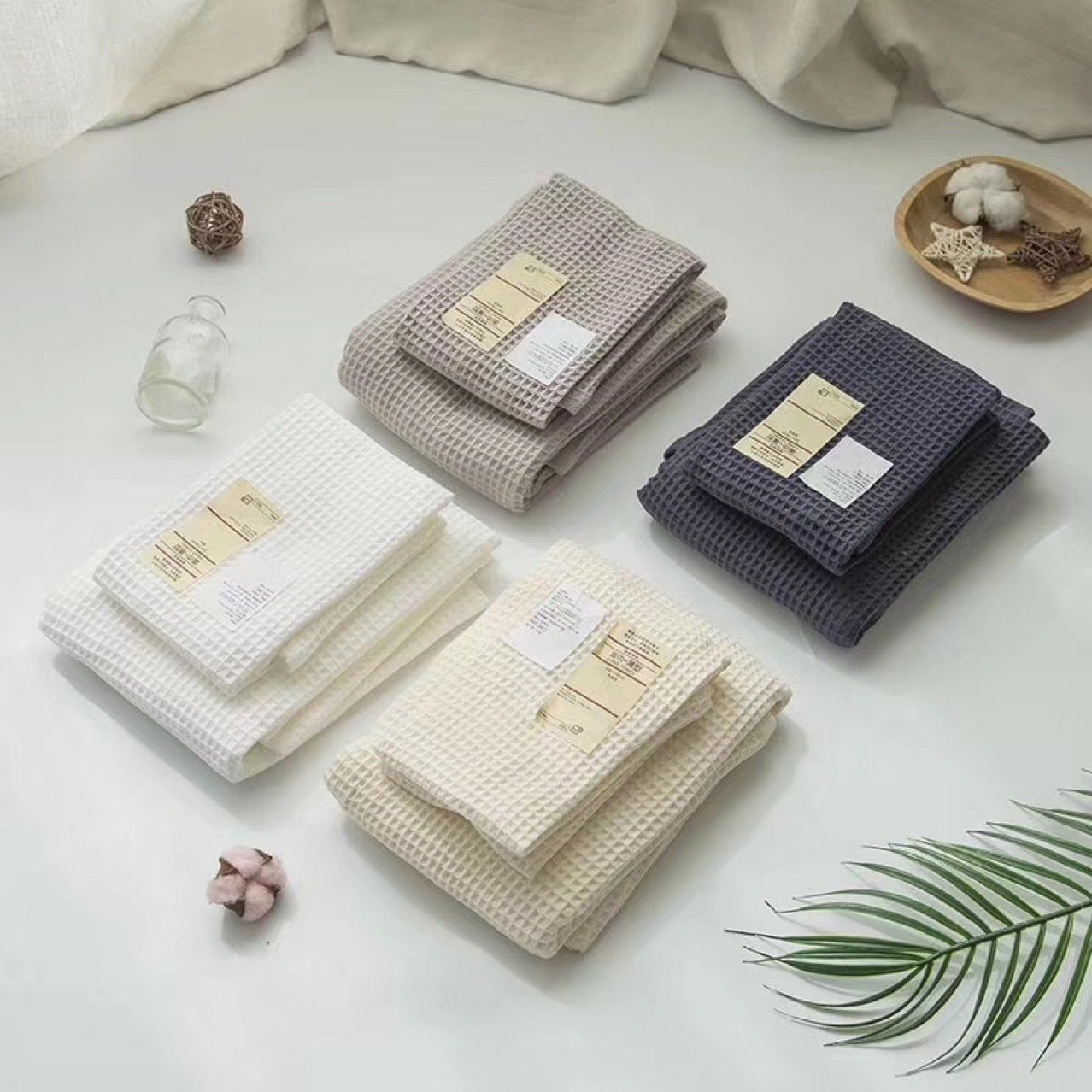
- Waffle weave: Lighter and faster-drying. Good for gentle, mild exfoliation too.
- Flat weave: The quickest to dry. Ideal for people who prefer a thinner, streamlined towel.
🚫 What to Avoid
- ❌ Heavy synthetic blends (especially high polyester content)
- ❌ Towels with perfumed or chemical finishing treatments
- ❌ Very stiff, rough, or loosely woven textures
- ❌ Heavily dyed towels without a certified safety standard
Furthermore, think about your own skin type. If you have dry or eczema-prone skin, go for a softer, higher GSM towel. If you have oily or acne-prone skin, a quick-drying, lower GSM towel will typically serve you better.
Best Face Towel Features for Spa, Travel, and Home Use
The ideal face towel actually depends on where and how you use it. Therefore, here is a quick guide to the best features for each specific setting.
🏠 Home Use
- Medium to high GSM (400–600) for everyday comfort
- Organic cotton or bamboo for daily gentle contact with skin
- OEKO-TEX certified to ensure it is free from harmful chemicals
- Keep a dedicated face towel — separate from body towels entirely
🧖 Spa Use
- High GSM (600+) for a premium, luxurious feel
- Ultra-soft bamboo or high-quality Egyptian cotton
- Neutral, elegant colors for a clean, professional look
- Durable construction that holds up to frequent professional washing
For a truly spa-like experience at home or in a professional setting, consider our Turkish hammam towels. These are known worldwide for their lightweight softness and elegant drape.
✈️ Travel Use
- Low GSM (300–400) for easy, lightweight packing
- Quick-drying microfiber or bamboo blend for on-the-go hygiene
- Compact washcloth size (13″ x 13″ or smaller) for a travel bag
- Antibacterial properties for safer skin hygiene away from home
Additionally, our surf poncho towels and surf change robes combine performance and comfort perfectly for outdoor and travel use.
How Often Should You Wash and Replace Face Towels?
This is one of the most important — yet most overlooked — aspects of face towel care. Even the very best face towel can harm your skin if it is not cleaned regularly and properly.
🧺 How Often to Wash
Most skin care professionals recommend washing your face towel every 2 to 3 uses. This is because face towels quickly collect:
- Dead skin cells from your face
- Bacteria transferred from your hands and skin
- Excess oil and leftover skincare product residue
- Airborne dust and environmental particles
Furthermore, if you have acne-prone or highly sensitive skin, consider using a fresh face towel every single day. This significantly reduces the risk of transferring bacteria back onto your freshly cleaned face.
“Your face towel should be washed far more often than your bath towel. Your face is much more sensitive than the rest of your body.”
🗓️ How Often to Replace
Even with regular washing, face towels eventually wear out and should be replaced. Here is a simple guide:
- Every 1–2 years for normal, regular home use
- Every 6–12 months for daily users or people with sensitive skin
- Replace immediately if the towel smells musty, feels rough, or shows visible fraying or wear
✅ Washing Tips for Sensitive Skin
- Use a fragrance-free, gentle detergent to avoid chemical irritants
- Skip fabric softeners — they coat fibers and reduce absorbency over time
- Wash at 60°C (140°F) to effectively kill bacteria and dust mites
- Dry the towel fully before folding or storing it
- Never share your personal face towel with anyone else
Common Mistakes That Can Irritate Sensitive Skin
Even the best face towels can cause problems if used incorrectly. Many people make these common mistakes without realizing it. So, let us go through each one carefully.
- ❌ Sharing towels with others: Sharing spreads bacteria, skin cells, and fungi rapidly. Always use your own dedicated personal face towel.
- ❌ Leaving the towel damp after use: A damp, folded towel grows bacteria very fast. After every single use, hang it flat in a ventilated spot to dry completely.
- ❌ Using fabric softener on your face towels: Fabric softener creates a soft feeling at first. However, it coats towel fibers over time. This reduces absorbency and can also trigger allergic reactions on sensitive skin.
- ❌ Rubbing your face dry instead of patting: Rubbing creates friction and heat on your skin. This damages your protective skin barrier. Instead, always gently pat your face dry using light, dabbing motions.
- ❌ Using the same towel for too long: Even a clean-looking towel can harbor bacteria and accumulated residues. Replace your face towels on a regular schedule.
- ❌ Choosing the wrong material: Rough synthetic towels scratch and dry out sensitive skin quickly. Always choose a soft, certified natural fiber towel instead.
- ❌ Not washing a new towel before its first use: Brand-new towels may carry finishing chemicals from the factory. Always run a new face towel through the wash before using it on your face for the first time.
Frequently Asked Questions About Face Towels for Sensitive Skin
Here are the most common questions people ask when searching for the best hypoallergenic face towels. We have answered each one simply and clearly.
❓ 1. What is the best material for face towels for sensitive skin?
Organic cotton is generally the safest and most recommended choice. It is soft, breathable, and familiar to use every day. Bamboo is also excellent — especially if you want extra softness combined with fast drying.
❓ 2. Are bamboo face towels better than cotton?
Bamboo can be better if you prioritize extra softness and faster moisture removal. However, cotton is still the most widely trusted choice for everyday use. Both materials are excellent for sensitive skin. The best one depends on your personal priorities.
❓ 3. Are hypoallergenic face towels really hypoallergenic?
The term is only reliable when it is backed by real testing and certification. Look for OEKO-TEX® STANDARD 100 or GOTS labels. These provide genuine third-party proof — not just marketing language printed on the packaging.
❓ 4. How often should you wash face towels?
Most experts recommend washing your face towel every 2 to 3 uses. If you have sensitive or acne-prone skin, washing after every single use is even better. Always dry the towel completely between each use.
❓ 5. How do you choose an absorbent but quick-drying towel?
Look for a lower pile height combined with a well-constructed natural fiber weave. Bamboo-cotton blends are often the best option here. They absorb moisture quickly and still dry fast. A medium GSM of 400–600 is the sweet spot for face towels.
❓ 6. Are microfiber towels good for sensitive skin?
Microfiber is very absorbent and dries quickly. However, it is not always ideal for highly reactive or sensitive skin. Some users find it too rough or too drying on their face. If you do use microfiber, always choose ultra-fine, high-quality versions.
❓ 7. What certifications should face towels have?
The two most important certifications are OEKO-TEX® STANDARD 100 (tests for harmful substances) and GOTS (requires at least 70% organic fiber). Other valuable certifications include BSCI, SGS, and FDA for broader safety and ethical standards.
❓ 8. Can face towels help reduce acne and irritation?
Yes! Using a clean, soft, hypoallergenic face towel really can help reduce both acne and skin irritation. Dirty or rough towels spread bacteria and create friction. These are two of the biggest triggers for breakouts and persistent skin inflammation.
❓ 9. What size is best for a face towel?
The standard face towel (washcloth) size is approximately 13″ x 13″. This size is easy to handle, large enough to cover your whole face, and small enough to dry quickly — which is great for skin hygiene.
❓ 10. How often should face towels be replaced?
For regular home use, replace your face towels every 1 to 2 years. For daily users or those with sensitive skin, every 6 to 12 months is better. Replace immediately if they feel rough, smell musty, or show visible wear.
Why Choose Favor Houseware for Your Face Towels?
Favor Houseware Co., Ltd. is a qualified towel manufacturer with over 15 years of experience. We are based in Yiwu, Zhejiang Province, China. Furthermore, we serve customers across the globe — from small startups to large wholesale distributors and hotel chains.
Here is why hundreds of international clients consistently trust us:
- ✅ OEKO-TEX 100, BSCI, SGS, and FDA certified — rigorously tested and provably safe
- ✅ Premium materials — high-quality yarn and imported weaving machines for consistent quality
- ✅ Eco-friendly manufacturing — sustainable sourcing and responsible production practices
- ✅ Low MOQ — orders start from just 100 pieces, supporting businesses of every size
- ✅ Custom branding — no MOQ for digital printing; full personalization available
- ✅ Fast delivery — available stock ready for quick international shipment
- ✅ Free samples available — just pay the freight cost to get started
- ✅ Strict quality control — from raw material inspection all the way to final shipment
Additionally, our product range goes far beyond face towels. We also manufacture kitchen towels, custom beach towels, and a wide variety of specialty textiles. Whether you need towels for a hotel, spa, retail brand, or direct wholesale buying, we have the capability and experience to deliver.
“We do not just manufacture towels. We manufacture trust — one carefully crafted fiber at a time.”
— Favor Houseware Co., Ltd., Yiwu, China
Ready to ask a question or place an order? Contact our team today. We are ready and happy to help you find exactly the right towel solution for your needs.
Conclusion: Your Skin Deserves the Best Face Towel
In conclusion, choosing the best face towel for sensitive skin is not just about how it feels. It is about materials science, certified safety, and smart daily habits. Together, these things make a real and lasting difference to your skin’s health.
To recap, here are the most important things to remember from this guide:
- ✅ Choose organic cotton or bamboo for the softest and safest experience
- ✅ Always look for OEKO-TEX® STANDARD 100 or GOTS certification for verified safety
- ✅ Pick a towel with high absorbency and quick-drying properties to protect skin hygiene
- ✅ Use a GSM of 400–600 for the best balance of softness and practical function
- ✅ Wash your face towel every 2–3 uses and replace it on a regular schedule
- ✅ Always pat — never rub — your face dry after washing
- ✅ Avoid synthetic blends, fabric softeners, and chemical finishing treatments
Furthermore, as a trusted towel manufacturer with over 15 years of experience, Favor Houseware is here to help. We combine premium certified materials, flexible customization, and responsible manufacturing to deliver towels that truly work for sensitive skin and discerning buyers worldwide.
🌟 Ready to Find Your Perfect Face Towel?
Explore our certified, custom-made face and body towels. We offer low MOQ, free samples, and fast global shipping from our factory in Yiwu, China.
This article was prepared by the product and content team at Favor Houseware Co., Ltd. — a certified towel manufacturer with 15 years of international experience. For more helpful buying guides and industry insights, visit our blog.
Views: 10